In Awe of Tunisia

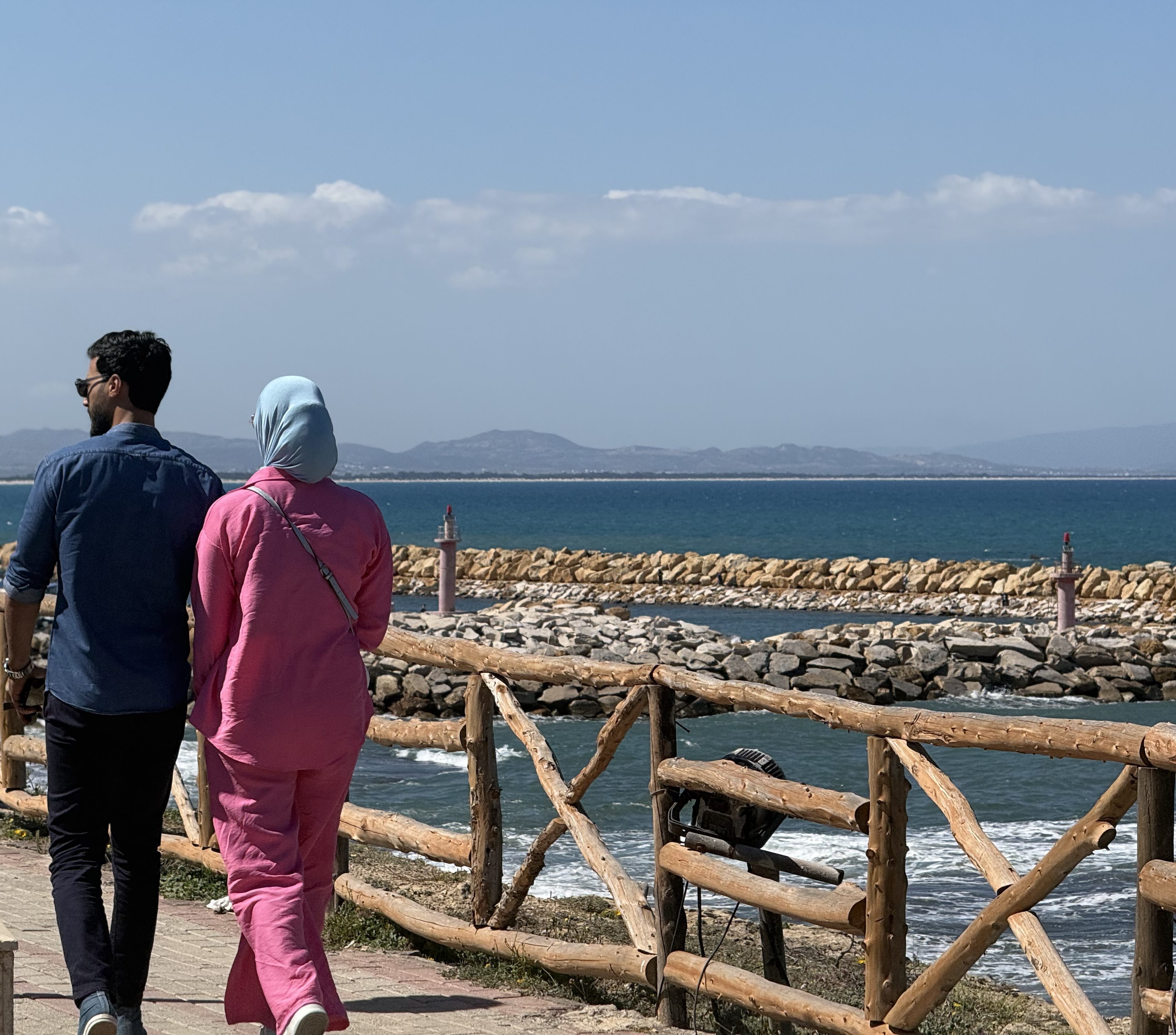
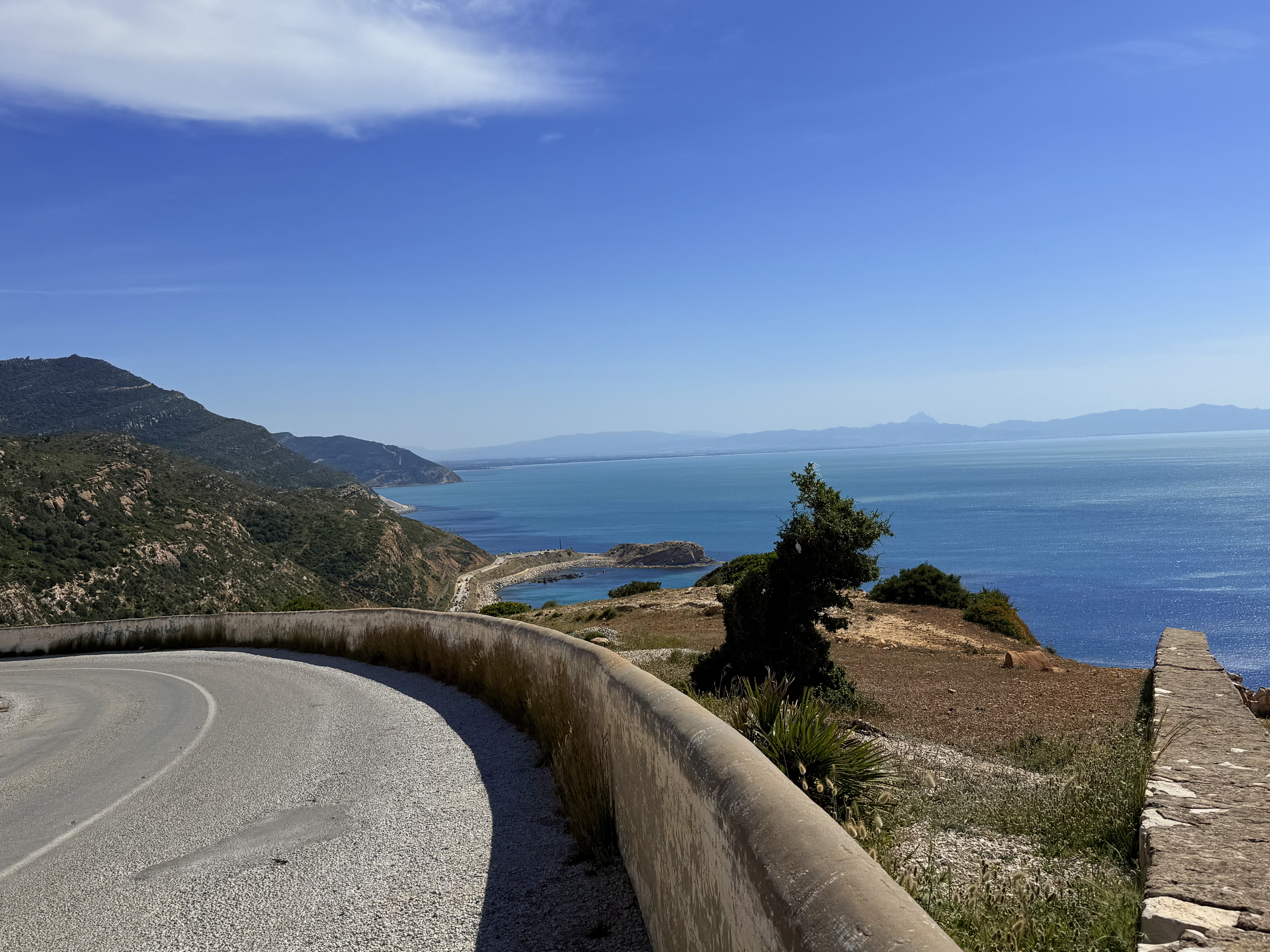
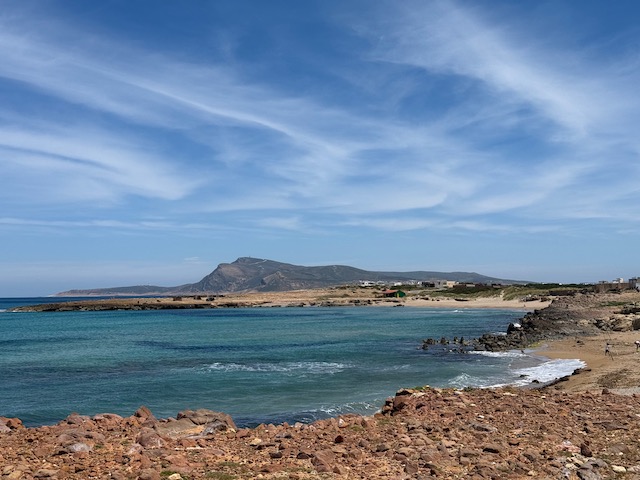
Along the coast in Cap Bon, northern Tunisia.

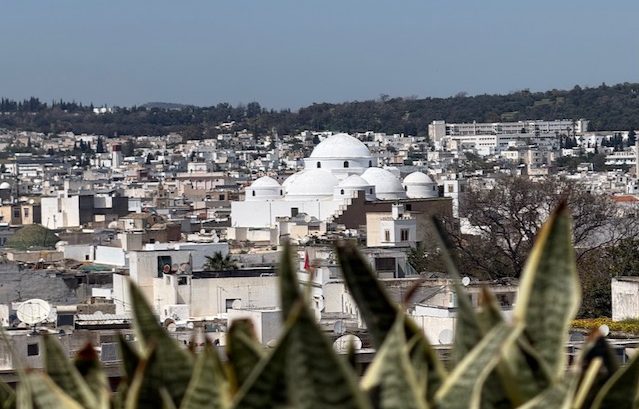
White, white — all the buildings white in Tunis, photo below.

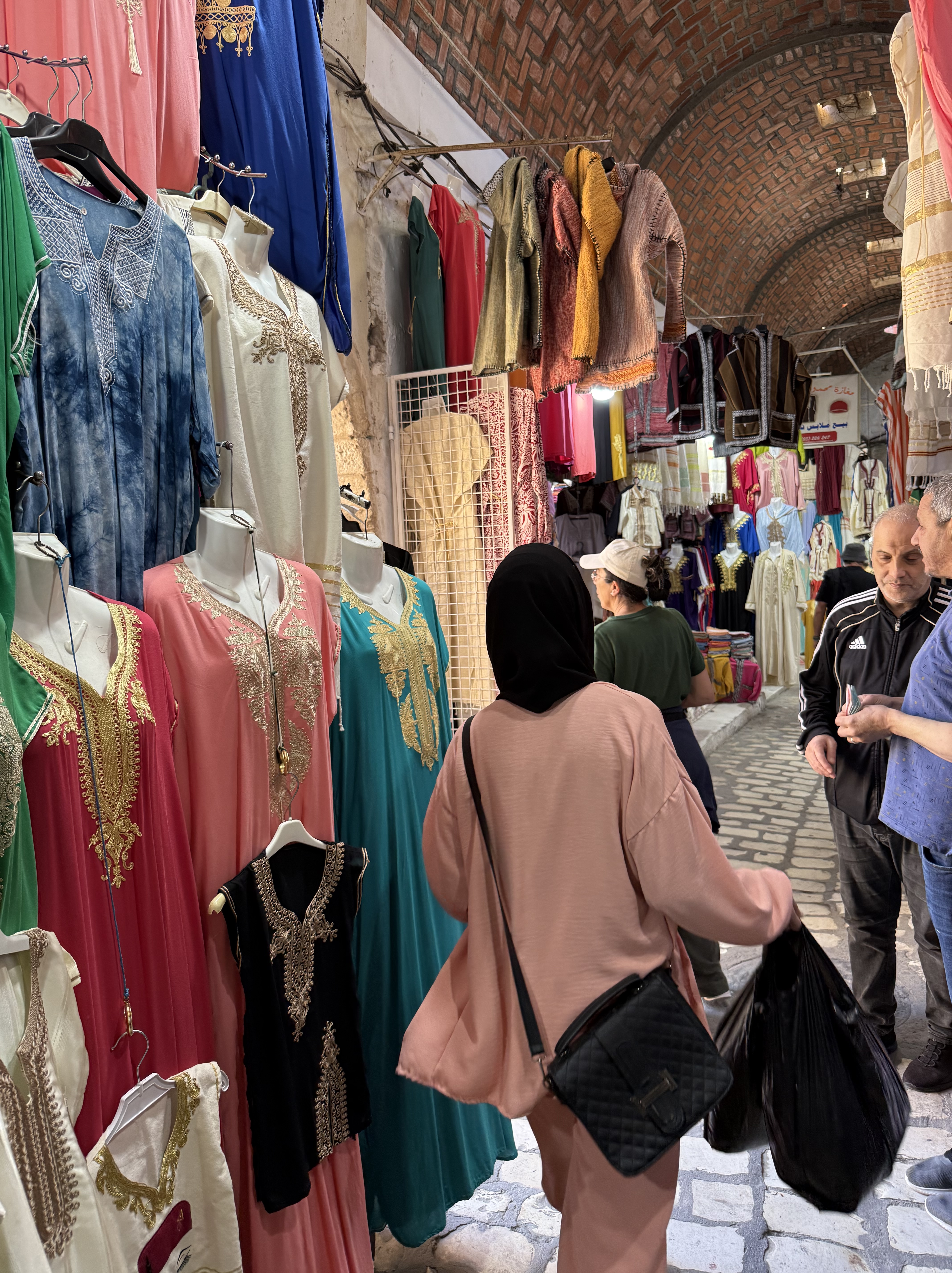
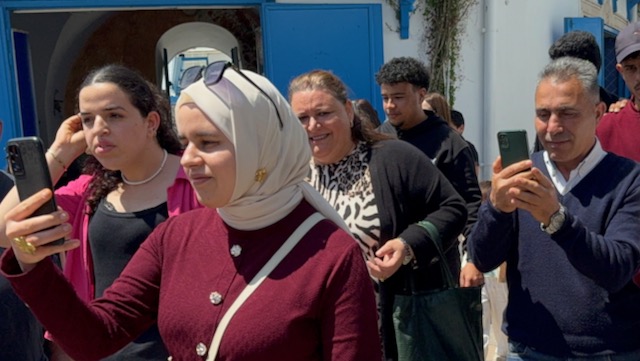
All the white may seem bland, but Tunisia is not. This small North African country is dynamic, vibrant, and a treasure trove of colorful sights: mind-boggling mosaics; joyful, boisterous markets; majestic mosques; intriguing souks, and super friendly, kind, understanding folk.  I was so impressed with the later, by the end of my 10-day journey, I thought about reading the Koran and taking up Islam.
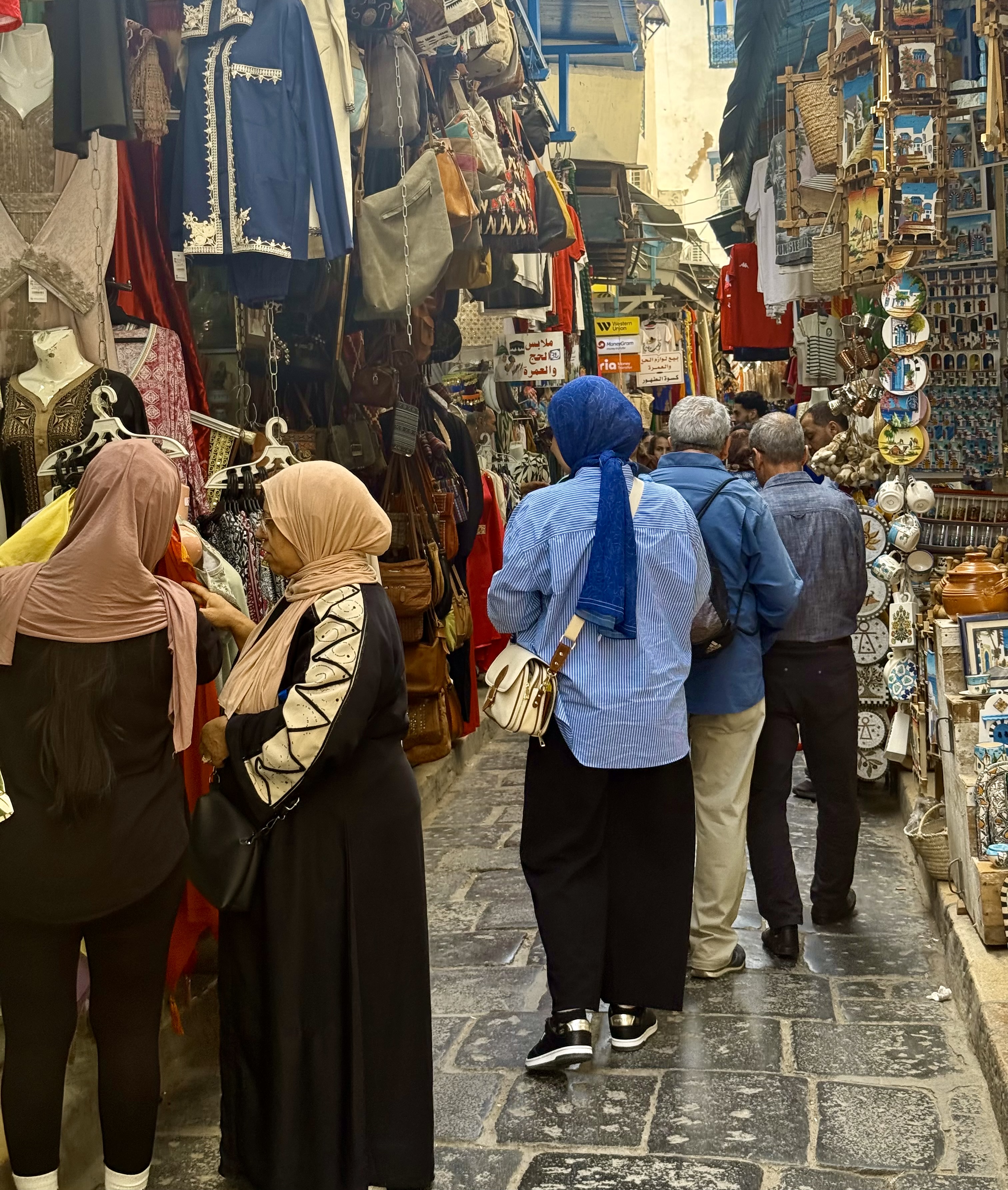
Souks, sinuous alleys with all kinds of merchandise, are endemic to Tunisia.

As the plane from Nice descended to Tunis, not much to see from the window except white buildings everywhere.  Later from a roof top restaurant, more of the same. Somehow it seems spooky, but it’s the traditional architectural style and helps reflect the Mediterranean sun to keep interiors cool.  

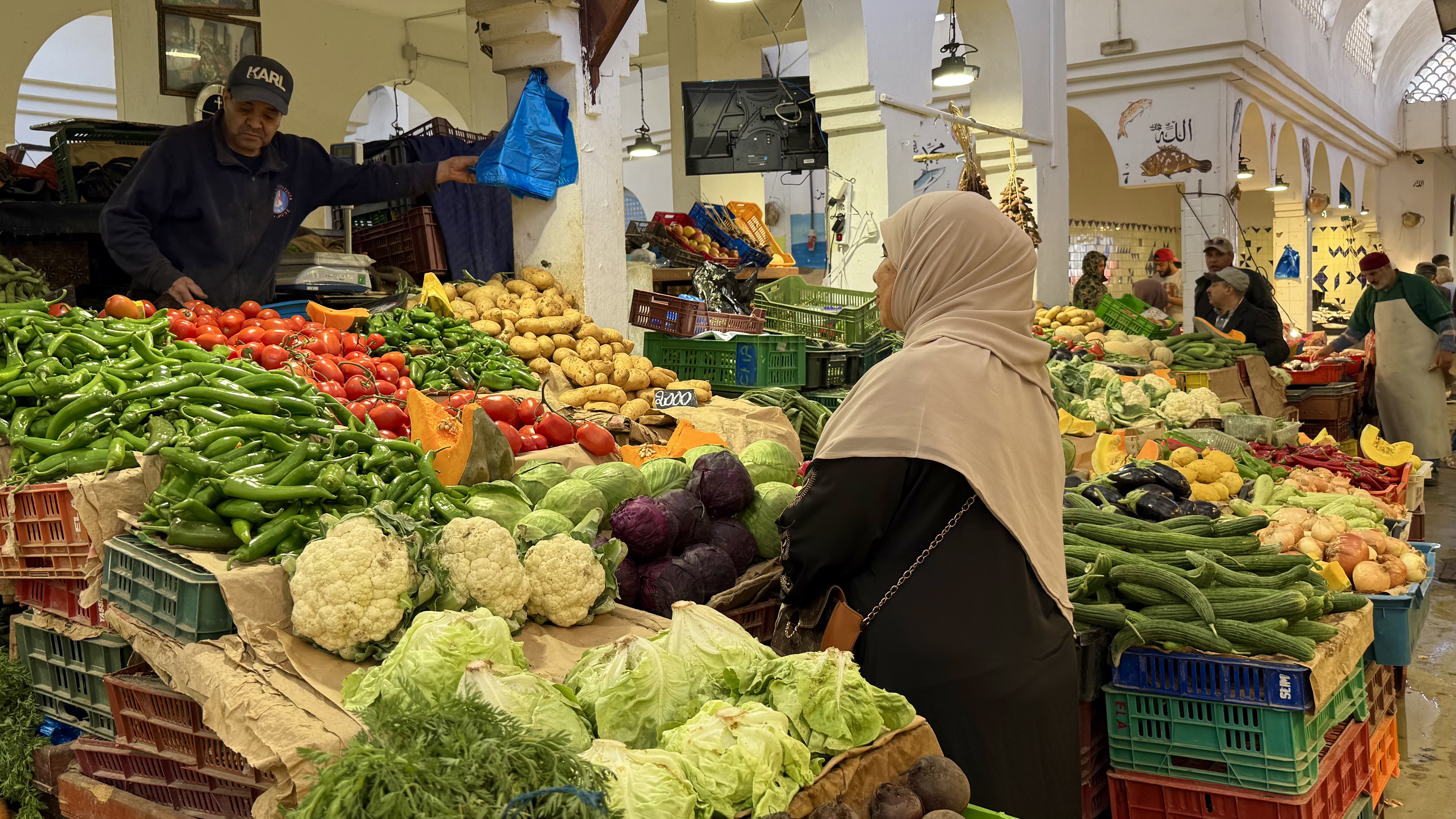
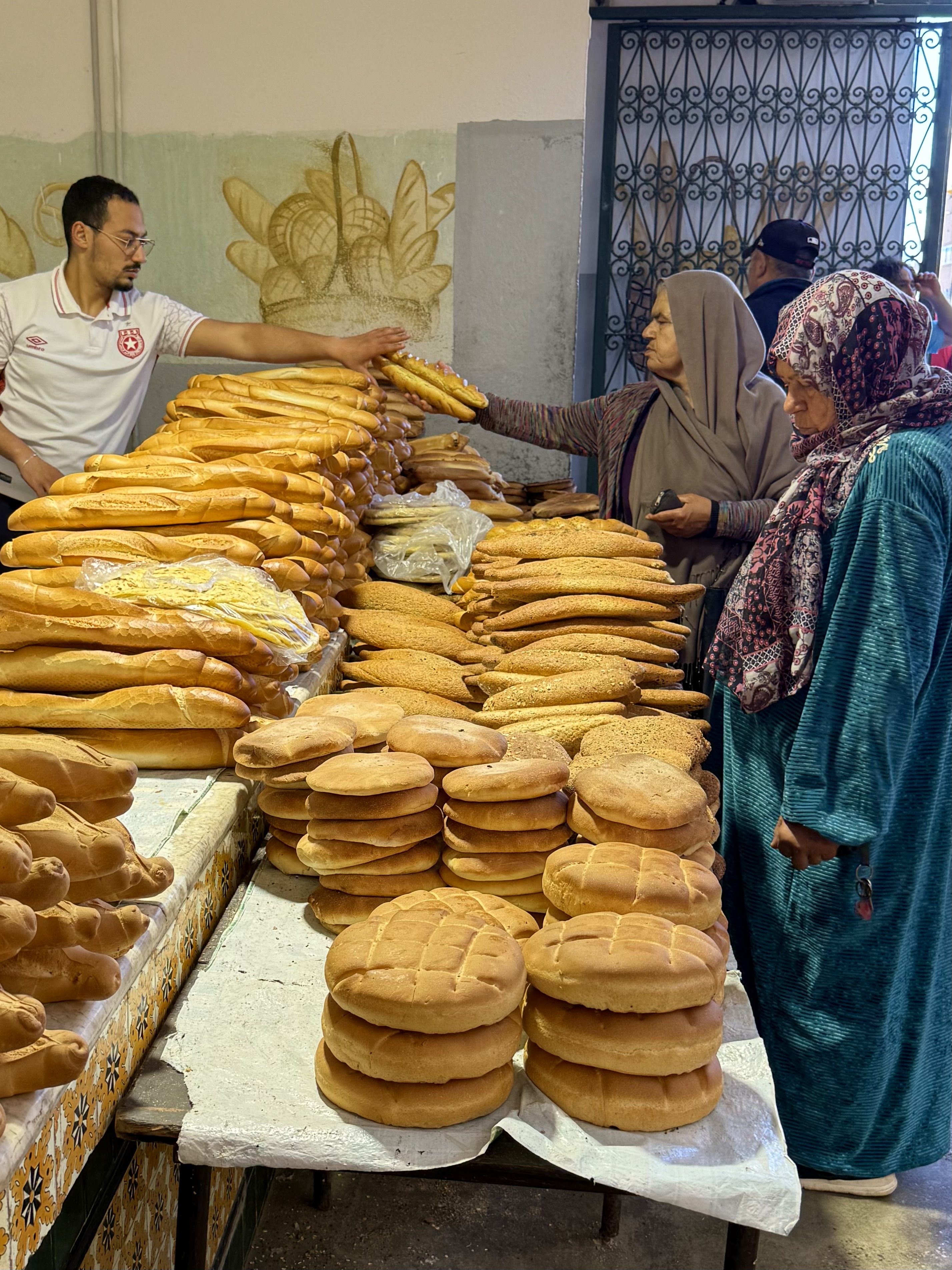
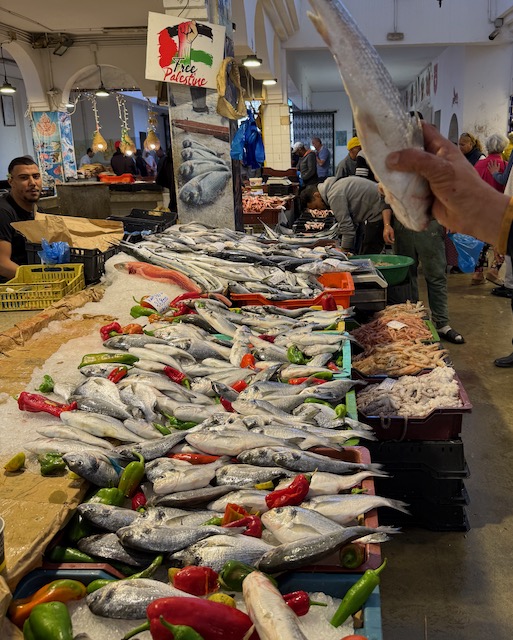
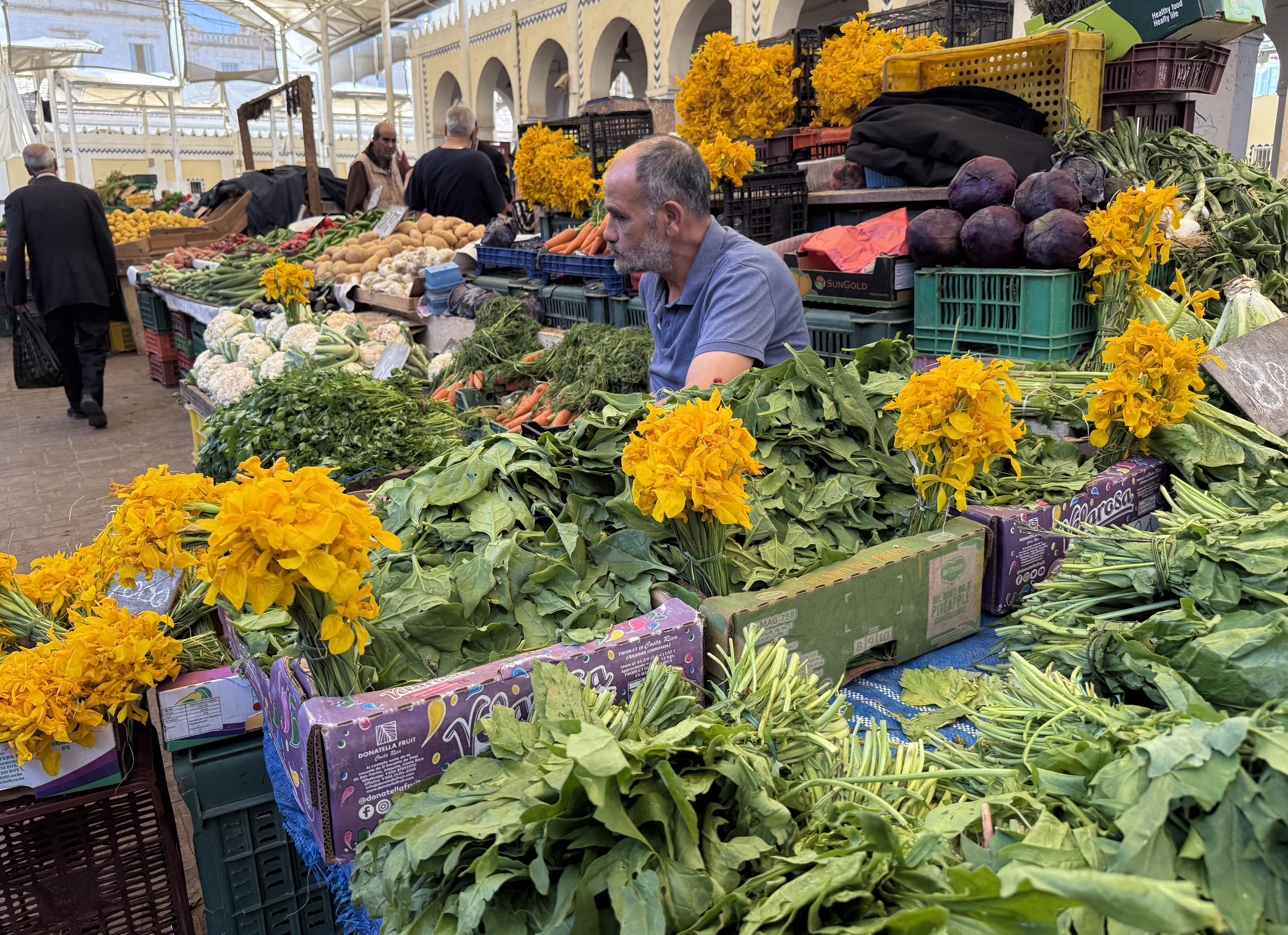
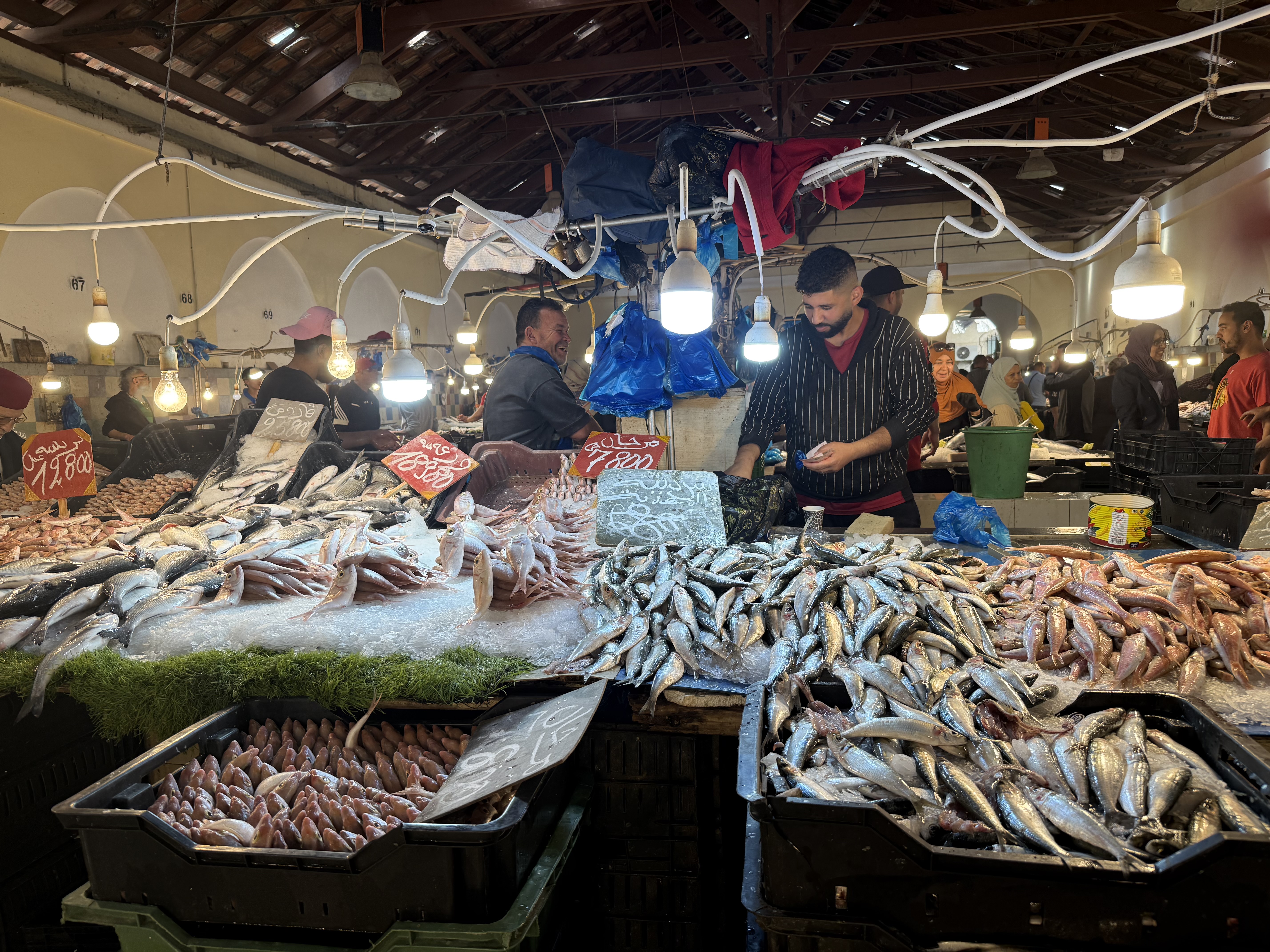
Plenty of color at the indoor market in Tunis.

People — their customs, way of life, beliefs —  fascinate me most about travel. Tunisia is an Islamic country, mainly Sunni, but as driver Faouzi pointed out, “We have mosques, we have bars, we have discos.” 

Tunisia is the birthplace of the Arab Spring in 2010. Protests led to the fall of the then president and his harsh regime, inspiring similar movements in the Arab world.  Today however many Tunisians are more than disappointed.  There are serious economic problems and unemployment.  Corruption is rampant. Many young Tunisians want to leave the country for a better life in Europe.  

As  to religion, to each his or her own.  It seemed to me that about 50% of the women cover their heads with the hijab.  Guide Mondher maintains there is nothing in the Koran about the hijab. The Islamic belief is that the Koran was revealed to Mohammad over about 23 years. However, throughout `many years different scholars and traditions have developed different interpretations. His wife wears the hijab, his 20-something daughter does not. Both he and Faouzi are practicing Muslims.  Neither drink alcohol. 

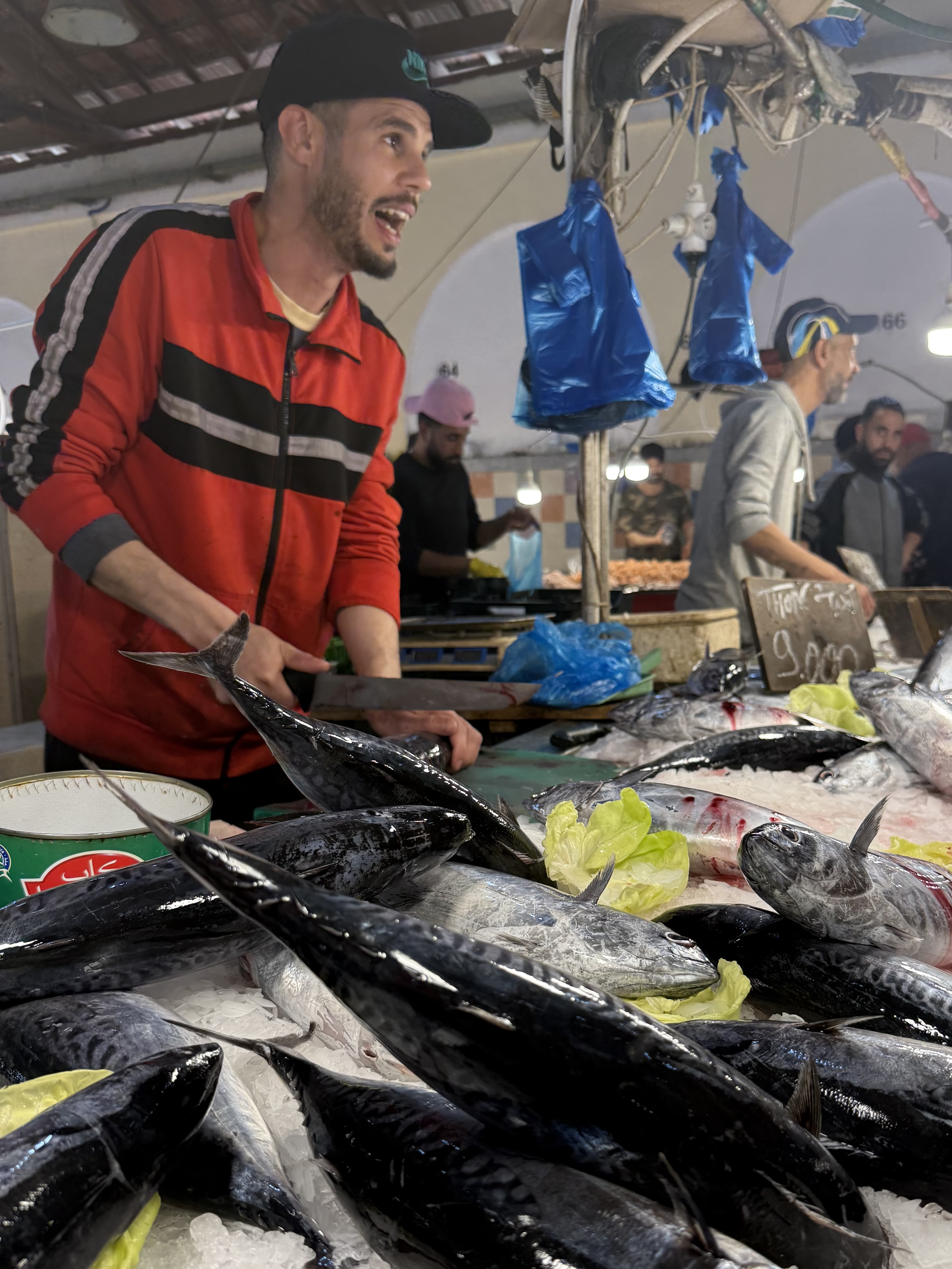
As a foodie, markets are a favorite for me.  The fish market in Tunis is like no other, a giant party. Vendors shout, laugh, even sing -definitely a happy place. I was mesmerized and took far too many fish photos.

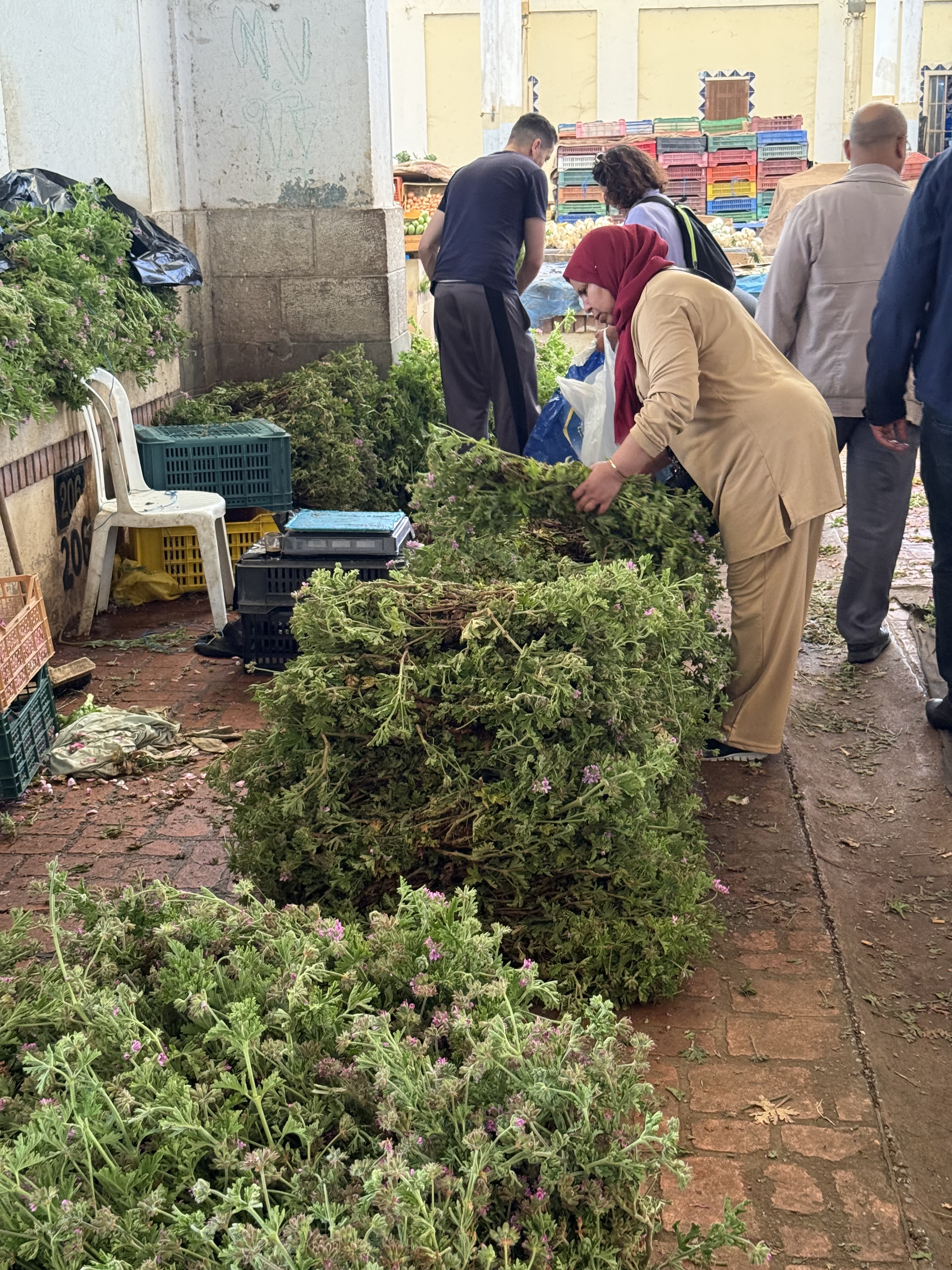
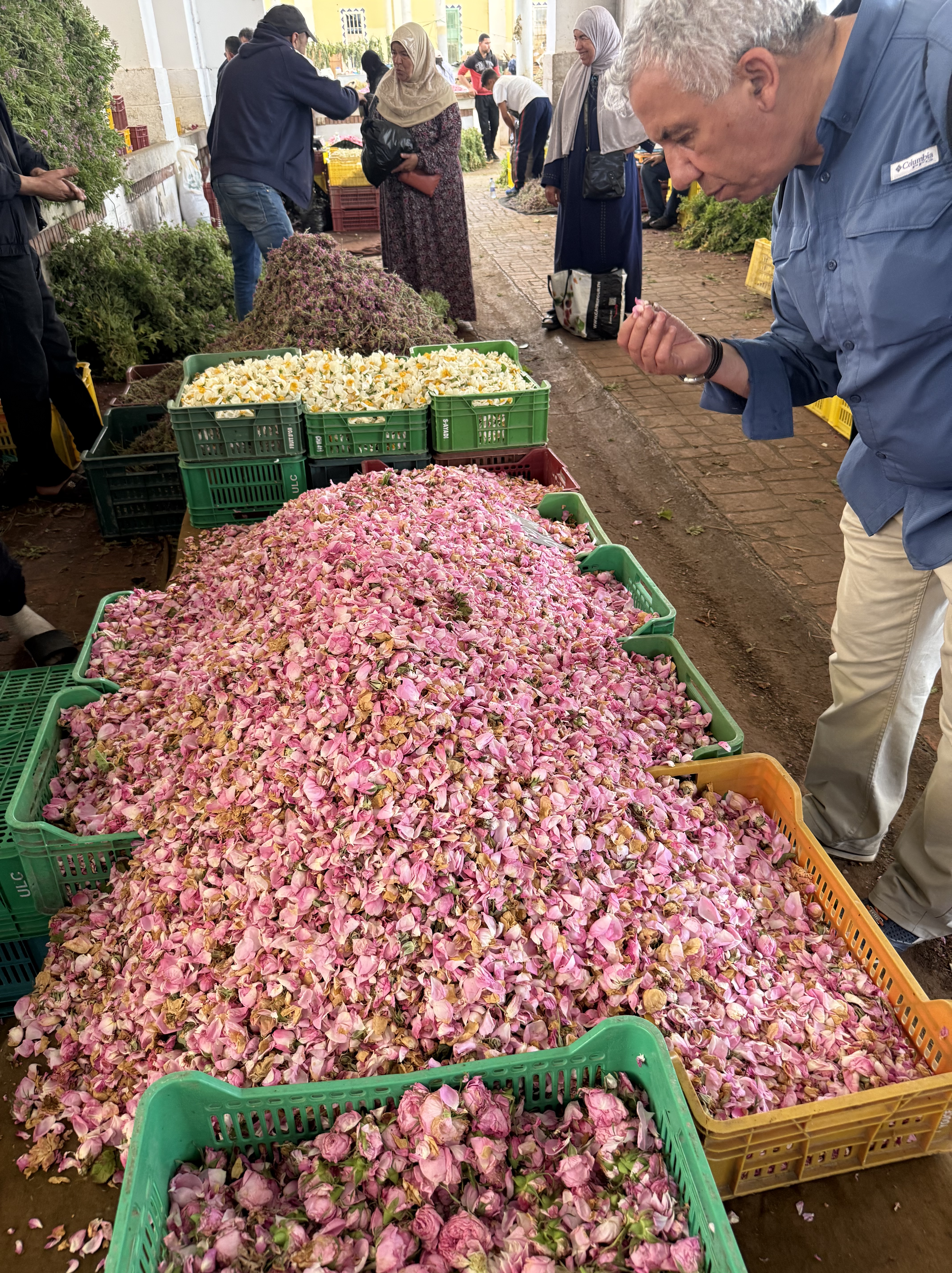
 I did not want to leave the fun, uplifting ambience amidst the fish, but a guide steered me to another market section: flowers, but not bouquets for your loved one.  Flowers for flower water, a must in every Tunisian household.  

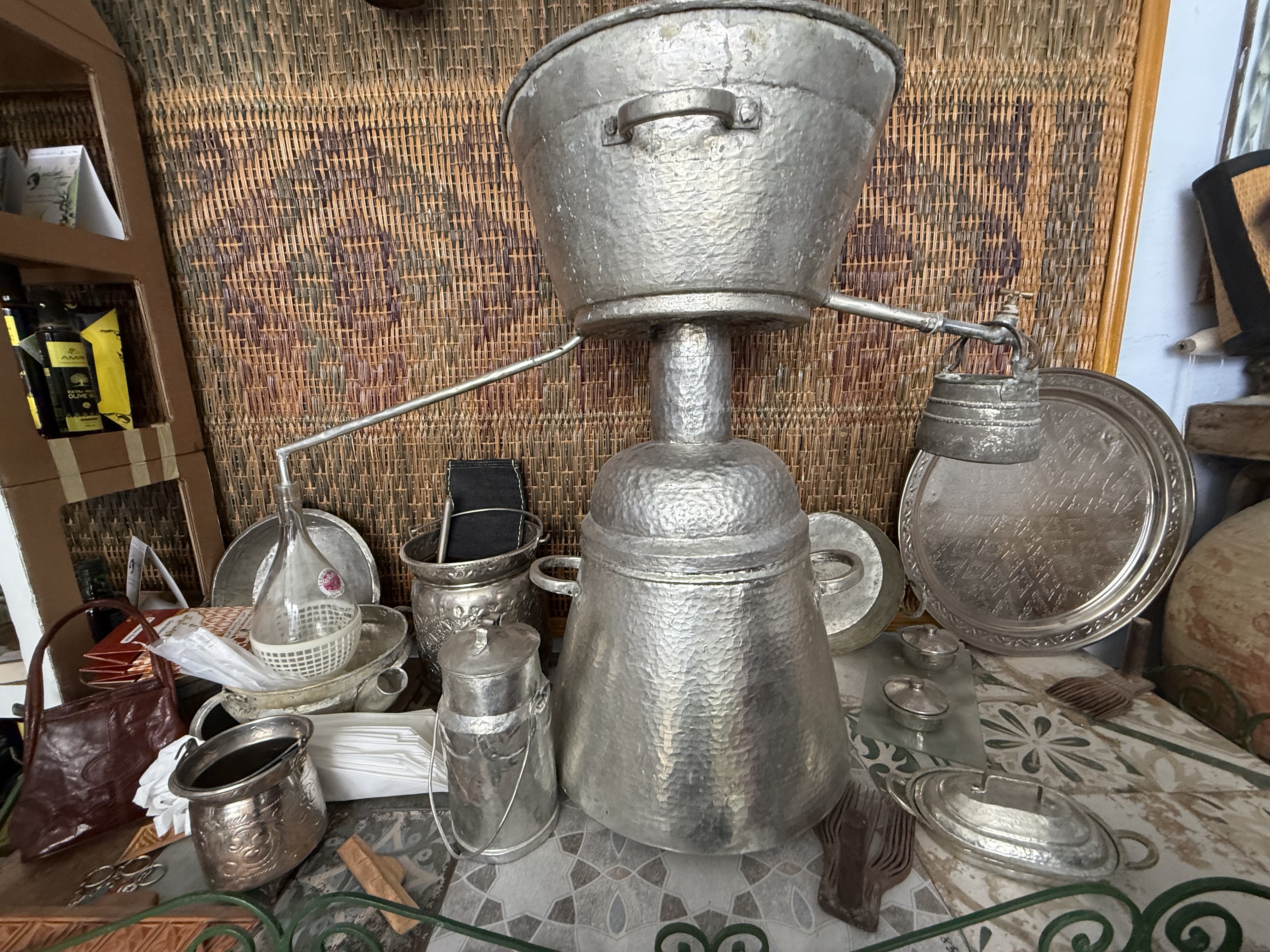
Most families have a large, complicated looking filter contraption in their home.  The “machine” boils the petals. Filtered flower water, essential for Tunisian pastries and more, drips out.  (More on flower water in a future post on Tunisian food and a pastry making session.) 

Selecting flowers and petals for flower water

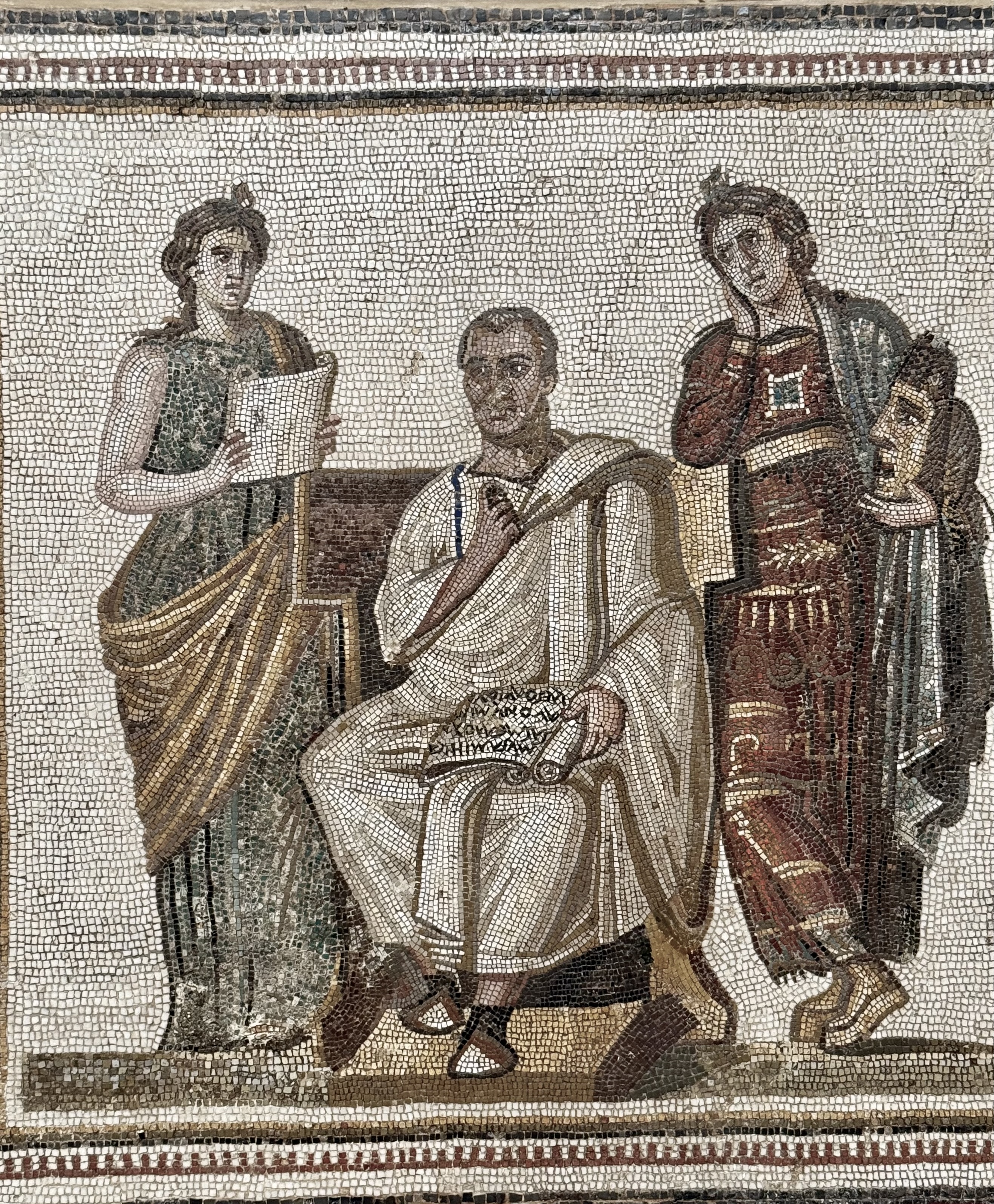
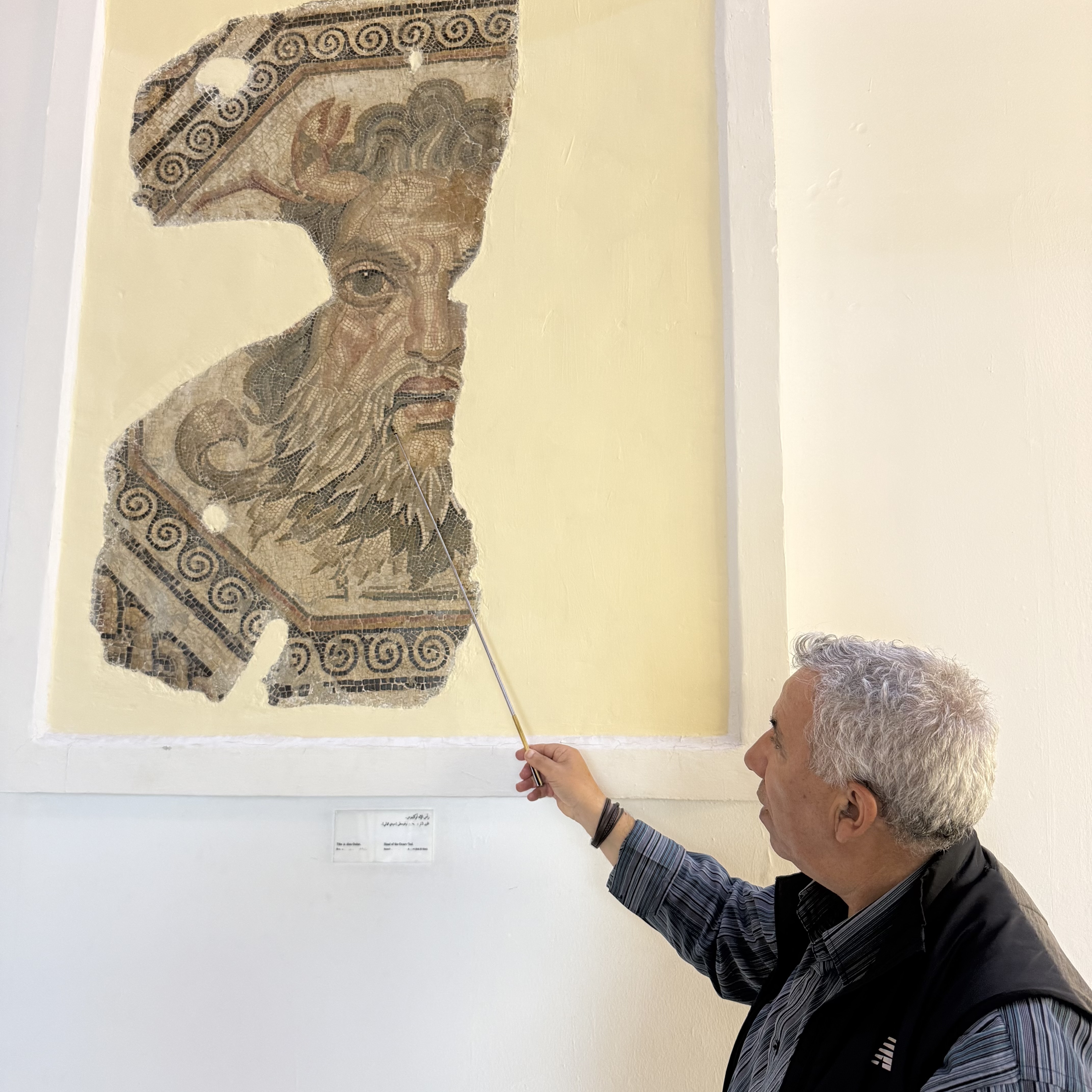
Ancient Roman mosaics are a major Tunisian attraction, thousands displayed in museums.  I saw small parts of vast collections at the Bardo museum in Tunis and the archaeological museum in Sousse.  Many are in excellent condition, despite being 2,000 years old. At the time, North Africa was part of the Roman Empire, but the artists who made the mosaics were Africans, not Romans, a proud Tunisian pointed out.  The mosaics were buried under sand which preserved them.   Best visit with a guide who will lead you to the best and provide fascinating explanations.

400 ancient mosaics are displayed in the Bardo Museum in Tunis.

Due to an unexpected hospital stay (see previous post, The Trip that Almost Wasn’t) my travel itinerary was altered.  Instead of heading south, I stayed in the north. Towns visited: Tunis, Carthage, Sidi Bou Said,  Sousse, Kairouan, Hammamet, Nabeul – all lively and  thriving.  Less thriving are some of the dusty country villages.   

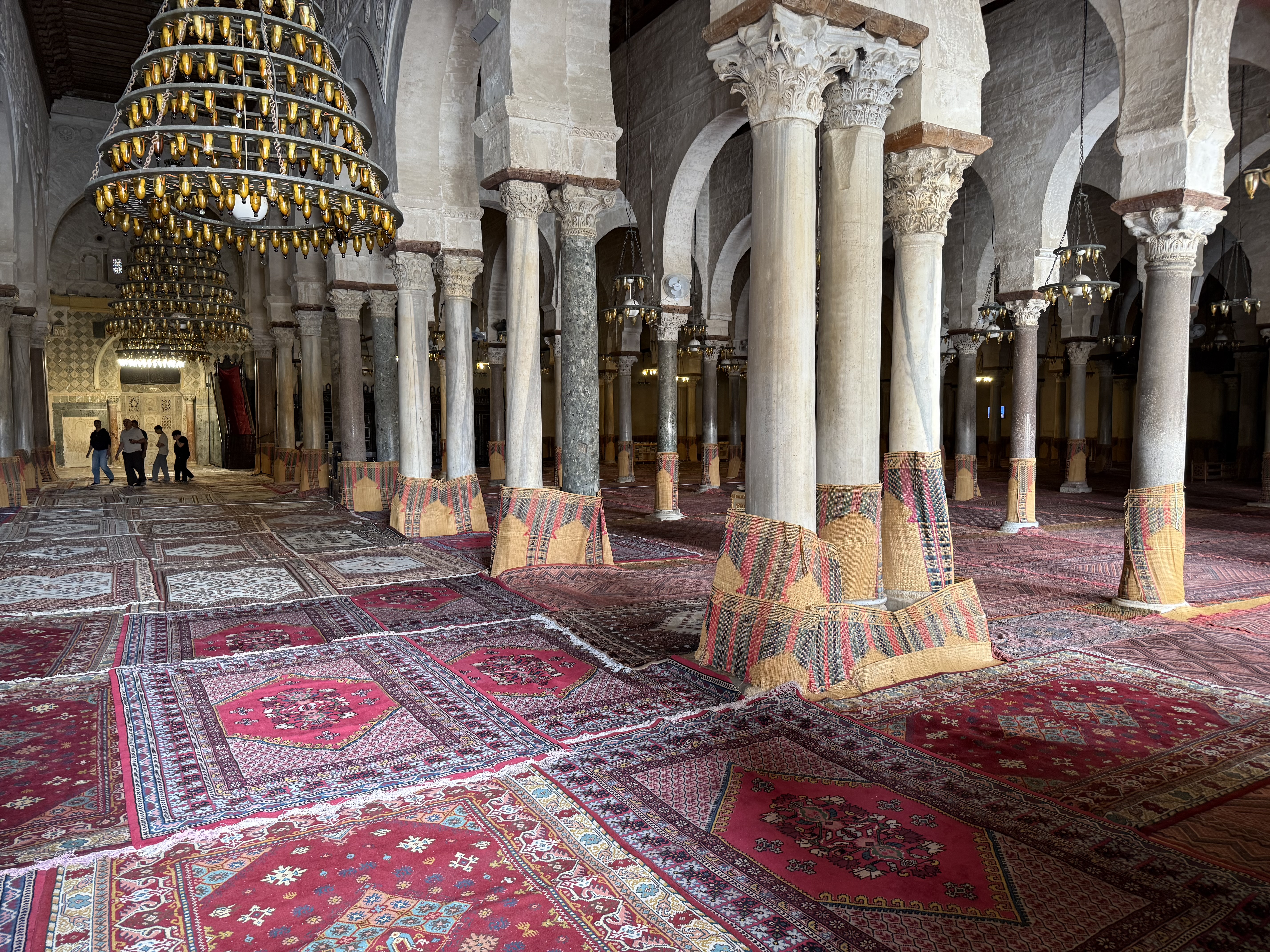
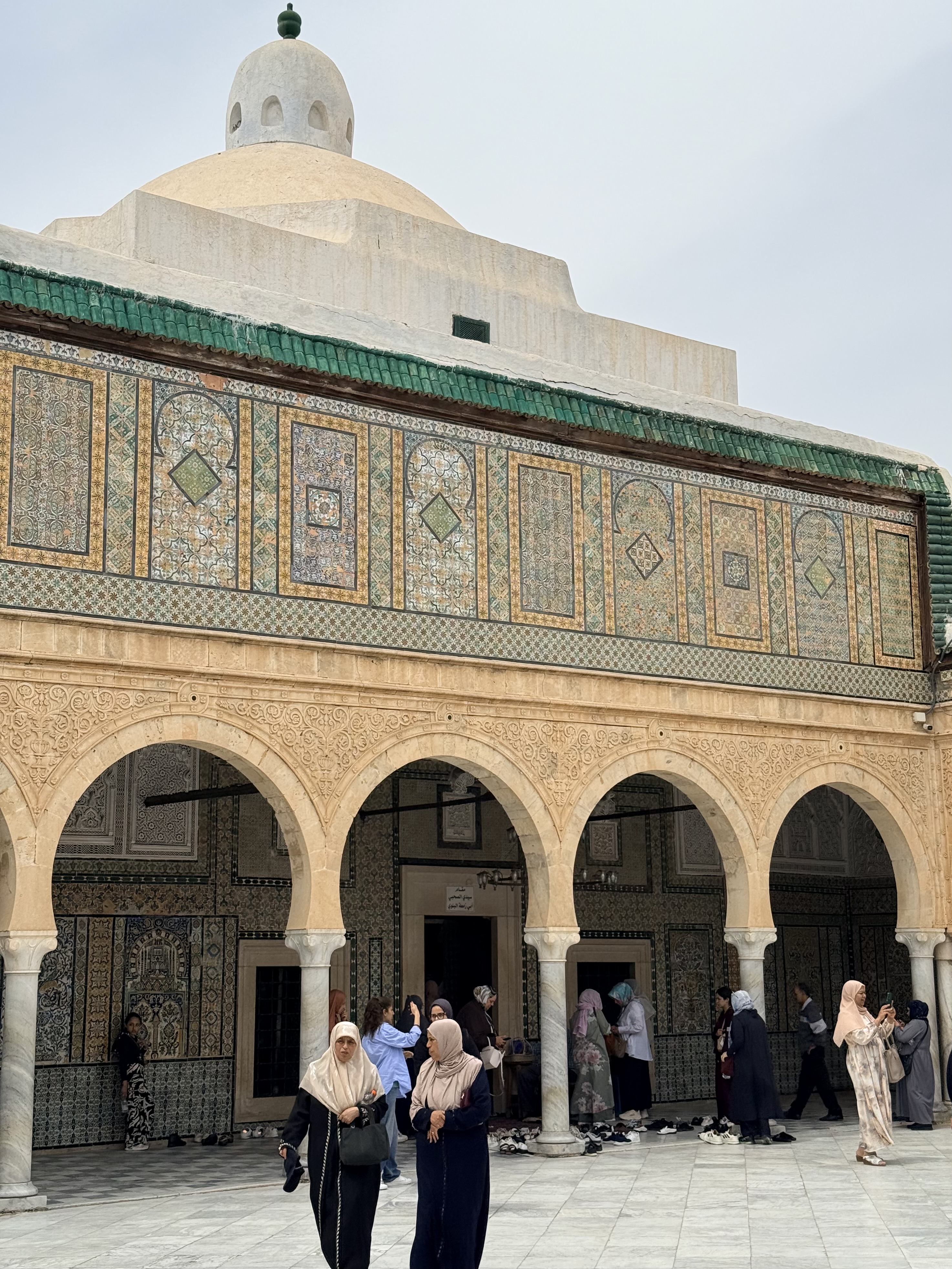
Only Muslims can enter mosques, but at the Grand Mosque in Kairouan, a guard  happily takes visitors cell phones for indoor photos from the entrance.  You can also peek through bars covering windows of this major Islamic monument whose origins date to the 9th century.

Interior of Grand Mosque with handmade prayer rugs

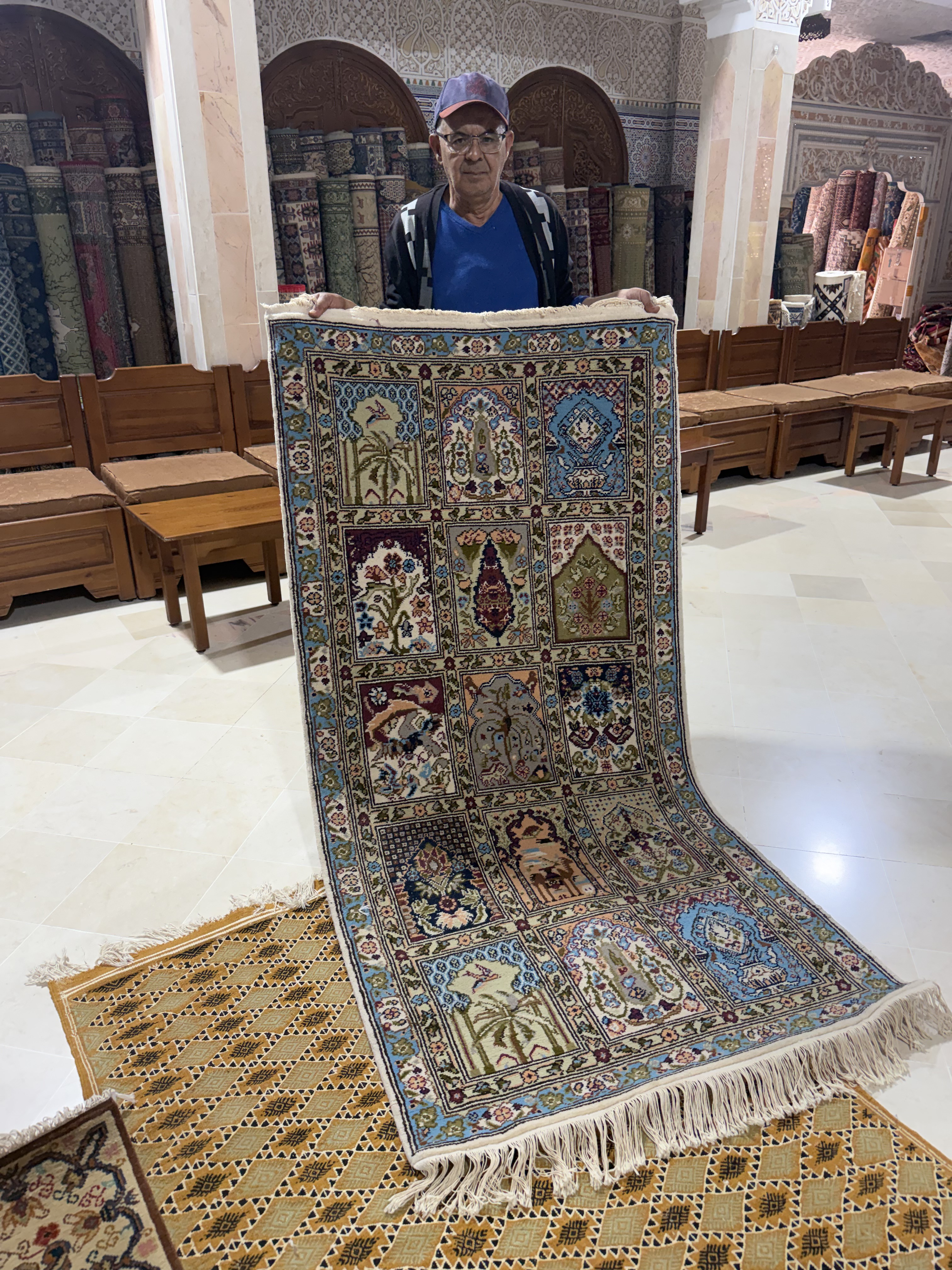
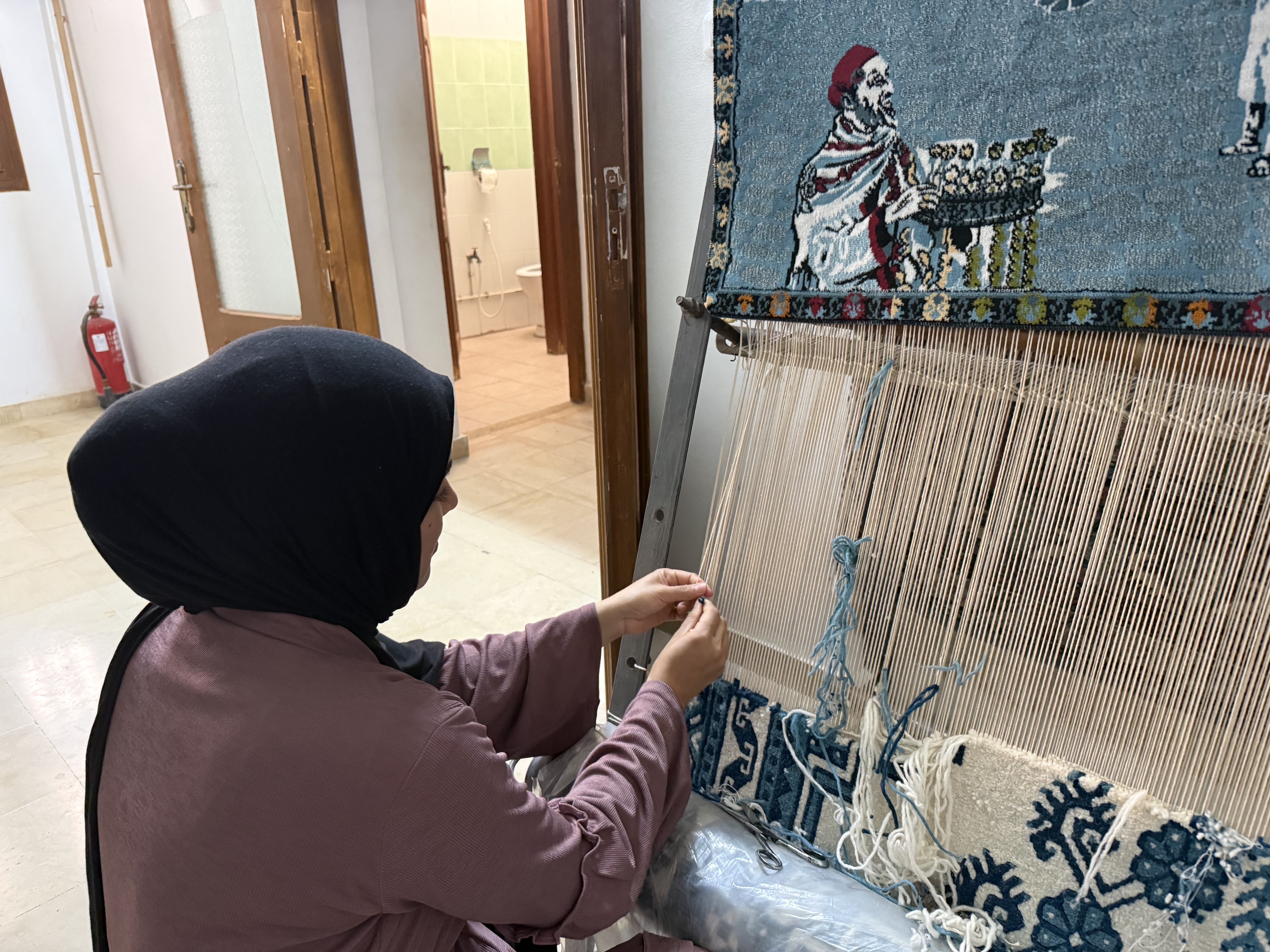
The interior is enormous, covered with carpets, beautiful handmade carpets for which the town is famous. I visited a carpet shop and learned that even today women make the rugs at home and offer them to the mosque.  And, sell them  to shops where they are a hot item for tourists.

Carpet making is tedious, hand tying thousands of knots and can take many months for one carpet. Cost for a 7’by 5′ carpet from 9,000 euros.

Roads around major Tunisian cities are impressive — in many places five lanes in each direction. Country drives lead through vast areas of green hills and past fields and fields of olive trees, much smaller and younger than the olive trees around me in southern France. Mondher said Tunisian olive oil is renowned and great quantities are exported to Spain where it is sold as Spanish olive oil.  Fact or fiction?

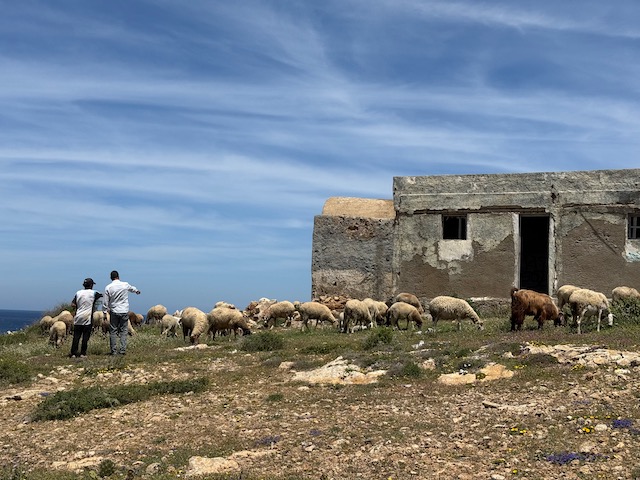
Where were all the sheep?  Tunisians eat lots of lamb, but I had not seen the animals –  until I was on a drive around Cap Bon and the northern tip of the country. Voilà- a shepherd and his flock on hillside. We stopped. Mondher got out and had a lengthy conversation with the shepherd, inspecting the beasts.

Eid-al-Adha, the Festival of Sacrifice, was approaching. It commemorates the prophet Ibrahim about to sacrifice his son to God, until God intervenes and substitutes a ram.  Muslims in Tunisia celebrate the feast and many slaughter a lamb/sheep on that day.

Cap Bon, Tunisia’s northern coast, just 140-160 kilometers from Sicily.

Mondher, who intended to kill a lamb on the holy day,  reported that these sheep were too expensive (Fortunately – we did not have to take one home),  but the meat would be “good quality.” Too gruesome for me — and  driver Faouzi who said he had never killed a sheep, and never would.

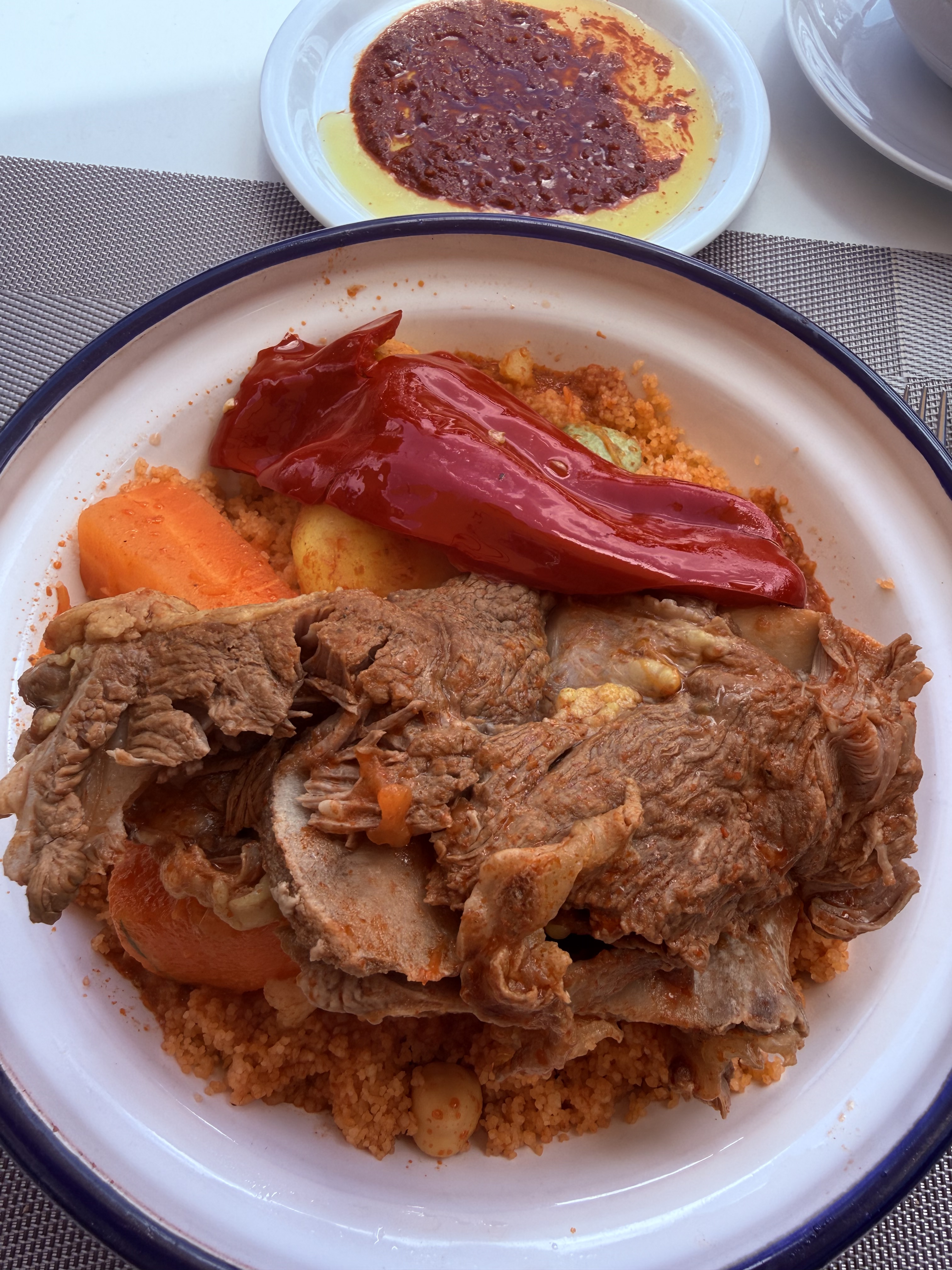
On another drive we stopped  at a  special butcher so Faouzi could buy camel meat, not, however, for the above feast.  He says it’s much less expensive than lamb, but good for a family couscous.

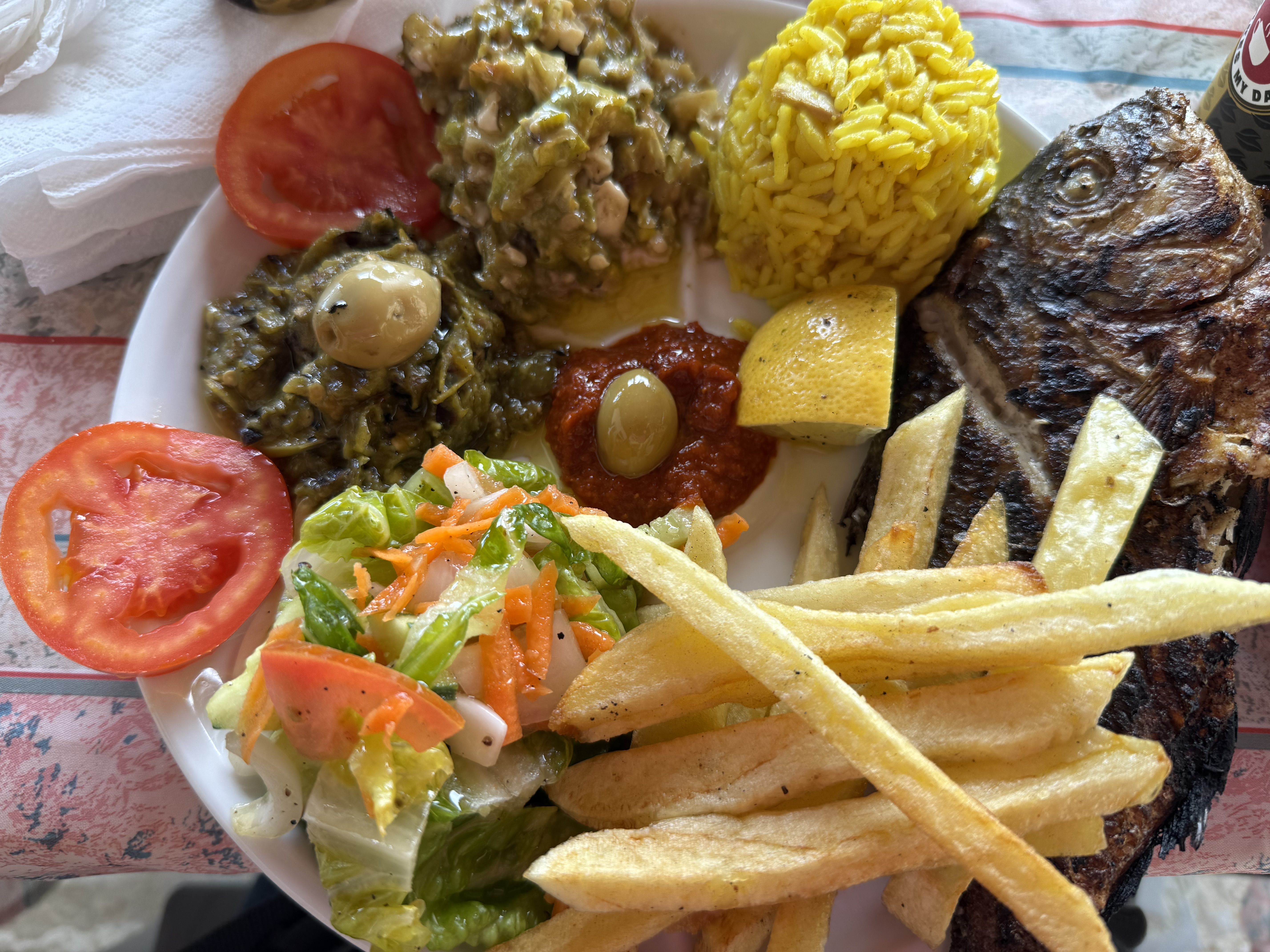
I found restaurant meals reasonable. Grilled fish, fries and more — all for about 9 euros or $1020.

Tunisians spend from 25-35% of their wages on food. Sample costs for meat:

Beef: 45 Tunisian dinar (TND) per kilo (13,5 euros or $15,30).

Lamb: 55-60 TND per kilo ( 16,5 euros or $20.40)

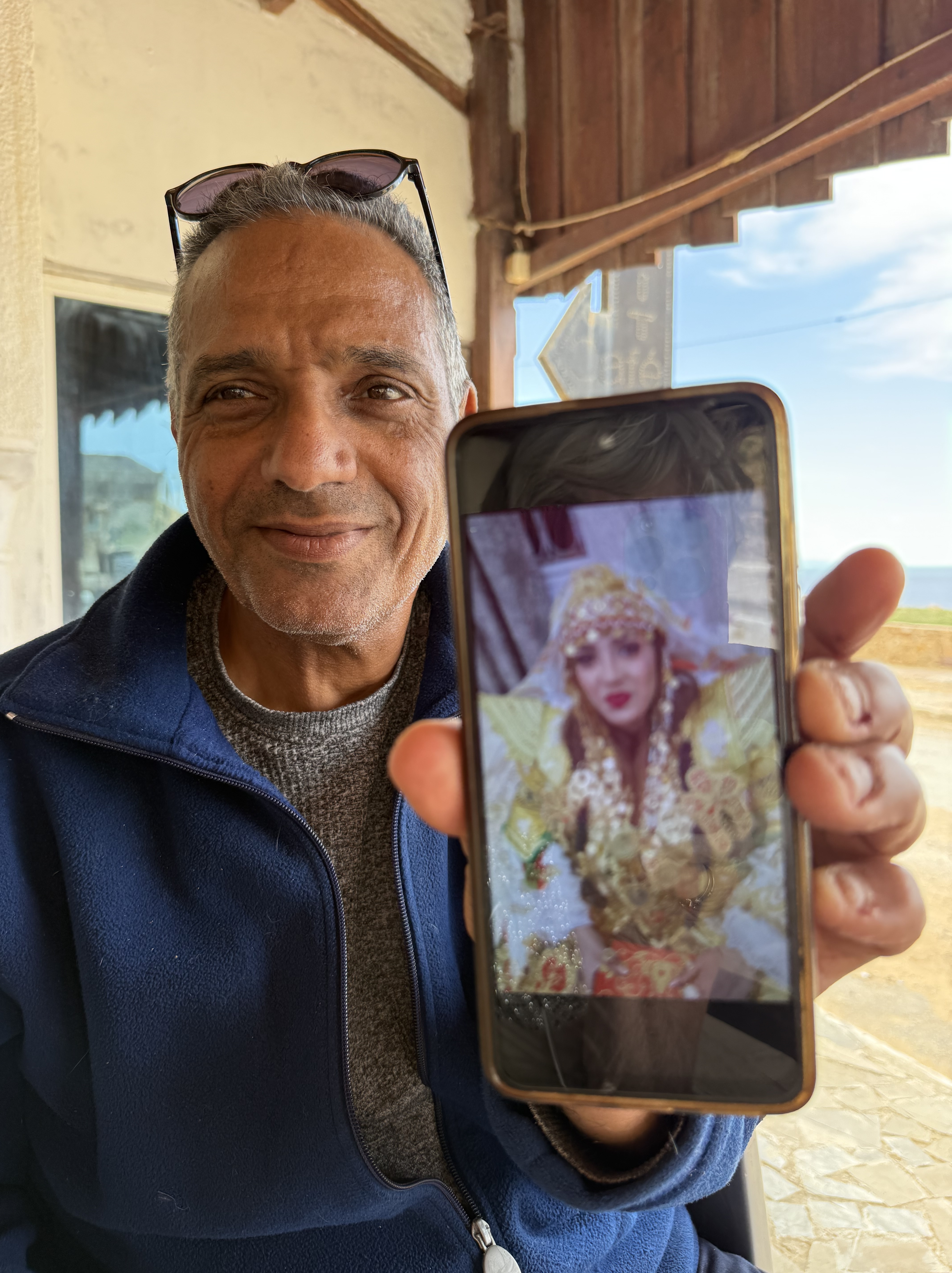
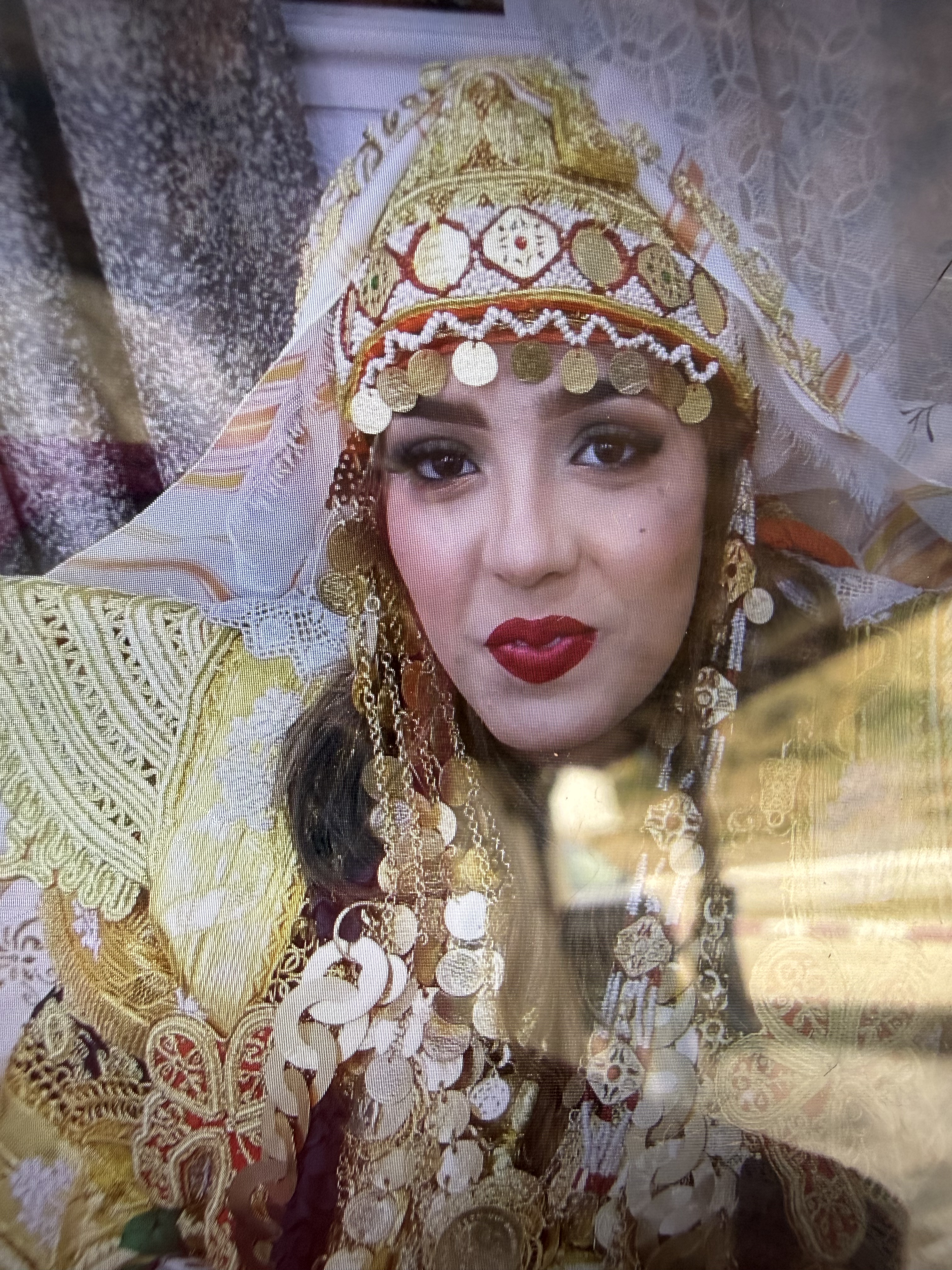
Faouzi proudly shows his daughter’s wedding picture. Tunisian weddings are multi-day events with hundreds of guests.

I am in awe of Tunisia. In Shallah, I will return to discover what I missed in the south. Scroll down for more photos .

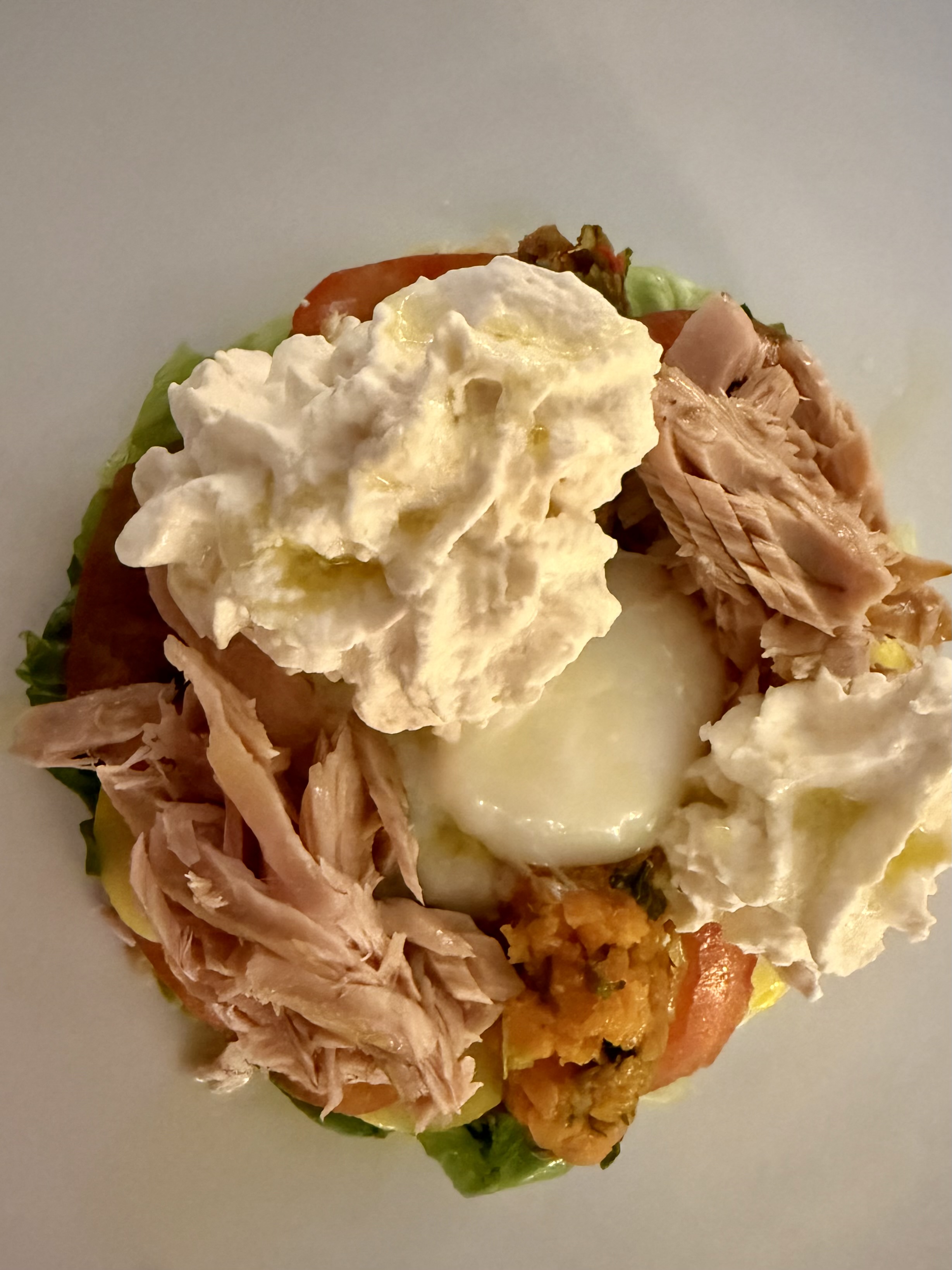
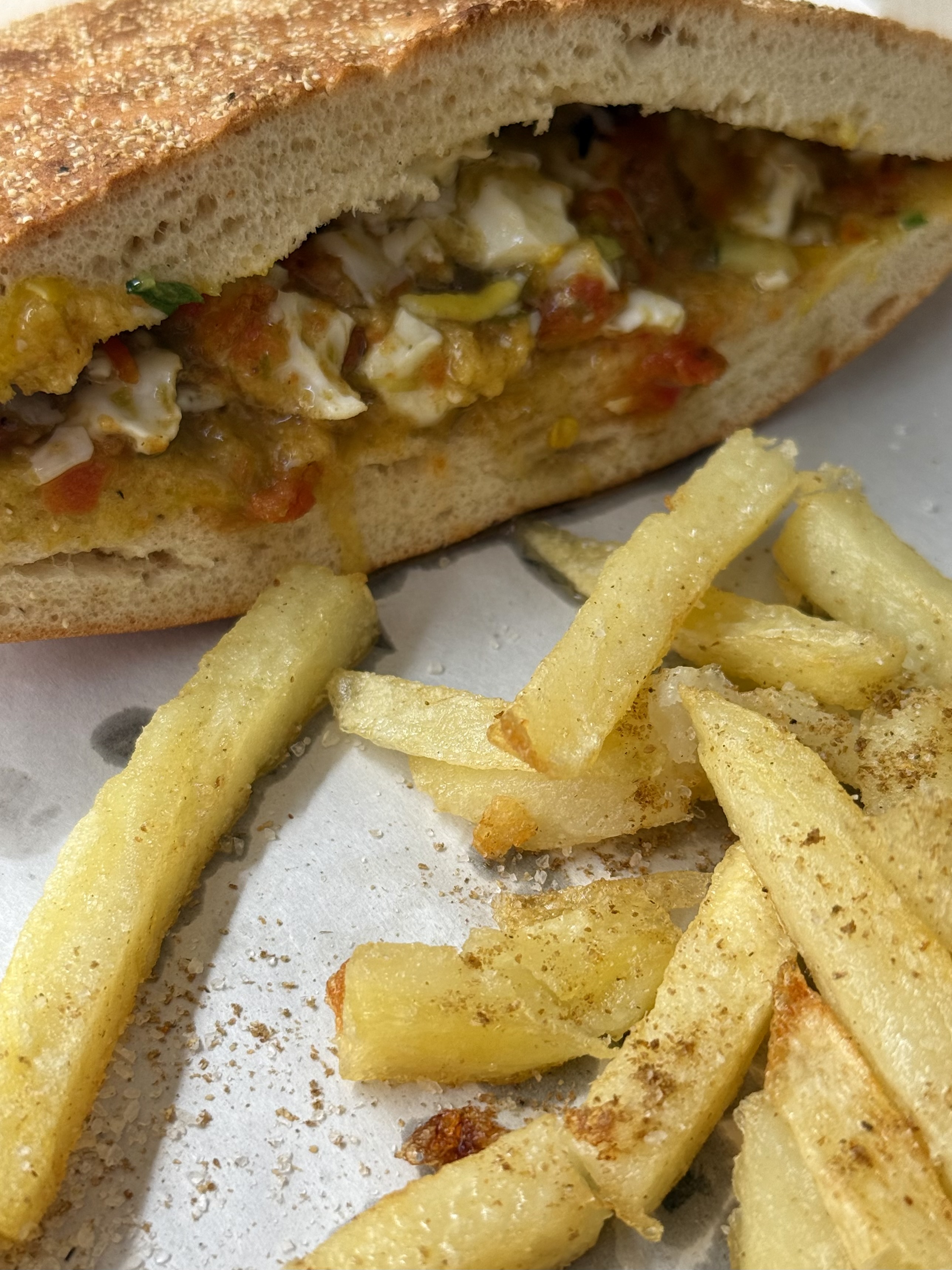
Tunisian food (fabulous ) coming soon. If not a Tales and Travel follower, please sign up here. Trust me. It’s safe. Your address is kept private.

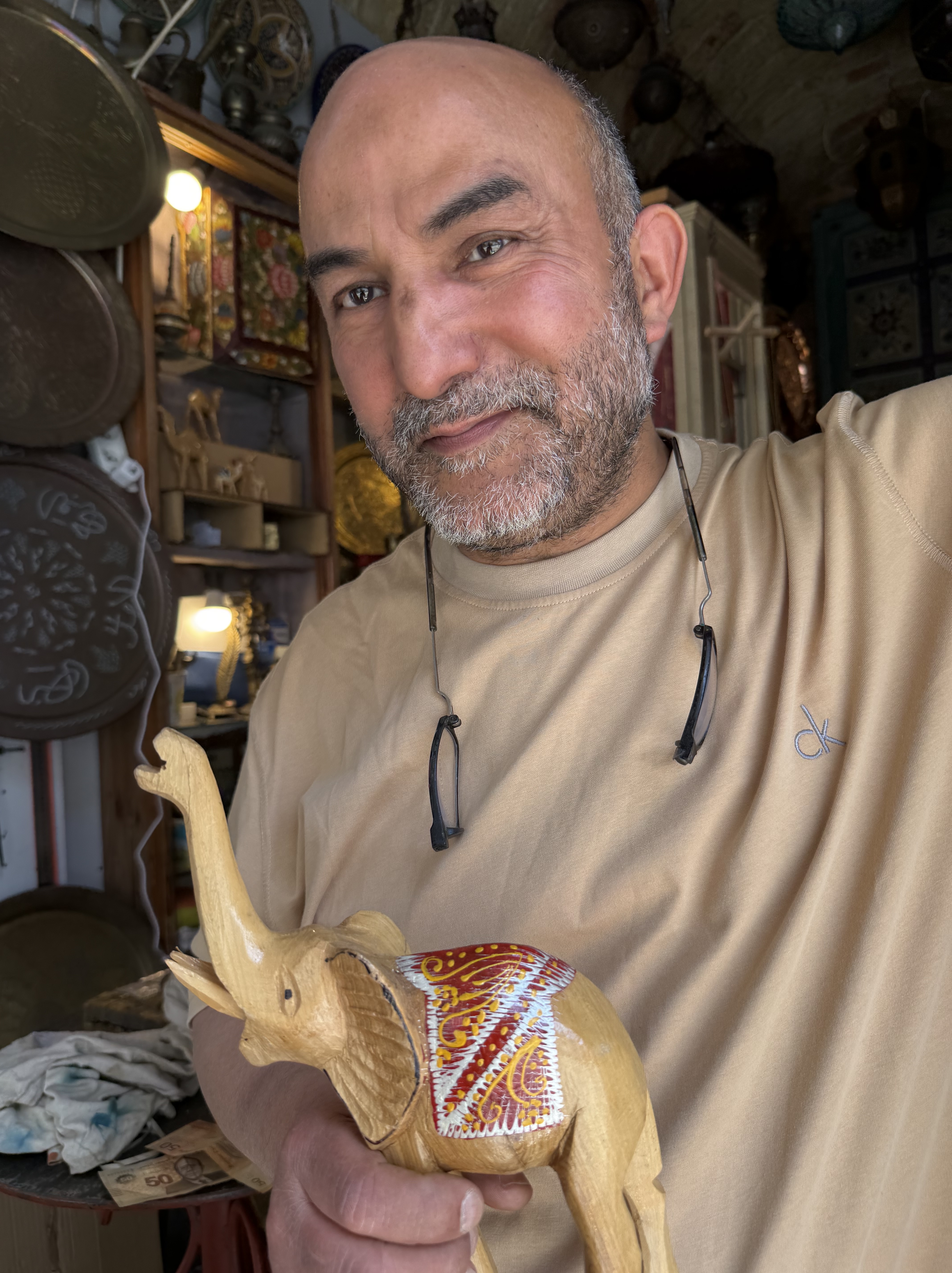
My Tunisian souvenir: Hannibal the elephant His namesake, Hannibal the legendary warrior from Carthage, led his army and elephants from Phoenicia across Spain and France, over the Alps to attack Rome, 218 BC. There are no elephants in Tunisia today.

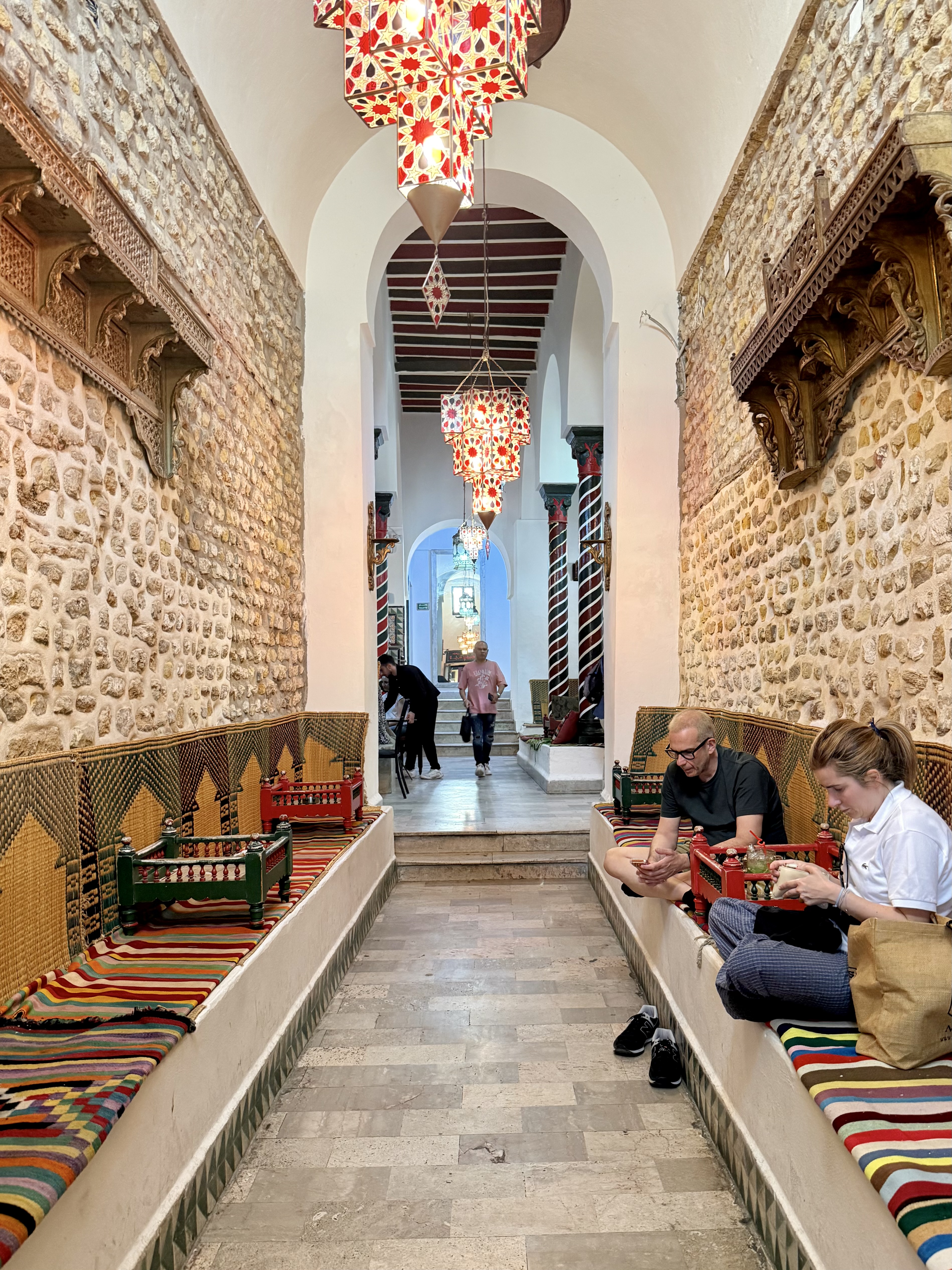
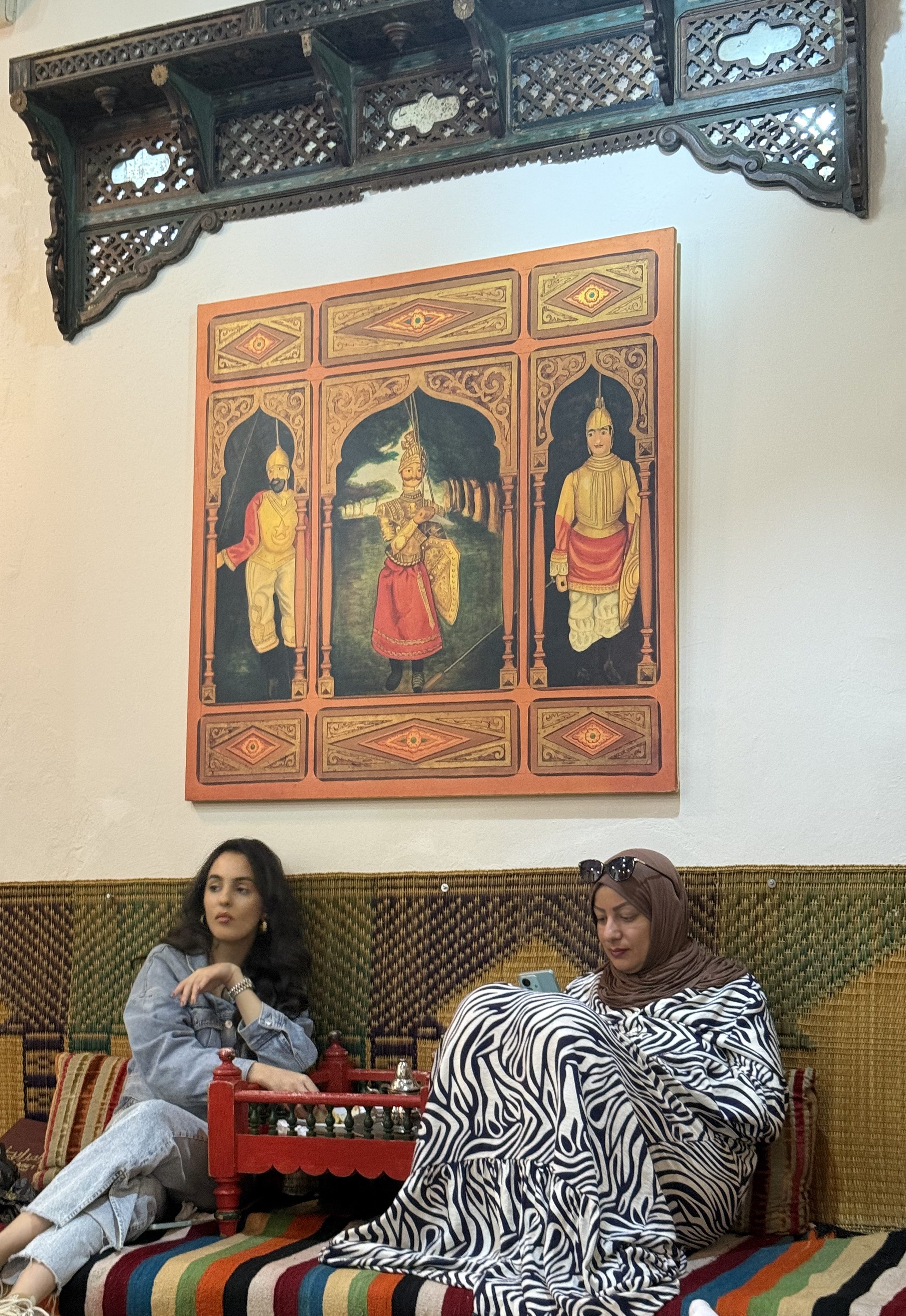
Many Tunisian cafes are ideal for hanging out, relaxing.

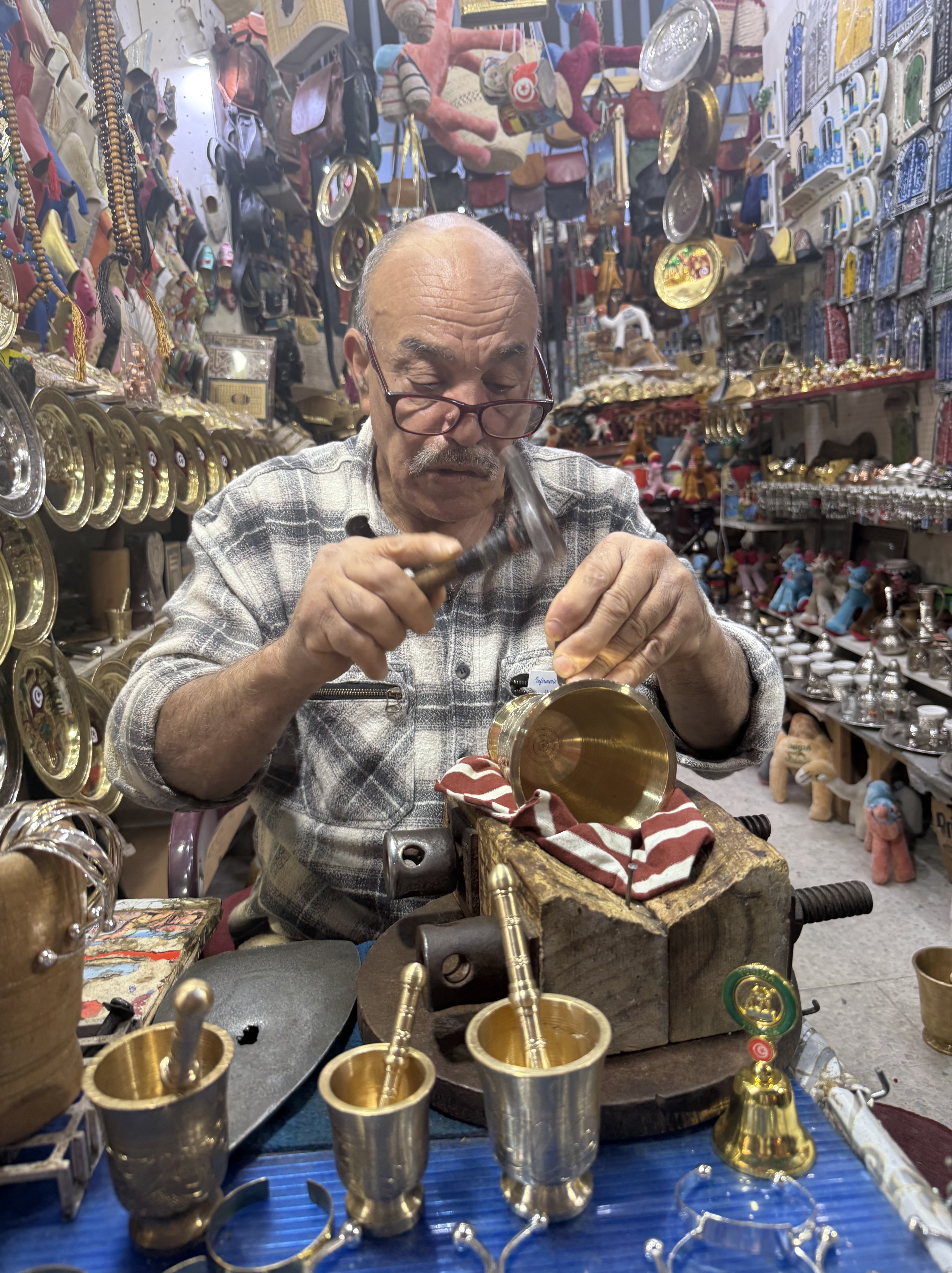
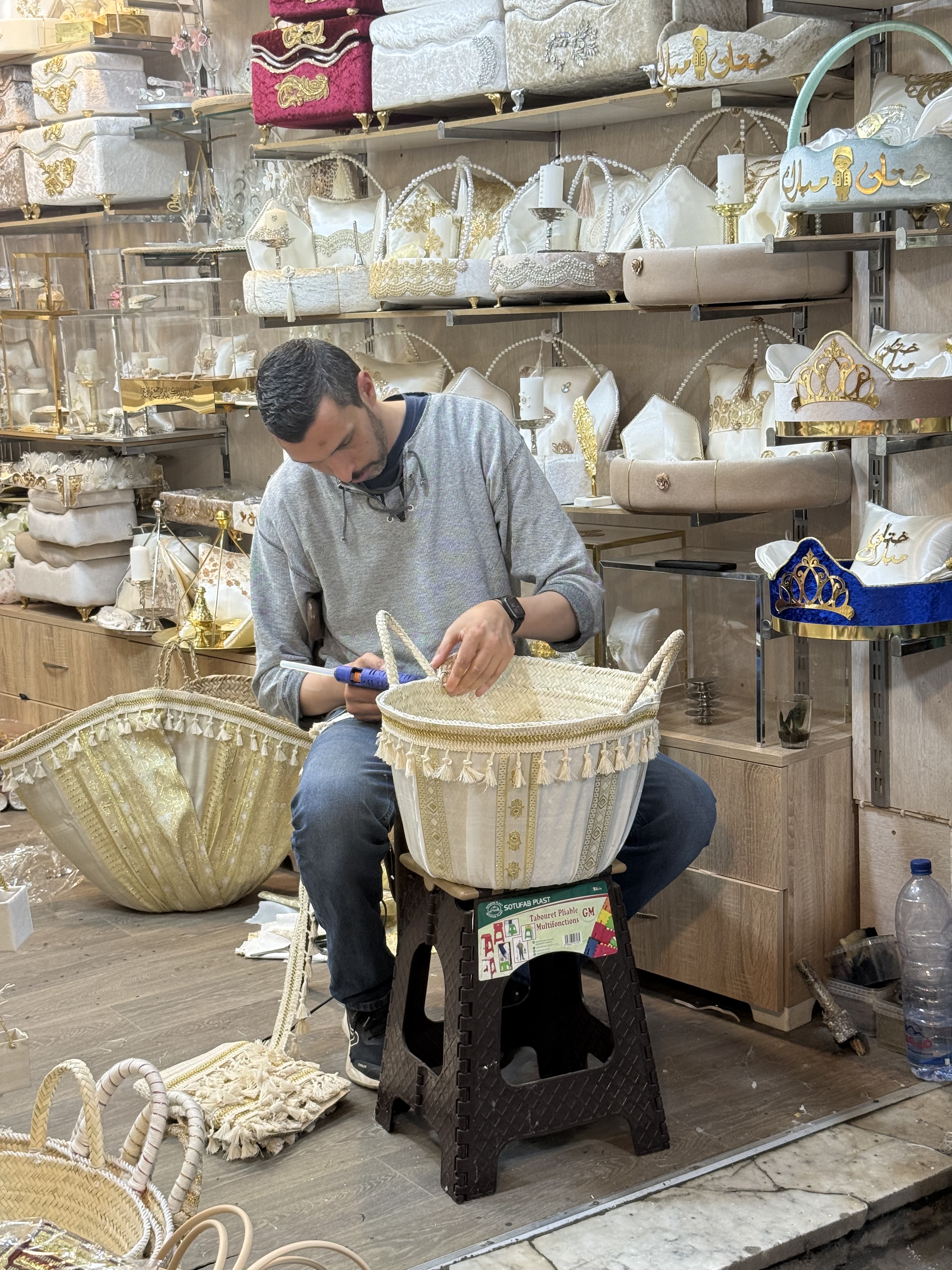
Craftsmen at work in the souks

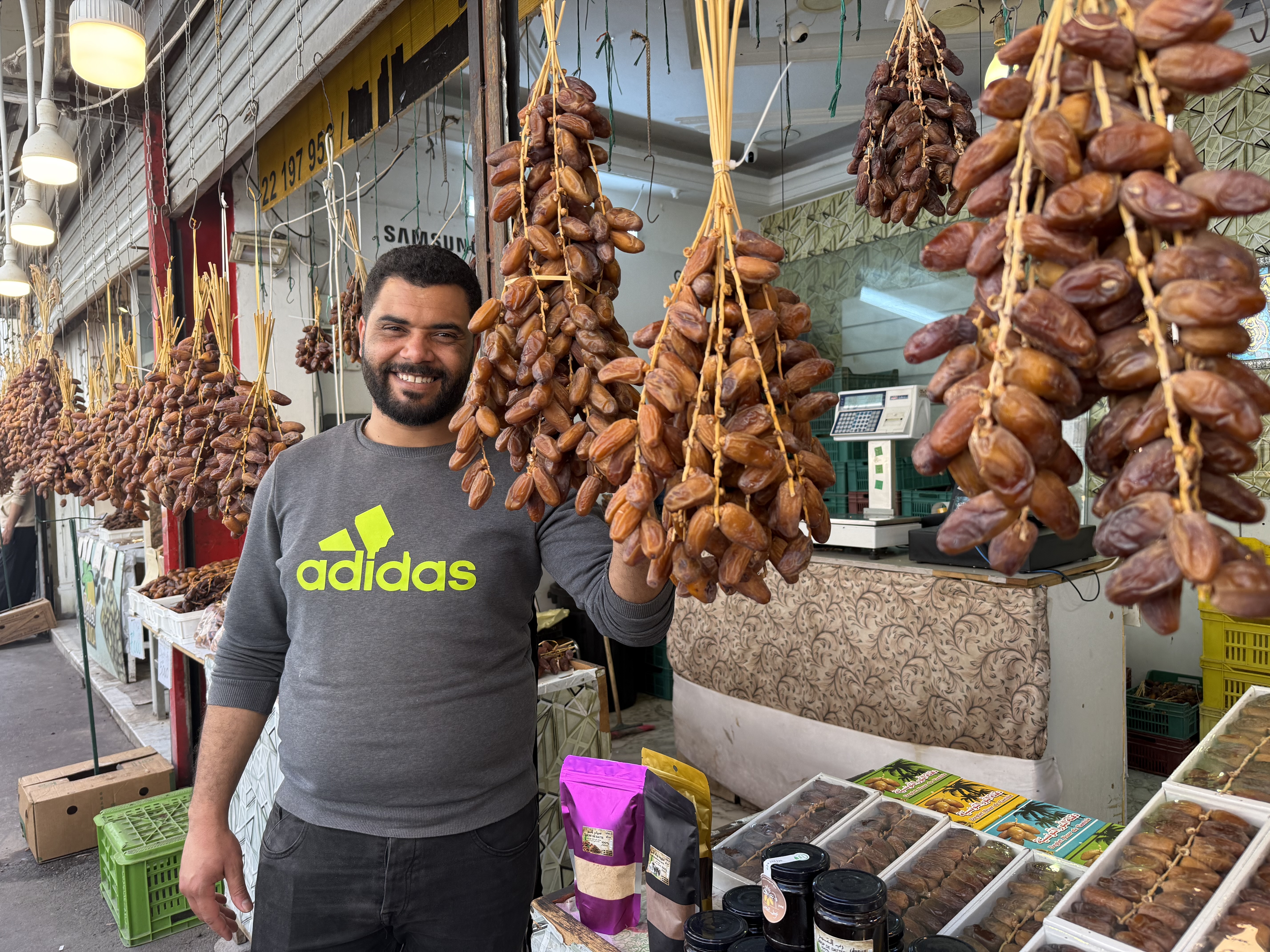
Dates anyone?

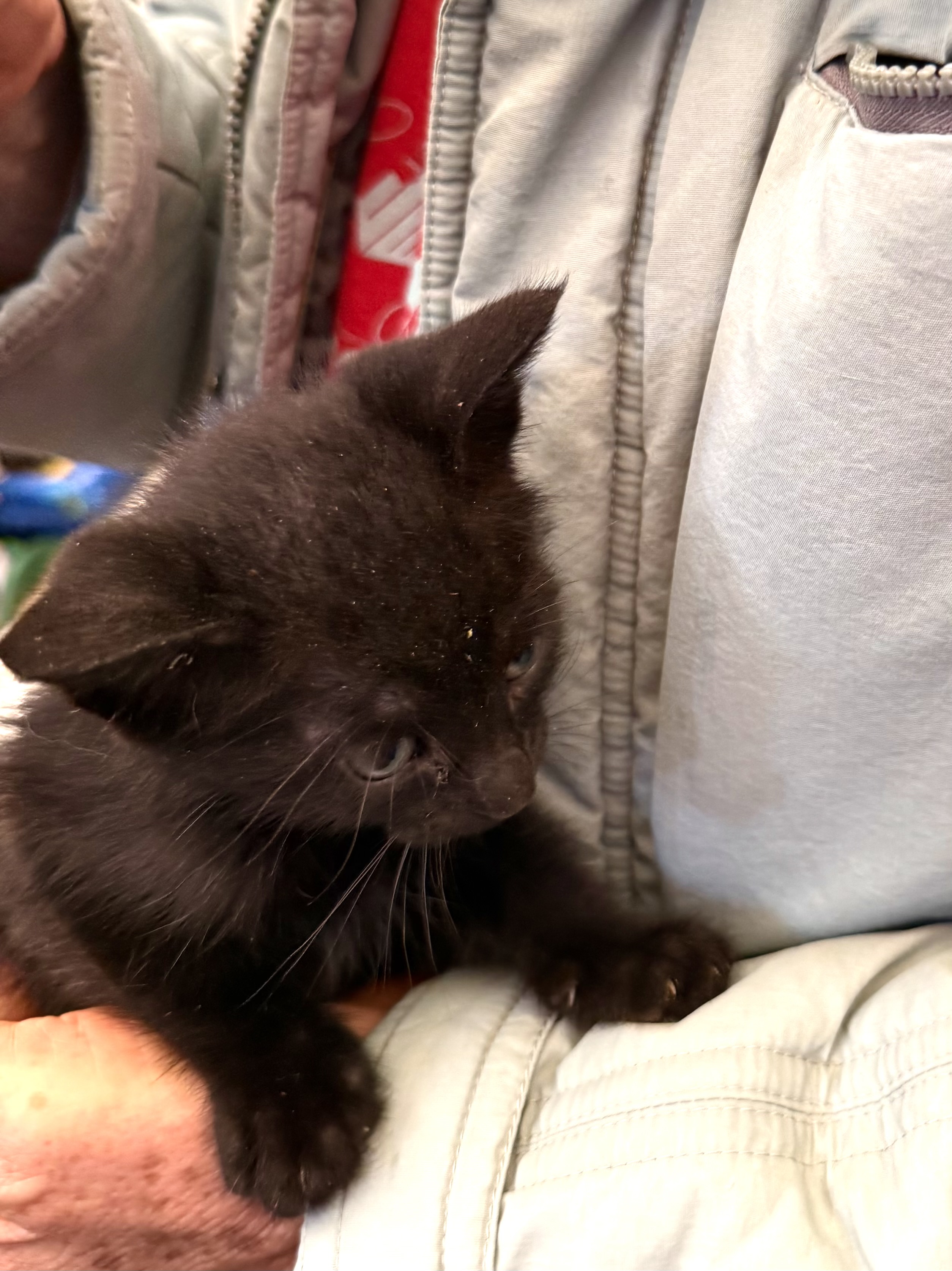
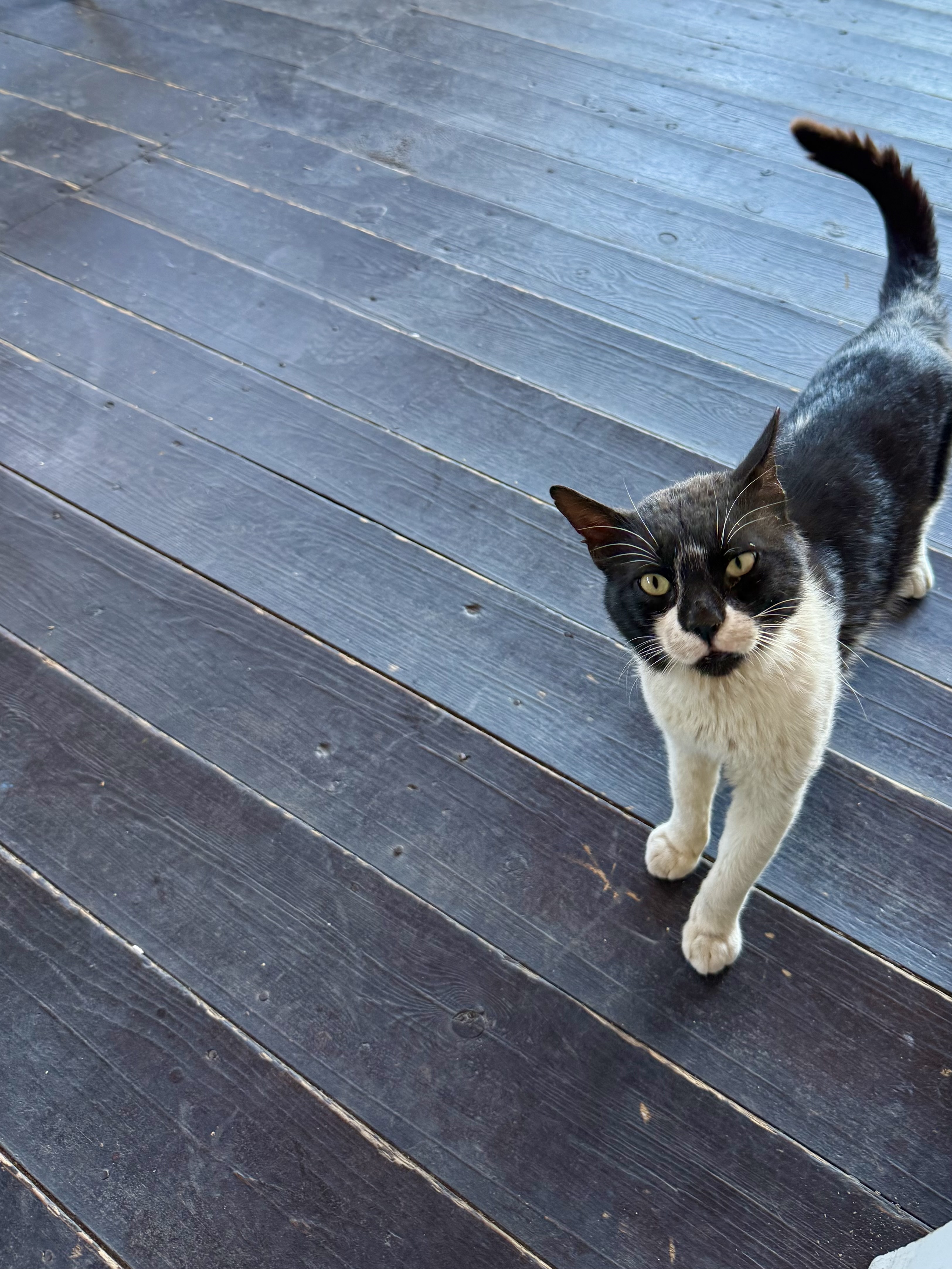
Tunisian felines. They are everywhere. I wanted to adopt them all.

I booked my Tunisia adventure with Worldwide Quest, http://www.worldwidequest.com

Please comment. I love feedback.

Please leave a comment . . .

Your email address will not be published. Required fields are marked *

Spicy Sri Lanka


food.moi
Banana leaves are used as wraps.

“Add a pinch of chili powder,” Iran instructed, then explained that Sri Lankans would add far more, at least 3 teaspoons. That would definitely pack a punch.  But then, Sri Lankan food is not for sissies. It is HOT.  Well, we thought so.


Happy New Year.  Happy Travels. May 2018 be filled with joy, good health, serenity and discovery. 


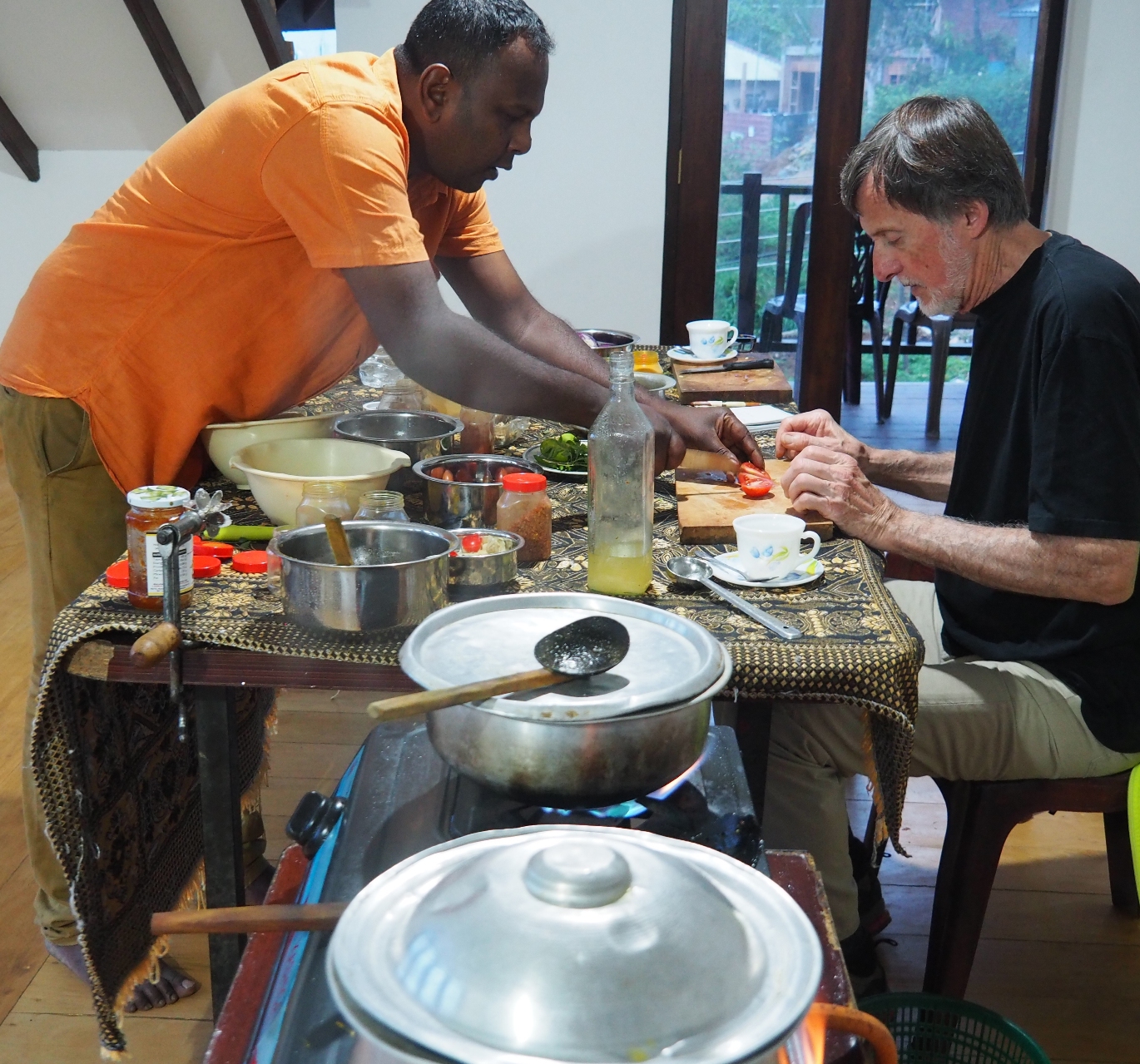
Chef Iran prepared seven different dishes for us at his home near Ella in the Sri Lankan hills where he gives cooking lessons.  We helped…and learned.food,21

He adjusts the spices, i.e. the heat factor, to western palates, he explained.  We had a fabulous meal of all his delicacies which we found tasty and just right on the heat scale.

During our two-week tour of the country, we frequently stopped at simple restaurants where buffets of numerous different dishes are the norm. Nimal, our trusty guide and driver, checked with the kitchen staff, then told us which concoctions to avoid — the ones with a fire factor of at least four hot peppers. There were many.  Even some of the supposedly mild ones were too much for us….maybe we are sissies.

Hotel restaurants which cater to international visitors offer both Sri Lankan favorites and western fare.  Sometimes the Sri Lankan specials are toned down, but not always.  I love to try new and different things.  But, after setting my mouth aflame more than once, I learned to start with tiny tastes.

OLYMPUS DIGITAL CAMERA
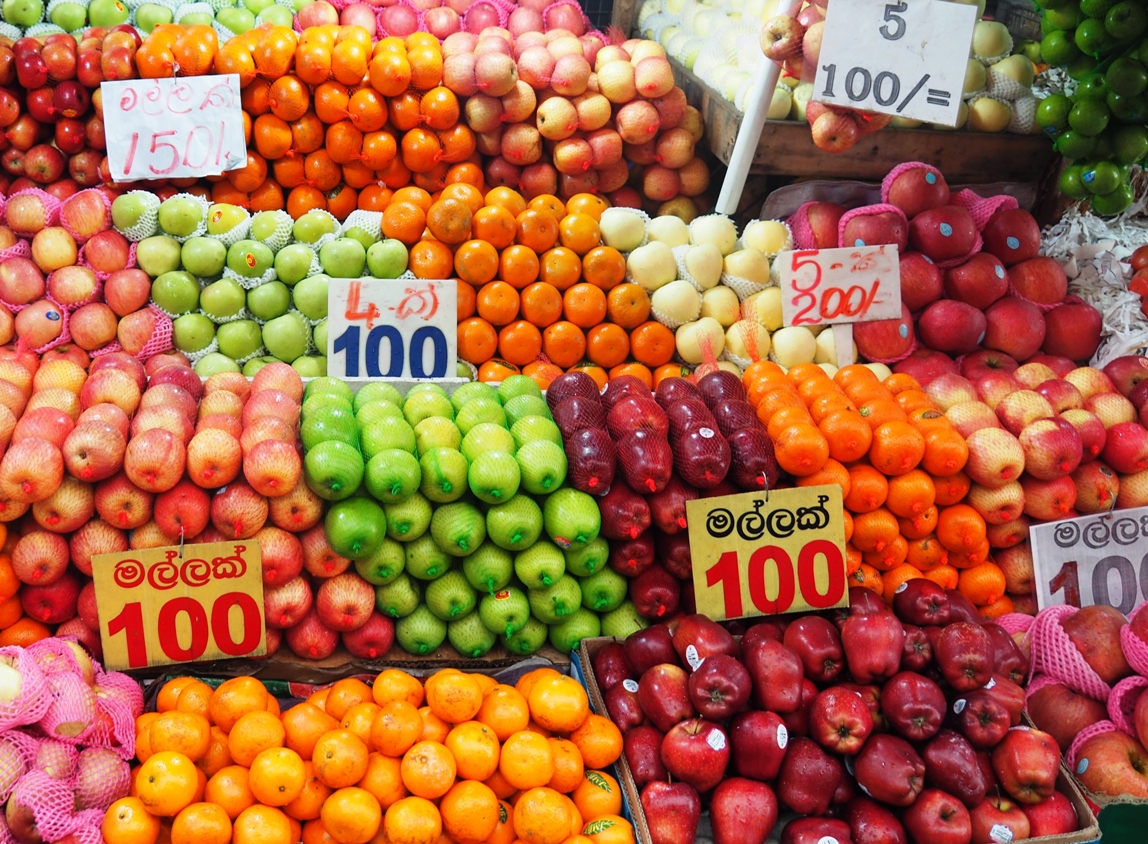
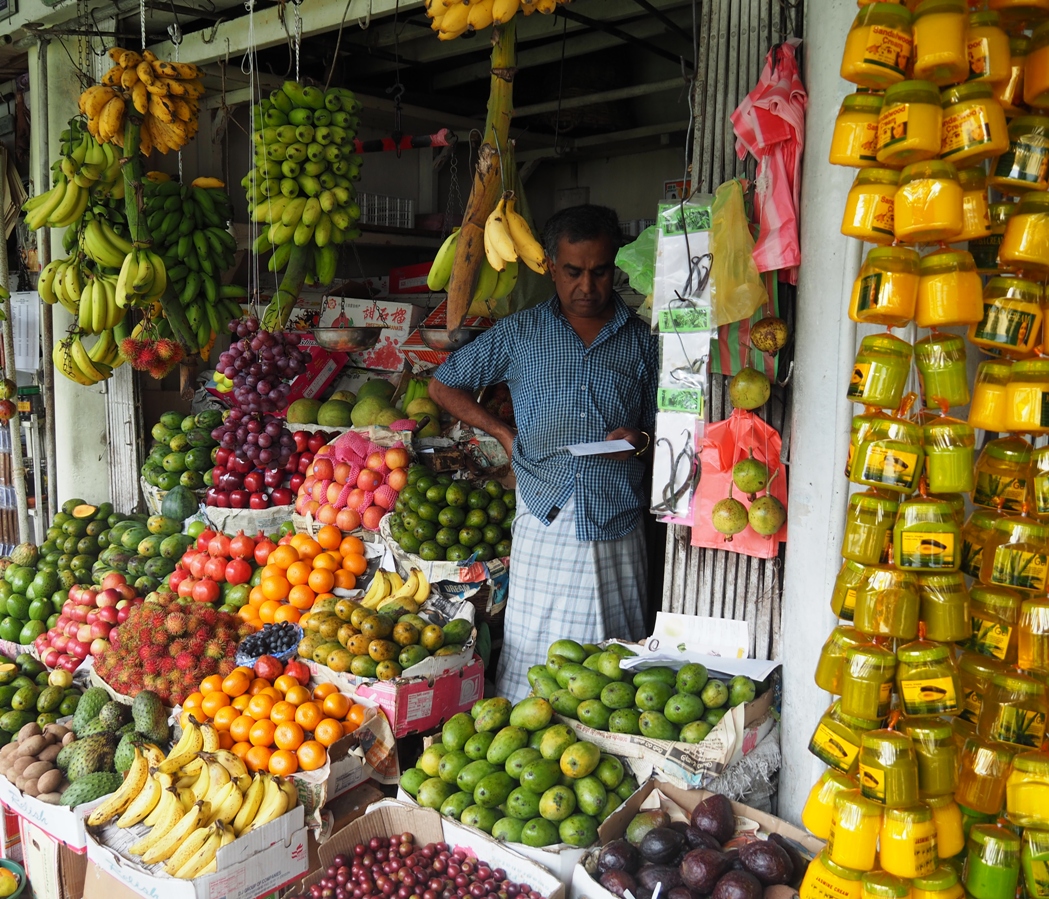
Fruit salad anyone?

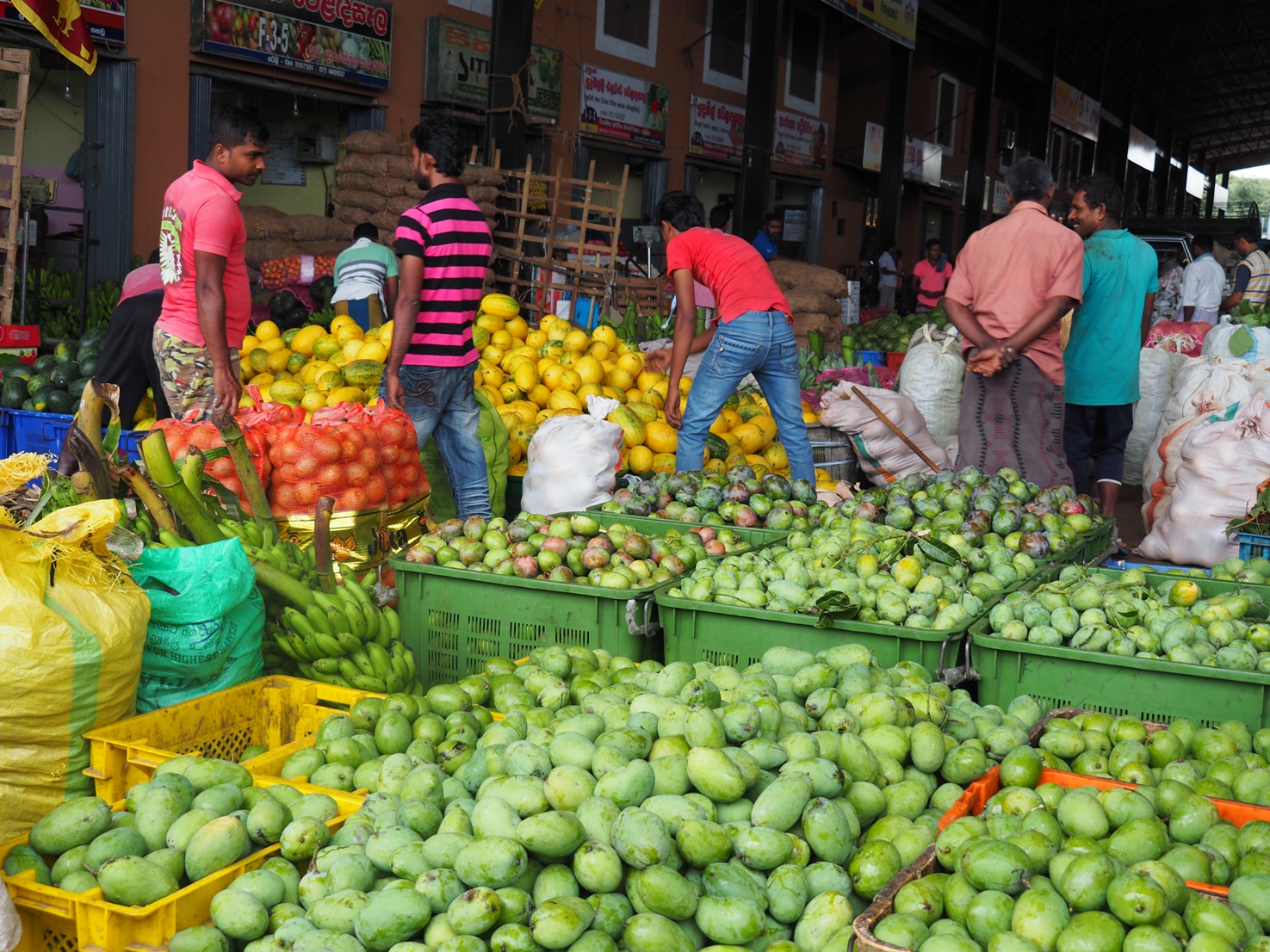
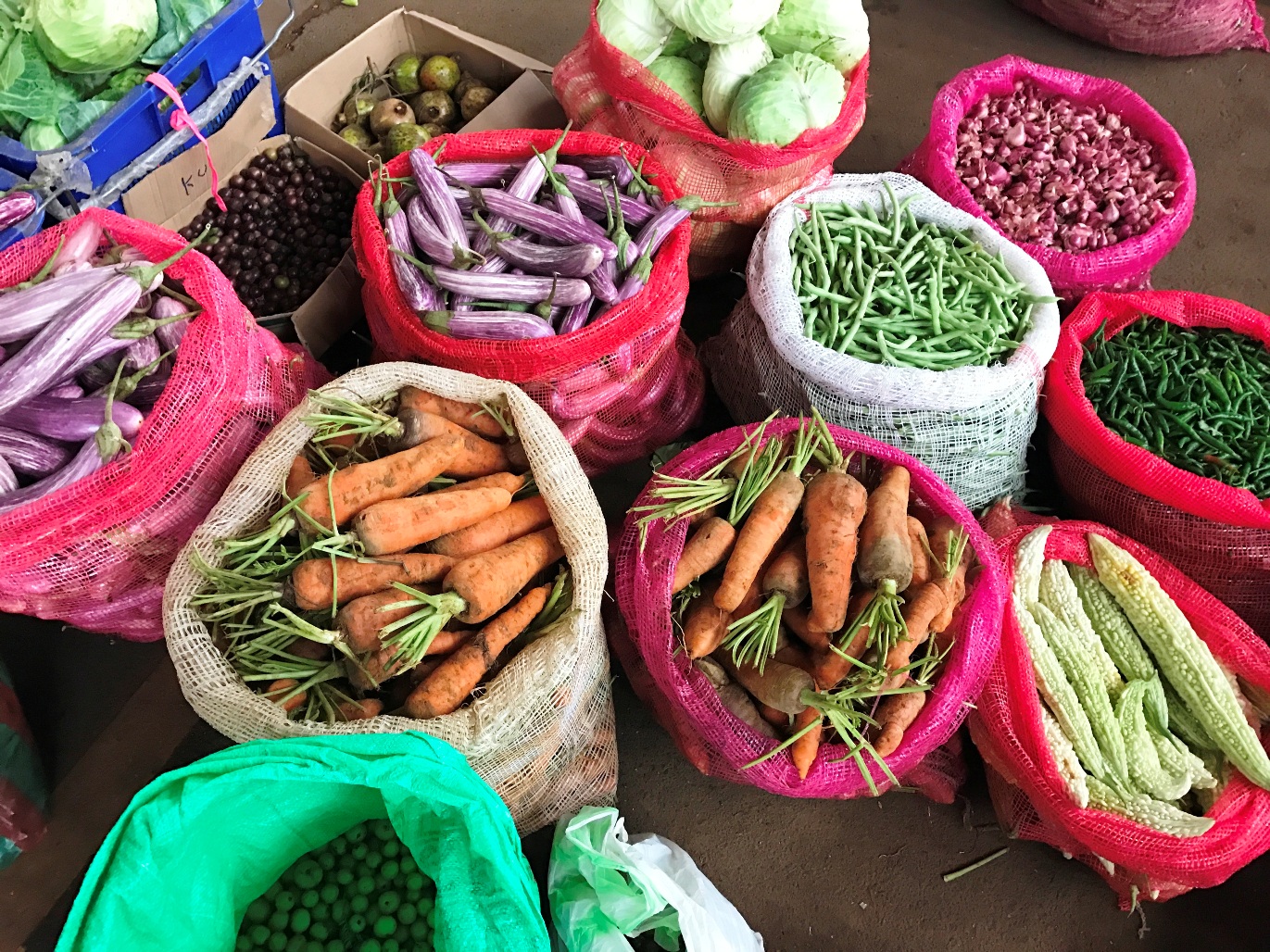
The island nation offers an abundance of fish, exotic fruits, including 20 different kinds of bananas, all manner of vegetables — and spices. Cloves, cardamom, cinnamon, pepper, nutmeg, mace, tamarind and vanilla are among the Spice Island’s noted products. They grow in abundance all over the island in fertile and diverse soil types and varying temperature conditions, and are important export products.

OLYMPUS DIGITAL CAMERA
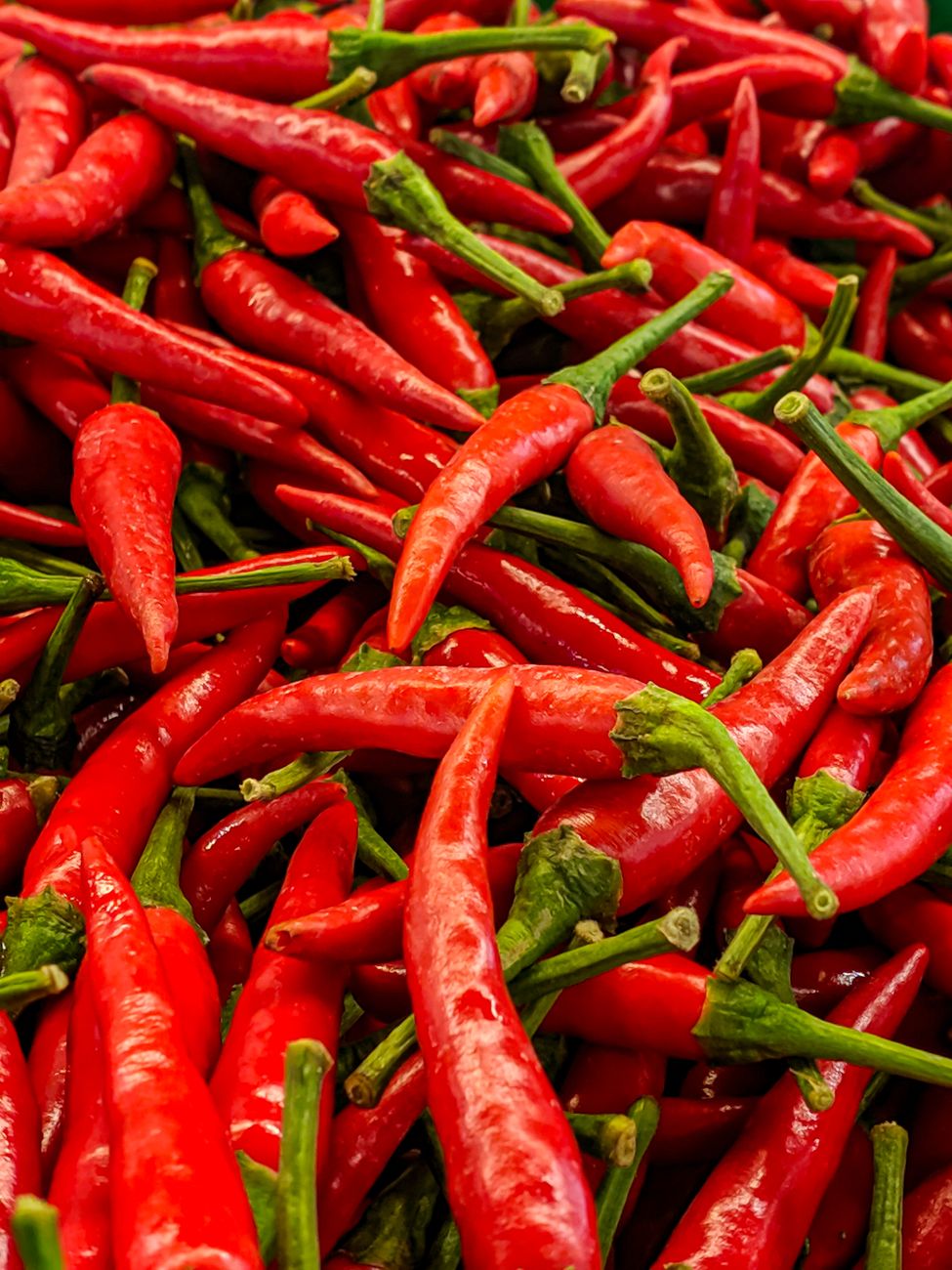
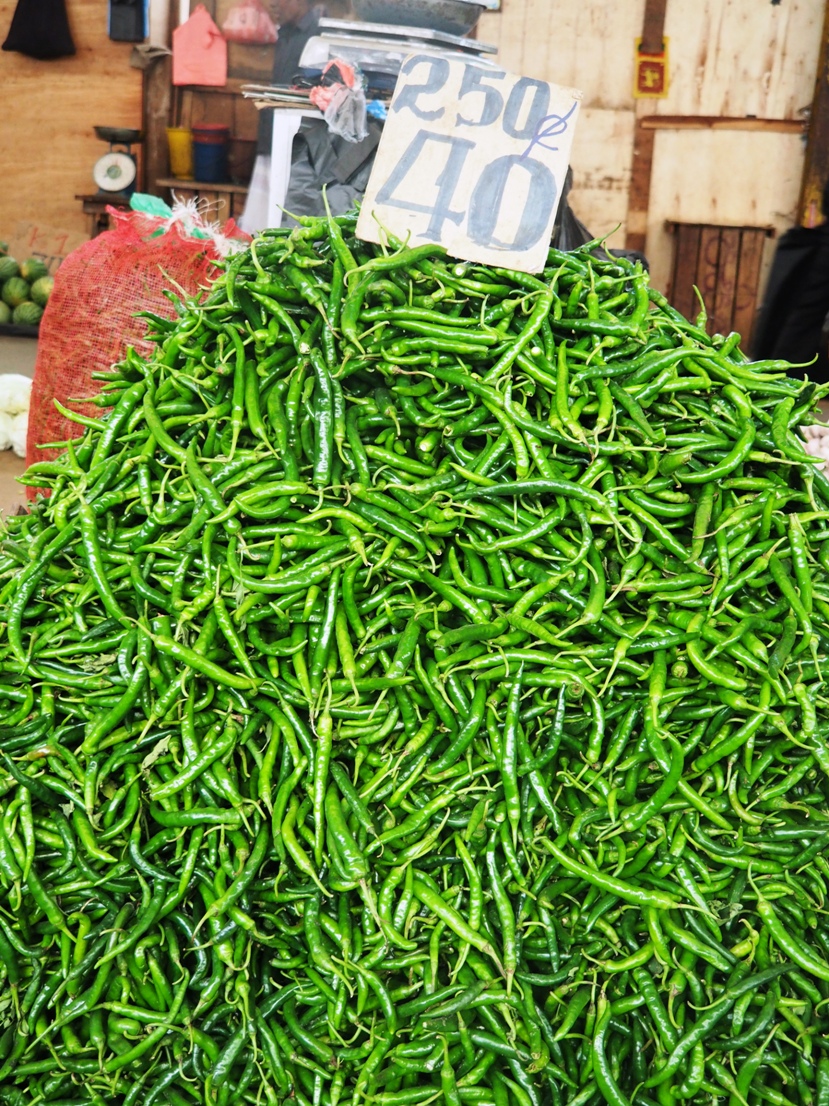
Chilies — a Sri Lankan staple

Yet it is chilies which are the most consumed spice and a key ingredient in the national dish, rice and curry, which Sri Lankans eat three times per day.  The curry can be made with vegetables, meat or fish, usually coconut milk, plus a blend of spices which enhance the dish with intense and exotic flavors.

OLYMPUS DIGITAL CAMERA
Bob gets slicing  instructions.

We helped Iran dice and chop to prepare three curries: bean, dahl (lentils) and chicken.  He also made aubergine moju, deviled potato and fresh coconut sambol. The latter is a condiment made from ingredients pounded with chili.

OLYMPUS DIGITAL CAMERA
These chilies have plenty of fire power.

His classroom is simple, a table and two gas burners.  He cooks in coconut oil and makes his own curry powder, a blend of coriander, cumin seeds, curry leaves and cinnamon. He roasts both curry powder and chili powder to give a smoky taste to certain dishes.

His mother taught him to cook, he says, and he is delighted to pass on her knowledge, skills and secrets to eager visitors, like us, from around the world.  Not all take cooking lessons.   “Guides bring guests here for a homemade meal, traditional food.  Sometimes there are groups of 15 or 16.”

Sri Lankans eat their main meal at lunch.  While restaurants offer numerous dishes, “at home we only have rice, one vegetable and one meat, not five or six different ones,” Iran said. When eating, Sri Lankans usually mix all the different preparations together on their plate, resulting in a mush which would not qualify for a Facebook food photo.   They drink alcoholic beverages before the meal, not with it.food.20

Sri Lanka is a land of many religions. Buddhists, Hindus, Muslims and Christians are even known to visit the same pilgrimage sites. Many are vegetarians, although not necessarily due to religious restrictions.  Nimal said his family does not eat beef.  “Cows are gentle animals and give us milk.  No need to eat them.”  They also reject pork because “pigs are dirty animals.”

OLYMPUS DIGITAL CAMERA

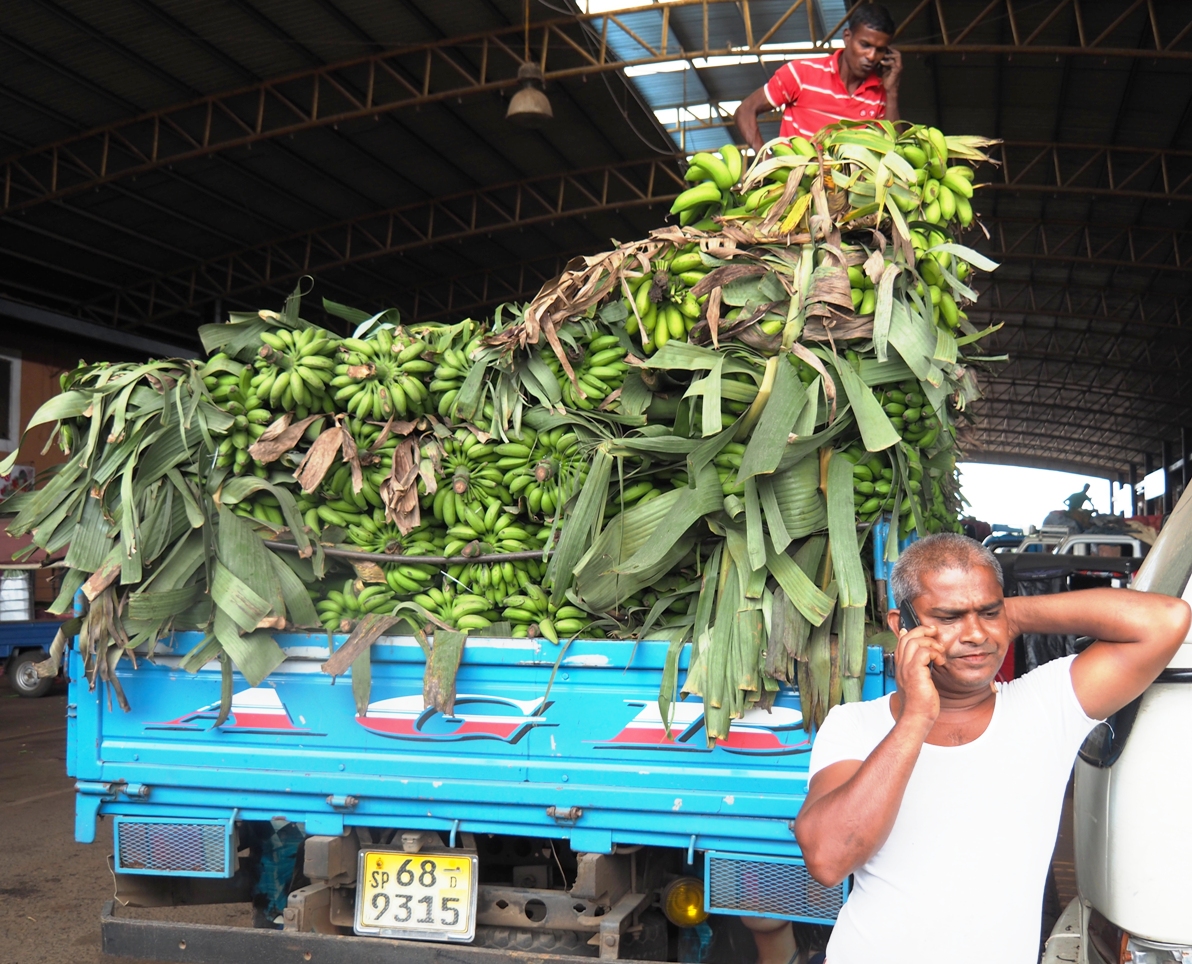
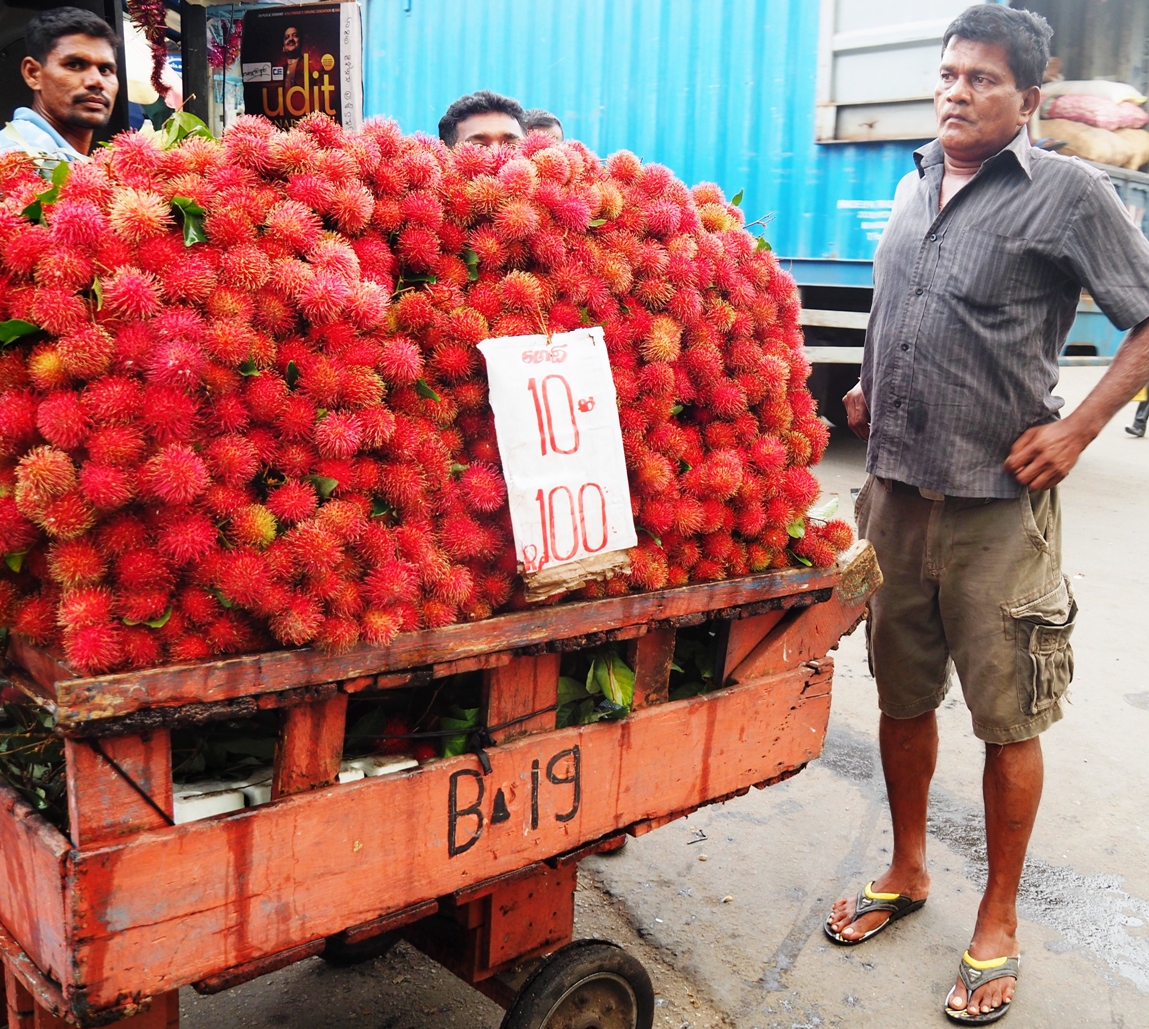
The best places to experience the bounty of Sri Lanka are its markets. During our travels we visited several, all scenes bursting with vibrant color and hectic activity.  At the Pettah markets in Colombo huge trucks overloaded with produce drive through lanes crowded with shoppers.

OLYMPUS DIGITAL CAMERA

The Dambulla Produce market, a vast wholesale market, is the place to see an incredible variety of produce – and to stay out of way of the frantic workers.  A vendor at the market in Kandy gave us samples of fruits we were not familiar with — mangosteen and red bananas. There I purchased spices, for myself and friends.

OLYMPUS DIGITAL CAMERA

Iran gave us several of his recipes.  I tried his chicken curry.  Yummy.  See recipe, top right. food.17

In addition to offering cooking classes and home cooked meals, Iran rents several rooms in his home to guests.  He gets lots of kudos on Trip Advisor.  Contact him at irankarannagoda@gmail.com

OLYMPUS DIGITAL CAMERA

For more on Sri Lanka, see previous posts: Wonders of Sri Lanka and Sri Lanka: Wondrous Wildlife.

OLYMPUS DIGITAL CAMERA

Nimal De Silva, (ndsilva67@gmail.com and info@dsltours.com) chauffeured us around his country, made hotel arrangements, arranged local guides at many places — and taught us much about this fabulous country.  He is a delight, very patient and accommodating.

OLYMPUS DIGITAL CAMERA
Dried fish find their way into many dishes.

If not already a Tales and Travel follower, sign up (upper right). Your address is kept private and never shared. 

OLYMPUS DIGITAL CAMERA

Please feel free to comment.  Click below, scroll back down to Leave a Reply and add your thoughts.  

makeread2