
“The World Weeps,” I wrote last week in the aftermath of the horrific fire and destruction of Notre Dame cathedral. However, as many have pointed out, “that is just a building.” It lives. It will be restored. Most importantly, no one perished in the flames.
The Easter Sunday massacre in Sri Lanka wiped out the lives of 253 innocent victims. Families in church worshiping on this holy day. Vacationers having breakfast in hotels. All ages. All walks of life. For them, there is no tomorrow.

Is the world weeping? Are we becoming somewhat numbed to these dreadful acts of terror which destroy lives and much more? Does the dramatic plunge of the burning spire of Notre Dame have a greater impact than bombs ripping through a church filled with the faithful? It seems harsh, but I have to wonder.
A British gentleman I met at a luncheon mentioned Hitler’s invasion of Czechoslovakia. The British press did not make a big deal of it, he said, as “it was a small country, far away.” So, too, is Sri Lanka.
Of course, we are shocked with the savage attacks in the country. We are saddened to learn the heartbreaking stories of the victims. In March, brutal attacks at mosques in Christchurch, New Zealand, claimed 50 lives. We worry. Where will they strike next?
Terrorism, be it in the U.S, France, Sri Lanka, New Zealand, wherever, has claimed too many lives, scarred survivors, ruined the way of life for many. It is frightening to think that these attacks, as in Sri Lanka, have become part of life these days.
France’s billionaires are rescuing Notre Dame. Who will rescue Sri Lanka? I grieve for the country
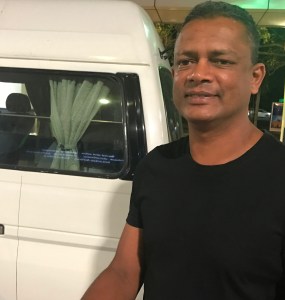
when I think back on two enriching weeks spent there in 2017. I was impressed with the friendly, hard working people: Nimal, our guide and driver; Iran, a gifted cooking teacher; the jovial market vendors, the helpful hotel staff. Are they OK? What is their future?
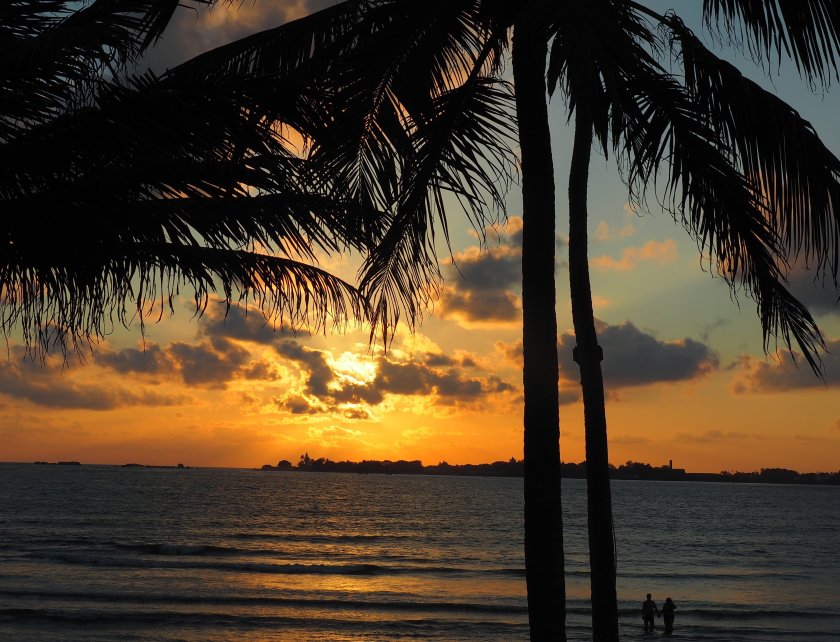
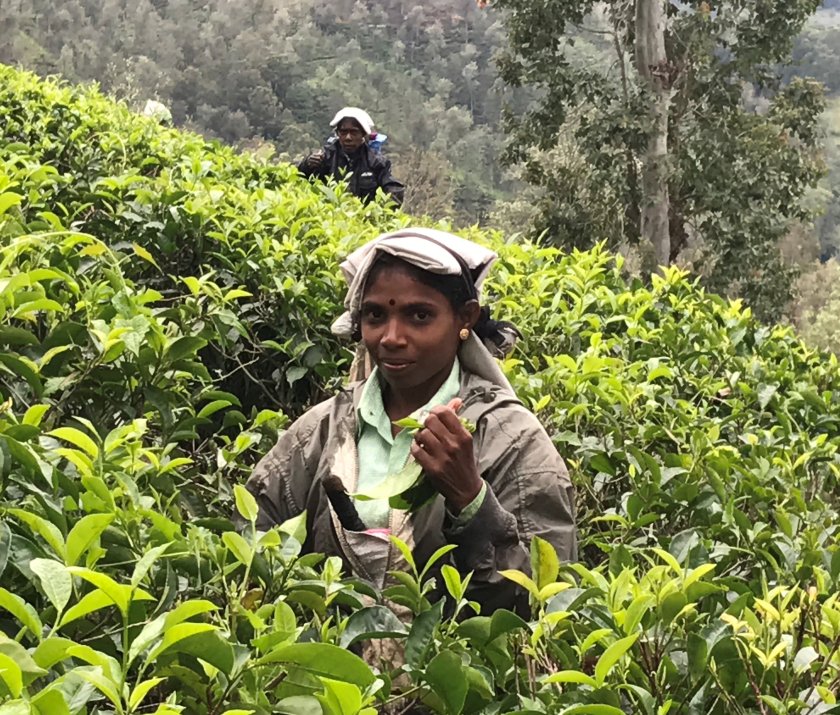
Tourism has been Sri Lanka’s salvation. The country’s bloody 30-year civil war, which ended in 2009, kept visitors away. Gradually tourism revived as more and more discovered the astonishing sights of this island nation in the Indian Ocean. Not much bigger than Wales, Sri Lanka packs a lot into a small area: glorious beaches, ancient temples, hillside tea plantations, wildlife sanctuaries, rain forested peaks. Will the fear of more terror prevent tourists from discovering these treasures?
Tourists brought jobs and opportunities. Nimal, our excellent driver/guide, was building up a
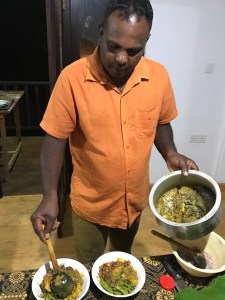
clientele whom he chauffeured around the county. With Nimal’s encouragement, Iran, an excellent cook, had begun to offer cooking lessons in his home. More hotels were under construction, all promising more jobs. What now?
It is all troubling and tragic. Yet, I was relieved to receive emails from Iran, the delightful cooking teacher, and Nimal, our Sri Lankan driver/mentor. Iran wrote: “We hope every bad has happen not to be repeat any where in this world. We all safe but tourism will badly suffer as our bookings are getting cancelled. Thank you and keep in touch. As a journalist you can help us lot.”
And from Nimal: “Its really unexpected tragedy and don’t know what to say. Its bad luck for us. Tourism was good and world start to come and see our country,” he wrote. “We believe things will get settle soon and people will be able to go ahead with their normal life.”
Let us hope is is right.
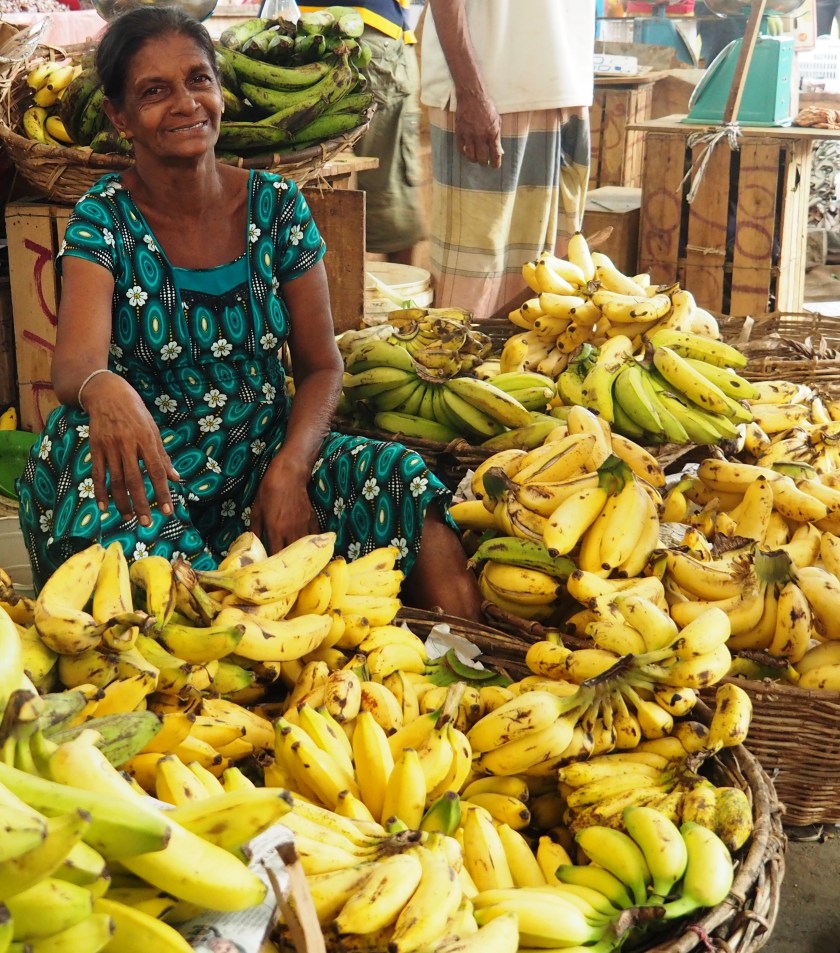
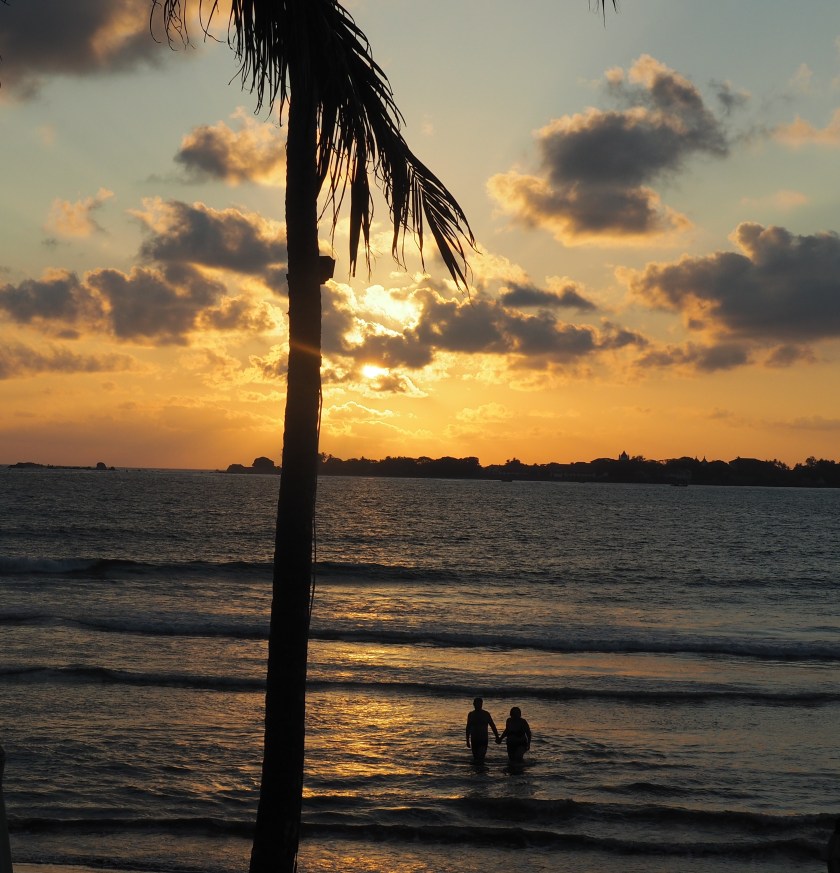
Below are photos of Sri Lanka’s friendly folk:


For more on Sri Lanka, see previous posts: Wonders of Sri Lanka; Sri Lanka:Wondrous Wildlife and Spicy Sri Lanka
Please feel free to comment. Click below and scroll down to bottom of post to Leave a Reply.
If not a Tales and Follower, sign up, top right. Your information is kept private.







 As a cat lover (big and small), I was hell-bent on a leopard sighting. This solitary, secretive feline had eluded us on two different safari trips in Africa. Sri Lanka had to be the place.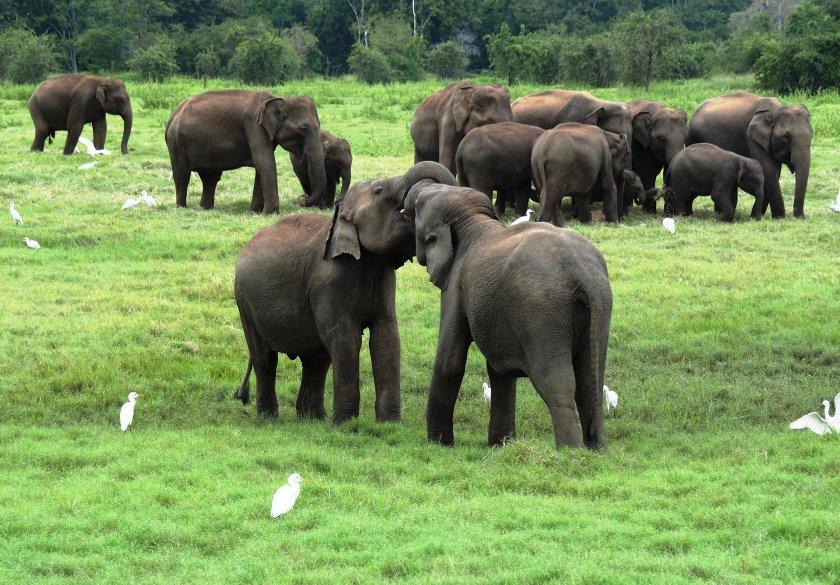


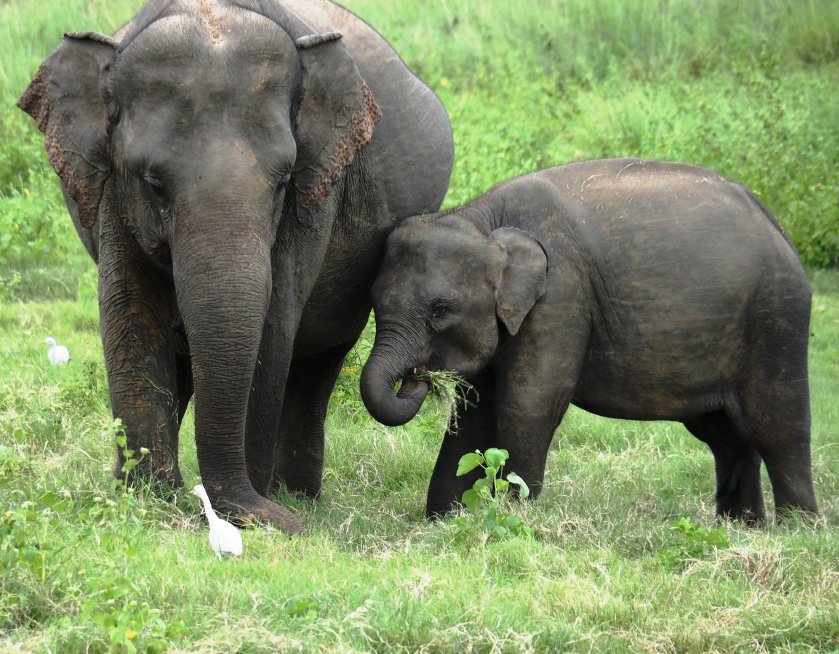 Elephants need about five square kilometres each to support their 200 kilograms per day appetites. Deforestation and over development in Sri Lanka have diminished their habitat. As in Africa, they encroach on farmland. As in Africa, it’s elephants vs. humans, a challenging conflict.






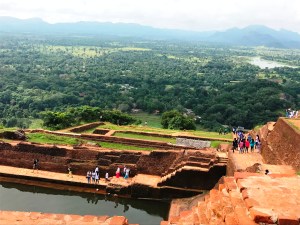
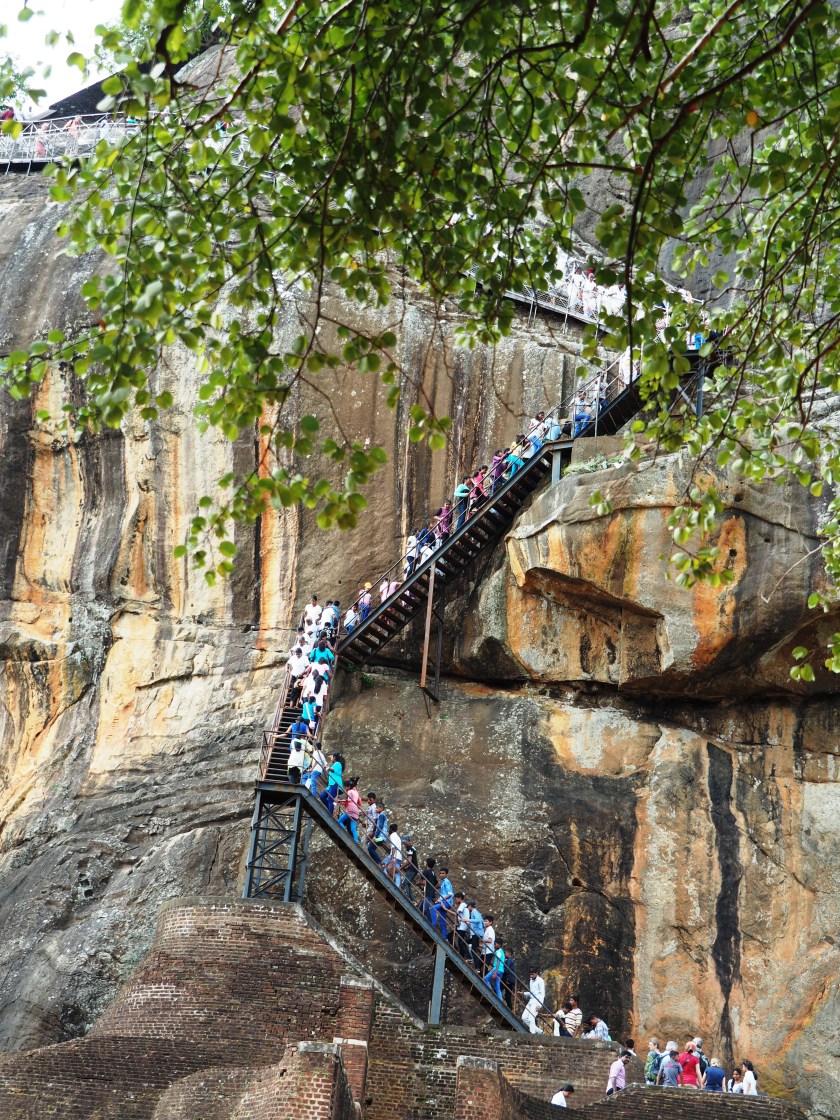 It was hot, very hot. There were no trees to provide shade en route to the top. It was crowded, a single file of slowly moving bodies inching upwards on those dreadful stairs. This did not look like fun. Was it worth it? Could I make it? After the Chinese disaster (See previous post: “China II: The Fall”) I could not risk another crash.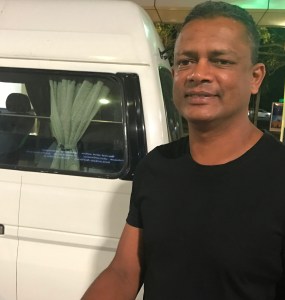
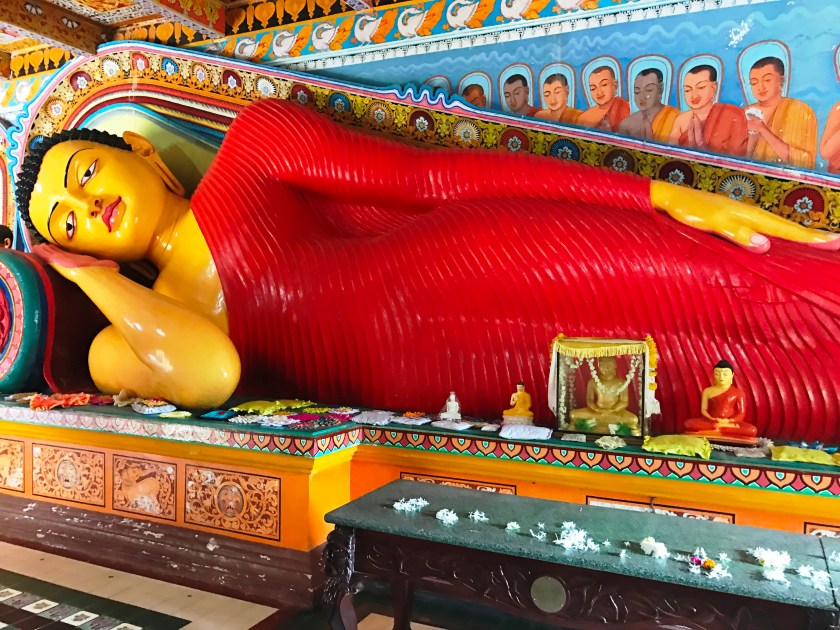


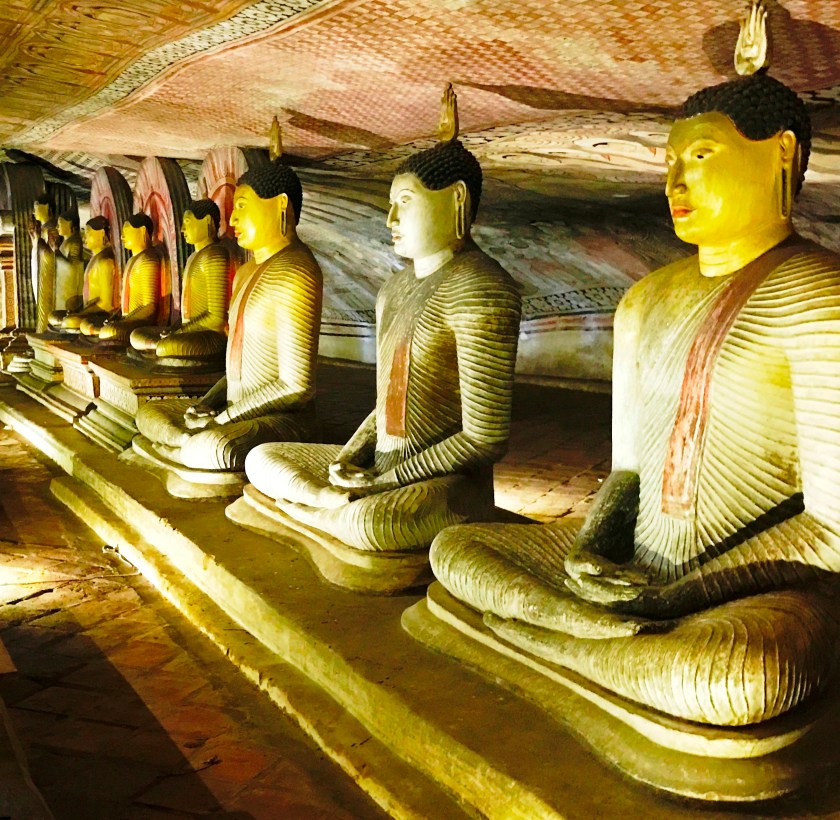 Both tourists and worshipers flock to Kandy, a lovely hill town whose magnet is the Sacred Tooth Temple where one of Buddha’s teeth is said to be hidden inside a golden shrine or casket which in turn contains six more caskets, much like a Russian box. We joined a large crowd and patiently waited in line for a night time opening of the heavily guarded room containing the tooth shrine, and our turn to file by the relic casket. Although there was little to see, the holy ritual and huge temple complex are intriguing. According to Lonely Planet, Sri Lankan Buddhists believe they must complete at least one pilgrimage to the tooth temple.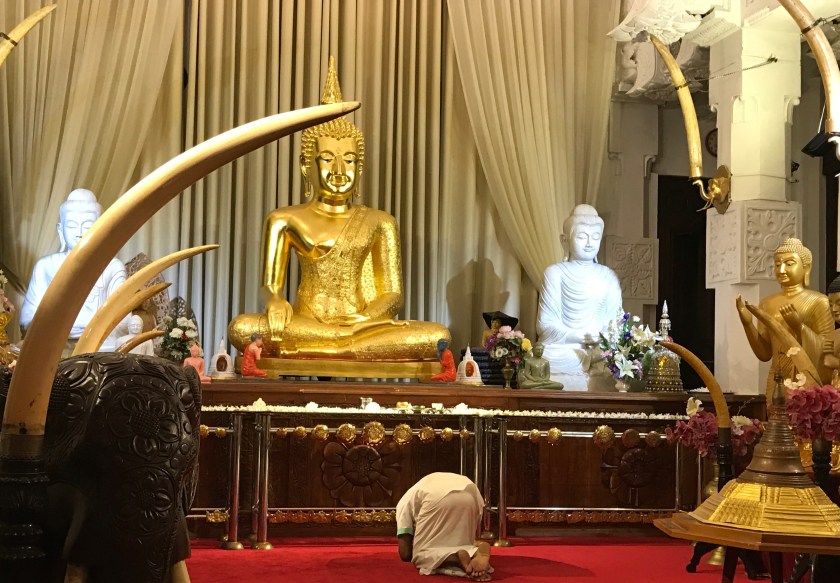


 Tales and Travel