

Our departure for Oman was slated for January 15, just 12 days after the US killed the Iranian general, Soleimani, in Iraq. Tensions in the Middle East were high. A fear of war was all too real. Deadly terrorist attacks were expected.
“Don’t go. It’s too dangerous, too risky,” a friend cautioned. Others were less direct, but clearly thought the trip was a bad idea in this nail-biting political climate. And, yet others had no idea where Oman was. “I never heard of anyone going to Oman.”
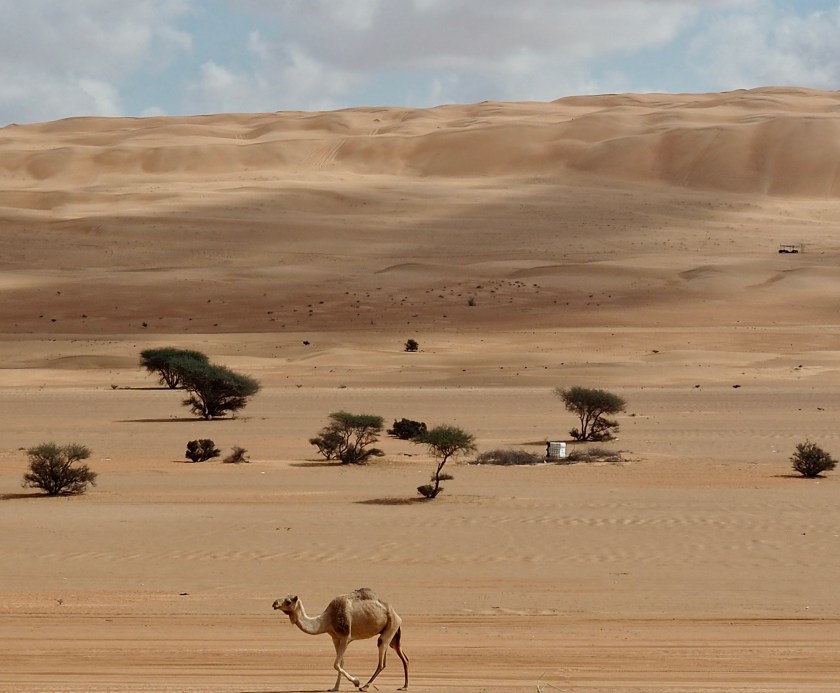
We went. It was fabulous. The Sultanate of Oman stretches across the eastern tip of the Arabian Peninsula, jutting out into the Gulf of Oman and the Arabian Sea. It shares borders with Saudi Arabia, Yemen, the United Arab Emirates and Dubai, but has none of the glitz and flash of the latter.
Its revered leader, Sultan Qaboos bin Said al Said, who died shortly before our arrival,

ruled for almost 50 years and kept the country stable and peaceful, an oasis of calm in a turbulent region. His cousin has stepped in and is expected to follow this steady path.
“Omanis like the Sultan. He keeps us out of wars,” a driver said. A guide pointed out that “the Sultan changed Oman from a very poor country … now we can have a nice life.”
Beaches, desert, mountains – Oman has all, and we experienced all. We (husband Bob and I) spent most of our two-week trip at a beach resort about 20 minutes from Muscat, the country capital. The sejour was grand, but it was our forays to the desert and mountains that were especially fascinating. We learned so much from our Omani guide/drivers.
Like in neighboring Dubai and Abu Dhabi, staff at Oman hotels come from around the globe, foreign workers seizing job opportunities and salaries non-existent in their home countries. In Oman, however, law states that guides and drivers be Omani.
Mustafa drove us over rocky, rugged mountains to the desert. Only 4-wheel drive vehicles are permitted on many of the steep, impressive roads, and there are controls. Signs warn: “Danger. Steep Bends. Steep Gradient. Continue in low gear.” In case brakes fail, there are escape lanes. “This highway just opened two days ago,” Mustafa said during one stretch of our journey which led through sleek, futuristic tunnels.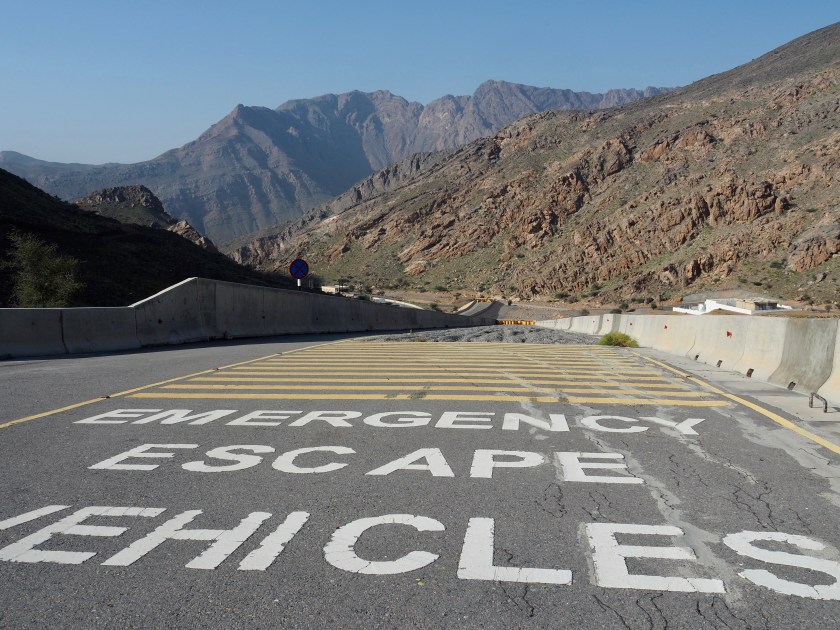
Like all Omanis we met, Mustafa speaks English. Children start learning English in school at the age of seven. Education is free. University students receive a government stipend during their studies. Lofti, a guide/driver who took us to the town of Nizwa, recently graduated with a degree in electrical engineering. He said he received 90 rials (about $234) per month while studying. While waiting to find a job in his field, hopefully in Qatar where salaries are higher, he works as a freelance guide.
“The country needs educated people,” he said. “Many are sent overseas to study. The government pays for everything.”
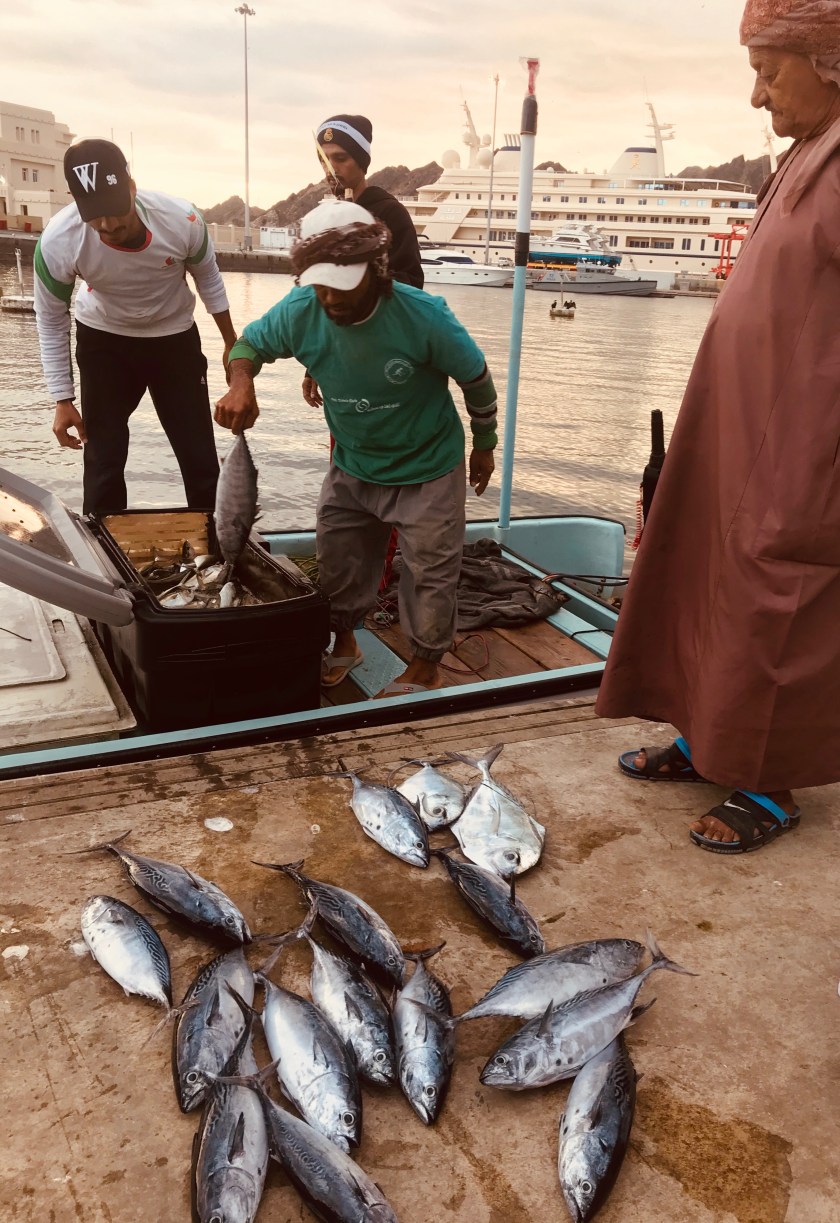
Thanks to oil, Oman has money for all those bennies. The country’s top three economic drivers are oil and gas, fish and tourism. The latter has been growing. Oman wants and needs more tourists to lessen its dependence on oil.

A stunning new airport opened outside of Muscat two years ago. More seaside resorts are under construction. Signs everywhere are in English and Arabic. Oman is clean, orderly, safe “There are no terrorists from Oman,” a guide pointed out. The UK Foreign and Commonwealth Office states that “most visits to Oman are largely trouble free.”
Omanis practice a unique type of Islam, Ibadi, a moderate sect. “Ibadi, Sunni and Shiites can all pray together in the same mosque. They intermarry,” Lofti said. According to another driver, “No one talks religion. No one talks politics.”
Omanis are very friendly. Tourists and foreign workers are happy. “I have been here two years,” an Egyptian bar tender at our mountain hotel told me. “I have never heard anyone say anything bad about Oman.” Many hotel workers we met had moved to Oman from Dubai. They all prefer Oman.

At our beach hotel, we met many on return visits. Driver Salim says he has clients who have become friends and come back every year. More and more visitors are opting for self-drive holidays, we learned. “This year we sleep a lot,” Salim lamented. “They all want self-drive. It’s cheap.”

Since my trusty driver (Bob) no longer drives, I was reluctant to take on this challenge. While on a thrilling off-road trek with Salim, I was glad I had not. It was scary just being a passenger. However, we saw several self-drivers on the journey. At a photo stop in a remote, desolate mountain area, a couple from Germany asked directions as their GPS did not work.
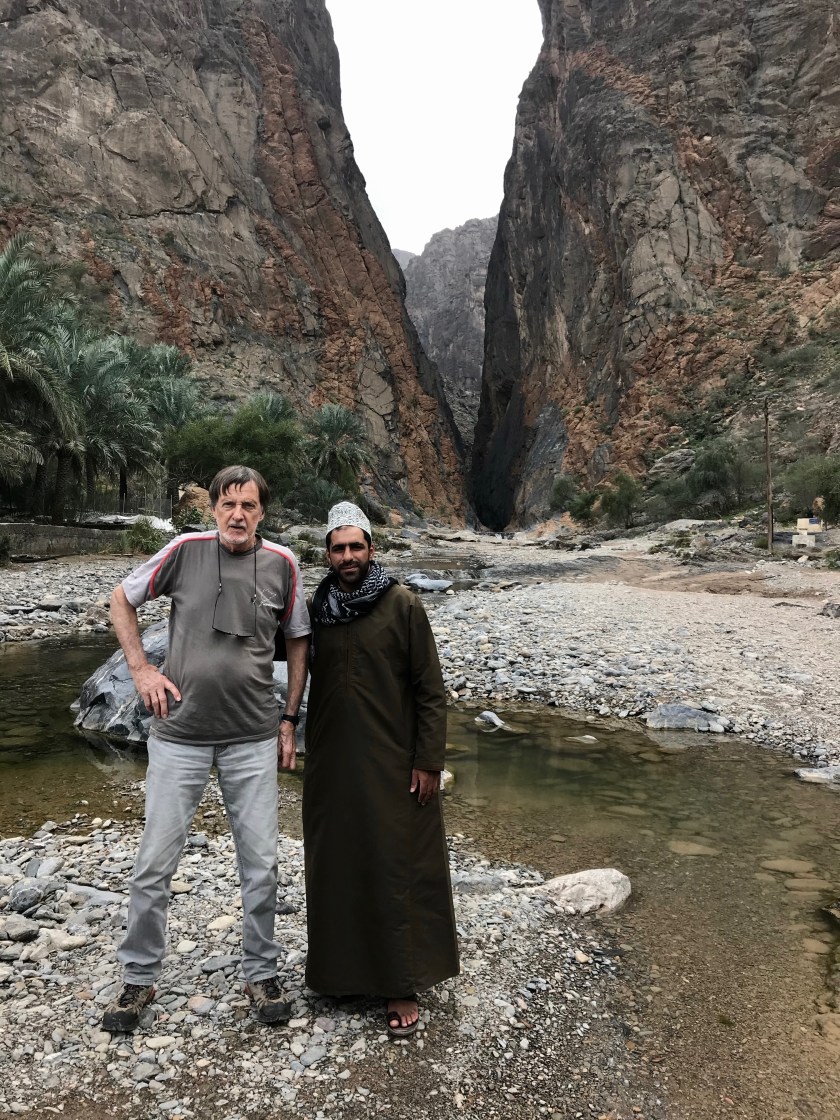
Salim and I discussed religion, family life, values. Family is of utmost importance to Omanis. He lives in his father’s house with his wife and son. He has three sisters and five brothers, but most have moved out to their own homes. However, on weekends they usually all return to the family compound where 14 goats, 6 cows and some sheep also reside.

The home is in the small mountain town of Sehcoteni, 56 kilometers from Nizwa, the country’s original capital. “Until four years ago I had never been to Nizwa. Ours was a simple life. We go to the mountains with our goats and return in the evening.”
Oman, the oldest independent state in the Arab world, embraced Islam in the seventh century. Much of the region around Muscat was dominated by Portugal between 1507 and 1650 due to its important position on trade routes to the east. Persians invaded in 1737, but were driven out by the Al Said dynasty which is still in power. Oman signed a Treaty of Friendship with Great Britain in 1798 which guaranteed the Sultan’s rule. In 1891, Oman became a British Protectorate. This lasted until 1951 when the country was granted independence from Britain.
Our trip was trouble free, peaceful, awesome. I would be happy to return.

More on Oman in future posts: Luxury at the beach, Mountains and desert, Muscat. Plus, lots more photos. Don’t miss out. If not already a Tales and Travel follower, sign up, upper right. Your email address is kept private, not shared. Trust me.

Comments are welcome and appreciated. I love feedback. Click below then scroll way down and add your thoughts.




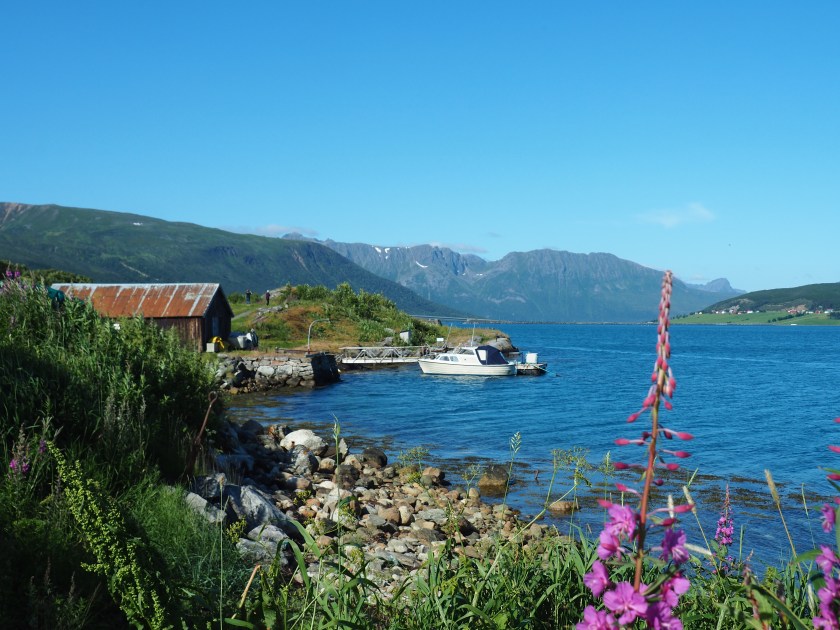
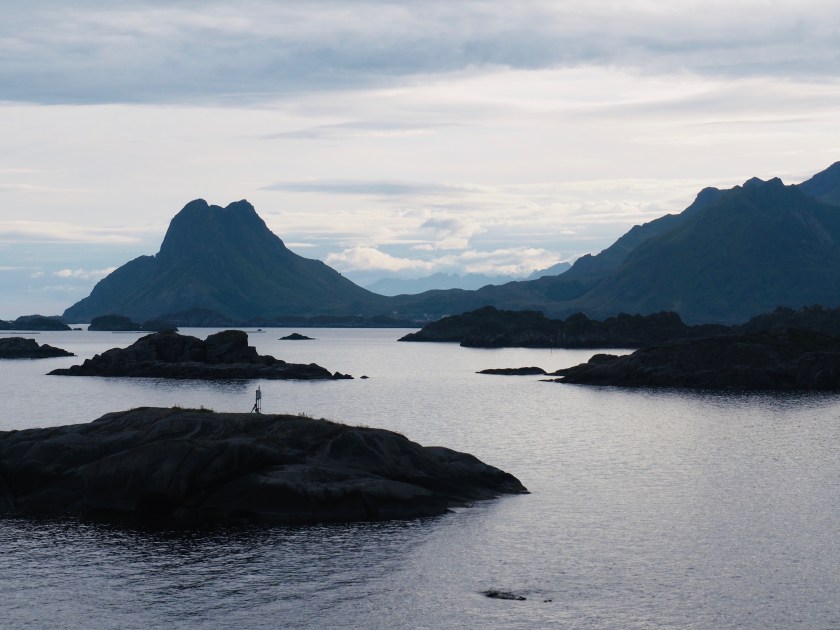
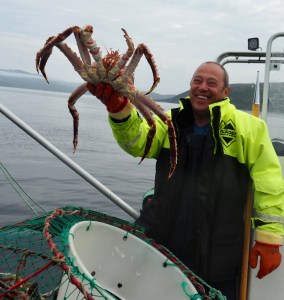
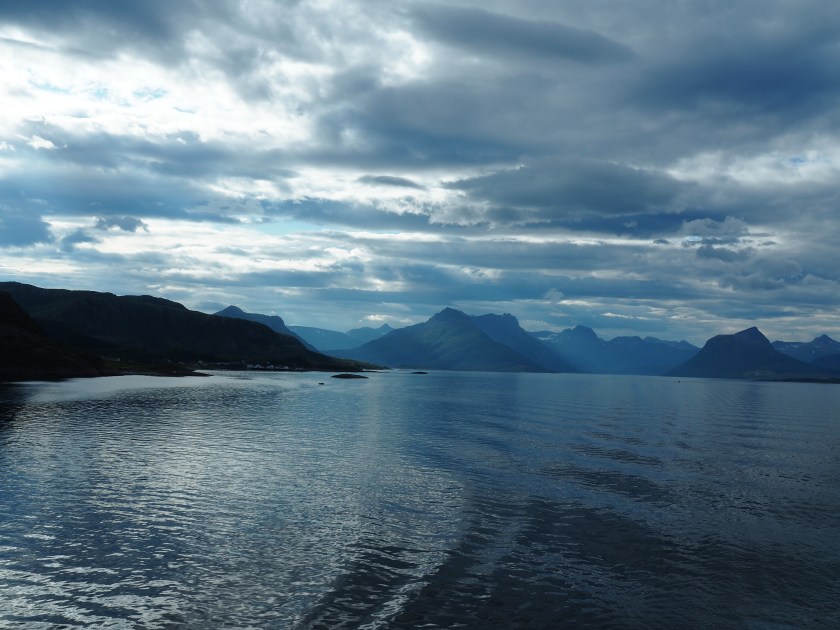
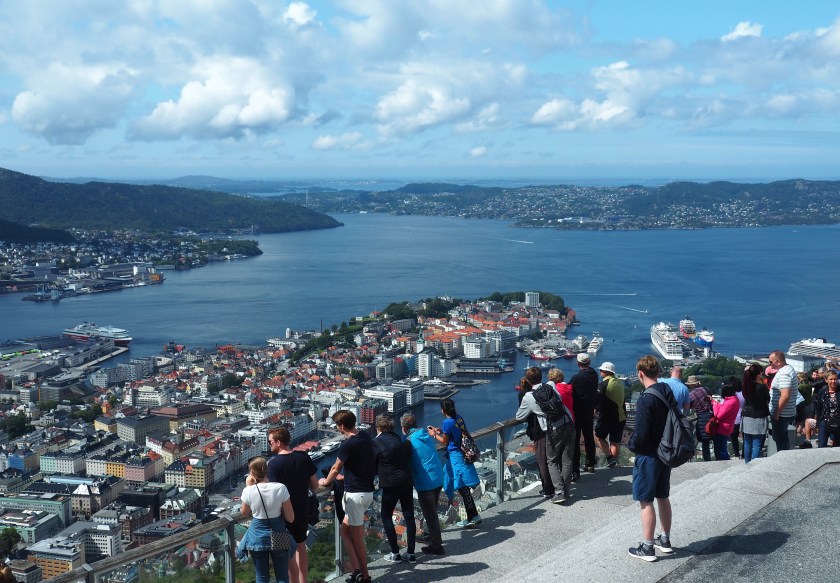
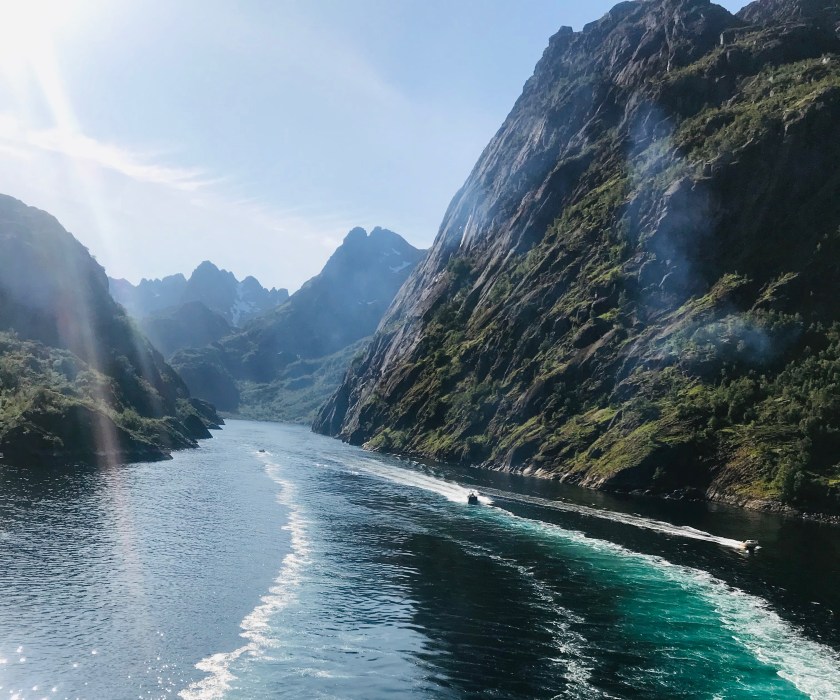 Norway is all about nature and the outdoors. Year round, even in the frigid Arctic winters, Norwegians spend time outdoors – hiking, skiing, climbing, boating, fishing… They are passionate about their forests, mountains, lakes and the sea.
 talked to Norwegians and tourists, as well as those who have moved to Norway. I wanted to know more about life in this country where hours of daylight in winter are few, yet summer days are wonderfully long, where winter temperatures can drop to well below zero, and summer temperatures in most of the country rarely reach above 20 degrees C (68 F).
 “I moved here for the nature,”said a bus driver originally from Karlsruhe, Germany, who drives a dog sled in winter. He also worked and lived in Iceland, “but this is better.”








 Hanging bridges are common in the Costa Rican jungle. I was intrigued. It is exciting, even a tinge scary, to walk high above gorges on these structures which gently sway as you cross.
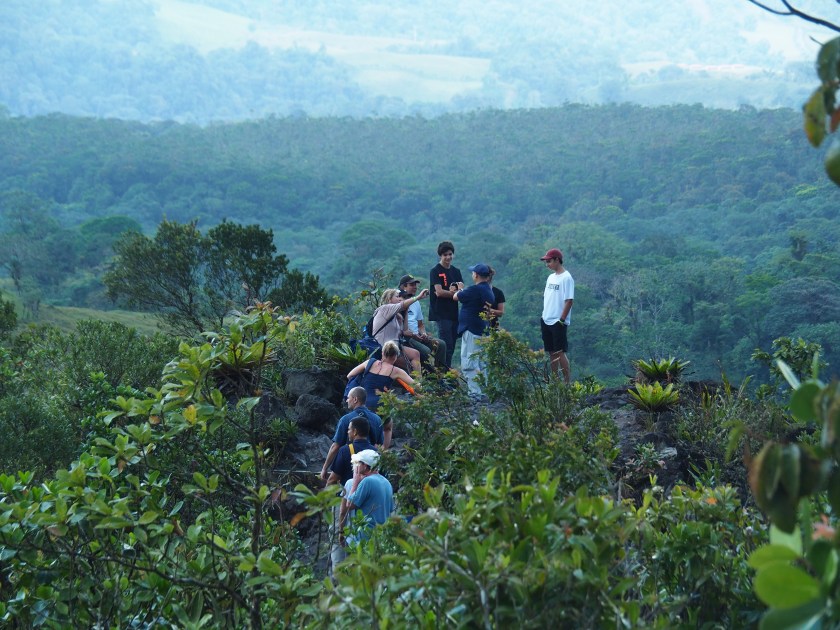
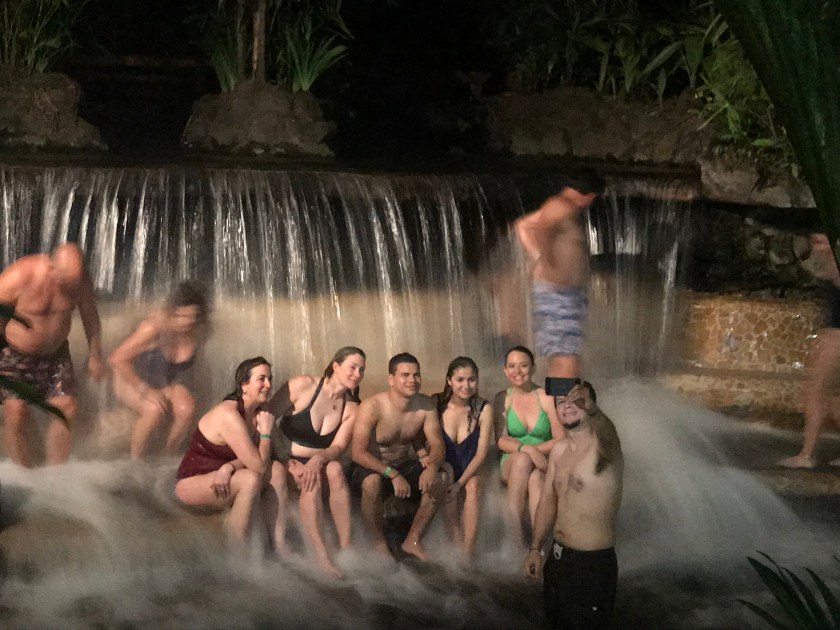 After the near-the-volcano hike, we set off to the Tobacon Hot Springs, a jungle wonderland of hot springs, pools, waterfalls, streams – all a bit kitschy, but crazy fun.

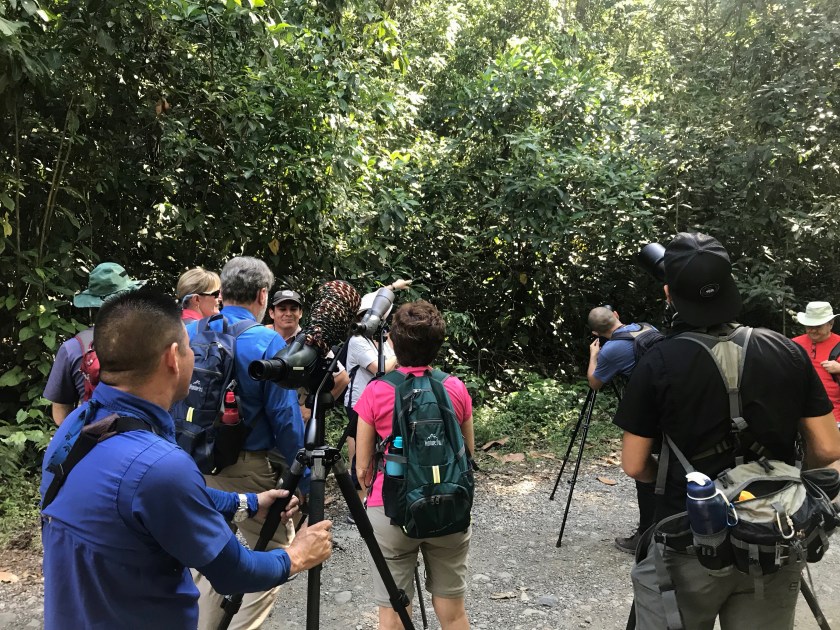
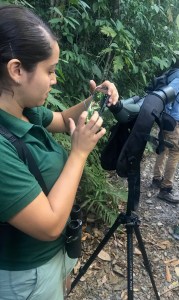
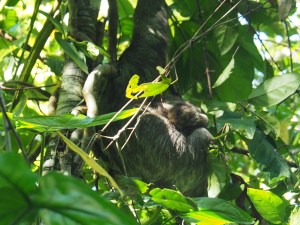
 However, I did not come to Costa Rica to surf, nor to soothe my soul during a yoga retreat. Unfortunately I am too old for zip lining and canyoning. Spotting an illusive creature through a telescope did not thrill me. Granted, the beaches are super, but I do not need to travel so far for a fabulous beach



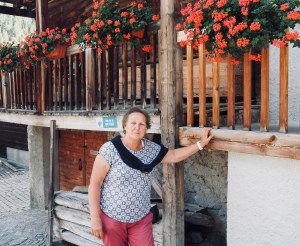
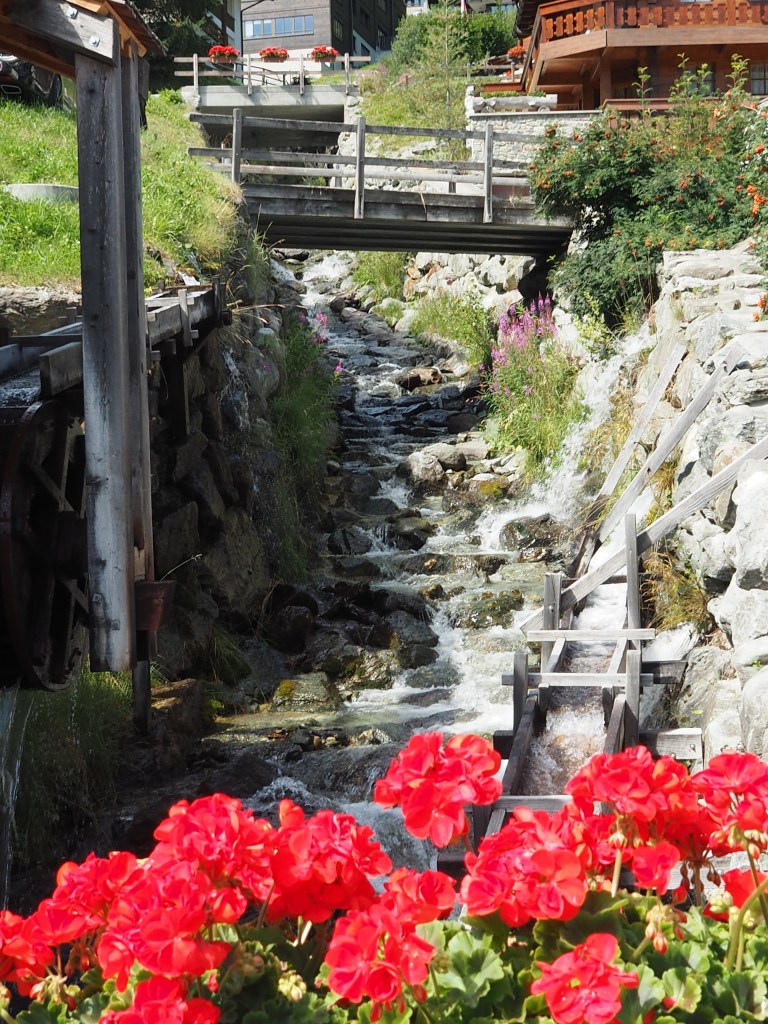
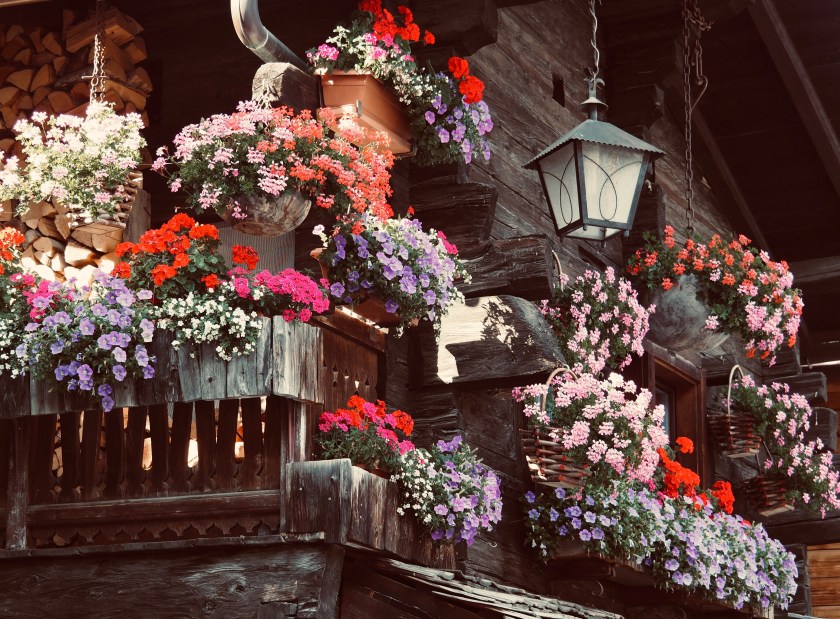
 And the winner is — Yvonne Rouvinet. The competition: Geraniums.





 Tales and Travel