Since I have been doing nothing exciting to write about, this will be mainly a photo blog.
The heat and humidity here in southern France have been too much for me. Fortunately, my apartment building has a TDF (to die for) pool. I swim and do my pool rehabilitation exercises every morning, then spend the rest of the day in the comfort of my air-conditioned apartment. It gets monotonous.
At 9 a.m. I am often the only one in the pool. Heaven!
Not just the heat, but the crowds also keep me home bound. I live in a vacation paradise. The beaches are packed. Finding a parking place is as challenging as finding a contact lens in the sea. A tranquilizer is required to negotiate the traffic.
Everyone is at the beach.
It is in the French DNA to take vacation in July or August, with August being the preferable month. This applies to all – not just families with children which is understandable.
A bachelor lawyer I know has closed shop for all of August. Friend Karen bought an apartment in the spring. She is having it renovated, but all work stopped in mid July and will not continue until September. Vacation time.
My physical therapist is “en vacance “ for the entire month. (The French get five weeks of paid vacation per year, plus lots of holidays.). It’s best not to get sick in France in August. Your doctor will likely be on the golf course or beach somewhere far off. Your favorite pharmacy, bakery, butcher shop – likely closed until September.
Fortunately, the “rentree” ( when kids go back to school) is around the corner. Life will return to normal soon.
Following are random photos retrieved from the innards of my computer. Most are from fascinating trips husband Bob and I had the fortune to enjoy. We loved to explore far off lands, learn about different cultures, and meet the locals. It was all fun and enriching.
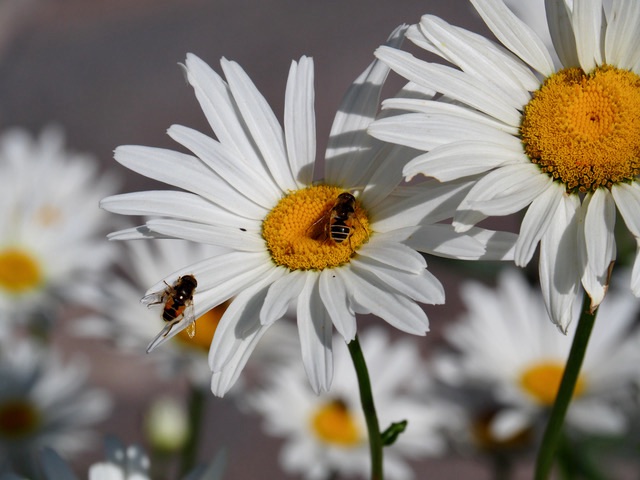
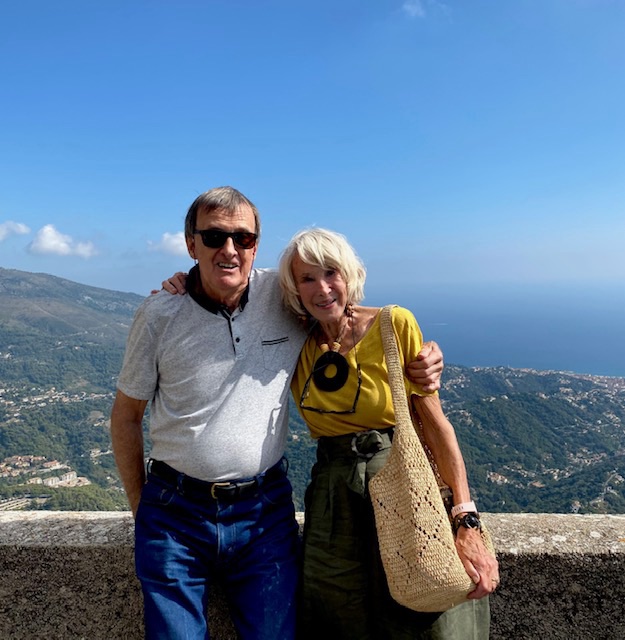
Before long I hope the beach will be like this.Sri Lanka hills at sunsetFort gunnery platform, Nizwa, OmanDaisies – and beesPeillon, France. I went there on July 9 to commemorate the 1 year anniversary my beloved Bob’s death. We had been there many, many years ago.
Geraniums in Grimentz, Swizerland
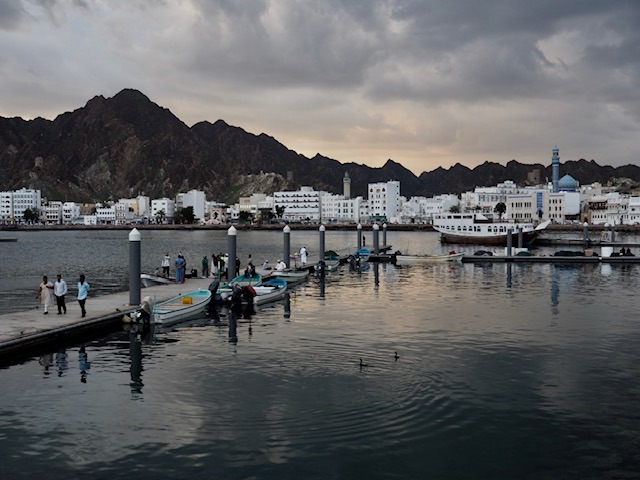
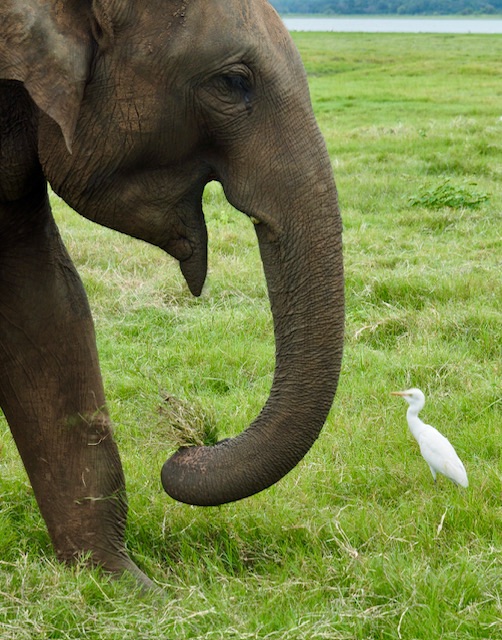
Name this bird. Seen in Sri Lanka.Muscat, Oman, at daybreak.Mountain goat in Oman mountainsIn the medieval garden at the Chateau of St. Agnes, FranceMaldives
Wildlife in Sri Lanka
MemoriesBeauty in the canton of Valais, SwitzerlandOn safari in Rajasthan, India.
Classy mansion in Cap Martin, France.
Sultan Qaboos Grand Mosque, Muscat, OmanDalmatian coast, Croatia
If not a Tales and Travel follower, please sign up here. Don’t miss future posts.
Check out my tried and true recipes — keep scrolling down on a phone, or, if on a PC or table, up to the column on right then down to “Recipes.”
I was draped in shimmering scarves. A colorful turban perched atop Bob’s head. We boarded an oxcart, sat regally on pillows, and set off, bumping along a dusty road, en route to “ a mesmerizing, surreal dinner.”
Soon it would be dark, but it was still light enough to admire distant mountains, lonely cows foraging for food and the occasional villager checking on his sheep. We were headed to a 16th century step well in the hills surrounding Rawla Narlai, an ancient hunting manor turned hotel/resort deep in Rajasthan, India.
Kitsch? A gimmick for tourists? Of course, but it was fun
Step wells are just that – subterranean Indian architectural structures, wells accessed by a series of steps down to a pool of water.
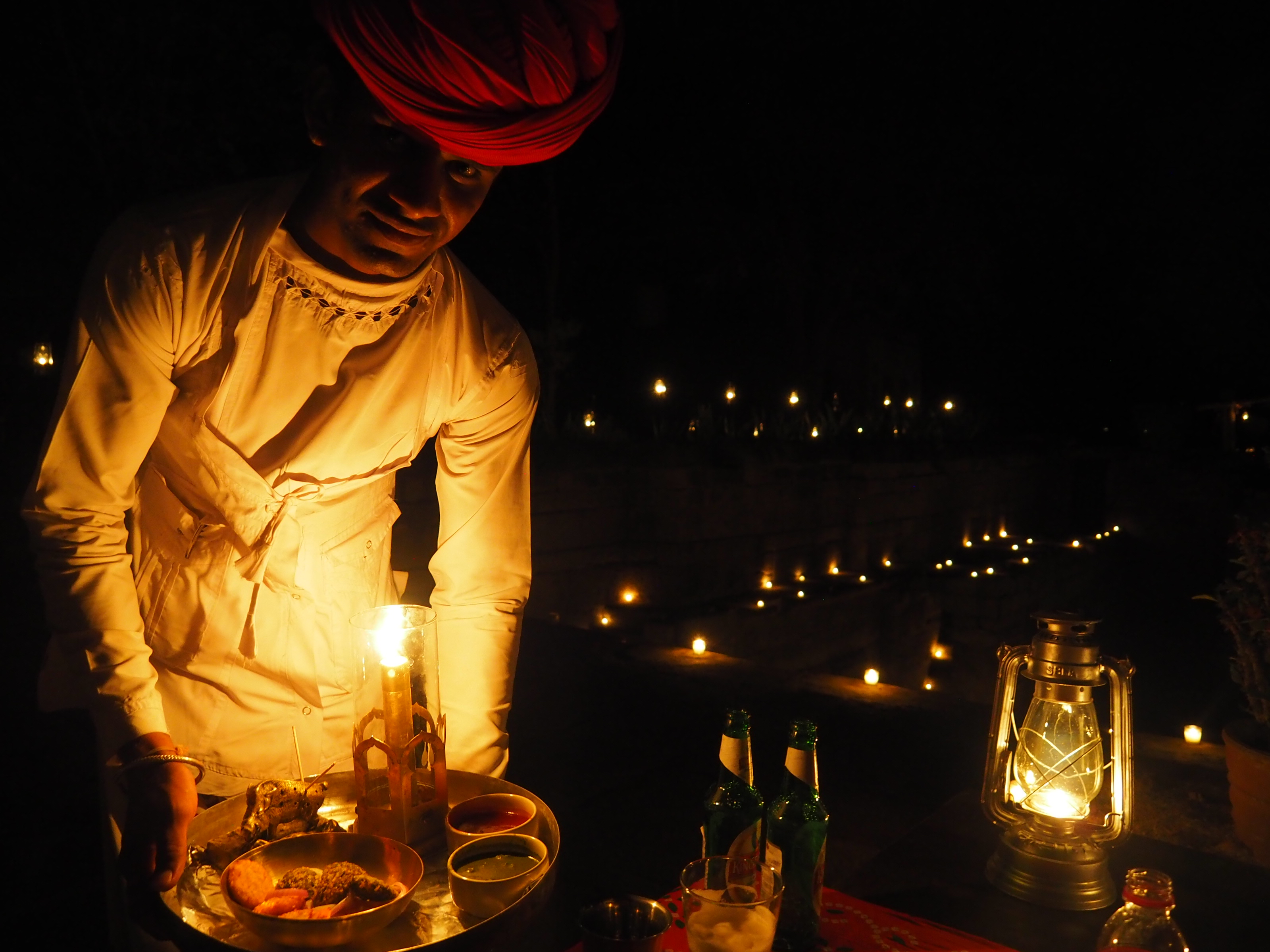
Dinner at the edge of this ancient well was good, but it was the ambience that deserves the stars. Magic and mystical. Seven hundred oil lamps flickered all around the deep hole. Hypnotic sounds echoed from the eerie darkness. Costumed waiters mysteriously appeared offering us all manner of delicacies on silver trays.
Jain temple in Narlai
OK. It is all very touristy and not the kind of experience we usually opt for during our travels. But, we were the only tourists. Just us, the waiters, and a few musicians in the midst of this wild and weird setting. When there are more participants (almost always), more entertainment accompanies the spectacle. We had it all to ourselves, and it was indeed “mesmerizing,”as promised in the literature.
Not many tourists visit Rajasthan, India’s best-loved region, in May when temperatures reach 45 C°, (113 F°) – even above. But, after attending Alok and Ankita’s April 2018 Wedding (see previous post June 21, 2018), we wanted to see more of India. It was hot, very hot, but we survived. We did all on the itinerary except the ride on the legendary Kipling Train, “only 3rdclass.” We were told the train was not running, but I suspect the tour operator felt two old geezers would likely succumb on the two-hour “rudimentary” journey in that heat. He may have been right.
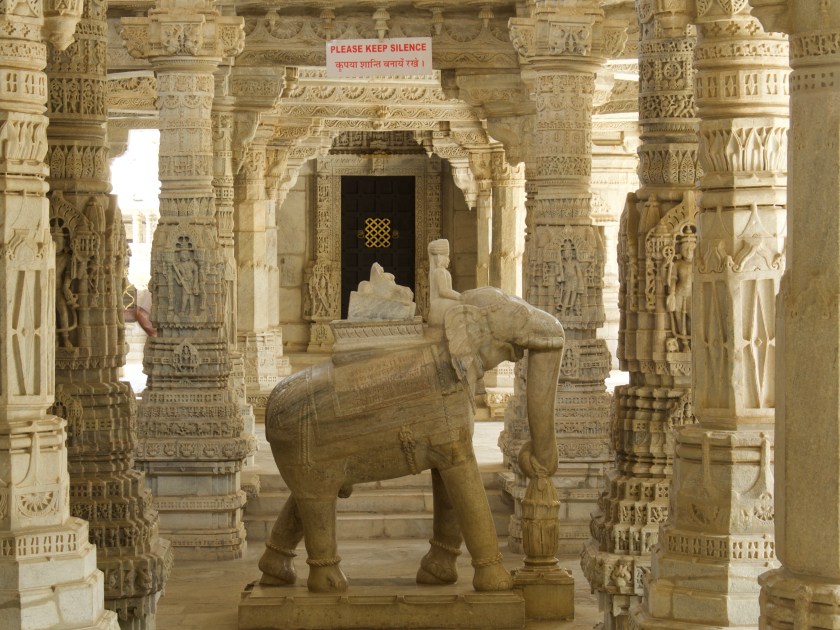
Ranakpur, a 15th century Jain temple
It was a disappointment, but we feasted on so much during our fascinating Rajasthan journey — and I do not mean food. There was plenty of that, but, for the most part, a bit too fiery for us. Palaces, temples, forts, gardens, crafts, folk art, bustling cities, varied landscape — Rajasthan has all.
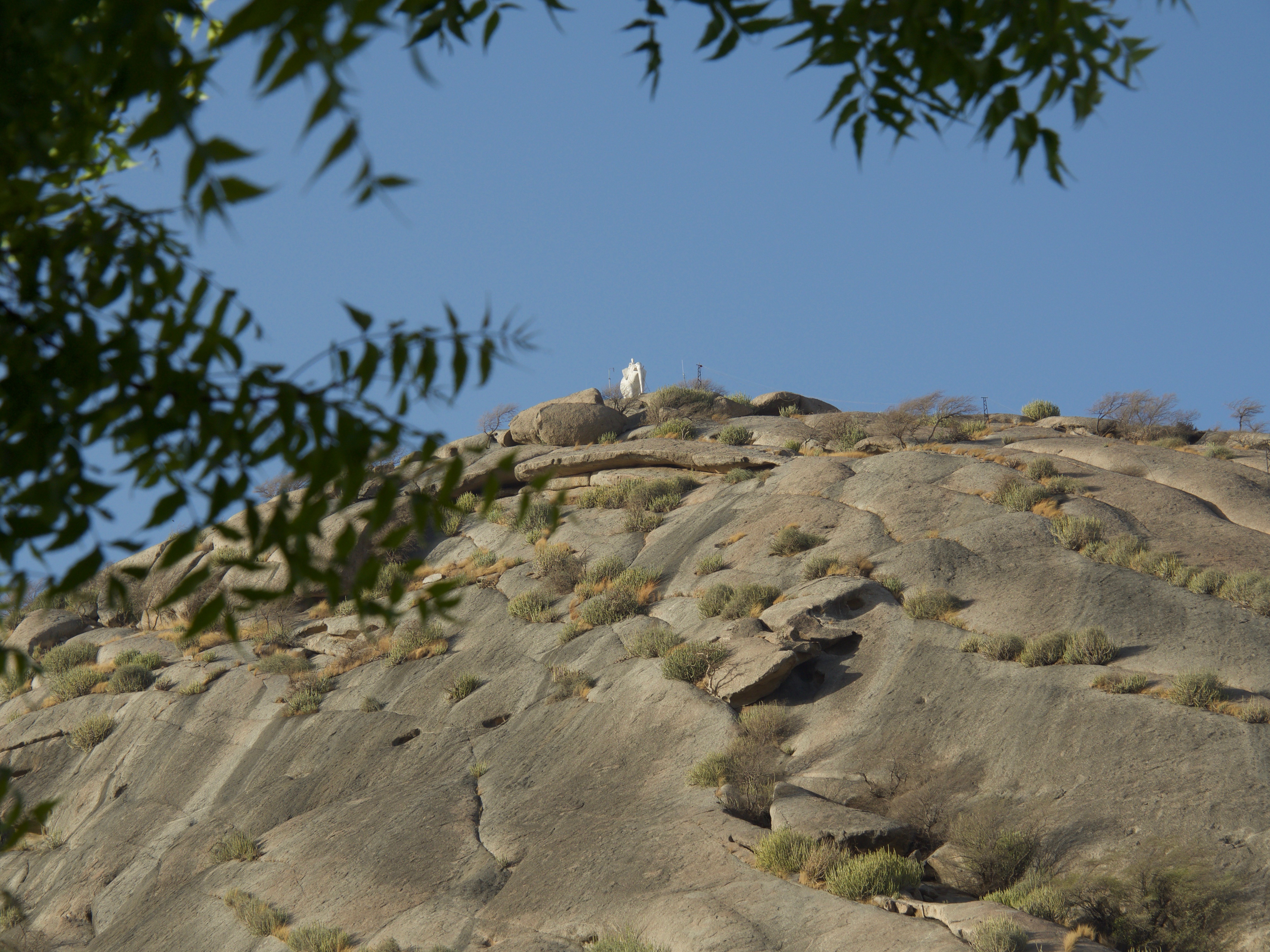
A trek to the top is a “must” for Narlai visitors. We passed — too hot.
The idyllic “holy” village of Narlai sits at the base of an imposing rock hill topped with a colossal elephant statue. We, and an Indian family, were the only guests at Rawla, our 32-room abode that originally belonged the King of Jodhpur and served as a retreat for the royal family.
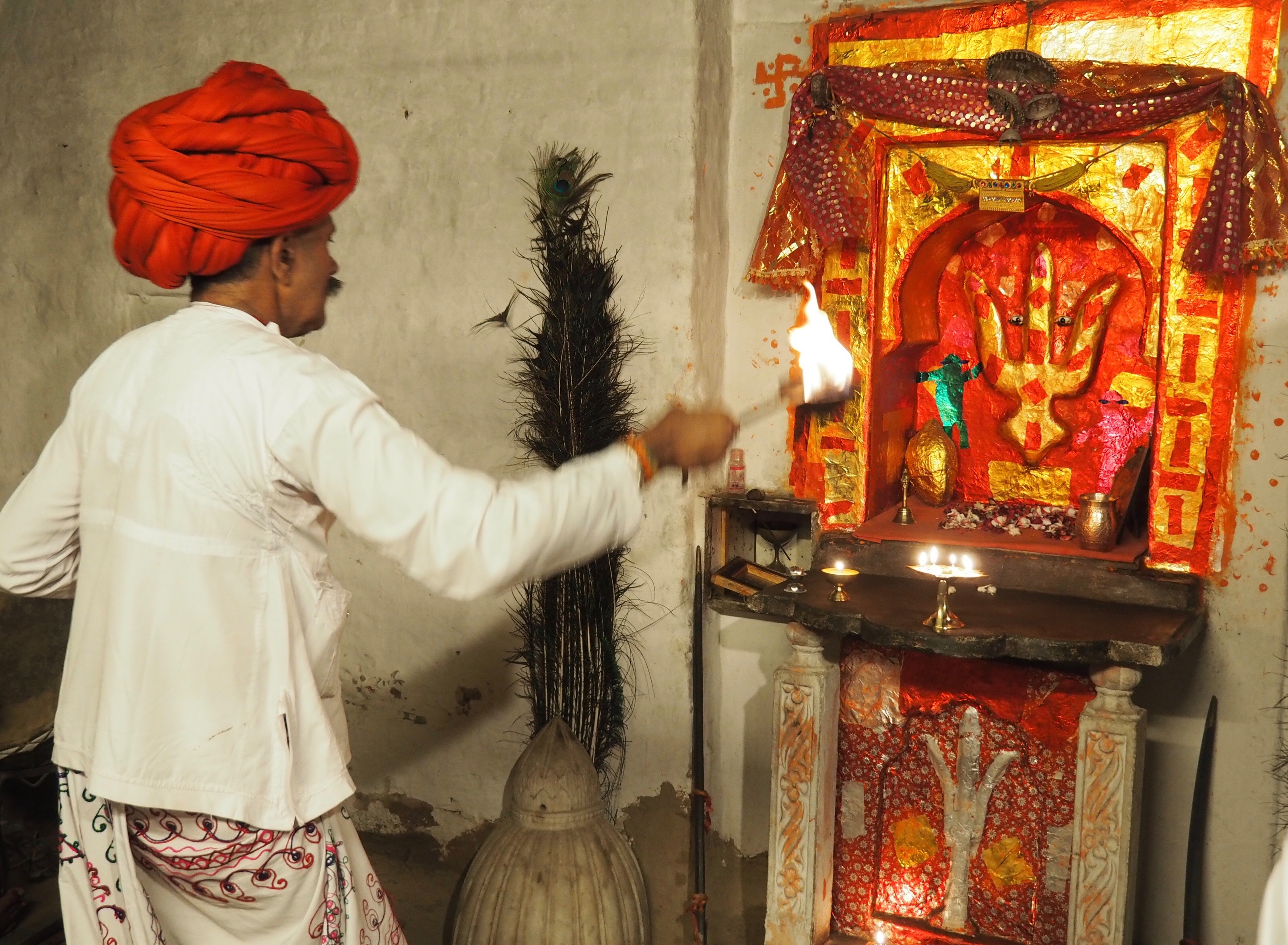
We followed a hotel employee for a guided village walk, were invited inside a few houses, and marveled at a newly reconstructed Jain temple. We witnessed the daily religious fire ceremony.
Jainism is an ancient Indian religion which preaches non-injury to living creatures and re-incarnation. Many Jains from Narlai, as well as Hindis, have gone off to work in big cities, but own property in the village and contribute generously to its temples (300 in the village of 10,000).
Narlai villager
For me the crème de la crème of the Indian trip waited up in the hills – a sighting of the secretive and seldom-seen leopard. See previous post: “India’s Big Cats.”
Narlai may not be on the average Rajasthan itinerary for foreigners. Our “morning walk through the pink city,” offered by the Samode Haveli in Jaipur was also off the beaten tourist track. This, like the other hotels where we stayed in Rajasthan, is a heritage hotel, a lavish palace still owned by maharajas but converted into a hotel.
Sweeping the streets in Jaipur.
We left the hotel at 6 a.m. and followed the hotel manager to places not on the tourist circuit . Most guided tours offer nothing “out of the box,” he said, so the hotel came up with this tour to show visitors more of Jaipur than the city’s top sights, the Amber Fort and city palace museum.
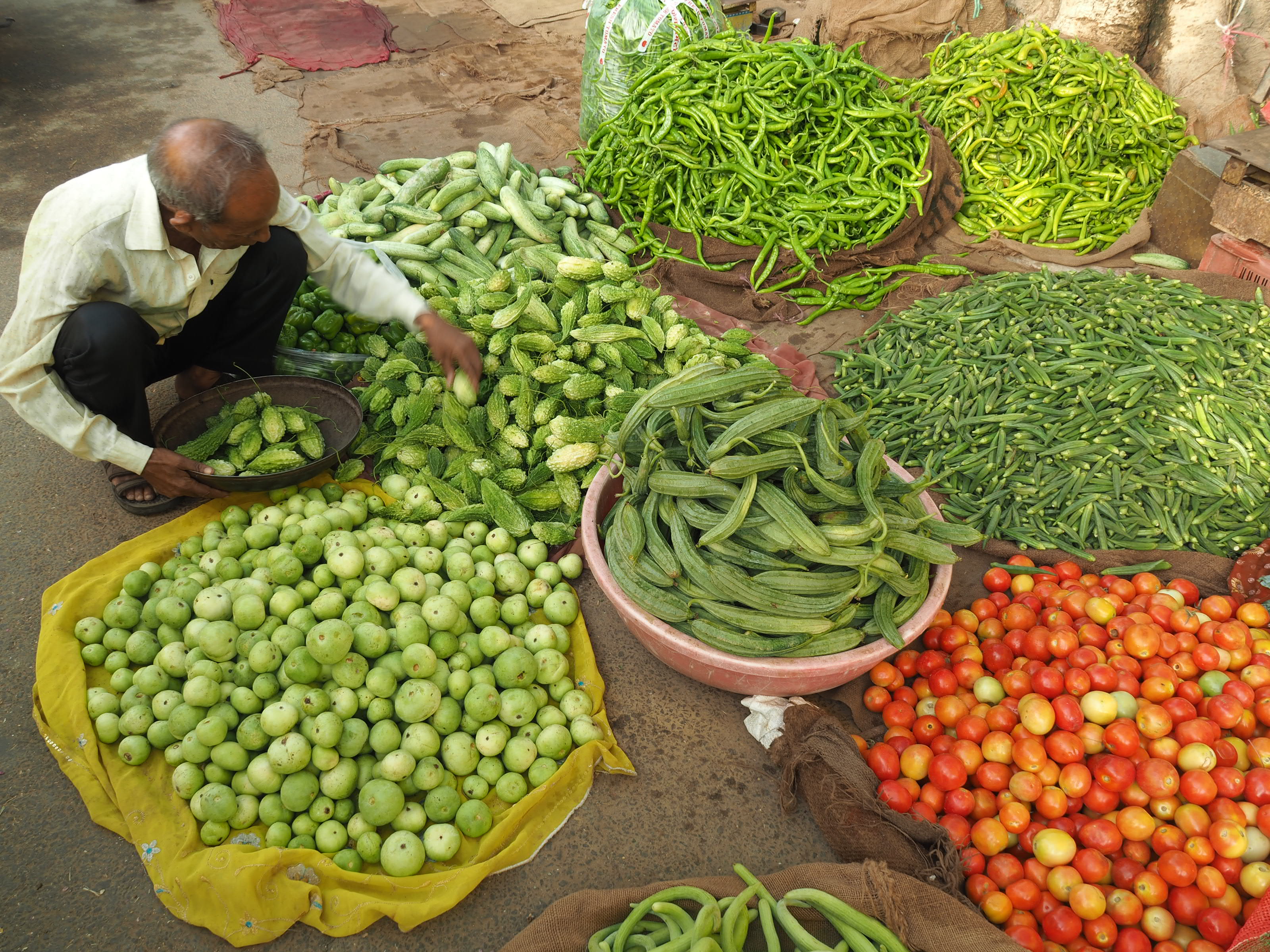
Jaipur market
We visited the market, stopped for tastings of street food specials, and we learned, about garbage collection, street sweepers, religion and more.
Palace of the Winds, Jaipur
Hindis believe that all living things have souls and cannot be killed. As an animal lover, I am intrigued with the sacred, ubiquitous cows, stray dogs, and monkeys. The cows that wander freely everywhere usually belong to someone, he said.
Holy cow
The owners tie up the calves and let the mothers roam, knowing they will come back to their babies. The dogs, he said, usually have homes of sort too. “Everyone makes so much food so they give leftovers to the dogs.” The dogs return and “guard the house.” Beware of monkeys. We noticed a group of the rascals on our walk. “That one is especially bad,” he said, pointing to the “dominant male…. He sends his troops out to scout houses. If the coast is clear, they return and raid the place. They know how to open refrigerators. They are very intelligent.”
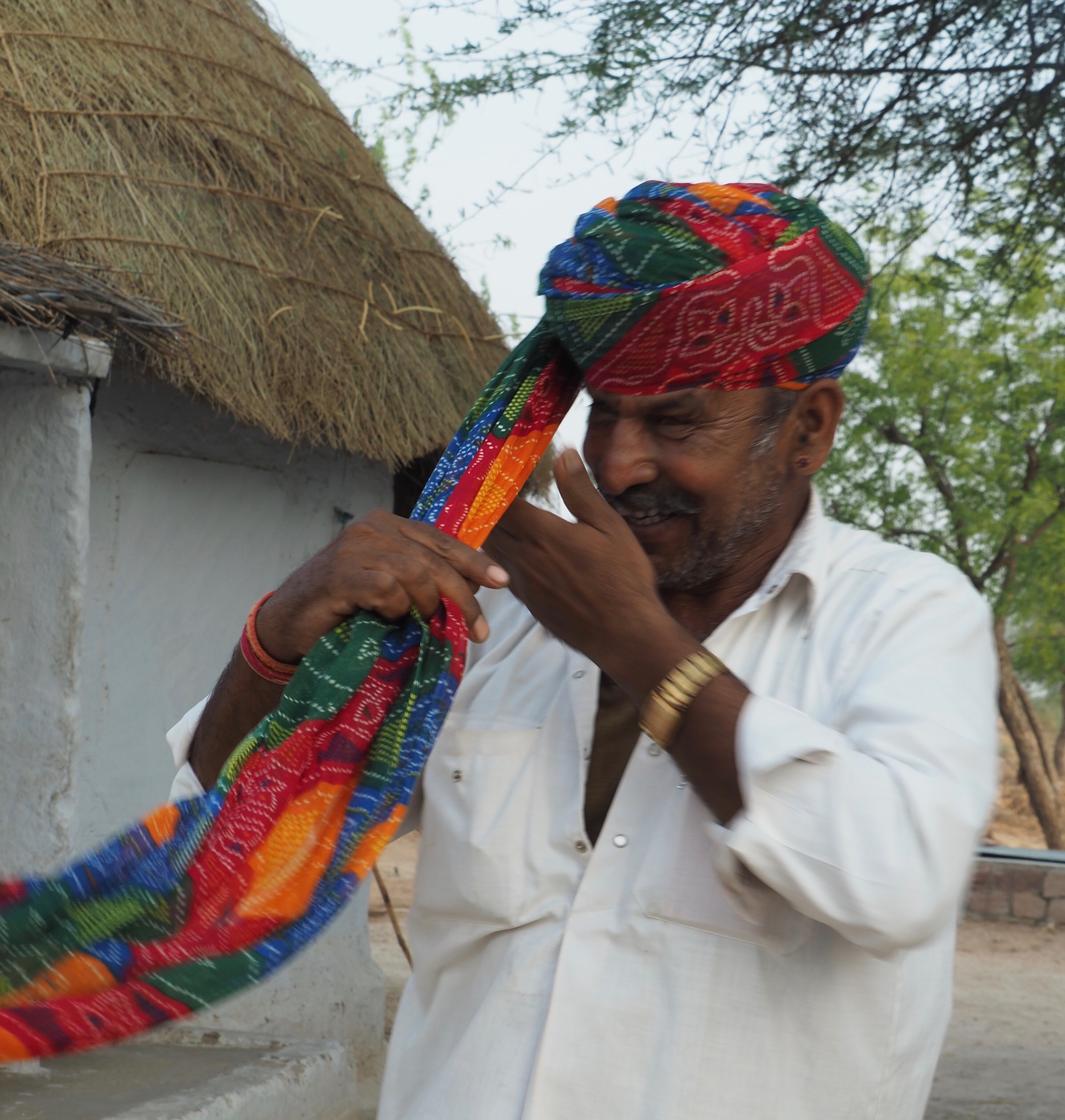
It takes know-how to wrap 15 meters of cloth around your head.
Visiting Rajasthan’s magnificent palaces and forts is impressive, awesome. We also especially enjoyed a visit to a tiny enclave of Bishnoi, a tribe known for love of wild animals. The tribal leader, a jovial character, showed us how he wraps 15 meters of cloth around his head to form his turban. He insisted we taste Bhang, a very potent brew which “can make you crazy.” Alcohol is supposedly forbidden, but “Lord Shiva likes Bhang so much we offer it to him,” – and have a healthy shot in the process.
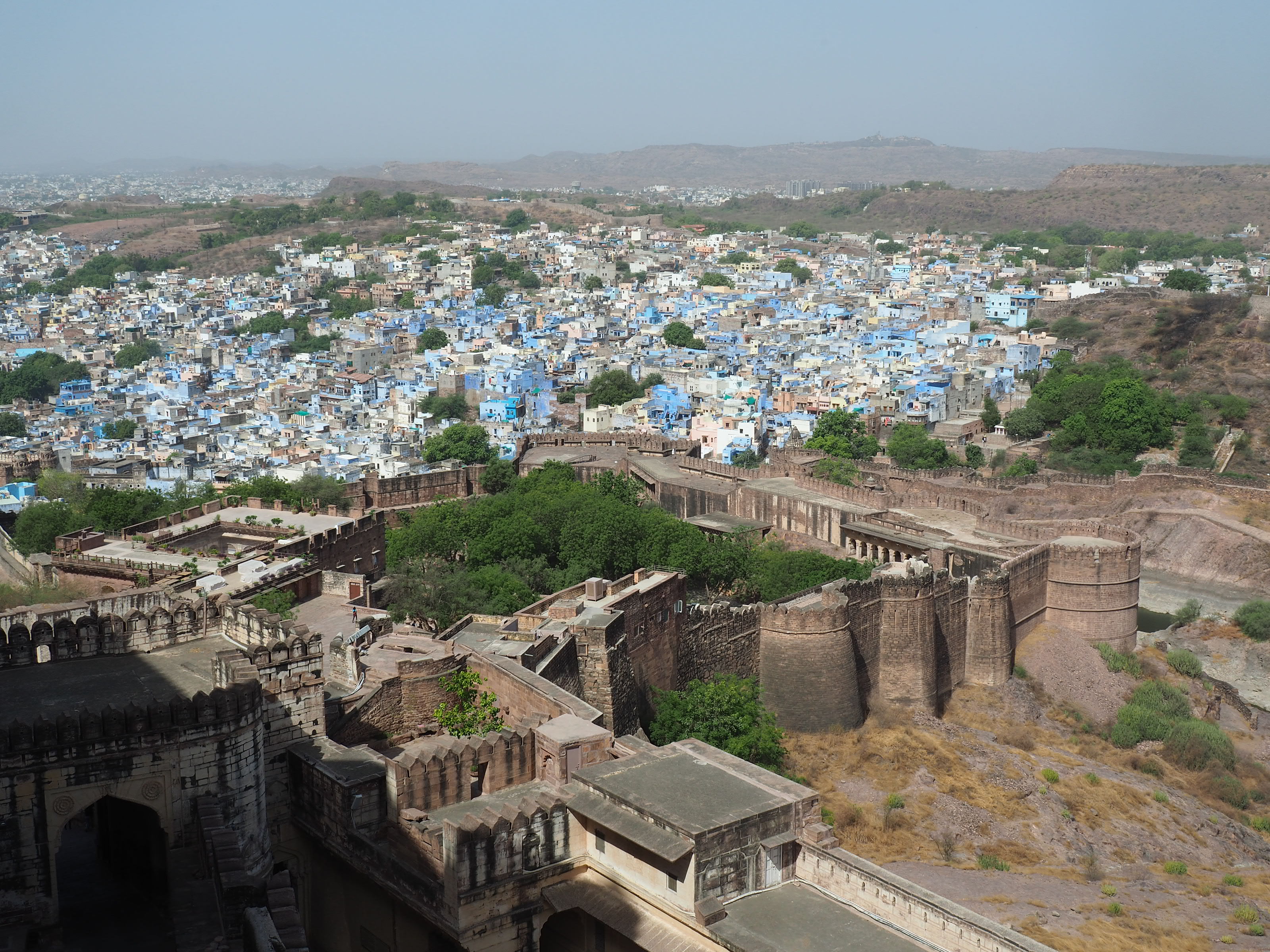
Rajasthan is all about color: vibrant saris wrapped around women; towering vivid, turbans crowning men’s heads; markets bursting with colorful vegetables, fabric and jewelry. Even towns are associated with color, Jaipur, “the pink city;” and Jodhpur, “the blue town.”
Jodhpur, the blue town, seen from the town’s Majestic Fort which has been enlarged over the years. The original fort was built in 1459.
“A picture is worth a thousand words” Enough of my words. Scroll down for more picture highlights of Rajasthan.
Sahelion Ki Bari, Garden of the Maid’s Honor at Udaipur
Don’t be shy. Scroll down, click, then scroll down again and add your comments.
Lakeside Udaipur
Jain temple at Ranakpur has 29 halls and 1,444 pillars all distinctly carved.
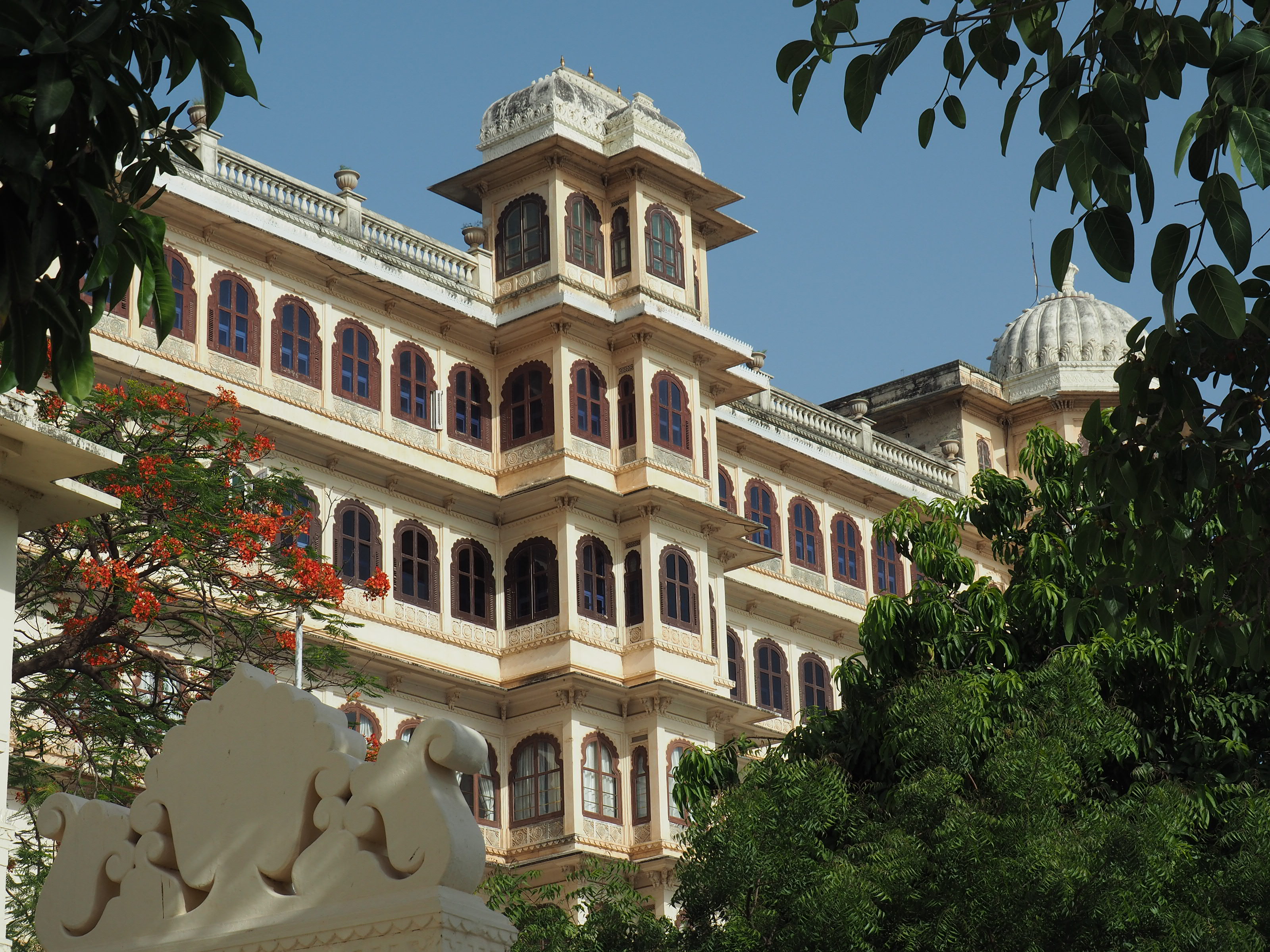
Fateh Prakash Palace, Udaipur, now a hotel where we stayed..
Marigolds are offered to Hindu gods.
If not already a Tales and Travel follower, please sign up, top of right column. Your information is kept private and never shared.
Pool at Samode Haveli, Jaipur
Our fascinating 11-day tour of Rajasthan was organized by Wild Frontiers. Accommodations in the gorgeous maharaja palace hotels were fabulous.www.wildfrontiers.co.uk
By popular request following a Facebook photo, Today’s Taste features a decadent and delicious recipe. Click on photo above right for details.
They tied the knot in Agra, India, in April. We were invited to the festivities. Indian weddings are legendary, days of interesting, lavish events. This was something not to miss.
Two years ago on a trip to northern India with a German tour group, I met Alok. (see previous posts, Intriguing India and more ) He was our guide – affable, knowledgable and fun. He speaks fluent German, as well as English in addition to his native Hindi. Among the many wedding guests were others from his tours.
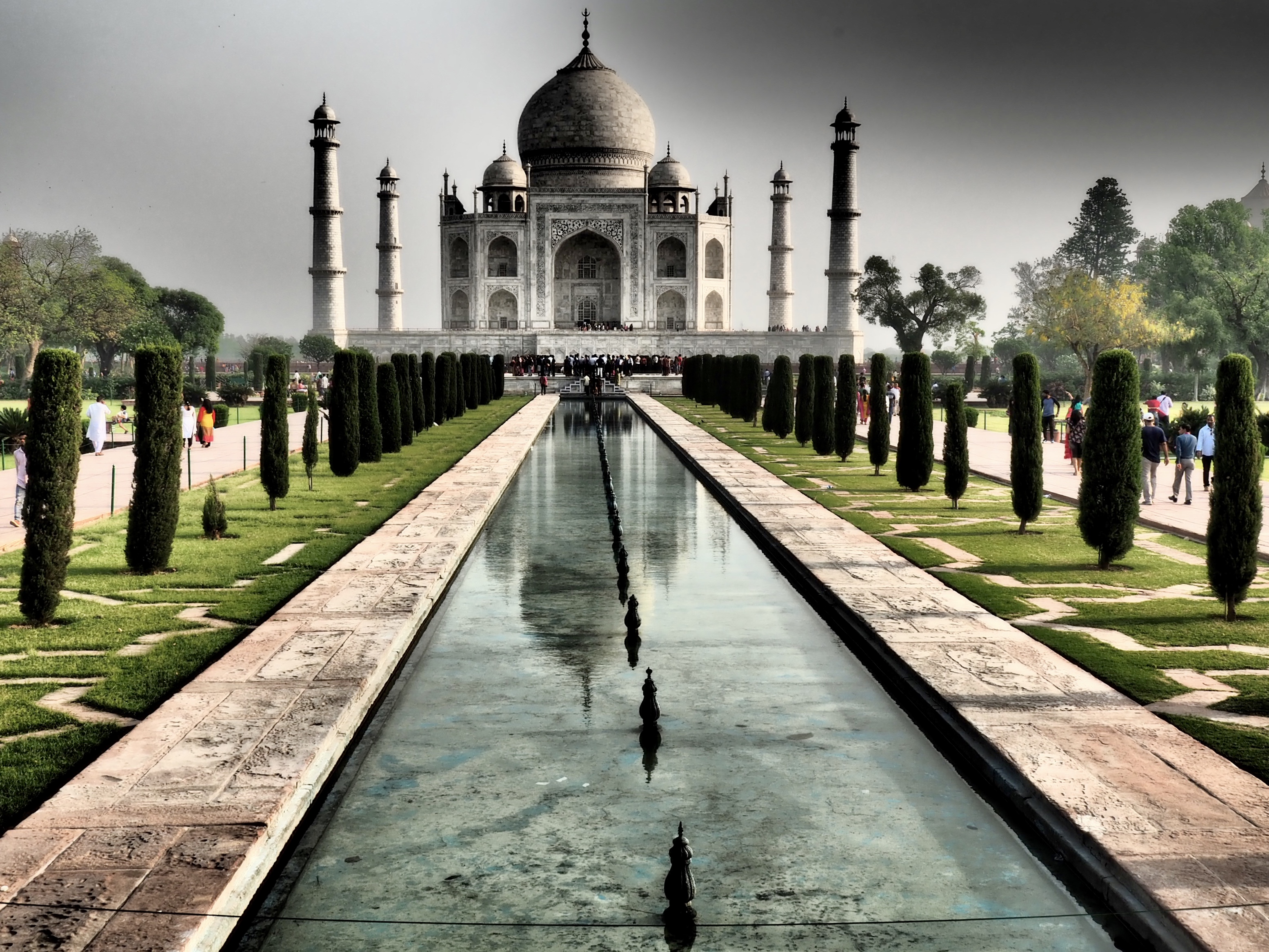
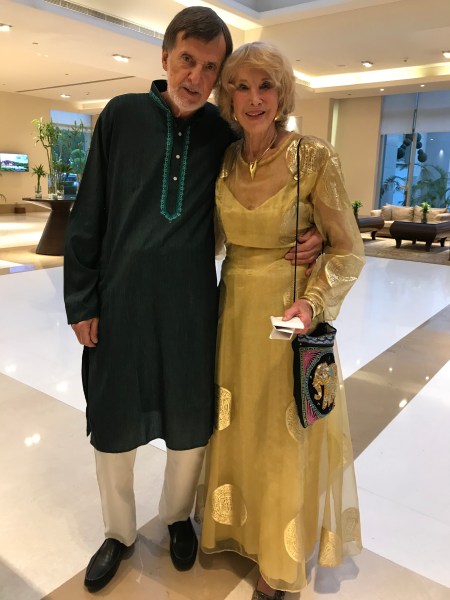
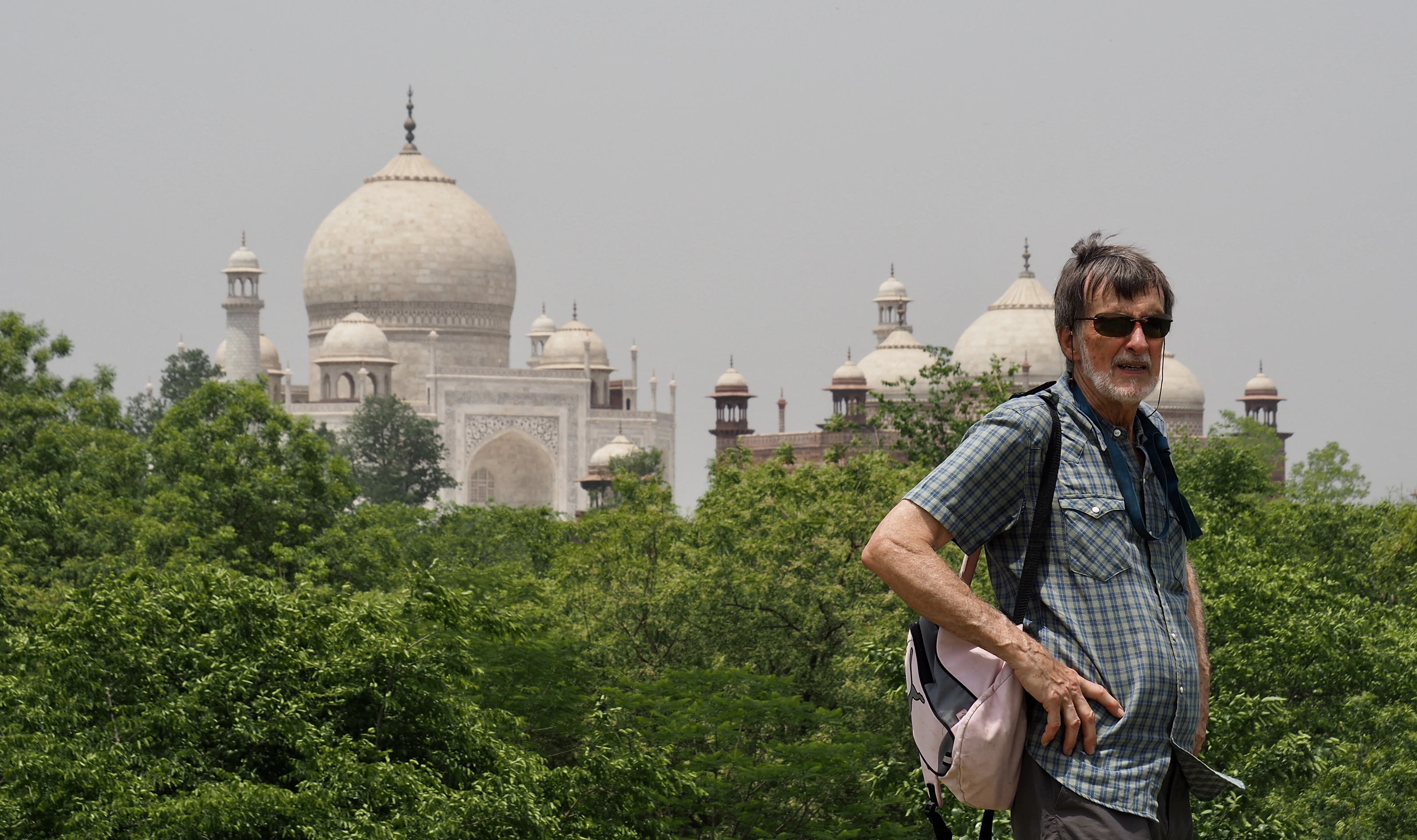
The wedding took place in Agra, Alok’s hometown and site of the Taj Mahal, a symbol of love.We wanted to follow customs, so we sought the advice of friends who had lived and worked in India. They looked over the invitation, a large elaborate card in bright red with gold lettering. Four events. Four different days. Each, we learned, required special attire. I was lucky. My friend Sigrid, a very talented seamstress, had been invited to an Indian wedding in London several years ago. She made two gorgeous outfits, both of a golden fabric that had been purchased in India. Perfect. I could borrow them.
Bob was not so lucky. When we arrived in Delhi, we showed the invitation to the
Try on at shop, very classy but he never wore the vest.guide/driver who would take us to Agra. He agreed. Bob needed to go native and wear Indian clothing for the events. We were whisked off to a classy shop where the salesman, after checking the invitation, convinced us Bob needed at least two Indian outfits. He tried to sell us three, but we stopped at two.
To make sure that we committed no grave faux pas, at our hotel in Agra I asked a receptionist to come to our room and check out our wedding wardrobe. She looked over the invitation and announced that my golden outfits were OK, but would not do for the main event, the actual wedding. For that, a genuine sari was de rigeur. Bob’s newly purchased Indian garb would do, but his shoes would not. He needed Indian foot attire, a type of slipper.
Determined to do it right, we set off to the bazaar the next morning. Bob refused to go for the slippers, but he did acquiesce and purchase a type of loafer. I bought a sari, sapphire blue, but later leaned that I should have gone for a brighter color.
The salesman skillfully wrapped the sari, nothing but a long piece of cloth (saris are from five to nine yards long), around me. No way I could ever master this. “Just google it,” he advised.
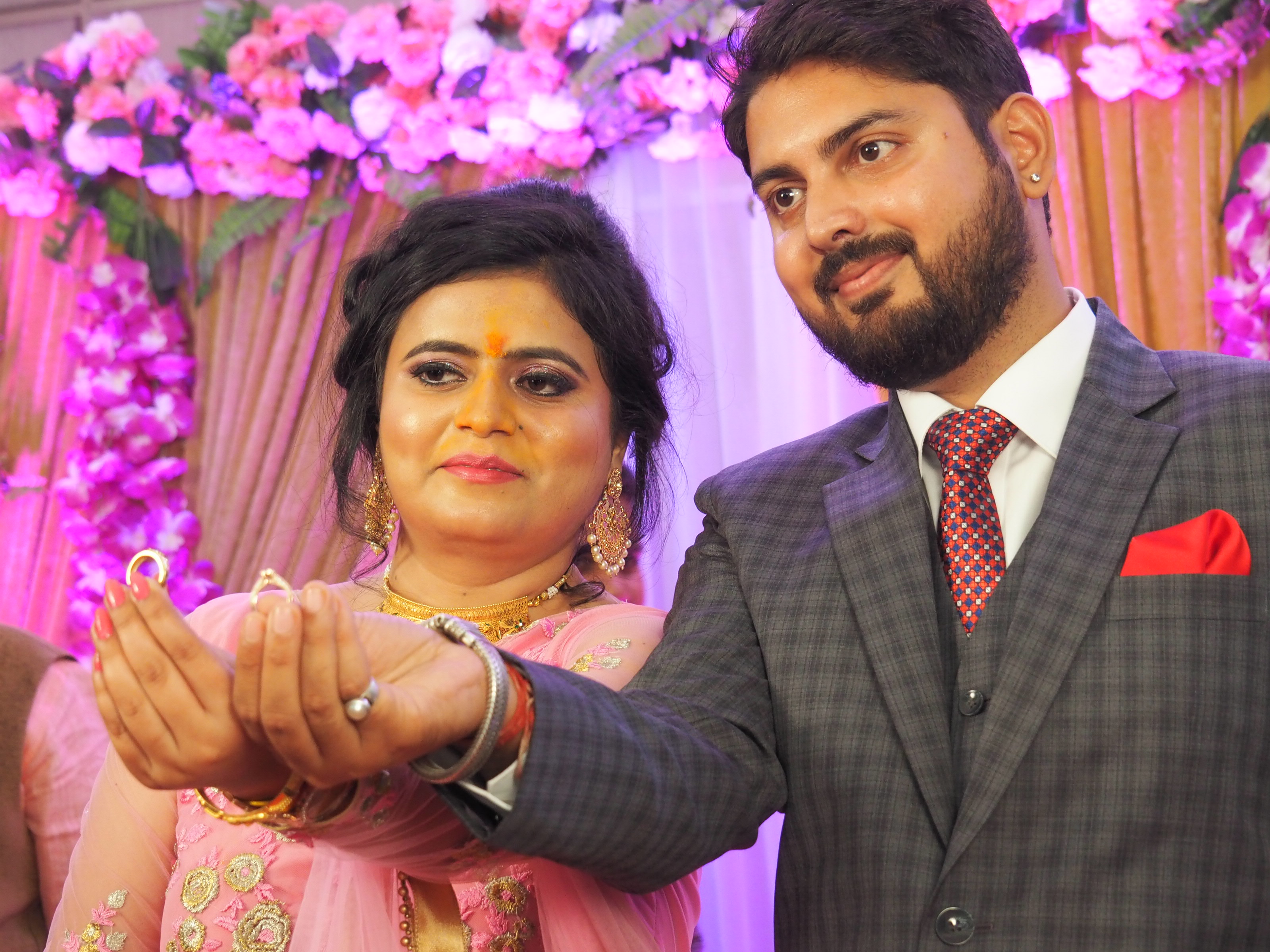
All decked out for the ring ceremonyFestivities kicked off with the ring ceremony. Swathed in golden cloth, and Bob in his dark green sherwani (?), Indian tunic and his new Indian loafers, we set off to a hotel where the event, attended by several hundred guests, was held. As they paraded in, we began to feel very uncomfortable. The men did not wear traditional Indian garb, just basic western street clothes. Most of the women, however, wore colorful saris with their arms festooned in tiers of sparkling bangles.
The groom arrived wearing a business suit, albeit a very smart, stylish one. Bob was not happy, feeling a bit ridiculous in his Indian costume. (I thought he looked cool). I also felt my golden garb was way over the top. So much for the advice of experts!
As this was a Hindu wedding, no alcohol. There was an assortment of very tasty hors d’oeuvres. Folks mingled around and kept busy with cell phone cameras. There were plenty of photo ops for all, including several professional photographers.
Ankita and her parents before the cameras
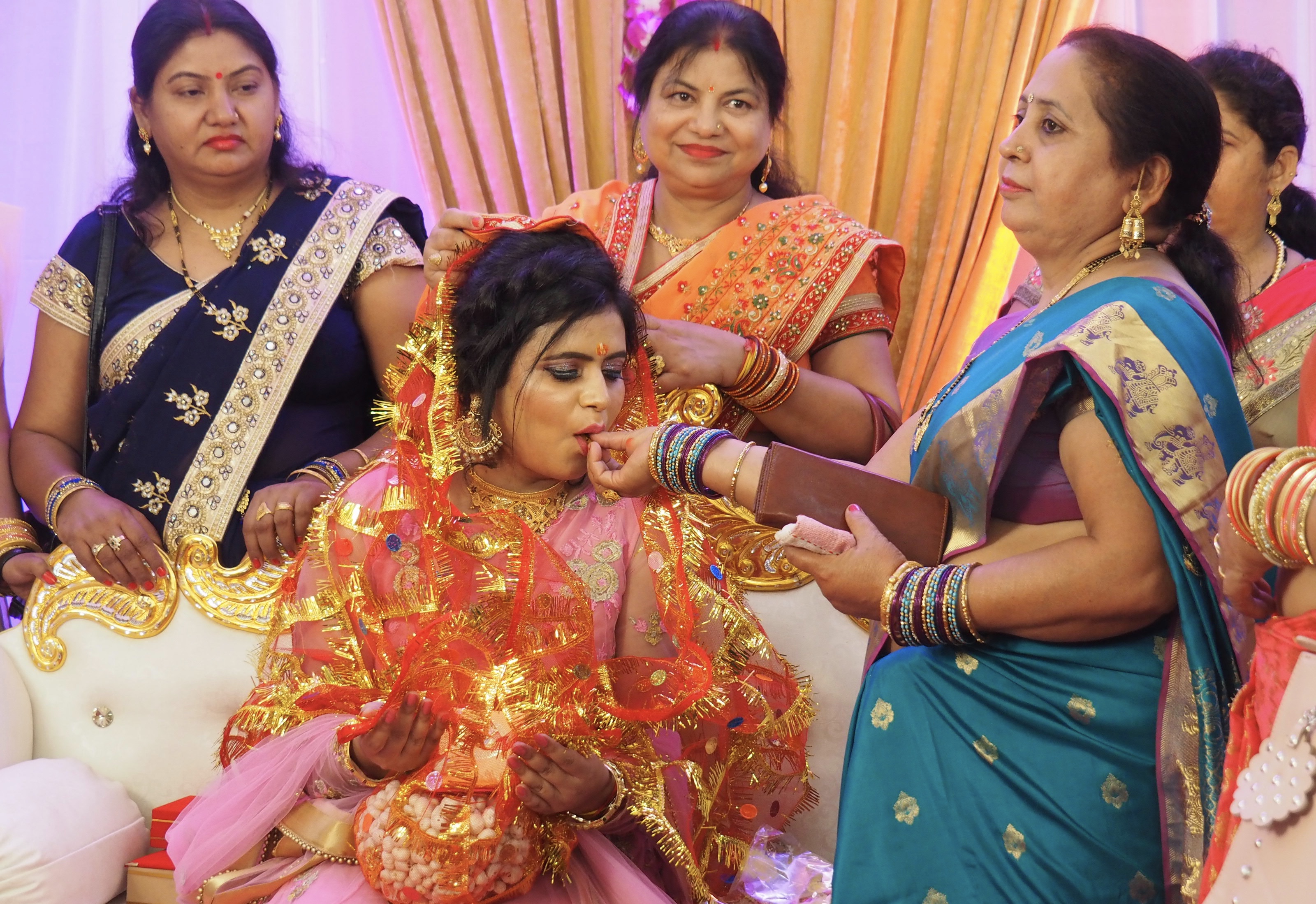
After the bride arrived, bejewelled and clad in a glamorous sari, ceremonies got under way. There were numerous different rituals: certain ones for the groom, others for the bride, and lots more photo ops.
We started to leave when the rituals ended — oops, not so soon. Guests were lining up in an adjacent room for a buffet. We joined in – delicious.
The following day Alok invited us and others from his tours to his home. We enjoyed chatting with the guests, mostly Germans, and savoring tasty delicacies, some prepared by Alok’s father. Alok had plenty of beer for his German friends.
Hospitality at Alok’s family home.That night a type of cocktail party and buffet hosted by the groom for his family and friends took place on the rooftop of a hotel/restaurant. Bob wore a sports coat, approved by the hotel receptionist. I ignored her advice and did not wear golden outfit number 2… fortunately. This was not a dressy affair. Not all Hindus are teetotalers, we learned. As this was Alok’s event, beer and Indian whiskey were available.
When it came time for the wedding, two days later, again I requested assistance from a hotel receptionist. No way could I google “sari” and conquer the wrap. Another helpful young woman came to the rescue and dressed me. Bob wore the luscious red tunic (sherwani). He rejected the gorgeous vest and matching pants, but the Indian loafers were on his feet.
The wedding began with the “barat,” a raucous parade from the groom’s house to the party venue.
We first joined others at his home where he was seated at a kitchen table being dressed by his mother and others. They sang as they worked. This time he was in full traditional attire, turban and all.
The parade was incredible, dancing guests following a “band,” lots of horns and drums. Fireworks along the route added more noise. Traffic had to stop. The groom, seated high up in a horse-drawn carriage under a garland festooned canopy, brought up the rear.
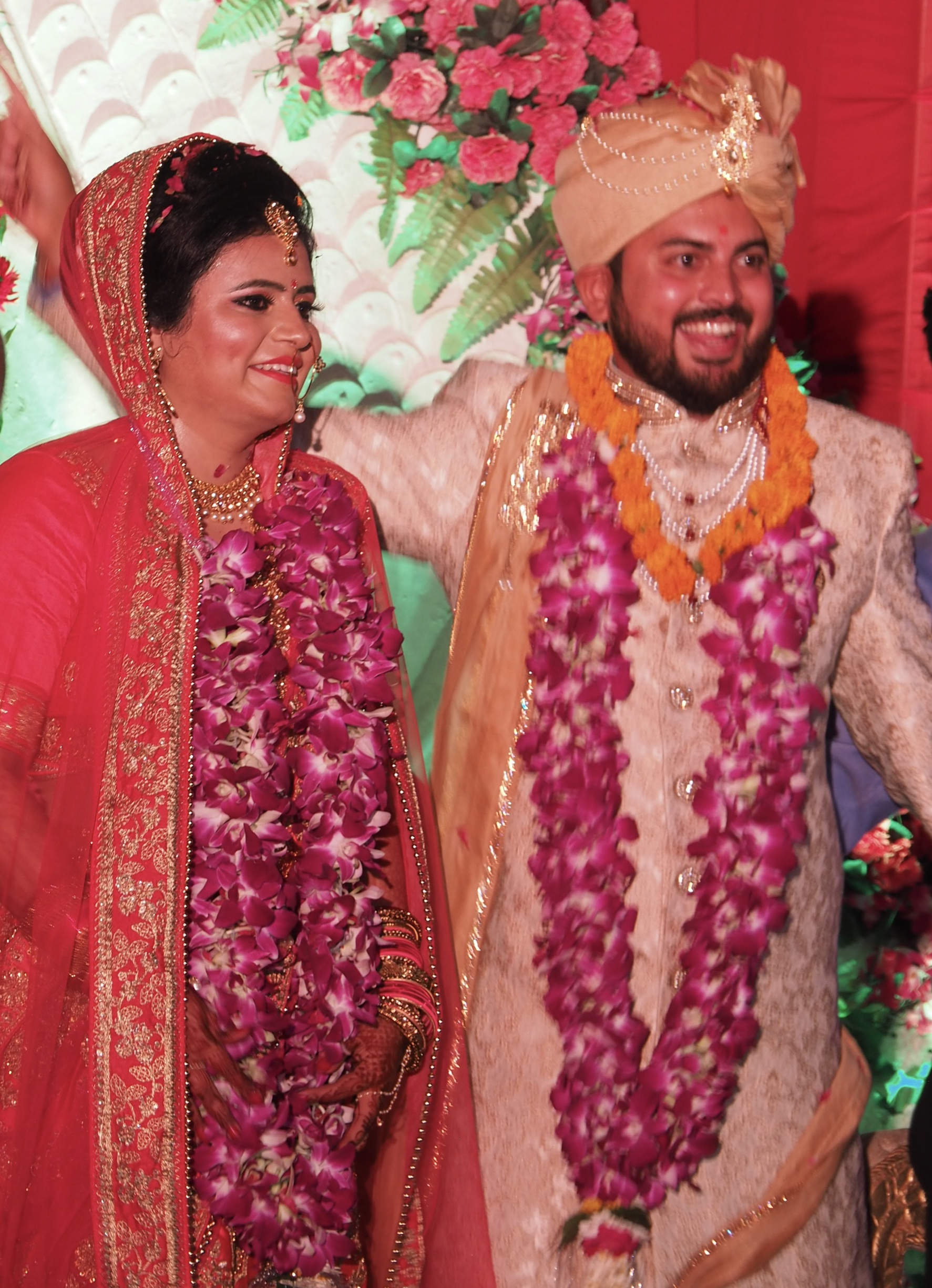
All manner of stands offing a wide range of food ringed the huge, open venue space. The bride and groom sat on a stage at one end. A band played. In addition to numerous photographers, the momentous event was captured by drone cameras.
Guests lined up to offer best wishes to the pair, showering them with rose petals. This went on for several hours, but the real wedding ceremony, more Hindu rituals, took place much later and was attended mainly by close family.
We will long remember Alok and Ankita’s wedding, like no other. And, just in case we get invited to another Indian wedding, our wardrobe is ready.
A Word on Indian Weddings
In India, “When a baby girl is born, the family starts saving for her wedding,” said Sunil Kumar Nair, resident manager of the DoubleTree Hilton in Agra where we stayed. “The bride’s family pays for all. The boy gets everything,” he added.
Average cost: $50,000 to $60,000. That accounts for about 200 guests, but it is not uncommon to have many more, up to 2,000 guests with a corresponding price tag. During our stay, many weddings took place at the hotel, outdoors on the lawn in a football field – sized space.
Wedding venue at our hotel.And, many weddings that week in April all over Agra, a popular wedding site with its iconic Taj Mahal considered a symbol of love.
Wedding dates are decided by the Hindu calendar. There are two main wedding seasons, we learned, September to February, and April/May. A priest consults the horoscopes of the couple, the positions of the planets and the stars, and fixes the date. Sunil said one year on February 2, a particularly auspicious day, there were 80,000 weddings in Delhi.
Alok and Ankita’s marriage was arranged, as are about 80 percent of marriages in India. It usually starts with a search in the Sunday Times of India: a full page of “Wanted Grooms” and another of “Wanted Brides.” The ads are divided into categories by caste. India has four main castes, and it is important to marry within one’s caste. Both Alok and Ankita are Brahmins.
When a probable match is found, background info, references etc. , are exchanged. If all looks good, the parents meet. If that goes well, the couple meets with the parents. Alok first met Ankita during a stop at a highway restaurant on one of his tours.
Sunil said traditions are changing, and more and more couples are marrying for love. Yet, the arranged system has its merits. According to one source, the divorce rate in India is the lowest in the world.
Between wedding events, we walked the Taj Mahal nature trail.After the wedding, we toured spectacular Rajasthan. More in coming posts. Don’t miss out. If not already a Tales and Travel follower, sign up, upper right. Your address is kept private and never shared.
Comments welcome . Click below then scroll to the bottom and let me know your thoughts
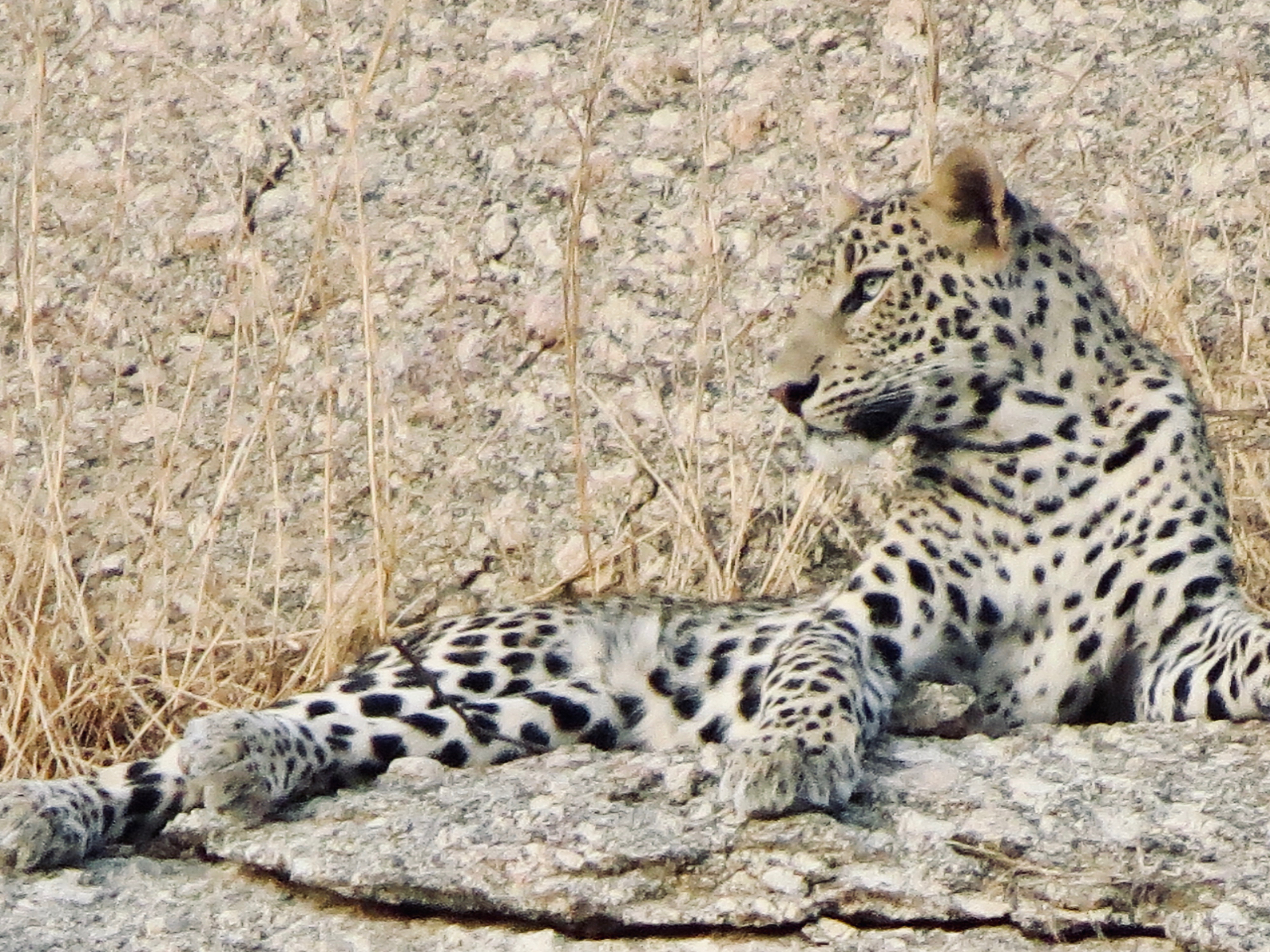
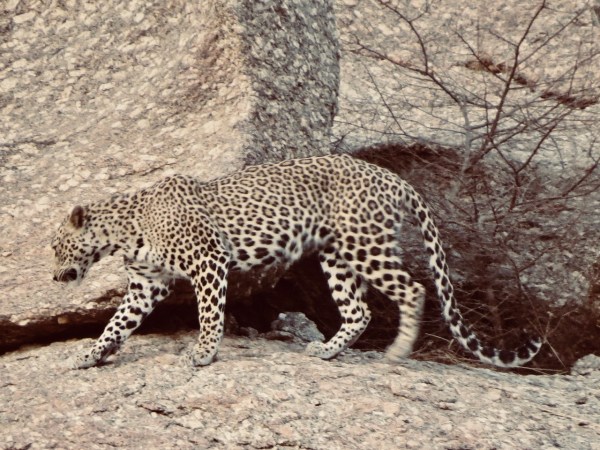
Wow! There he was, lounging high up on the rocks. Magnificent. Gorgeous. Bhamsa, a 3-year-old male leopard. On a previous safari in Africa, then one in Sri Lanka, I had hopes of a leopard sighting. No luck. These cats are secretive, elusive.
We were in the rugged countryside near Narlai, a rural village in Rajasthan, India. Just us, a guide and the jeep driver. First we bounced around the back country near our hotel, off roads, into fields, through bush, stopping frequently to scour the landscape. A few peacocks. Antelope. Errant cows. Nary a leopard. I was more than disappointed, certain this would be yet another failed mission.
Abruptly the driver turned around, backtracked through the village, on to a major road, racing like police on a chase. Hold on! A sharp turn onto a dirt track through rugged, barren terrain. The chase intensified.
As we approached a range of rocky slopes, the vehicle came to a speedy halt. “There, up there, a leopard.” Leopard? Where? I had a hard time finding him. Those spots and the beige coat blend in with the background. The guide gave me his binoculars. Yes. There he was. Awesome.
We watched Bhamsa, mesmerized. He stared at us. My Olympus lens was not long enough for photos, but the guide took many with his Canon Power Shot and sent them to me on Whats App.
As we marveled at our leopard, out of nowhere appeared a young man with masala tea (an Indian special with spices), sandwiches and cookies. Also awesome.
We learned that eight leopards make their home in this region which is not on the popular Rajasthan tourist trek. Each leopard has his own territory of about 14 kilometers.
Life expectancy for leopards is between 15-18 years. They weigh in between 70 -80 kilos, smaller than tigers which can weigh up to 200 kilos.
Bhamsa grew bored watching us, slowly stood up, stretched his long, lean beautiful body and moved on, jumping onto rocks out of our sight.
The excitement, the thrill of viewing wild beasts — be they gorillas, elephants, lions, leopards — in their natural habitat is like no other. I can’t get enough.
According to the last census (2014) there are 2,226 tigers in India which has 50 tiger reserves.
India rewarded us – not just with one leopard, but two tigers. We joined a group safari in Ranthambore National Park, a vast wildlife reserve in Rajasthan and home to 68 tigers. This time we were in a jeep with four others, some of whom had been on many tiger safaris and had interesting tales to tell.
On our morning trek we saw the imposing 10th century Ranthambore Fort up on a hillside, as well as the ubiquitous peacocks and antelope. Leopards also make their home in the park, but it is the tigers for which it is known.
Due to shrinking habitats in India, leopards and tigers sometimes enter villages, killing livestock. Humans have also been attacked.
After several boring hours, a tiger was spotted. That is, someone spotted a tiger. Again I failed to see it. This feline was sleeping in the brush, well camouflaged. All that was visible was the head. We drove around to another spot for a better view, soon followed by vehicle after vehicle. Word had spread fast.
We, and at least 12 other vehicles filled with eager eyes, waited and waited. My patience was dwindling. I had seen enough of the tiger’s head. The guide knew best. The tiger would wake up.
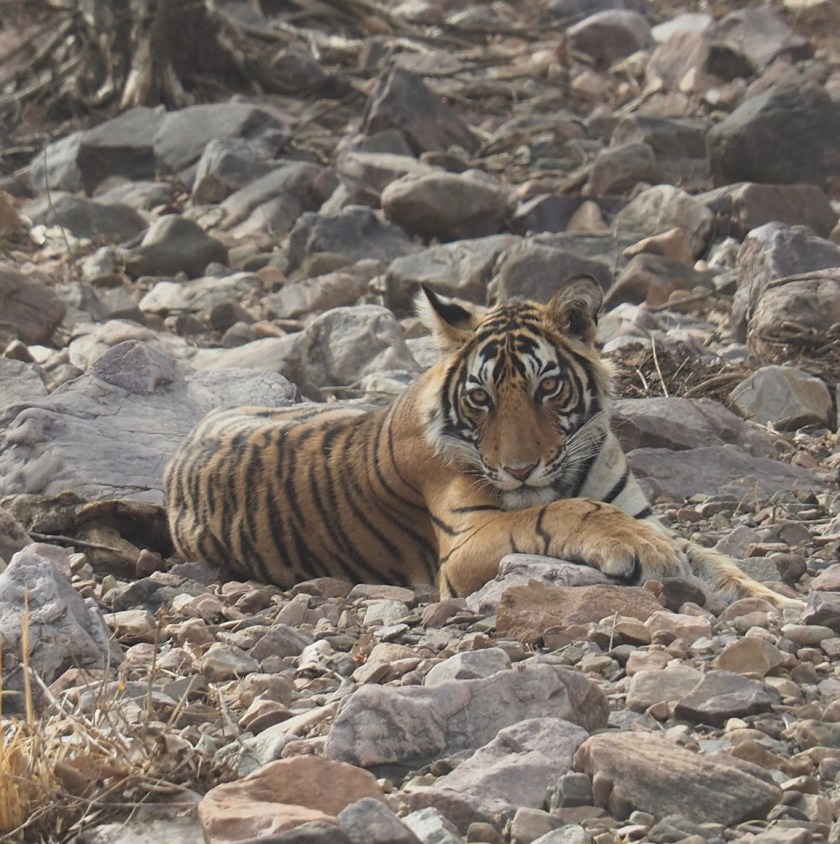
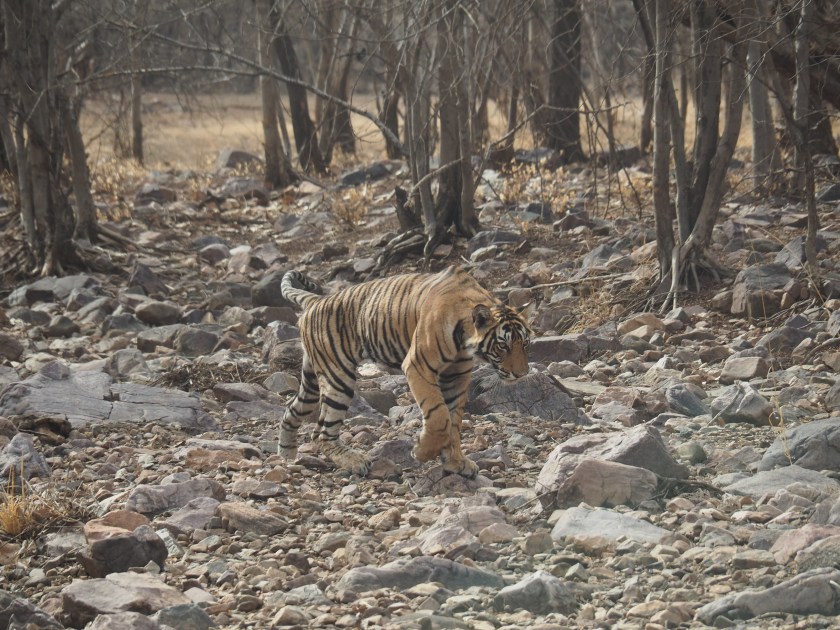
It did. He sat up for awhile, taking in the conglomeration of vehicles, perhaps hoping we would disappear. No way. Not concerned, after a bit he headed in our direction, closer and closer. Even my Olympus could handle this. Ranthambore tigers are obviously accustomed to an audience.
And, not far behind, another stunning tiger. They were brother and sister, 1½ year old cubs, we learned. They paraded by, the female following her brother, remarkably close to the safari jeeps.
Too close for comfort was the tiger which jumped in front of a resident at our lodging, Khem Villas, located in the wilderness on the edge of the park. The gentleman from London decided to take an early morning stroll (5 a.m.) and was standing by the pool when the tiger jumped from a wall. He froze. The tiger went her way. All was well. We later learned that a few days earlier another resident had spotted the tiger drinking at the pond on the property. I was not so lucky, but I was overwhelmed with the footage of the same tiger, a mother with two precious 2-month old cubs dutifully following behind, that had been captured by the hotel motion camera.
According to the staff, the tiger has left the park in search of new territory to protect her babies from a sex-hungry male. The latter are known to kill the cubs of a female if they want to mate. Khem Villas advises residents not to stray from the complex. Barriers are erected at night.
One of our vehicle mates, a young man from Mumbai, knew more about tigers than the guides. He had been all over India on tiger safaris. I was fascinated with the story of Machli,a famous Ranthambore tiger, “the most photographed tiger in the world” who died at the age of 20 in 2016. She had seven liters of cubs and is legendary for killing a huge crocodile. Google her. There are pictures of the crocodile kill, and her funeral.
Our fascinating 11-day tour of Rajasthan was organized by Wild Frontiers. www.wildfrontiers.co.uk
After returning from India about a month ago, we launched into house sale, a big project which has left me no time for blogging. We must downsize and hope to move close to the Med. I have missed blogging and have much more to tell about India, and Egypt, and where we may move. So stay tuned.
It will be sad to leave, but now is the time.
If not already a talesandtravel follower, sign up, upper right. It is safe. Your address is kept confidential and not shared.
Comments welcome. Click below: “Leave a Reply,” then scroll down to end of post and add your thoughts.
Gerlinde trekked for 12 days in northern Myanmar, a region with no roads, only accessible by small plane and requiring special permission to visit. “It was the best trip ever, such an adventure, no tourists. We did not see a white face for five days,” she said.
Erich traveled by camel, through the Jordanian dessert for a week. He camped in a cave used for burials. “It was very romantic. Normal tourists don’t do this,” he said. He recalled other past adventures: Driving from Germany to Iran; being robbed, a knife at his neck, in eastern Turkey.
I wrote this article for the magazine German Life (www.germanlife.com) where it was recently published. As soon as I conquer a new operating system on my computer, I hope to post more on Sri Lanka.
Sepp has climbed mountains in Pakistan, India and Nepal. He and his wife Inge have been to Morocco, Mauritius, Uzbekistan, all European countries, and recently to India for the fourth time.
Annette returned to Rwanda for the fifth time to hike uphill through dense bamboo forests to observe mountain gorillas. “I am addicted,” she explained.
Annette, far right, on her fifth trip to Rwanda, a trek to see mountain gorillas.
Many Germans, like those mentioned above, are passionate about travel. While the above adventures may not be among the pursuits of the average tourist, Germans are known, not just for their travel lust, but for seeking out exotic destinations and unique experiences…sometimes too unique
Ivy, a staff member at a safari lodge in Botswana, told a horrifying tale of a German couple who were driving through the game park in a rented car which broke down. The husband left his wife and set out on foot to find assistance. His wife stayed in the car and was rescued. He never returned…only his boots were found.
Most tourists visit the game parks with a group and guide, Ivy said, but “the Germans prefer self-drive.”
Comments on German travelers from a travel web site included this from someone who had worked at a resort hotel in Eilat, Israel: “From all the nations that would make our guests (and workers) it seems that the Germans were the most traveled people.”
In the Myanmar jungle, Gerlinde encountered leeches.
Another comment: “I was recently in South Africa and let me tell you that I think I met more Germans than South Africans. They are everywhere!!” With six weeks of paid vacation per year, Germans have more time to travel than the average American. Travel they do, especially in winter to escape the oppressive, cold and dark days.
Norbert Fiebig, president of the Deutscher Reise Verband, sums it up on the organization web site: “Germans attach great importance to travelling. Most Germans are fascinated by relaxing holidays and discovering cultures and landscapes that are foreign to them.” Blogger Andrew Couch, who writes about Germany, finds “the quality of life idea of having vacation time is deeply a part of German working culture.”
Perhaps Germans are inspired by the country’s literary giant, Johann Wolfgang von Goethe. His Italienische Reise (Italian Journey) is a classic. “Für Naturen wie die meine ist eine Reise unschätzbar: Sie belebt, berichtigt, belehrt und bildet, ” he wrote in a letter to Schiller in 1797. “For natures like mine a journey is invaluable; it animates, corrects, instructs and develops.”
Last year I accompanied a German tour group to northern India. Most of the group, like Sepp and Inge, had been to India numerous times, as well as many other countries. They especially like the friendly people in India, the culture, and “last but not least, the good food,” said traveler Rainer.
German tourists in Dharamsala, India
Our Indian guide, Rajesh Mendiratta, has been leading German tour groups for 25 years. He started out in the tourist industry working in a hotel. German guests complained that the
Tour guides Alok and Raj
guides did not speak good German, he recalled. He decided to learn the language, studied at the Goethe Institute in India and became a guide mainly for Germans.
“The Germans are interested in learning about everything. They are very correct people. They are appreciative,” he said.
Most in our group knew Raj from previous trips. He has visited some of them in Germany. “They invite me in their homes. I value their friendship,” he said.
For the second portion of our trip, a younger Indian guide, Alok Tripathi, took over. Like many Indians he speaks English, but he decided to learn German and focus on German tourists because “there is too much competition with English.”
He agrees with Raj and has found that “Germans want to learn everything, the culture; traditions…Americans just want to shop.” Yet, Americans get a plus for tips. They are more generous, he said.
According to Raj, Germans rank as the number one nationality visiting India. “They saved us,” he said, referring to the slump in tourism 10 years ago when other nationalities, including the British who had been at the top, cut back on travel to India. Germans kept coming.
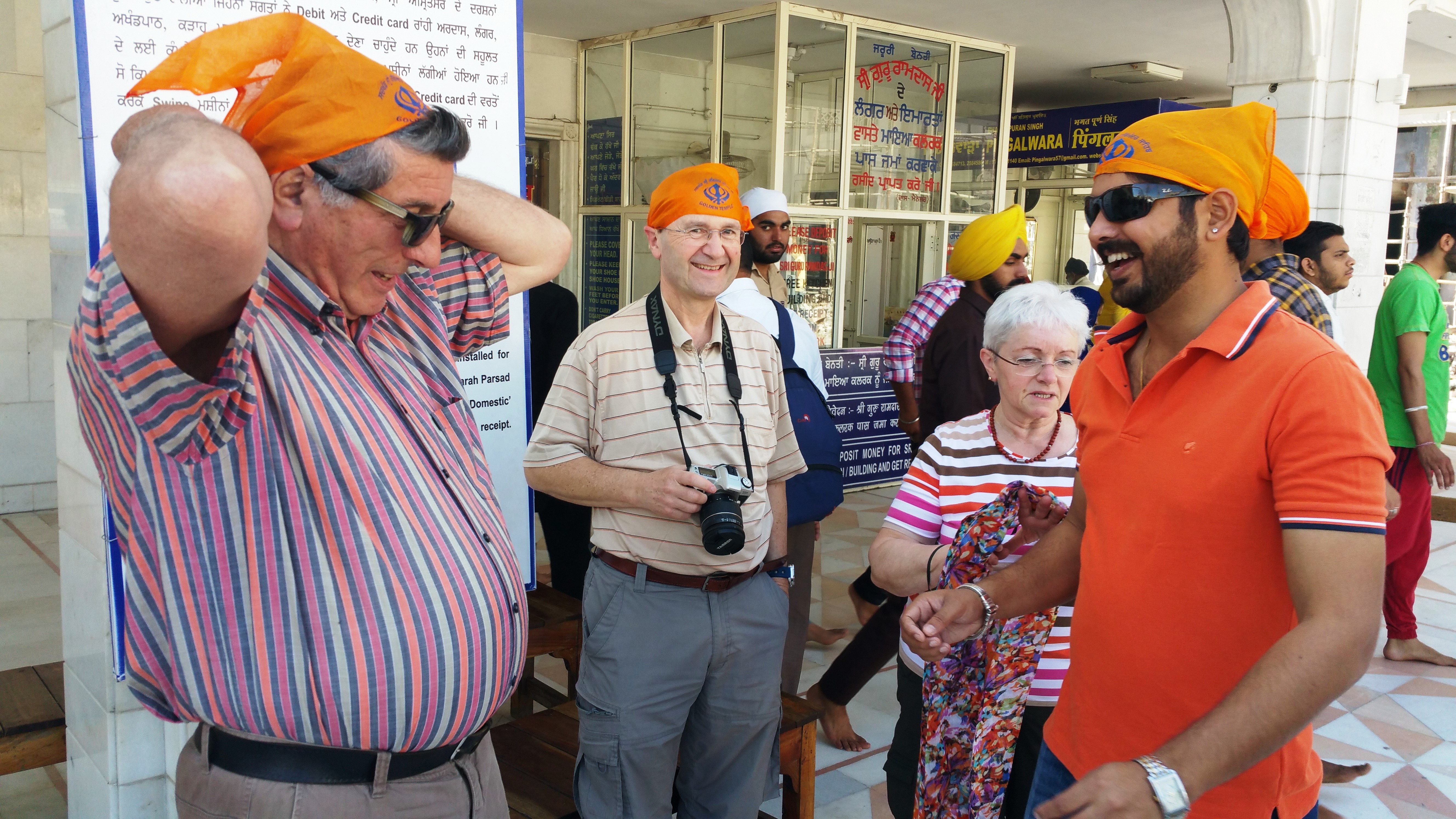
Germans visit the Golden Temple in Amritsar, India, where heads must be covered.
While Germans love India, it is not their favorite foreign destination. That distinction goes to Spain, followed by Greece and Italy. “Greece is currently having the strongest growth with booking plus of 41 percent compared to last summer,” said Susanne Stünckel, a spokesperson for TUI Deutschland, the largest leisure, travel and tourism company in the world.
Long-distance destinations such as the U.S., Mexico, South America, Canada, Indonesia and the Seychelles, are also “growing rapidly,” she said. New York is the German favorite in the U.S., followed by Miami, Los Angeles, Las Vegas and San Francisco.
More Germans, like those previously mentioned, are venturing off the beaten track, Stünckel noted, “moving more and more into exotic destinations with increasing travel experience.”
One such place is Iran, which travel agent Bettina Rohleder in Karlsruhe termed “very popular.” Travelers, including Gerlinde who visited Iran with a guide, find the country friendly and fascinating.
Yet Germany is considered the most popular overall destination of Germans who are happy with short travel distances, the close proximity of attractions, and being able to speak the same language.
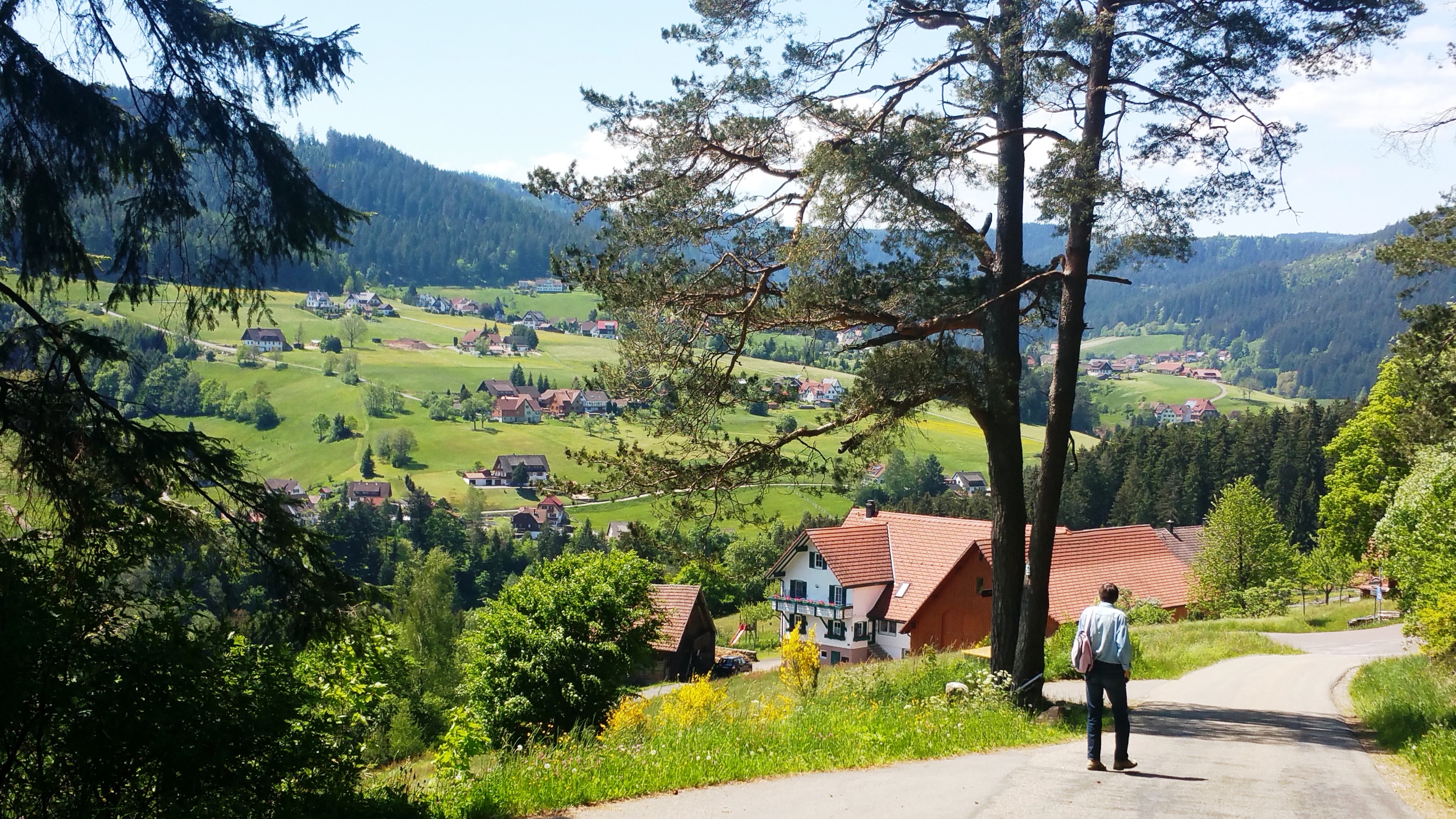
The Black Forest, above, is popular for “Wandern” (hiking), a favorite German pastime.
“Hiking in Bavaria, swimming in the Baltic Sea, culture and history in Berlin – it’s the variety that people love,’’ said Karl Born, professor of tourism management at the Harz University of Applied Sciences in Saxony-Anhalt.
Hamburg is tops for culture this year with the recent opening of the Elbphilharmonie, the city’s new concert hall acclaimed as one of the largest and most acoustically advanced concert halls in the world. The glassy construction resembling a hoisted sail was designed by Herzon & de Meuron and is attracting visitors from around the world — not just Germany.
According to the German National Tourist Board (GNTB), culture is the number one drawing card (75%) for visits to the country, followed by the outdoors and countryside. Whatever the motivation, more and more international tourists are joining the Germans to experience the wonders of Deutschland. The nation’s tourism numbers have been up consistently for the past six to seven years.
“Germany’s reputation as a stable, safe and affluent nation has boosted its status as an attractive travel destination in recent years, especially as tourists increasingly find themselves in the crosshairs of international terrorists,” notes Deutsche Welle, the country’s international broadcaster.
Germany’s number one attraction: Neuschwanstein Castle
With 35 million international visitors in 2015, Germany placed eighth in world tourism rankings by the United Nations World Tourism Organization. France took top honors that year with 84.5 million visitors. Most foreign visitors to Germany come from the neighboring Netherlands, followed by Switzerland, with the U.S. in third place.
The top attraction in the country: Neuschwanstein Castle. Other favorites are the Berlin Wall,
Wilma at the Taj Mahal.
Rothenburg ob der Tauber, Heidelberg Castle, the Cologne Cathedral and the Romantic Road. Berlin is the most popular city, followed by Munich.
“Germany is full of attractions,” says my friend Wilma who lives in Darmstadt. “I like the Rhine. I like Bavaria and the mountains. I like the cities, Berlin, Munich, Hamburg. There are so many old and interesting things. Germany would be the best country for travel if it weren’t for the weather.”
Never mind the weather, Germany was number one in the U.S. News & World Report’s “Best Countries” index.
If not already a Tales and Travel follower, sign up (upper right). Your address is kept private and never shared.
Please feel free to comment. Click below, scroll down to Leave a Reply and add your thoughts. … More new recipes coming soon.

























 When it came time for the wedding, two days later, again I requested assistance from a hotel receptionist. No way could I google “sari” and conquer the wrap. Another helpful young woman came to the rescue and dressed me. Bob wore the luscious red tunic (sherwani). He rejected the gorgeous vest and matching pants, but the Indian loafers were on his feet.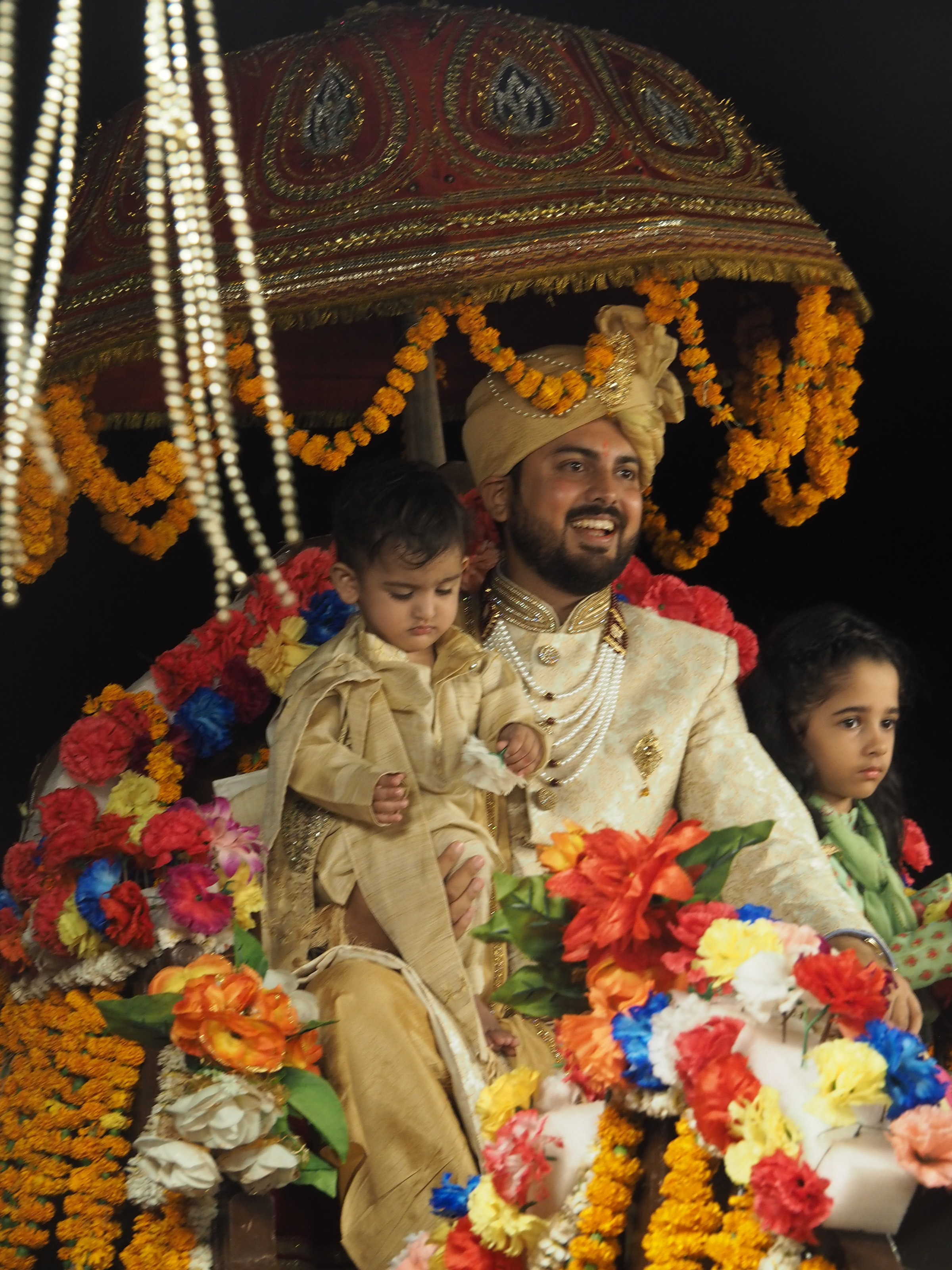
 All manner of stands offing a wide range of food ringed the huge, open venue space. The bride and groom sat on a stage at one end. A band played. In addition to numerous photographers, the momentous event was captured by drone cameras.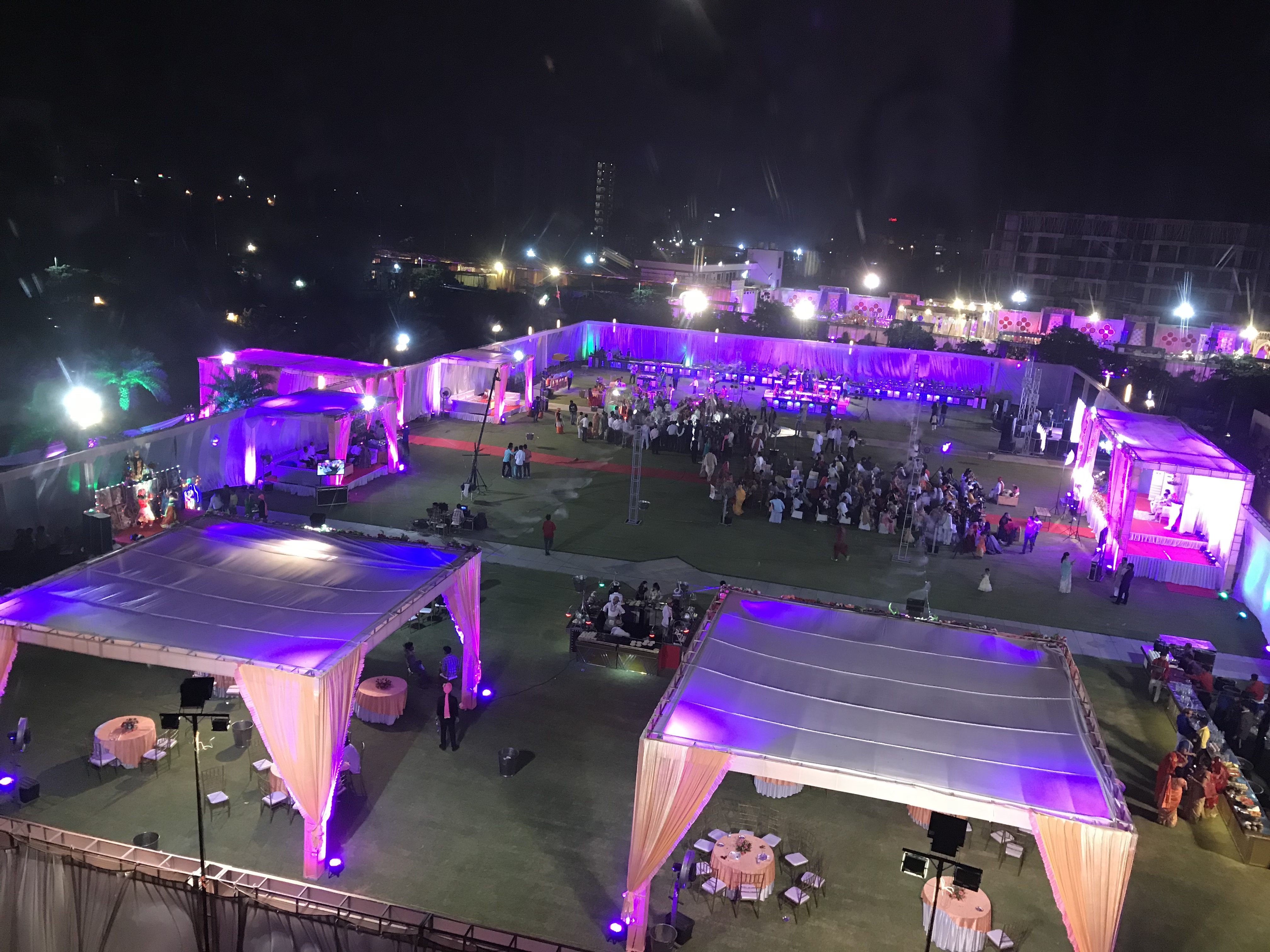


 We were in the rugged countryside near Narlai, a rural village in Rajasthan, India. Just us, a guide and the jeep driver. First we bounced around the back country near our hotel, off roads, into fields, through bush, stopping frequently to scour the landscape. A few peacocks. Antelope. Errant cows. Nary a leopard. I was more than disappointed, certain this would be yet another failed mission.
 We watched Bhamsa, mesmerized. He stared at us. My Olympus lens was not long enough for photos, but the guide took many with his Canon Power Shot and sent them to me on Whats App.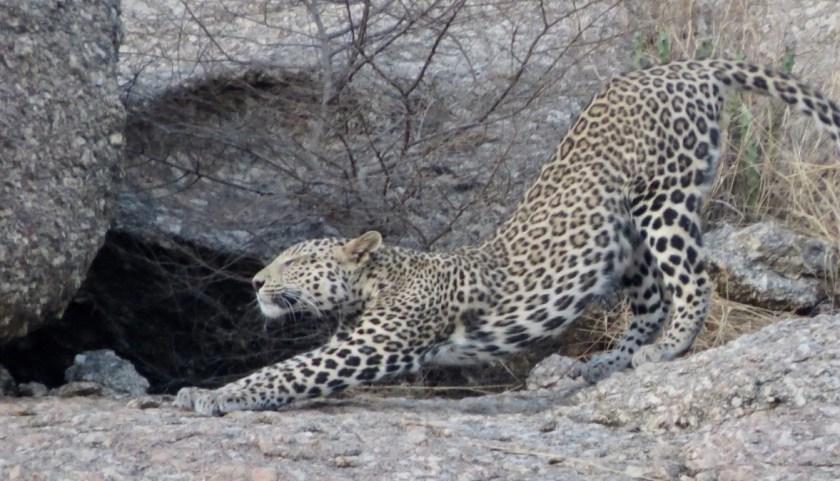





 Tales and Travel