Madagascar’s New Leader: Hope Amid Challenges

Will the new president of this island nation, the fifth poorest country in the world, tackle the immense problems engulfing the country? Chronic water and electricity shortages, corruption, poverty, crime, lack of educational and job opportunities…

Protests in Antananarivo

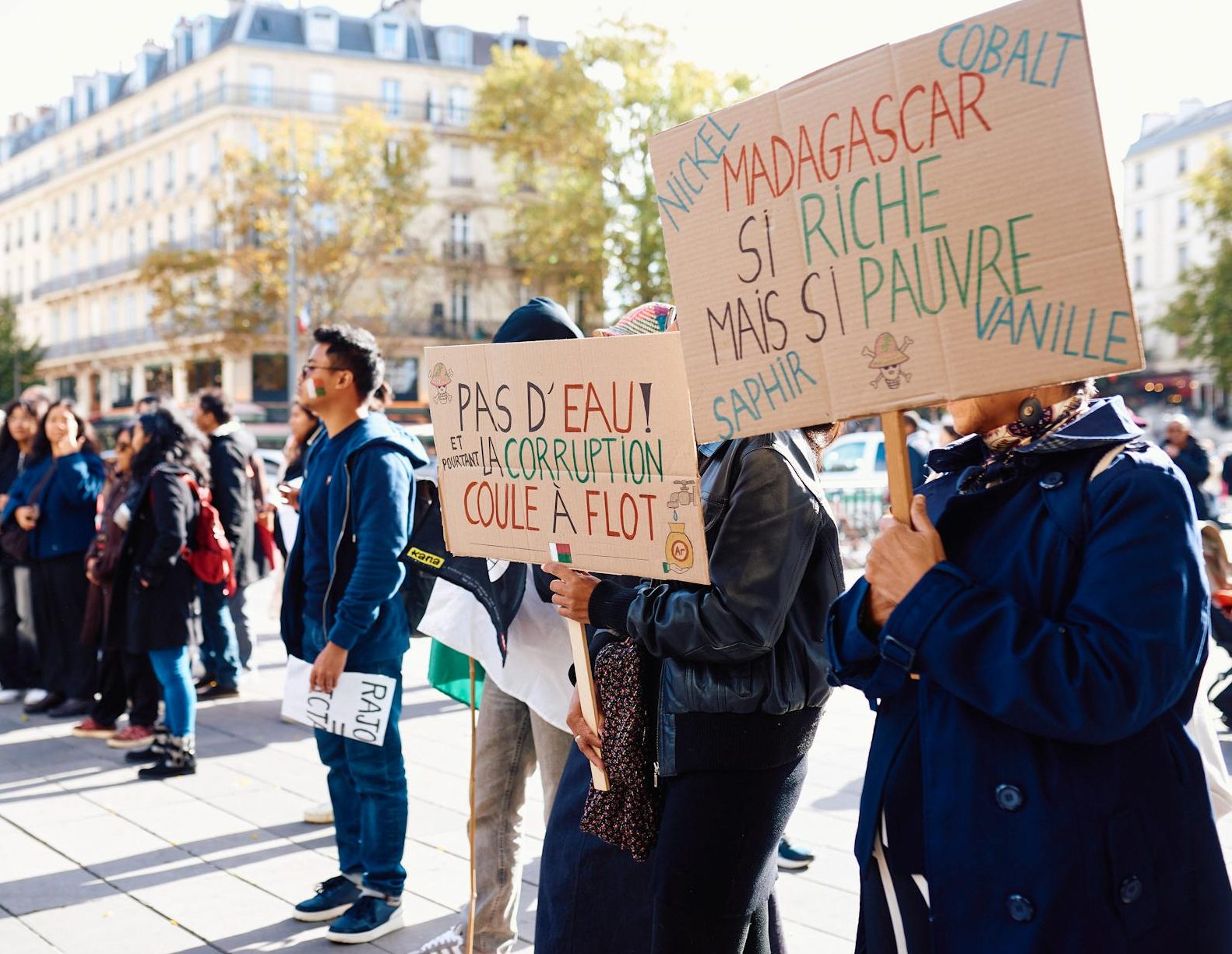
 Young protesters, Gen Z Madagascar, recently took to the streets by the thousands, demanding action.  After weeks of mayhem, the military stepped in, backed the protesters, and toppled the government. Former president Andry Rajoelina had been impeached and fled the country.  The constitutional court declared Col Michael Randrianirina as the new ruler.

Antananarivo traffic

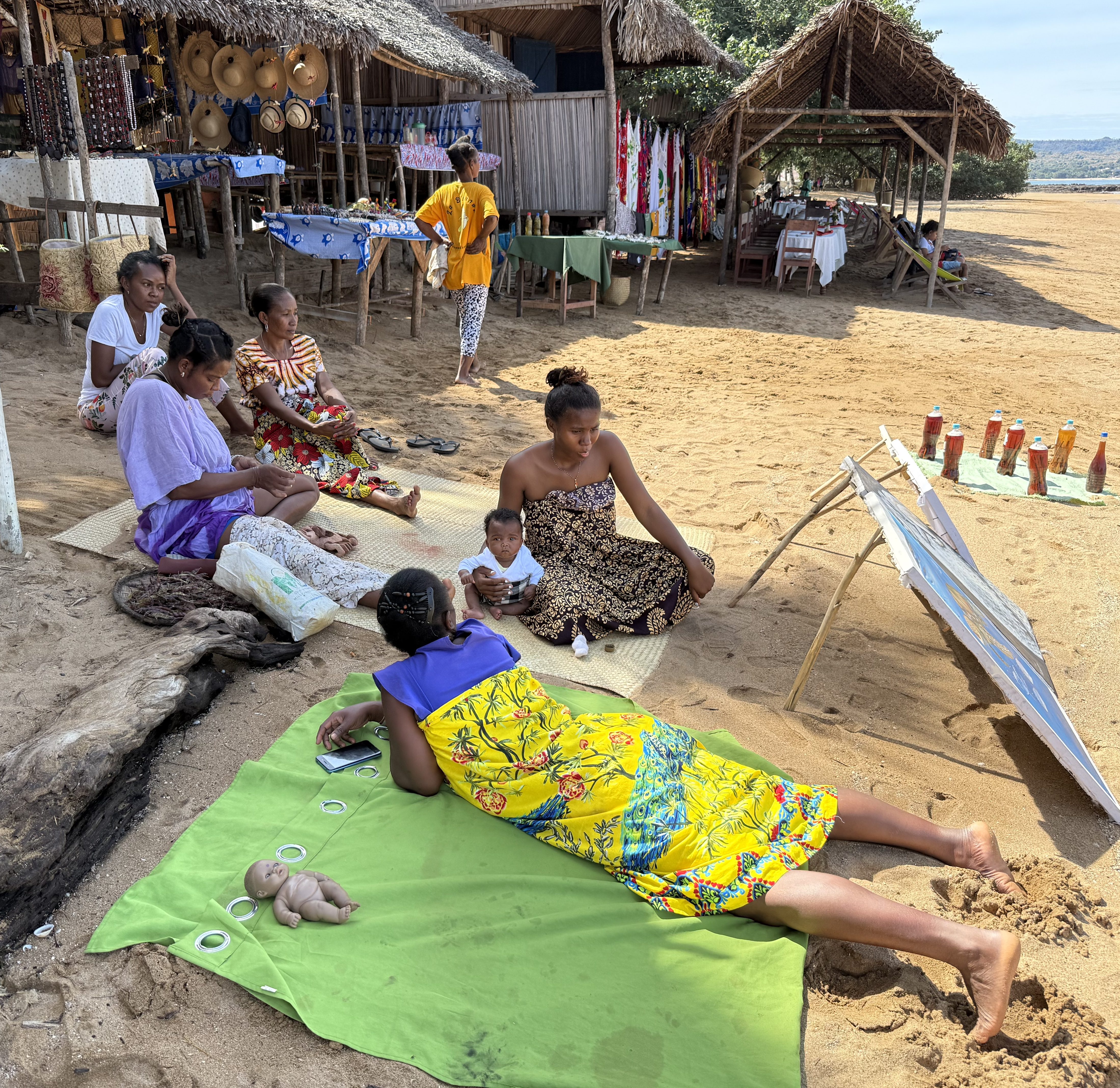
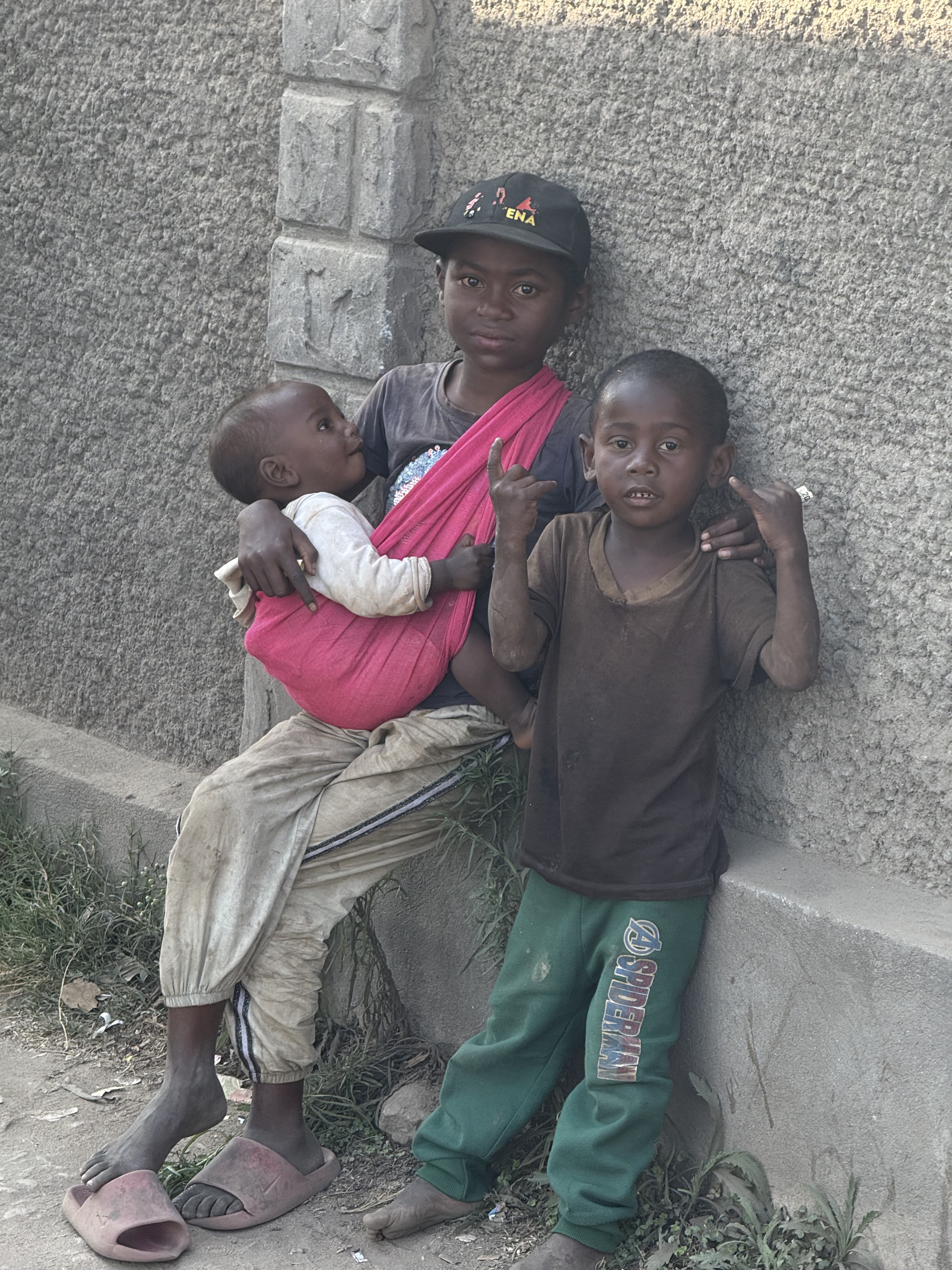
I visited Madagascar last summer. The poverty is overwhelming.  The chaos and traffic congestion in Antananarivo, the capital city, are mind boggling. Petty crime (pickpocketing) is pervasive. I was cautioned not to walk alone in the city. I asked a guide to take me to the main city market.  He refused.  It would be too risky.

Infamous cable car

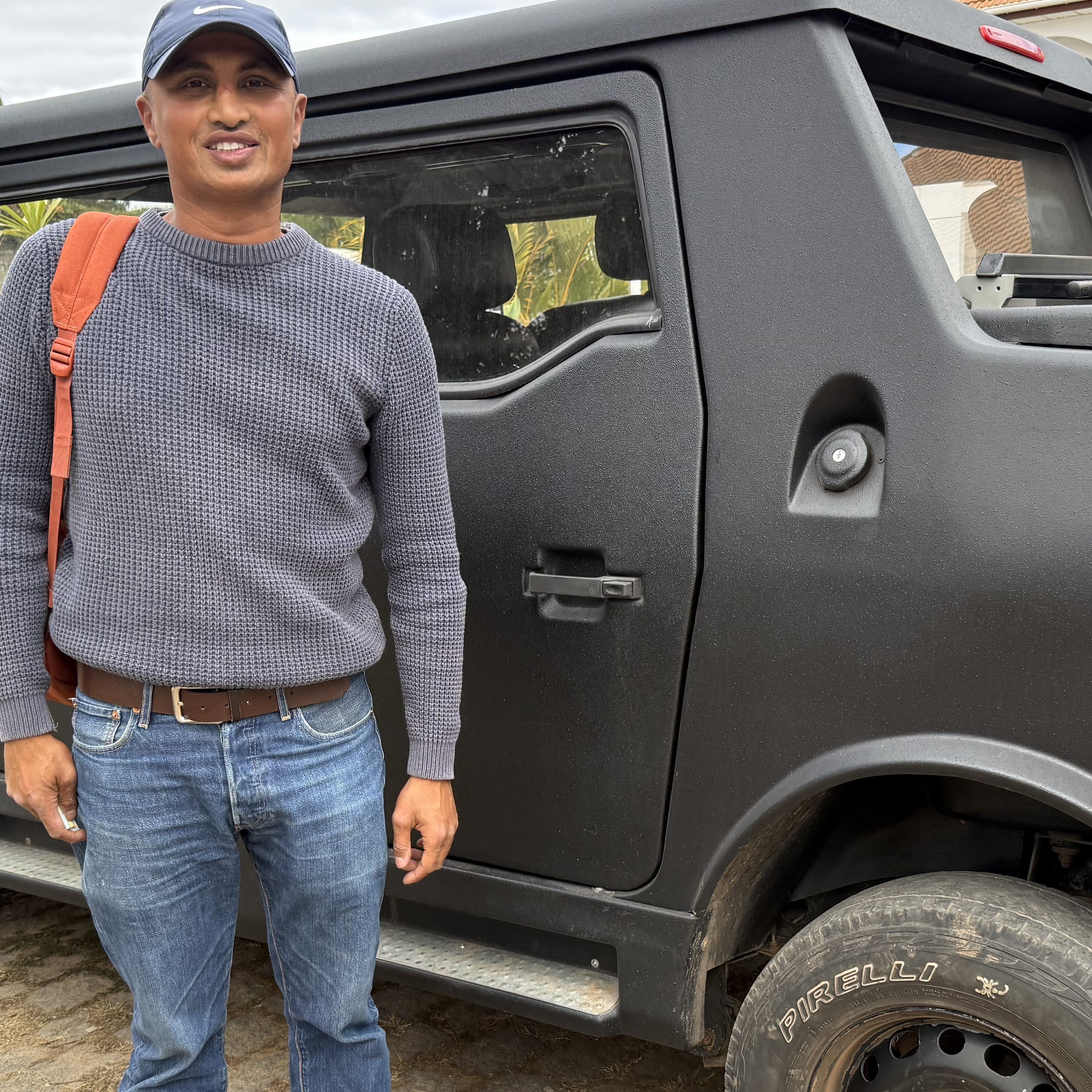
John Delmas, my guide, pointed out a glaring symbol of corruption, a cable car crossing the city.  The goal is to whisk people across town and avoid the stifling traffic. Citizens, who suffer water and electricity shortages, felt the money would be better spent to improve basic needs.  Nonetheless a French company installed the cable car to the cost of some 150 million euros.  It now stands still. Protestors destroyed the boarding stations.

I learned a lot about fish from these friendly locals in a coastal village where sardines are drying.

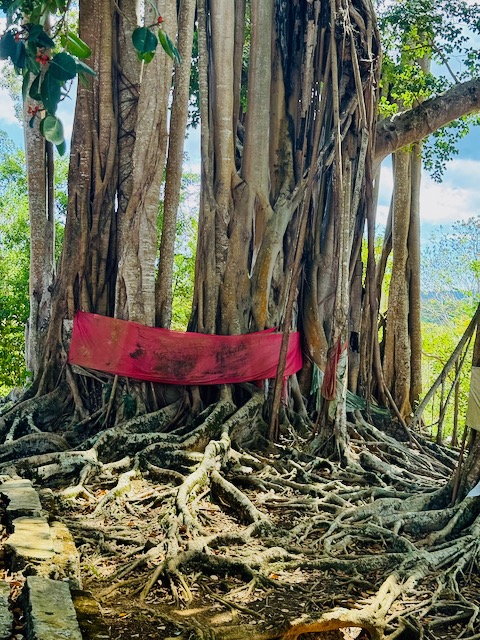
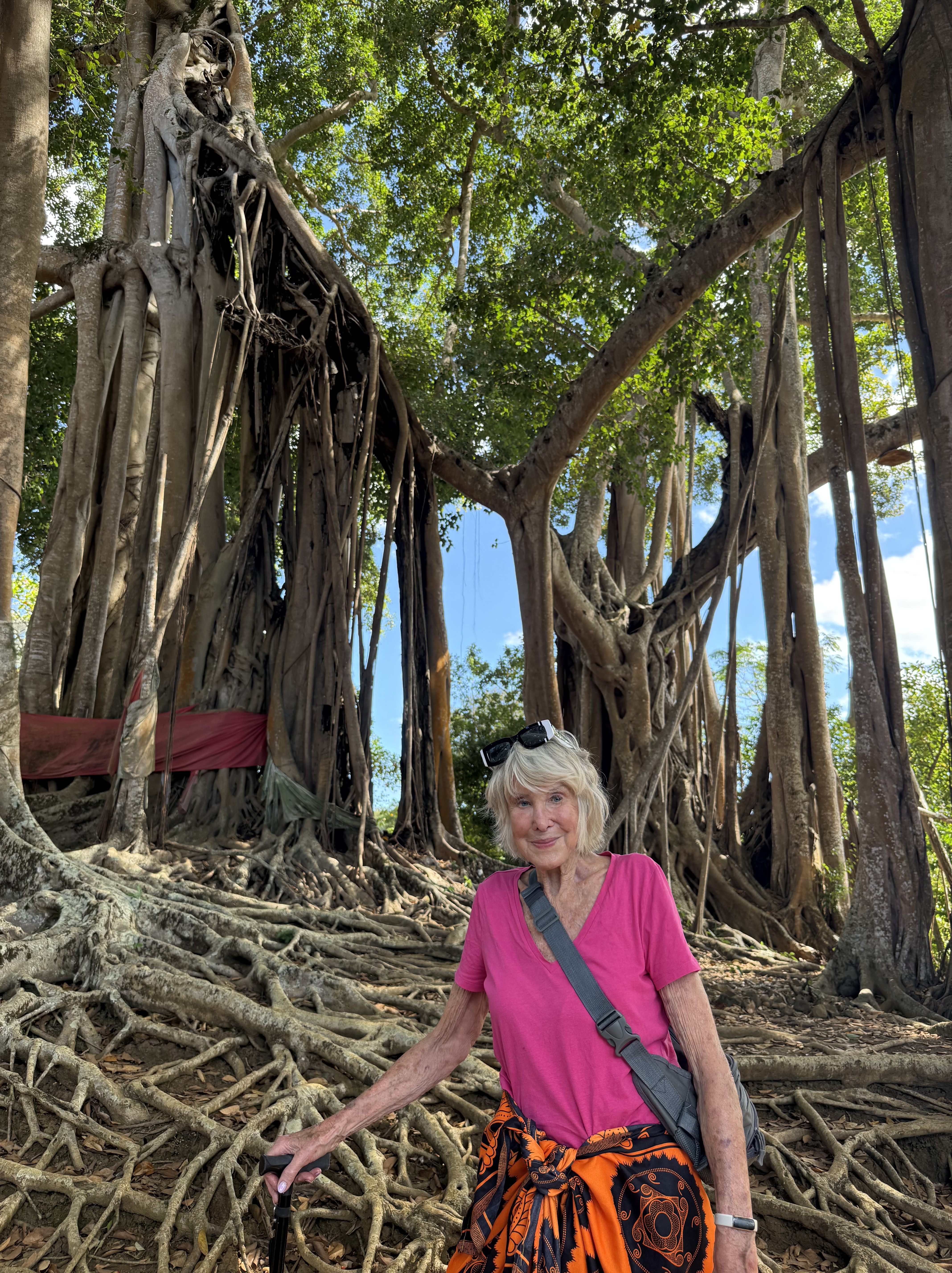
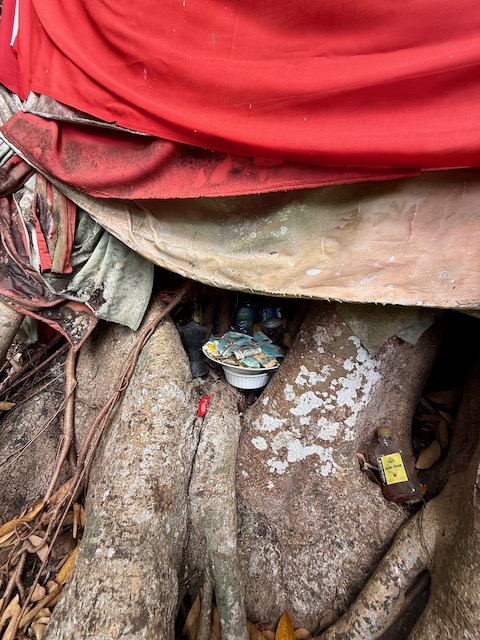
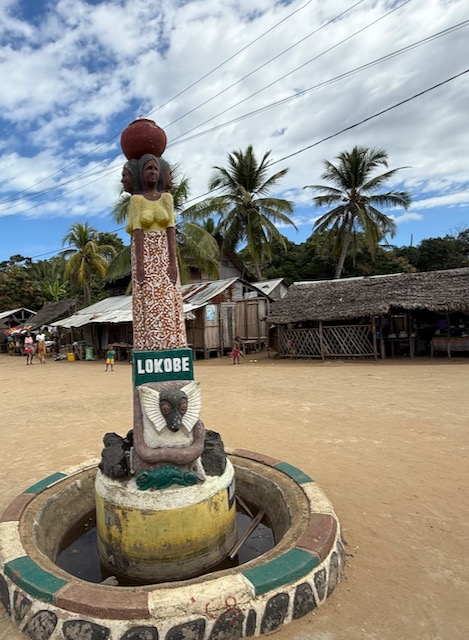
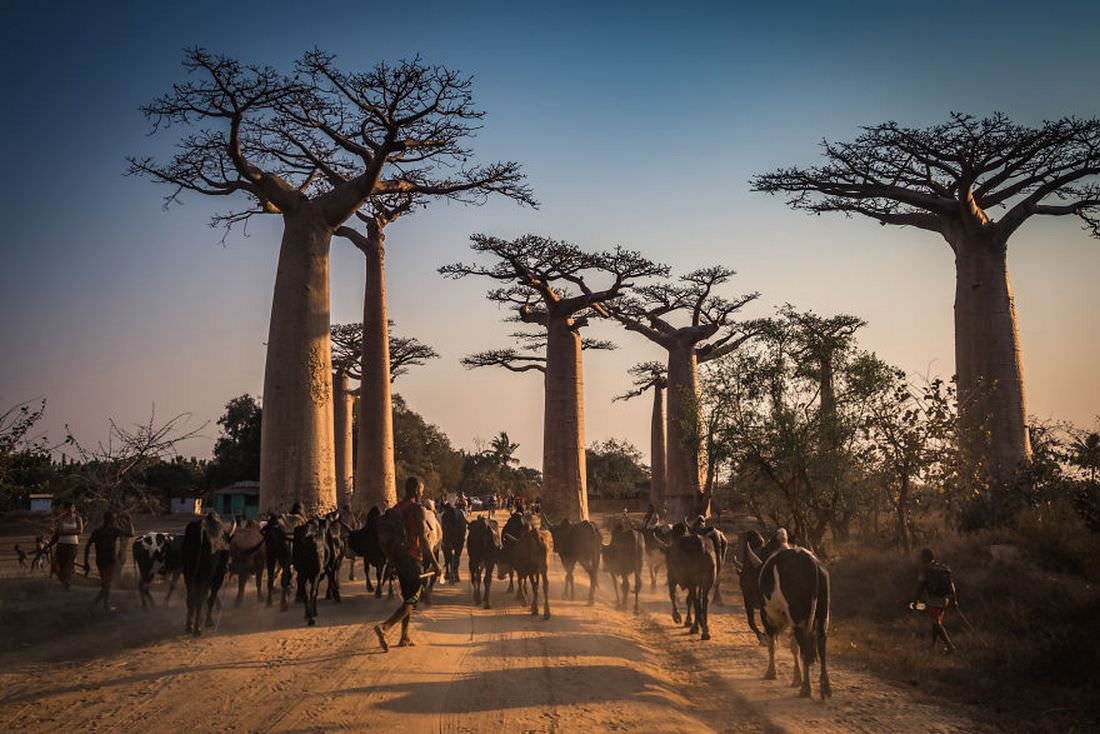
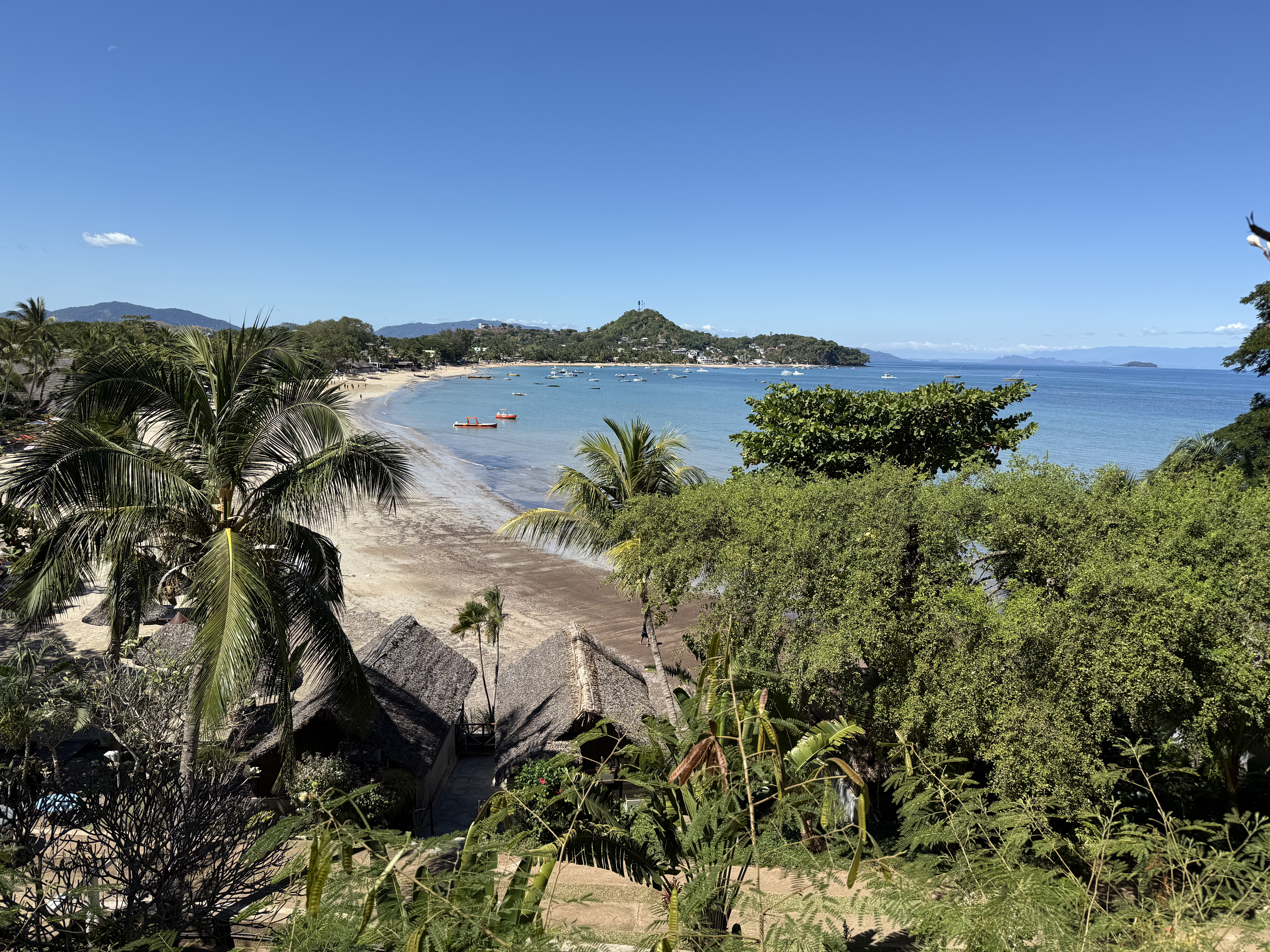
I spent little time in frantic Antananarivo. Most of my visit was  filled with enriching and fun experiences in the area around Nosy Be,  a popular tourist destination:  scuba diving, swimming and snorkeling with giant turtles, visiting a lovely island, a fishing village, a sacred tree, a food market, a handicrafts market, a lemur park.  I had interesting and educational conversations with guides and jovial locals.  More about all in future posts.

Pool at Nosy Be resort hotel.

I enjoyed Madagascar.  There is tremendous potential for growth, development, tourism.  Will that blossom with the new government, or yet again be set back by those in power who think only of their pocketbooks?

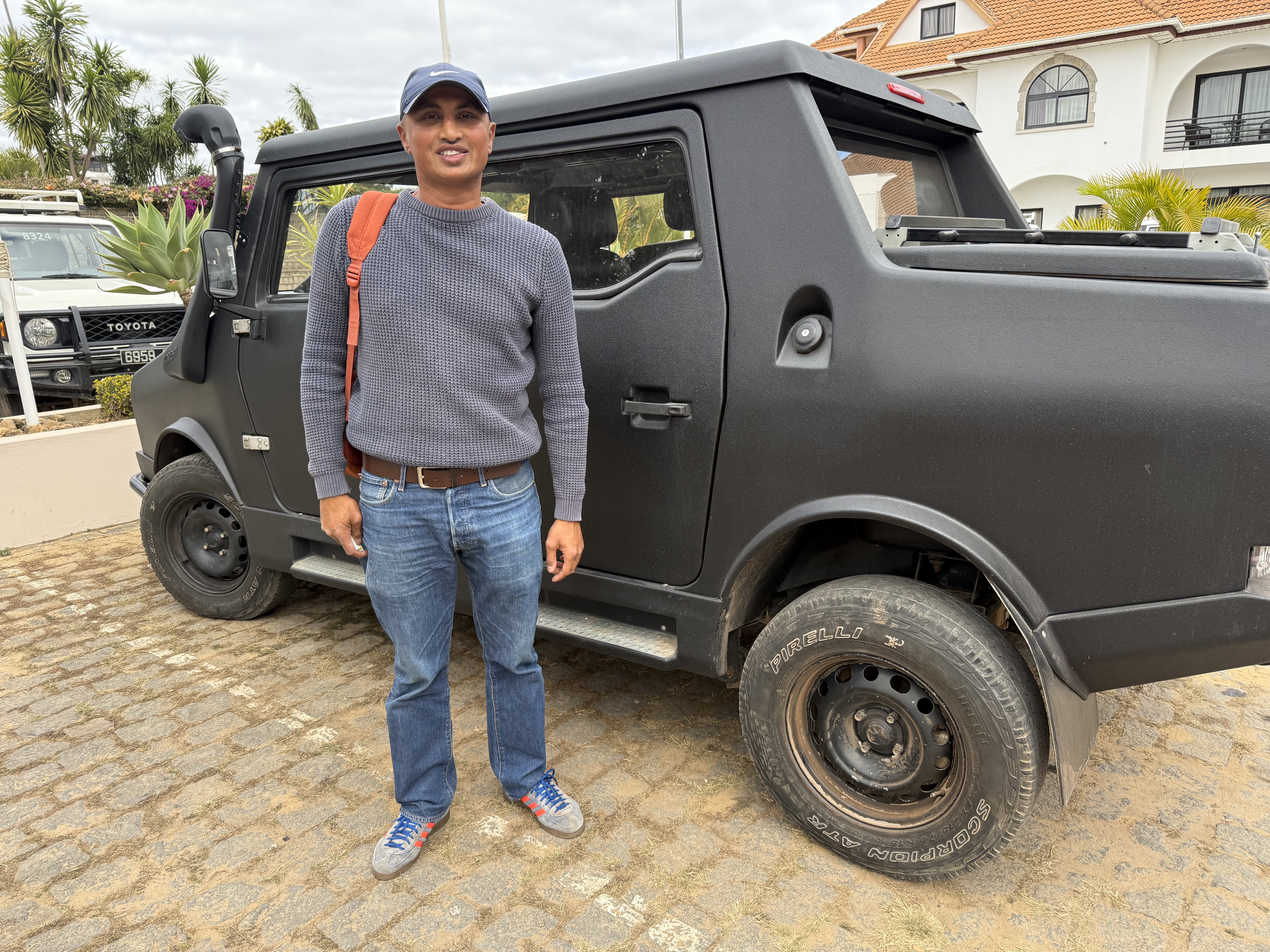
Madagascar has had a history of coups and crises since gaining independence from France in 1960.  Ravi Matadeen, a British citizen who has lived and worked in Madagascar for 13 years, says he is worried about the future. “It looks very bleak.”  He mentioned people leaving the country to find work abroad.  “People with degrees are going to Mauritius to work in factories,” he noted. “There is a mass exodus of talent.” 

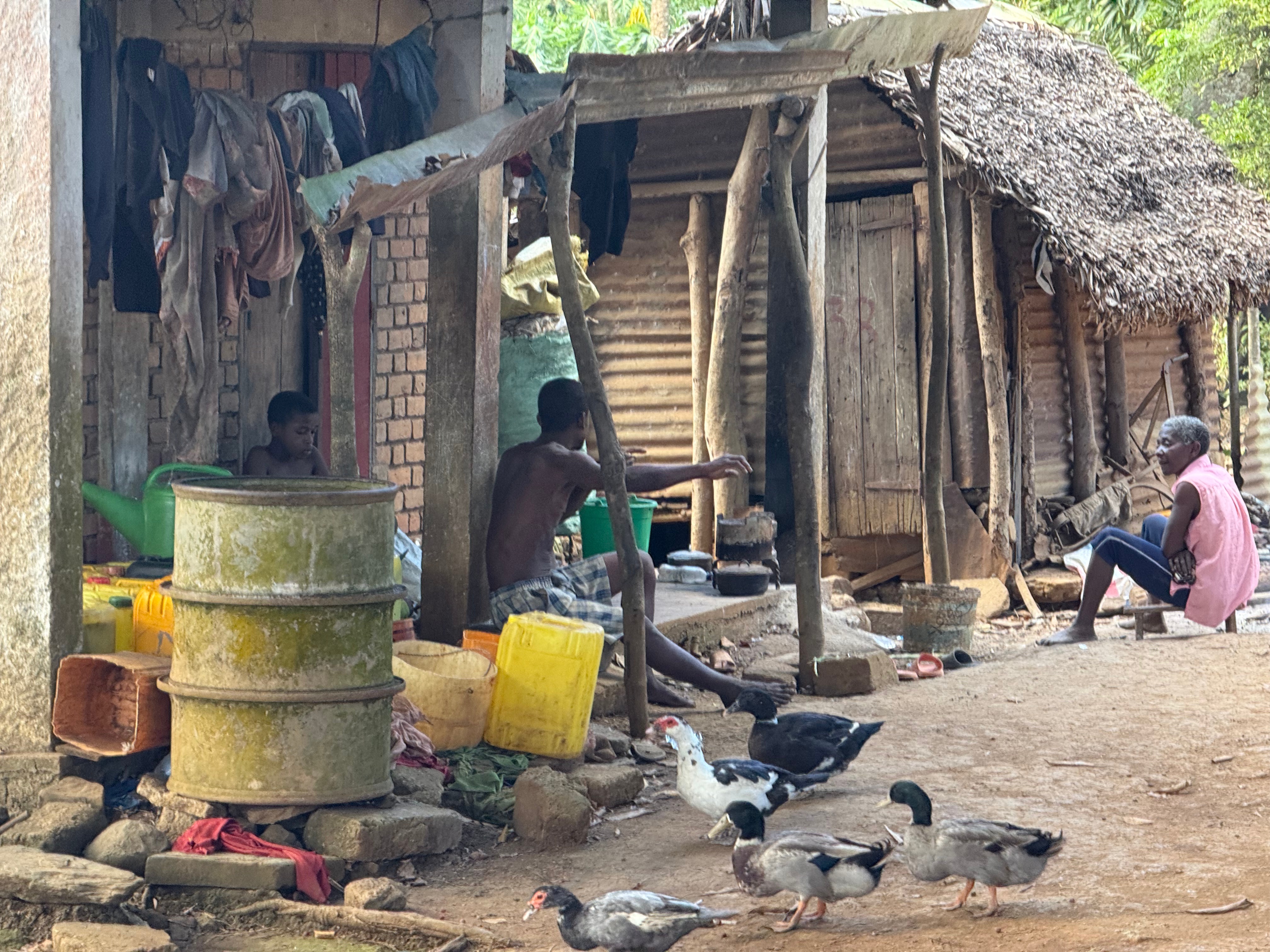
Overwhelming poverty in Madagascar

Matadeeen is in the travel business which has been decimated with the recent events.  “All bookings have been canceled.  This has had a huge effect on Madagascar.  Things are really bad.” 

His friend, my guide John, a Malagasy who has his own tour company in Antananarivo, has also lost clients. Yet he is a bit more hopeful about the future.

“Now we have a transitional government, and there’s a bit of hope that things might get better,” John said. “But people are tired of corrupt politicians who only look out for themselves. We really need honest leaders who can bring real change. I truly hope things will start improving from now on.”  

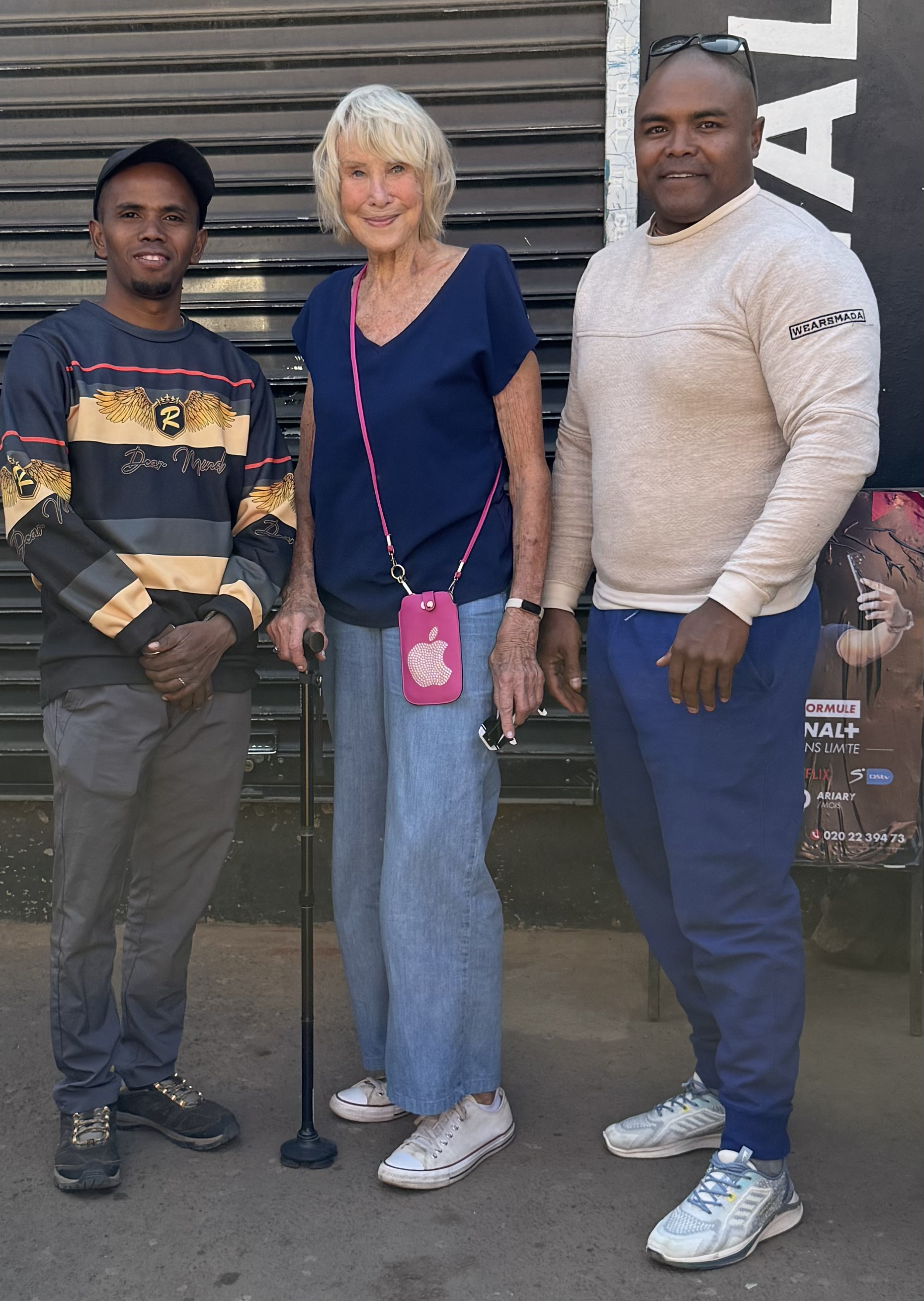
Guide Emanuel let, and John on the right

Matadeen’s wife, Kasia, who is Polish and works with an NGO which provides financial support to poor families for children’s education, also sees a glimmer of hope. “Maybe it will be different this time since it came from people on the streets.  The problem is corruption.  Those in power don’t care about the people.”

Gen Z protester Loic Coltran talked about corruption, yet he  is very hopeful. “The young have woken up.  We’ve had enough,” he said.  “Not to have the right to water, electricity and energy in 2025… it’s not possible.  We have been oppressed.” 

 He says Gen Z leaders have spoken to the new president and his team.  “We can solve these problems.  We believe. We need change.” 

Coltran, who works for an indigenous agricultural enterprise,  pointed out the country’s agricultural potential. “We have lots of rivers, plains, land for cultivation.  But now there are no tractors, no irrigation, roads are not built. He mentioned Madagascar’s natural resources:  gold, oil, gas, minerals…  “Now only 1% is for the people, 99% is for foreign companies,” he said.  “Here nothing works.  It’s all corrupt.”

Open air beauty salon

I was reminded of comments I heard during my brief visit to South Africa prior to visiting Madagascar.  Corruption and crime are rampant there too.  I was shocked with a remark from a black South African.  “All of Africa’s leaders are corrupt,” he said.  His hope for change lies with the young.  
Let’s hope Madagascar’s Gen Z can spur positive change in this beautiful, fascinating country.

Nosy Be, Madagascar

Photos of Antananarivo by John Delmas. Thank you John. And thank you for your outstanding guide services. You taught me so much about Madagascar. https://www.mada-discovery-travels.com

Ravi Matadeen, Self Drive Madagascar, http://www.selfdrivemadagascar.com

NGO helping finance education of children: http://www.childrenofmadagscar.com

I booked my African adventure, South Africa (Kruger) and Madagascar, with Worldwide Quest, http://www.worldwidequest.com

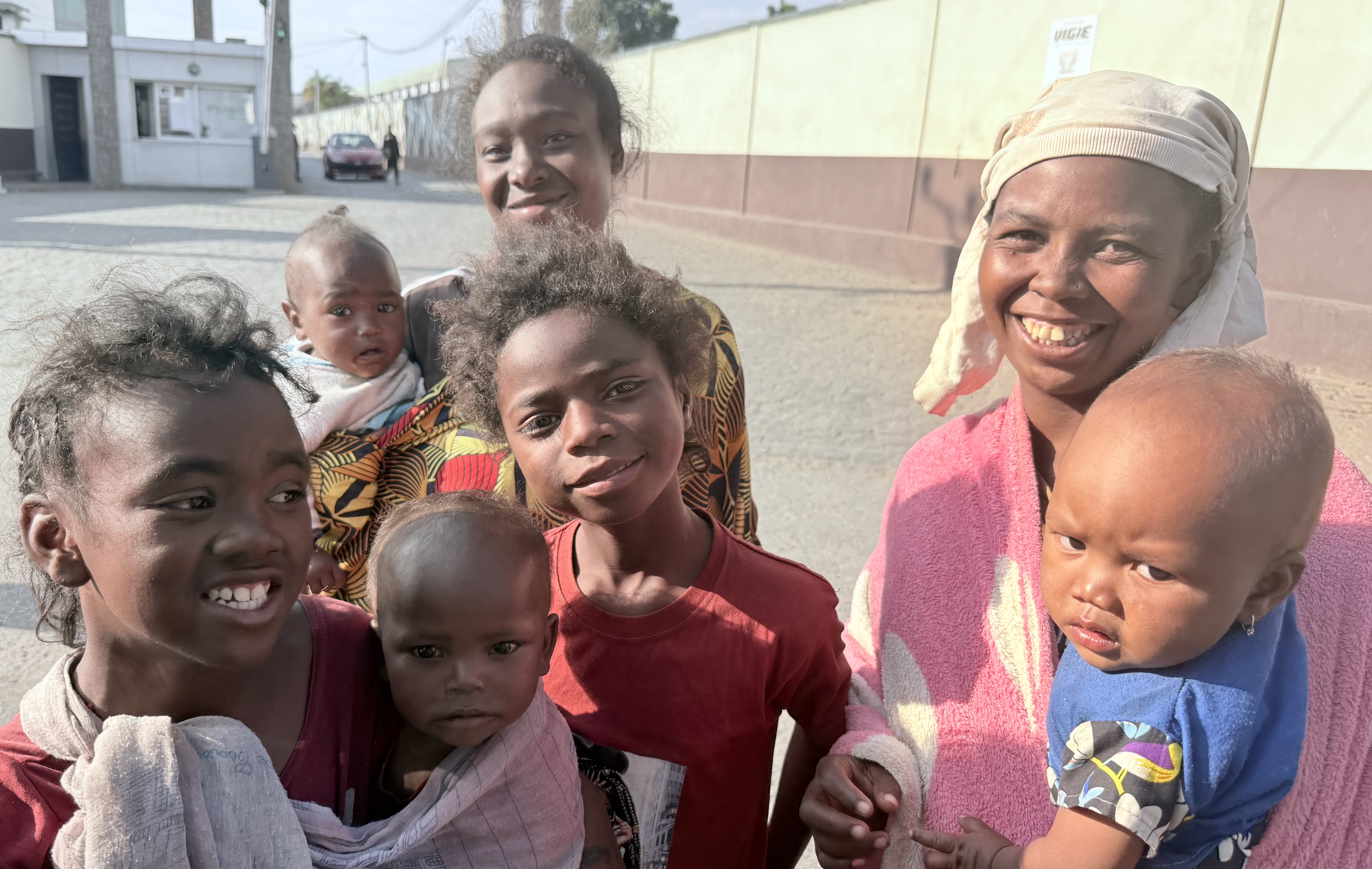
Malagasy are not photo shy.

If not a Tales and Travel follower, please sign up here. Trust me. It’s safe. Your address is not shared. Don’t miss out. Big cats of South Africa coming soon, plus more on Madagascar: mysteries and marvels .

No new recipe today, but for lots of tried and true and delicious recipes, click here.

More photos below, plus comments block. Please send your thoughts.

All smiles with this group at a traffic stop.
Power shopping, bargains galore, at handicrafts markets.

7 responses to “Madagascar’s New Leader: Hope Amid Challenges”

  1. tsaidel

    Hi Leah,

    I tried to leave a comment but not sure it worked. Please let me know. Do you need to be signed in to leave a comment?

    Thanks….Love your posts …. Tobi (Steve and Yoshie’s friend)

    Liked by 1 person

    1. Thanks Tobi. Got your comment,

      Like

  2. tsaidel

    Leah – your writing style and beautiful expressive photography make reading about the world’s troubles less painful. I have spent time in Madagascar trying to get work done from inside the tangle. I know it’s corrupt. The young people’s revolution and relative containment of violence is a good think. Keep the posts coming!

    Liked by 1 person

    1. I am encouraged and hopeful by Gen Z actions, not just in Mada. Time to boot out corrupt politicians. Madagascar has so much potential. Its citizens deserve better.

      Like

  3. lynnecrytseryahoofr

    Thank you for putting all of the recent events into perspective as well as interviewing so many locals. Your post is really insightful and timely. And the photos are luscious!

    Liked by 1 person

  4. I’m an American in Mada for about 12 years. This blog is spot on, thanks.
    Most African countries were left with dysfunctional governments after colonizers were forced out of power. However, the colonizing forces retained control of many resources and land. They have been bleeding Africa dry for many decades while corrupting the governments. It is time for Africans to change their governments to work for the people, not only for the powerful.
    I’m pleased to see how peaceful and legal the change has been in Mada. Hoping the focus on an honest transparent government can be maintained.

    Liked by 1 person

  5. Steve koester

    “Madagascar’s natural resources: gold, oil, gas, minerals…now only 1% is for the people, 99% is for the foreign companies .” Encouraging corruption ensures the foreign corporations that their ability to extract the country’s wealth is secure – a post colonial legacy throughout the global south. Our current president is showing how this model works in the US as well

    Liked by 1 person

Comments, please!

Your email address will not be published. Required fields are marked *

ON SAFARI

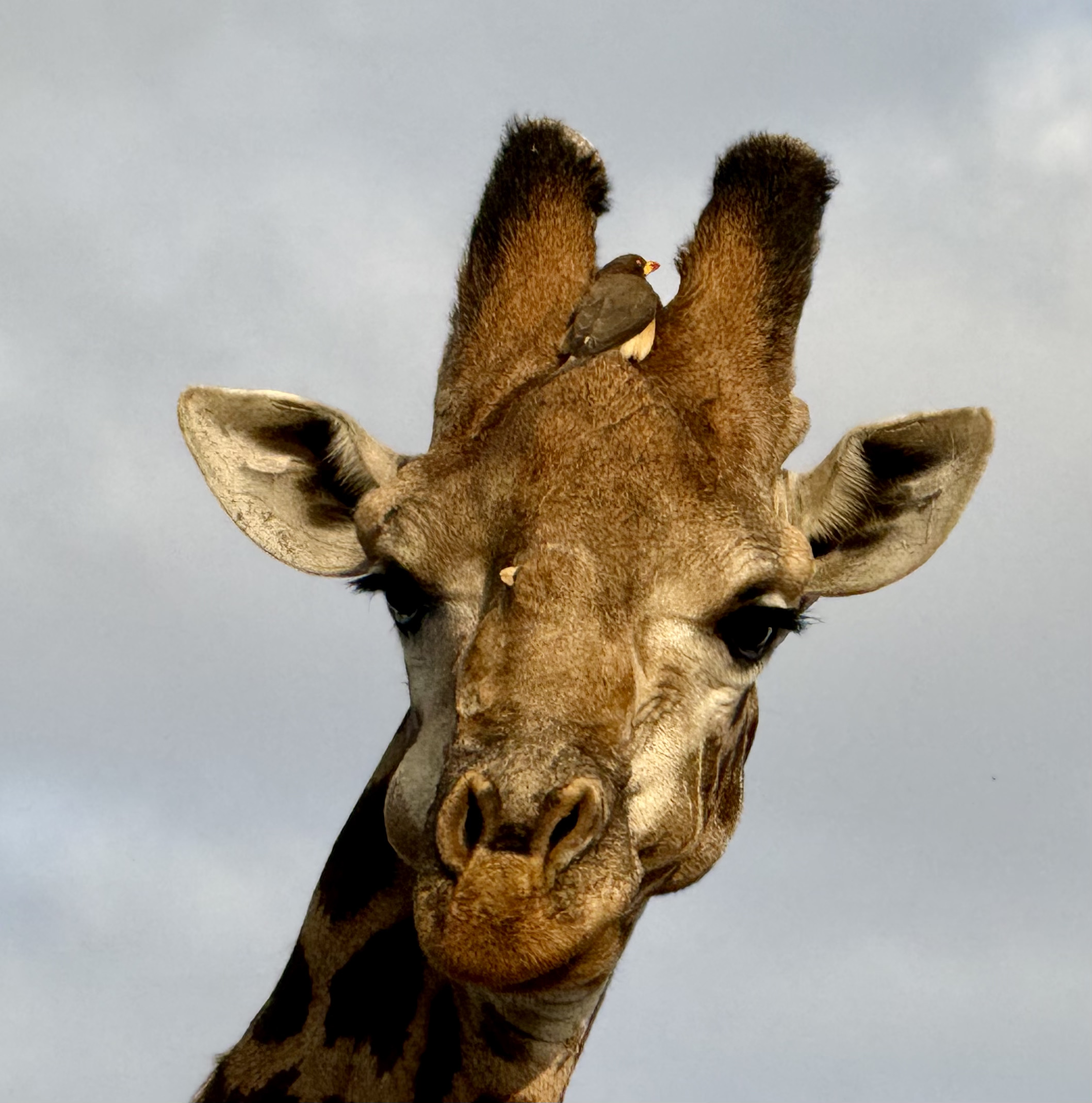
Elephants, giraffes, zebra, kudos, wildebeest, a hyena — I saw them all on my drive from the airport in Skukuza, South Africa, to the Idube safari lodge 3 1/2 hours away. I was excited and decided this was a good omen meaning lots more to come. I was right.

The highlight on the drive was a mother hyena with two tiny, lively puppies. Driver Cheryl said they were just a few days old, if that. Mom was worn out, sleeping soundly, not disturbed by one of her offspring who was chewing on her ear.

I spent the next two days at the Idube lodge and the following two days at the Motswari Game lodge. Both are vast private game reserves in Greater Kruger, an area with unfenced boundaries outside but adjacent to the Kruger National Park.

Game drives begin in the wee hours, about 6 a.m.  It was winter in South Africa, coal black and cold, freezing, at that hour.  Hot water bottles and blankets are provided, but still frosty until the sun pops up.  At 9 we returned to the lodge for a hearty breakfast, setting out again about 3 p.m. for an afternoon drive.

A tracker sits on a special elevated seat in the front of the safari vehicle, his eagle and trained eyes searching for tracks, movement, listening for sounds, any sign of animal life.  The driver/field guide is an encyclopedia of info, as well as a fearless driver, charging off road at Formula 1 speed to reach a site before the animal moves on. Duck under branches, bounce over bumps and ruts, hold onto your seat — more thrills than an amusement park ride.

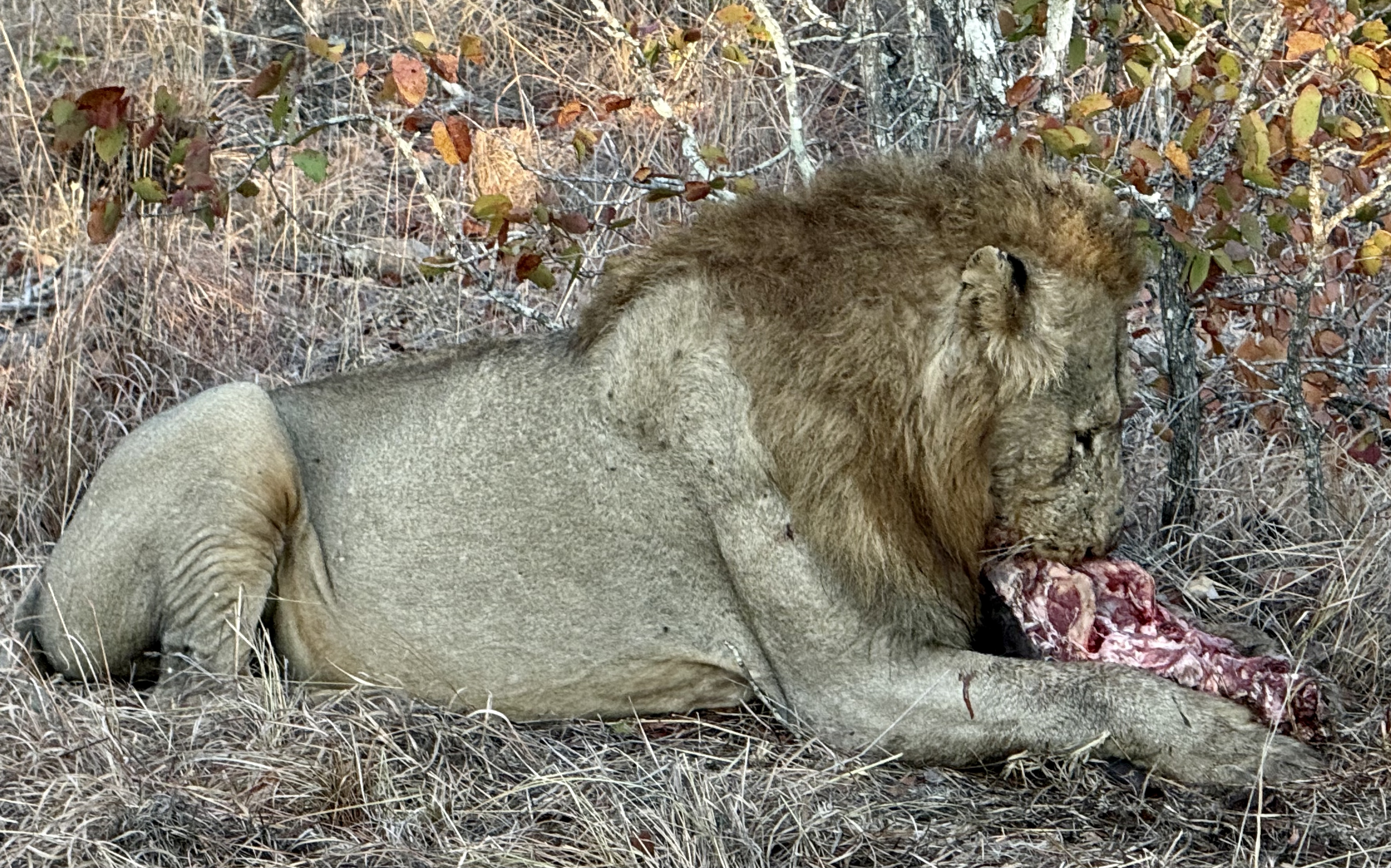
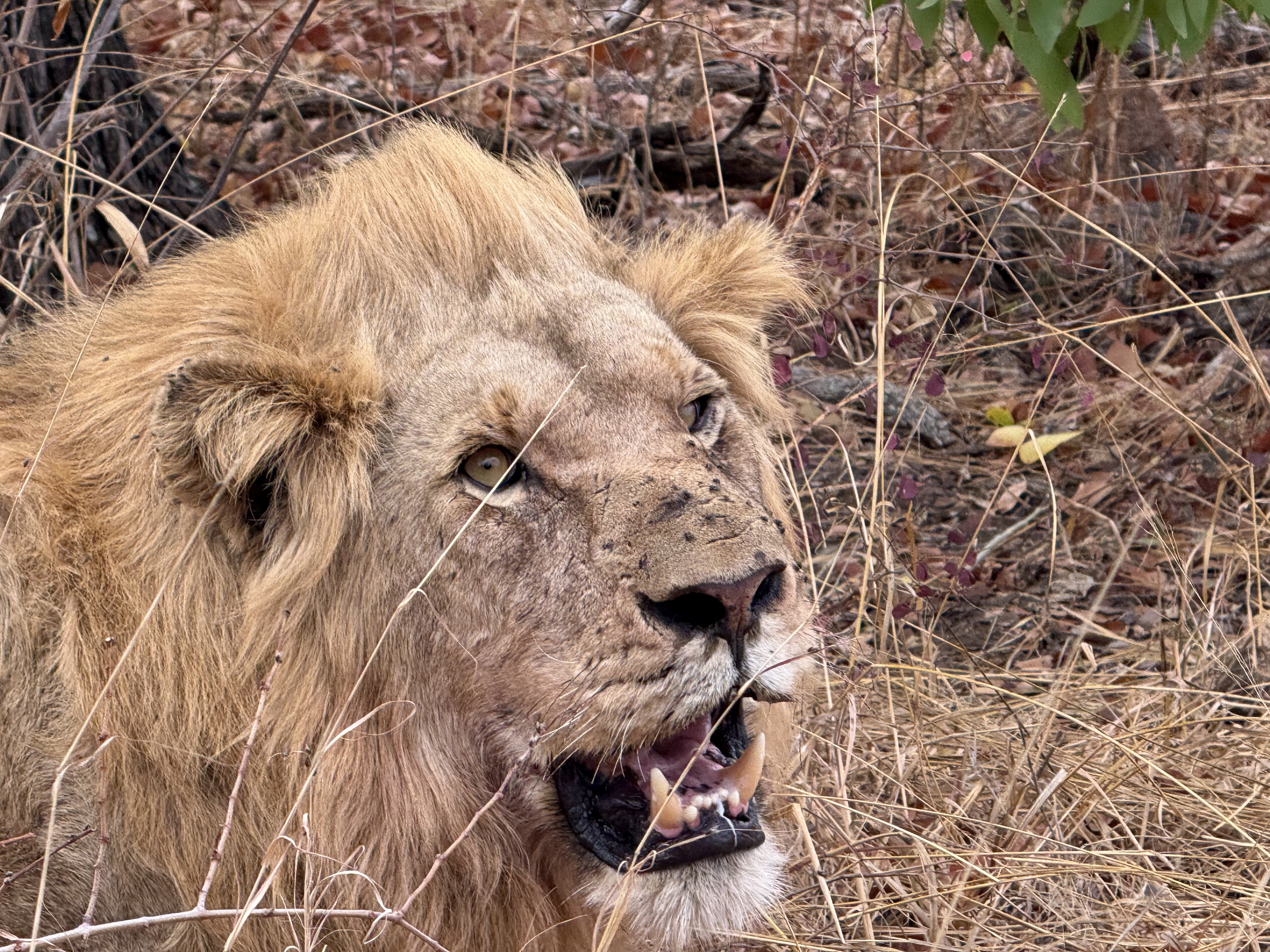
An abrupt halt. There — right in front of us — is the Lion King, gnawing on a bloody piece of carcass. A thrilling, awesome, incredible sight. You almost need to pinch yourself to be sure it’s real.

As in this instance, it is astonishing how close the vehicles get to the animals which completely ignore the visitors. They are accustomed to human intruders and definitely not camera shy. Even with a phone camera you can get decent photos (I used an I-phone 16 pro). For perfection, however, serious gear is best.

 Following are photos of my “sightings.” Since I am a “childless cat lady” who adores cats, large and small, I will devote a separate post to cats.  I saw many, all magnificent.  Watch this space.

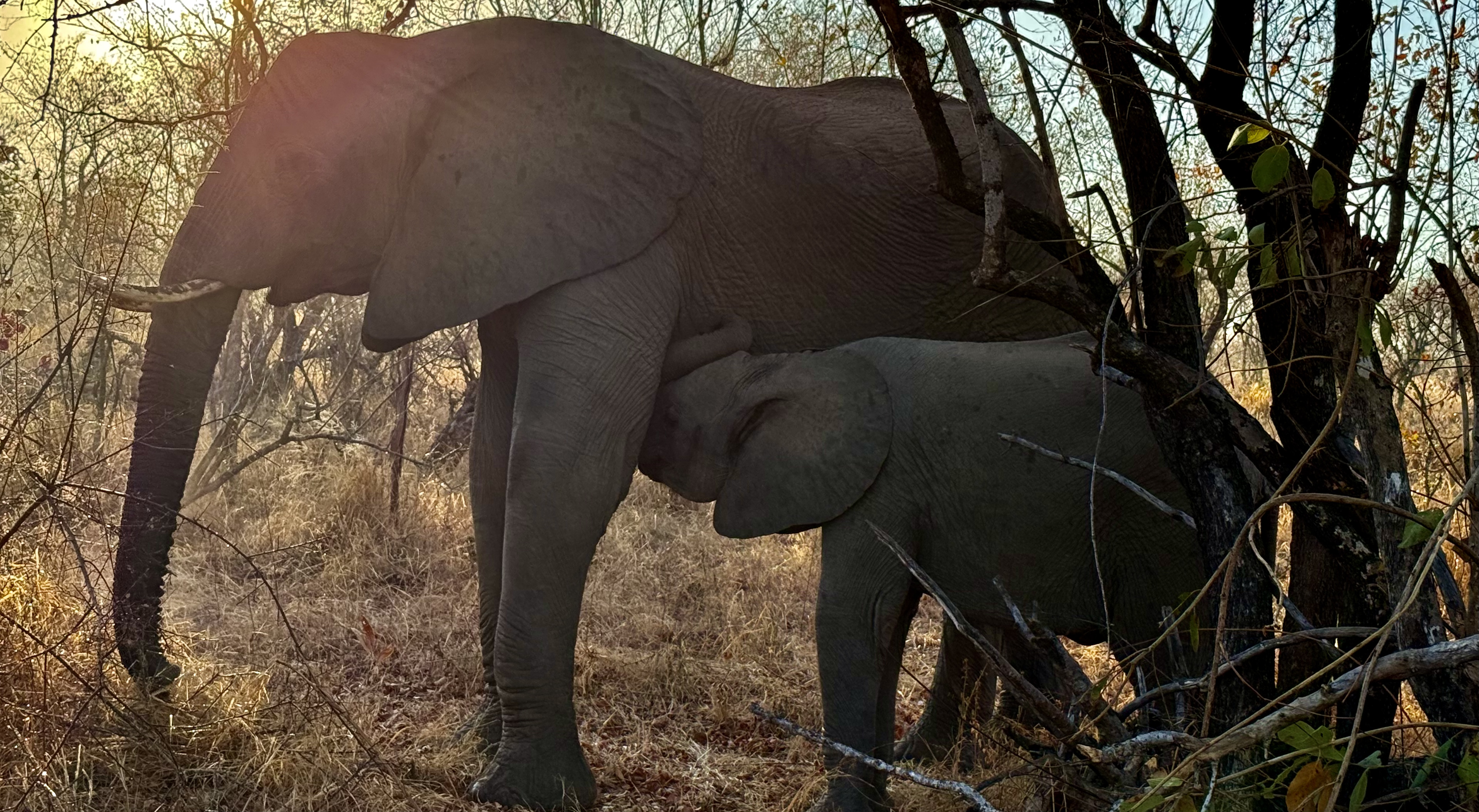
No shortage of elephants on the game drives: majestic males, families, youngsters. These mammoth creatures can live to be 60 to 80 years old. If they manage to survive that long, they die of starvation as their teeth wear out, making it impossible to chew food.  The elephant gestation period is 22 months and “babies” nurse for three to four years.  Elephants can eat for up to 18 hours per day. 

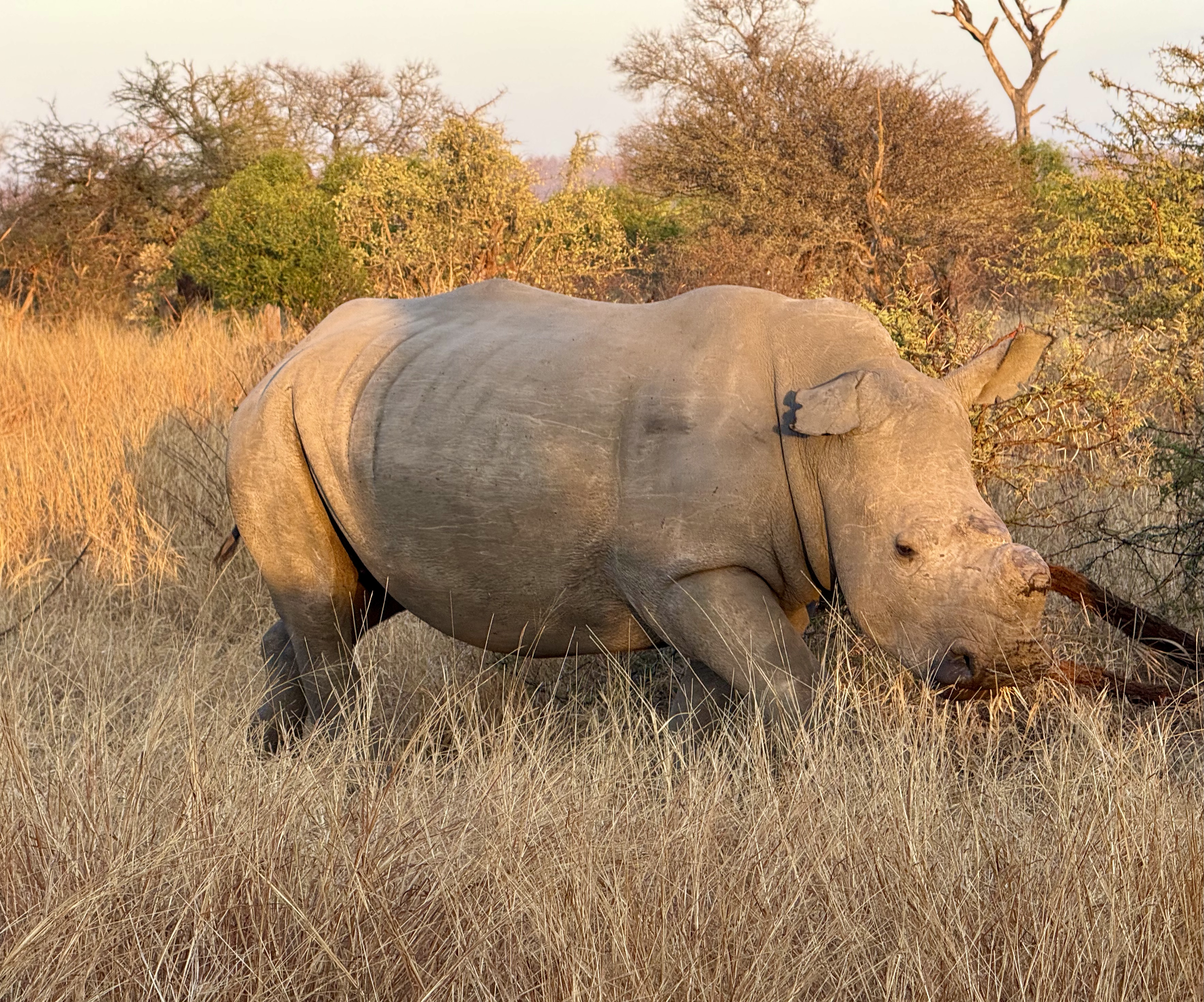
Rhinos, with and without horns.  The horns are treasured in many Asian countries for medicinal properties, although there is no scientific evidence that the horns have medicinal value. In some countries, namely Vietnam, the horns are a luxury item and status symbol.

Hence, poachers kill for the valuable horns.  In the Idube reserve, rhinos are de-horned at the age of two to dissuade the poachers.   Not so in the Timbavati private reserve where the Motswari lodge is located.      

There guide Landon told us that dehorned rhinos are defenseless against predators and in territorial disputes with other rhinos.  Poachers may still kill them to avoid tracking the same rhino again.  And, the dehorning procedure must be repeated every 12-24 months, expensive and labor intensive.  It can also alter natural behavior, leading to social disruption.  Rhinos in Timbavati keep their horns.

The buffalo, one of Africa’s most dangerous animals, is one of the Big Five of African wildlife (elephant, lion, leopard, rhino and Cape or African buffalo). We were lucky and saw not just a few of these aggressive beasts, but hundreds crossing a lake.  

Foreground, hippos.

We never spotted a hippo out of the water, but we did see lots of hippo heads up for air in various lakes.  Hippos can stay under water for six to seven minutes, we learned, and they eat grass not meat.

Ian, the guide in Idube, told us the hippo is the number two killer in South Africa, following malaria, number one.  Number three is the buffalo. Landon at Motswari disagreed on number two.  He said number two is the crocodile, not the hippo which is number three.  Both put malaria as the number one killer.

Male kudo

An African safari is a thrilling, rewarding, unforgettable experience. In addition to being awed by the wildlife, I was intrigued with the country and its citizens. I talked to South Africans about their languages, tribal customs, problems in the country and life since the official end of apartheid in 1994. A look beyond safari in the next post.

Below, more photos.

Another hyena mom with puppies, one with his neck in her mouth. Guide Landon said the adorable hyena puppies are his favorite baby animal.
Wild dog puppies. The guide said two nearby packs were having a territorial dispute. The fight did not interest the playful puppies, but our vehicle did.
These fellows, nyala and a wildebeest, hung out in the front yard of my room at Idube. All were very tame, including the wildebeest. I thought I could try to pet him, but suddenly I heard screams. I was warned that he might decide I was not so friendly and turn those horns on me. I retreated.
Impalas are more numerous than other African antelopes.

I booked my African adventure, South Africa (Kruger) and Madagascar, with Worldwide Quest, http://www.worldwidequest.com

If not a Tales and Travel follower, please sign up here. Trust me. It’s safe. Your address is not shared. Don’t miss out. More about my travels in future posts:   South Africa beyond safari, Big cats, the mysteries and marvels of Madagascar.

Big cats coming soon.

No new recipe this time. But, it’s not too late to take advantage of those summer tomatoes and try this delicious Savory Tomato Tarte Tatin. For more recipes, click here.

Comments, please!

Your email address will not be published. Required fields are marked *

Back on the Road Again

“Madame, vous êtes à la fin, » (Madame, you are at the end (of life), she announced as she massaged my ancient body.   I had to chuckle, thinking to myself, “Yes, I know. But did you need to remind me?”

I had treated myself to a massage at an upscale hotel in Nosy Be, Madagascar, Part II of my solo voyage to South Africa and Madagascar (Mada), the world’s fifth poorest country.

With guides Emanuel and John

Why would a handicapped old lady traveling alone (me) come to Madagascar? It was obvious those I met on the journey were surprised, if not baffled.  I did not fit the profile of the typical Mada tourist.

Nosy Be, Madagascar

Madagascar is a fascinating, gorgeous country, but crime ridden and poor – very poor. Most visitors are young and fit or older and fit, exploring Mada’s rich biodiversity and incredible landscapes which involve long, rigorous journeys over mainly dirt roads.  Mada is huge, the world’s fourth largest island. Distances are great.   Due to my disability, my excursions were near cities and mainly on paved roads with a private driver/guide – nonetheless challenging at times.  

I was apprehensive, if not nervous, prior to departure.  Had I taken a step too far?  I was petrified of falling again.  But I charged ahead.

Madagascar is home to 112 species of lemur, all endangered.

A woman I met my first night at a hotel in Mada gave me some words of wisdom.  She is a health care worker who has a daughter with disabilities.   “You need to push yourself, test your boundaries.  Use it or lose it.’’

I reflected on those words many times in Mada – when faced with uneven, stony or dirt terrain to navigate, steep steps with no railings, hills with no steps.  “You can do it.  Slowly. Carefully,” I told myself.

Steps were often challenging..

Travel has been my lifelong passion. I relish learning about different lands, cultures, traditions.  I love talking to locals.  You learn so much.   It is enriching.  It can change who you are. Travel adds perspective to life and understanding of the world.

My late husband Bob shared my passion for travel and adventure.  We traveled near and far.  After several difficult years suffering from Alzheimer’s, he passed way two years ago. About the same time, I had a horrendous fall – a complicated femur break and a broken shoulder. Despite numerous surgeries, I have limited mobility and need a cane to walk. And, I don’t have full motion of my left arm following the injury. 

Bob and Leah in the Oman desert

I am à la fin, handicapped, but still alive. I can walk, albeit slowly. I no longer have a travel partner.  What to do?  Sit on the couch, watch TV ad wait to die?

NO.  NO.  Get up.  Get going. Get back on the road again.   I did.  It was invigorating.  I felt alive again.  I loved it. 

As Saint Augustine said, “The world is a book, and those who do not travel read only one page.”  I want to read all the pages.  

If not a Tales and Travel follower, please sign up here. Trust me. It’s safe. Your address is not shared. Don’t miss out. More about my travels in future posts:  Sensational wildlife in South Africa, the mysteries of Madagascar.

See below for a new recipe just in time for all those ripe tomatoes.

Comments, please!

Your email address will not be published. Required fields are marked *

TODAY’S TASTE Savory Tomato Tarte Tatin

Savory Tomato Tarte Tatin

Click below photo for recipe. For more recipes, click here.

Looking Ahead

A complicated tale of money, violence, crime, racism, lies, traffickers,  a story of misery, tragedy, heartbreak and death:  Immigrants on the Italian- French border.

I met this friendly young man from Guinea in Ventimiglia. He told me he fled his corrupt, poverty-ridden country by boat from Tunisia. He wanted to continue on to France where he hoped to find work since he speaks
French. He was very proud of his flashy red sport garb from Guinea where he was a “footballer” and also a sports reporter.

There are similarities to the dreadful situation on the Mexican-US border.  Thousands and thousands risking their lives to escape conflict, persecution, famine, death. The journeys are dangerous, often plagued with violence, theft, and hunger.   They only want a chance at life, to have food and shelter, to work, to live in peace.  They deserve that chance.  Will they get it?

Relier volunteers filling food sacks for the immigrants.

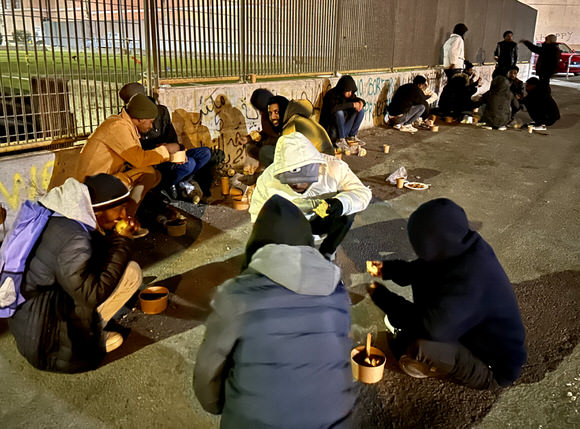
I live in France just 20 auto minutes from the French-Italian border.  I recently started  volunteering  with a French organization, Relier, offering assistance to the homeless immigrants in Ventimiglia, the Italian border town. The majority are young, black males  from dozens of different African countries .  Most want to enter France, perhaps proceed to other European countries.  In this part of France, they are not welcome.

Immigrants in Ventimiglia enjoying a free meal provided by Relier, a volunteer organization .

It is a complex topic. I plan to write a more extensive article/blog soon.  I need more time and research.  Watch this space.

Another topic I am very involved with is Alzheimer.  For four plus years I have watched this cruel disease slowly destroy my husband.  I will write more on that too, with a focus on the dedicated caregivers devoted to the lost and confused.

Bob Update

Bob brushes a rabbit at his new home. Rabbits, cats and dogs visit once a month to the delight of the residents.

I had hoped to post a blog on one of the above sooner,  but since that has not been possible, and it’s been so long since I have posted, I wanted to give a preview of what’s on my agenda.  And, an update on husband Bob since my last post:  Christmas without the Merry.

The helpers I mentioned in that post,  Kyle and Paola, were fabulous, although Paola quit after three days.  Apparently, it was too much for her.  I could not have survived without Kyle. He managed Bob with perfection and helped me keep my sanity. It was not easy for either of us.  The accident (fall and broken pelvis in several places) greatly accelerated the Alzheimer.  Bob was confined to a  hospital  bed in the living room.  He was difficult, especially  at night when he was very agitated and slept little. 

This restaurant at Les Citronniers, Bob’s home, is for the non Alz residents. I can accompany him there from time to time for a tasty meal, with wine of course.

After three weeks, Kyle and I, both exhausted,  came to the same conclusion.  We could not continue.  Fortunately, I found a place for Bob in a near-by EHPAD, a type of French medicalized senior citizen home.  He is in the Alzheimer unit with 14 others.  The staff are patient, caring.  The food is good, very French with four-course meals and a gouter (snack) in the afternoon. The ambience is pleasant–  bright, clean and spacious. He has never asked to leave, to come home.  I don’t think he remembers our apartment nor realizes where he is and why. That is sad, but probably a blessing. I visit daily. 

If not a Tales and Travel follower, please sign up here. Don’t miss future posts.

Adventure Africa: The People – and Polygamy

Women’s lib. Not in Zimbabwe. It’s a man’s world in this African country, our safari group learned during a “Learning and Discovery” session. Polygamy is widely practiced there as it is in many African countries. To tell us all about it: Mafuka, 74, who has three wives and 10 children.

Mafuka, 74, three wives, 10 children

“Our wives never say they have a headache,” the jolly Zimbabwean told us. He went on to describe his family life. We were mesmerized. It was entertaining, fascinating – and somewhat unbelievable.

Mafuka, a burly sort with an infectious smile, has been a safari guide for some 50 years, often away from his village and wives for months at a time. He has a farm, grows tobacco and corn; and has livestock, chicken, cows, etc.  The wives and children work the fields and tend to the animals.

Family at town market

He explained that his first wife requested a second wife to help with the chores. “She invited her cousin, a beautiful girl. I agreed.” For five years, he had just two wives.

As he tells it, the two decided a third wife was needed. He took a third wife, but they did not like her. “They teamed up against her,” he said. “Women in our society are very strong. I got rid of her,” he announced matter-of-factly. Some time later, he found a replacement. New wife number three is a nurse, but it’s the first wife who is always in charge.people.e

According to Mafuka, whose grandfather had 15 wives, before taking a wife, a man must prove his manhood and impregnate a woman. The baby stays with the mother and her family, but the father may later adopt the child. If a wife cannot conceive, she arranges for a sister or cousin to bear her husband’s child which she will raise. If a man has later difficulties (infertility), he secretly asks a brother or cousin to impregnate his wife.

It was all a bit much for us to comprehend. Was he putting us on? Change and progress have come to Africa, and certainly this scenario does not apply to all?

people.1
Women basket makers at a co-op in Botswana

I wanted to know more. “After long periods away from home, how do you satisfy all these women?” I asked.

“I drink a root preparation,” he proclaimed, beaming. “It makes me very strong. I go home with rhino horns.”

What if one of his wives would decide to take another man? ”I would kill him,” he boasted.

Mafuka went on to proudly relate that three of his ten children have degrees. He wanted to send one of his daughters to the university, “but she eloped as the fourth wife of a guy still in college… He hasn’t paid me in cows yet. I am going to go after him.”people.h

The family is of utmost importance in Africa, and big families are common.    At our camp in Zambia, there was a booklet with staff bios. One man had 12 children with two wives. Several had nine children each. Mafuka told us about the upcoming family reunion that he was organizing. He expected 1,000 guests.

people.iWhile there are many families like Mafuka’s, monogamy is gaining followers. Sally, a young married woman working at our camp, said she would not accept sharing her husband with another wife.   “It’s a controversial subject,” she said. “A man may have just one wife, but many mistresses. I think it will change. Women are getting stronger.”

Another woman told me that Africa is changing.   “Women now wear pants, but they still sit on the floor.”

Village huts in background. Our food gifts, center.

That was the case when we visited a family home in a village. All the women sat on the floor, the men — and we — in chairs.

The village/family visit was another Learning and Discovery event.   The village, Bhangale, was actually a homestead of 434 people who live in a cluster of huts with a communal outhouse and outdoor shower.   Our hosts, Fransica Lambani and her husband Philippe, are the homestead owners. They live in a cement house which was a gift from their children. “They are lucky,” our guide Abiot said. “They have two sons working in South Africa. They had the money for the house.”

people.14Prior to visiting the village, we went to a nearby town where we visited a supermarket and bought food supplies to offer the villagers as a gift. They welcomed us with song and dance, proudly showed us their homes – all neat and tidy. A woman gave a demonstration of how they carry heavy loads on their heads.

More song greeted us as we arrived to visit a Catholic primary school which has about 800 pupils. The school is in a rural area, and most all the children walk to school, from three to 10 kilometers one way.

Children welcomed us with a song.

The principal led us to a sixth grade classroom where we had a chance to talk to the youngsters. They are taught 12 different subjects, including agriculture and HIV/AIDS, their teacher told us. An 11-year old told me he wanted to study world economics.   All were eager to pose for photos, and then see the photos on the camera or phone screens.

Kids were happy to pose for us.

Education in Zimbabwe used to be free, but now parents must pay $45 per child per year.   Education is considered essential and Zimbabwean are considered among the best educated in Africa. According to Zimbabwean Abiot, who pays school tuition for four of his nieces and nephews, Zimbabwe has the highest literacy rate in Africa.

Bob and friends.
Bob and friends.

While this school was Catholic, not all the children are Catholic. Religion is very important in the African countries we visited: Catholicism and many different evangelical religions. As we drove into the town of Hwange, we people.jpassed church after church, one after another, each representing a different evangelical sect. “Going to church” was listed as “favorite pastime “on many of those staff bios I read at the Zambian camp.

We stayed at four different safari camps, two in Botswana, and one each in Zambia and Zimbabwe.   All were run by an African company, Wilderness Safaris, whose staff are terrific. From the guides to the cooks, all were caring, helpful, knowledgeable …and fun. They danced and sang for us, entertained us with stories about close encounters with wildlife, life back in their villages and much more.

Staff performed a farewell dance for us.

Our 16-day safari was organized by Overseas Adventure Travel, www.oattravel.com We paid $4,495 each for the all-inclusive package (lodging, all meals, most tips, land and air transport within Africa). For more on our trip, see previous posts:  Adventure Africa: The Animals and Adventure Africa: A Day on Safari

Abiot, center, with fellow guides in Zimbabwe

Like my blog? Tell your friends.  Please leave a comment – if you can’t see the Leave a Reply block and or Recent Comments list below, use the link on the right-hand menu (below “Recipes”). Feedback is welcome. I love to know what my readers think about my posts.

Guide Idos in Zambia


For a taste of Africa, try the recipe for Mafe, a chicken-veggie-peanut-concoction which was a hit at my African dinner party. Click here for the recipe.

Follow Tales and Travel on Facebook:  http://www.facebook.com/talesandtr

If not already a Tales and Travel follower, sign up (upper right) so you will not miss future posts. Your address is kept private and never shared.