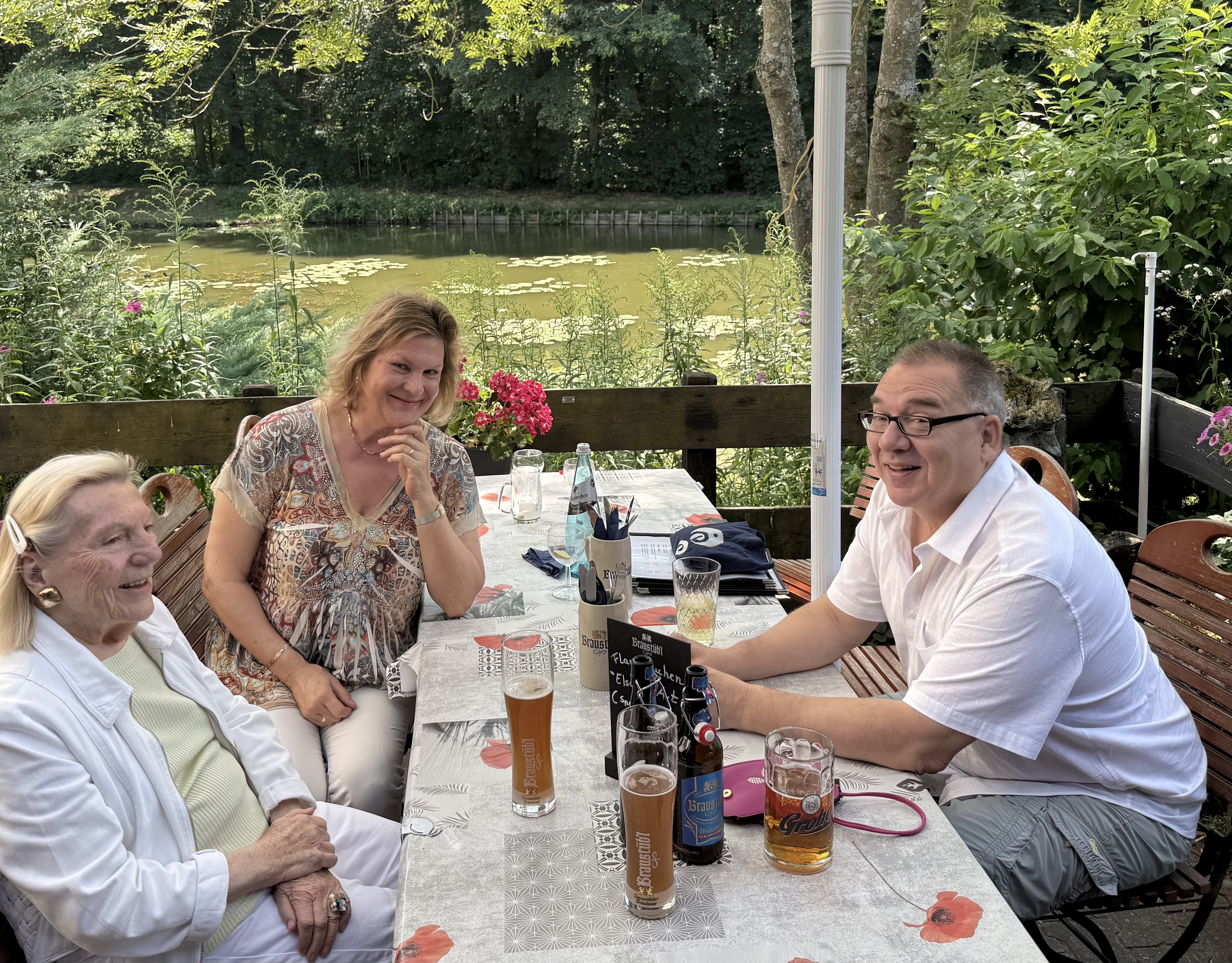
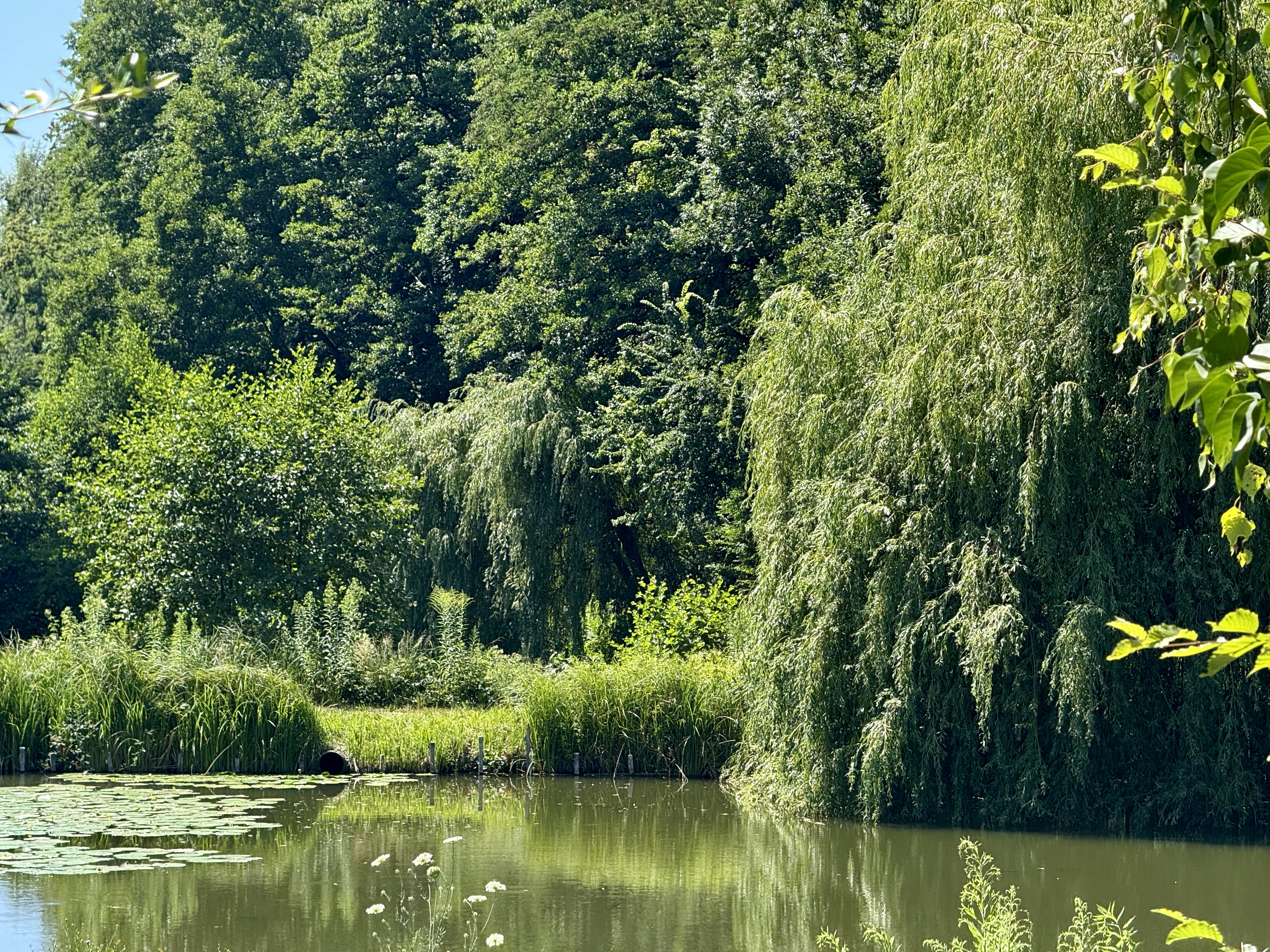
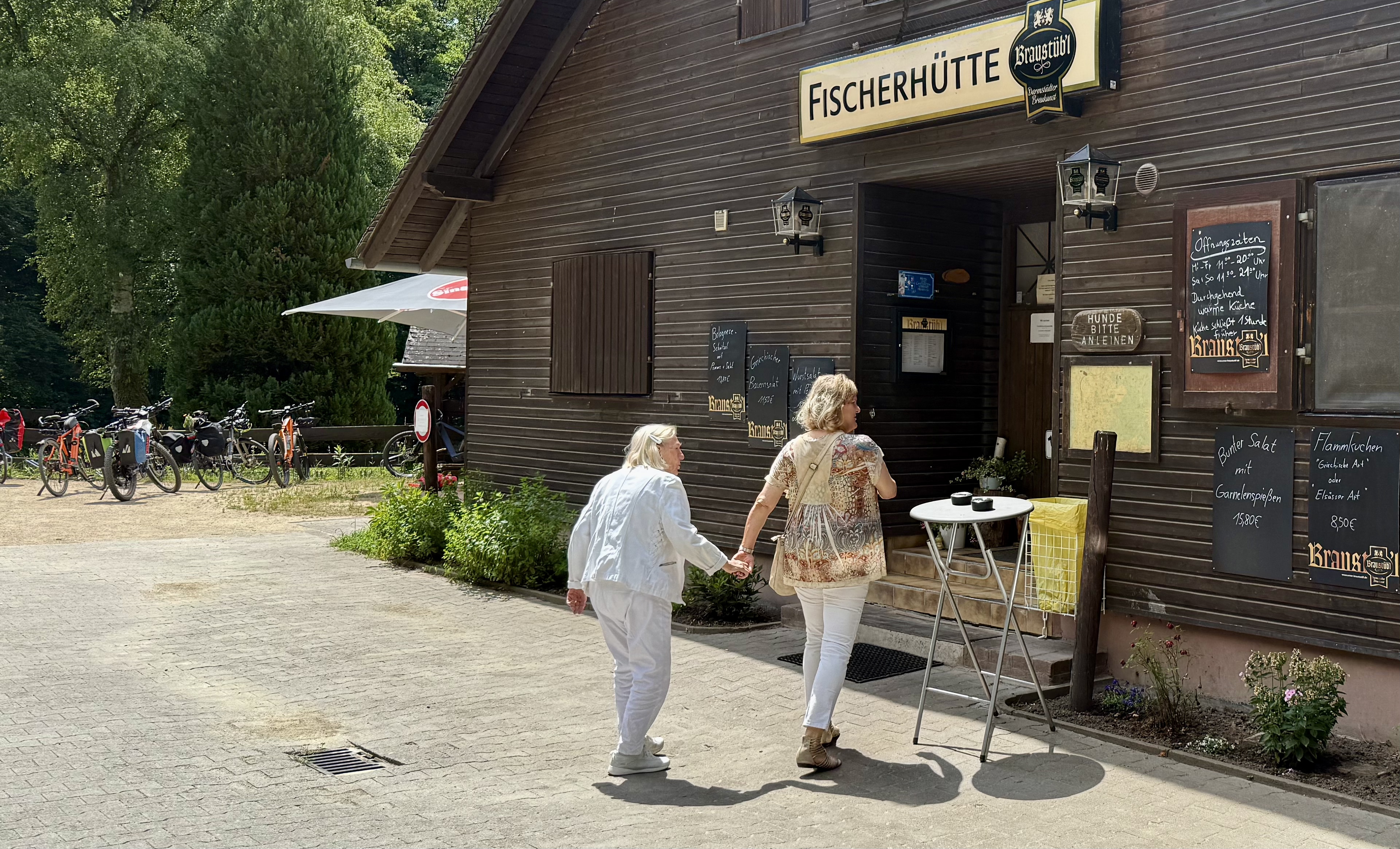
Like I remembered. Idyllic. We were surrounded by green, pure nature, at the Fischerhütte near Darmstadt, Germany.
Thekla, Andrea and Thiemo at the Fischerhuettte
Many, many years ago when I worked as a journalist at the newspaper Stars and Stripes, I lived not so far away. I remember hikes to the hütte in the forest. I remember treks to secret places in that forest in search of the coveted steinpilze (boletus, cepes, porcini – whatever the name, the king of mushrooms). I remember the tranquility, the beauty of those woods.
It was wunderbar to return to Germany after so many years. I have missed Deutschland – old friends, favorite foods, the lush forests.
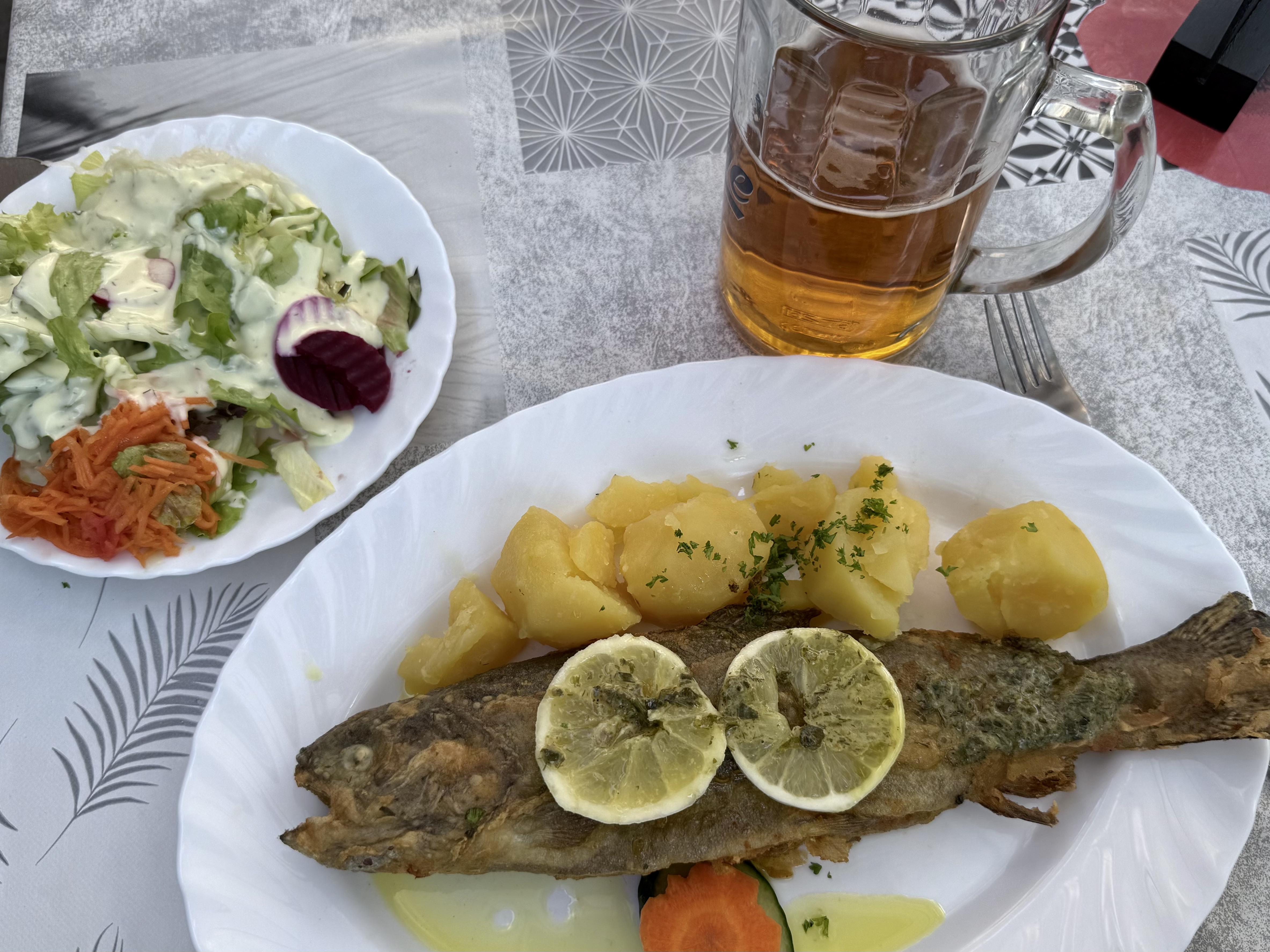
Trout for lunch at the Fischerhuette, and the best German beverage, beer.
Andrea, the daughter of an old friend, her husband Thiemo and her sweet mother, Thekla, led me down memory lane, not just to the Fischerhütte, but other special spots. It was magical.
Many more memories were rekindled with friends in the Stuttgart area where I lived with husband Bob (RIP) for many years.
Gerlinde and ice cream prep
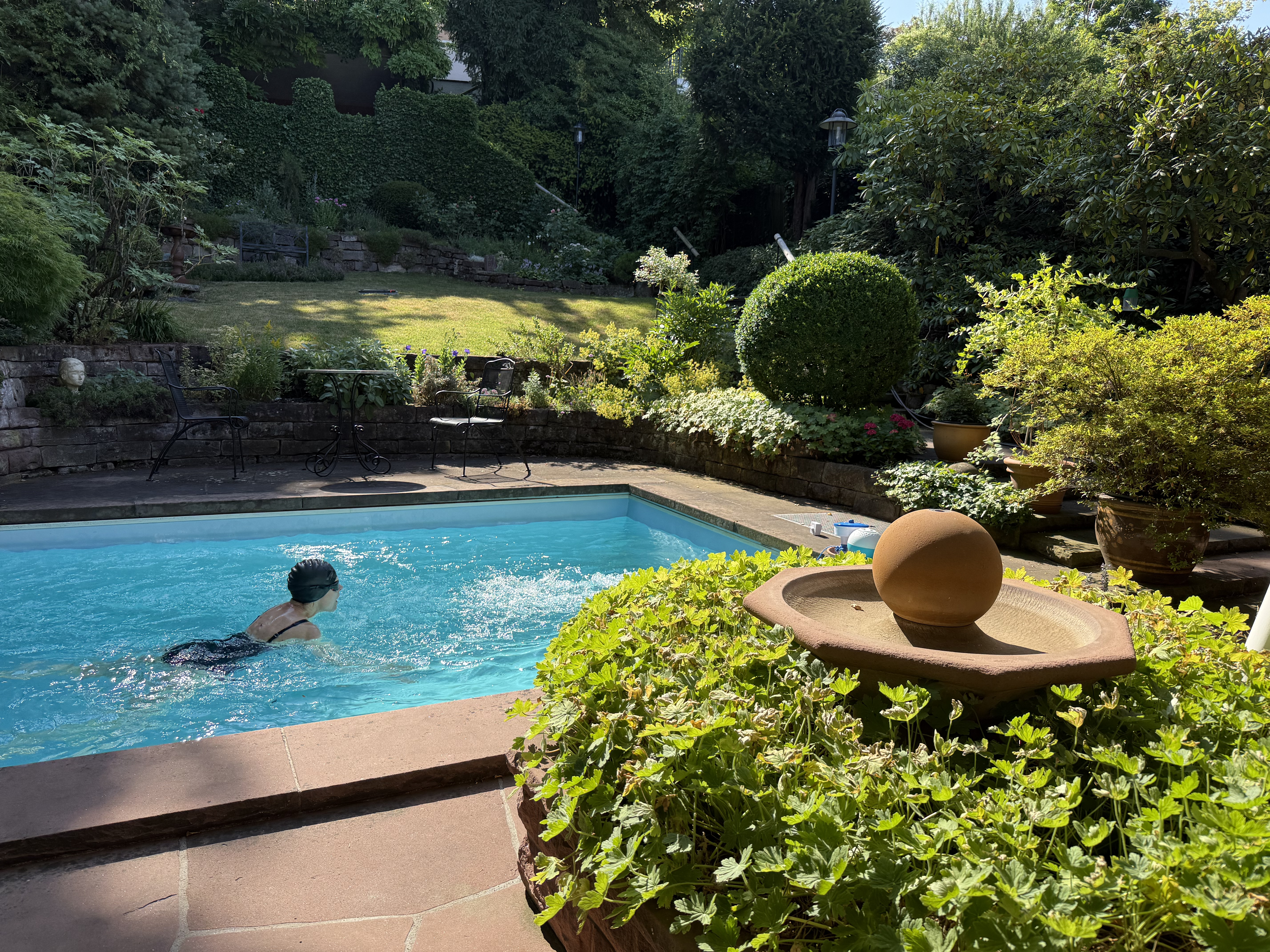
Gerlinde welcomed me in her Stuttgart home. Like many of my friends, she is a foodie par excellence, even making her own yogurt and ice cream. She is also devoted to fitness and swims against the jet stream in her pool for 20 minutes every day. I just swam, minus the jet stream.
Gerlinde swims daily against a powerful water jet — Impressive.
We drove to Steinenbronn, past the apartment where Bob and I lived for 11 happy years. At a nearby restaurant, I indulged in my very favorite Swabian special, Zwiebelrostbraten (onion steak) with homemade Spaetzle.
Our spacious apt was on the 2nd floor.Zwiebelrostbraten
I can’t complain about food on the Mediterranean coast where I now live, yet there is a shortage of ethnic eateries.
Not so in Germany where, among others, Turkish restaurants abound. I miss those, too. Marianne treated me to lunch at her friendly neighborhood Turkish restaurant. I wanted to bring those flavors back to France.
Then, that de rigeur German ritual, afternoon Kaffee und Kuchen (coffee and cake) at her apartment.
Fun conversation and memories of good times enhanced all those luscious tastes.
Marianne and Turkish delight
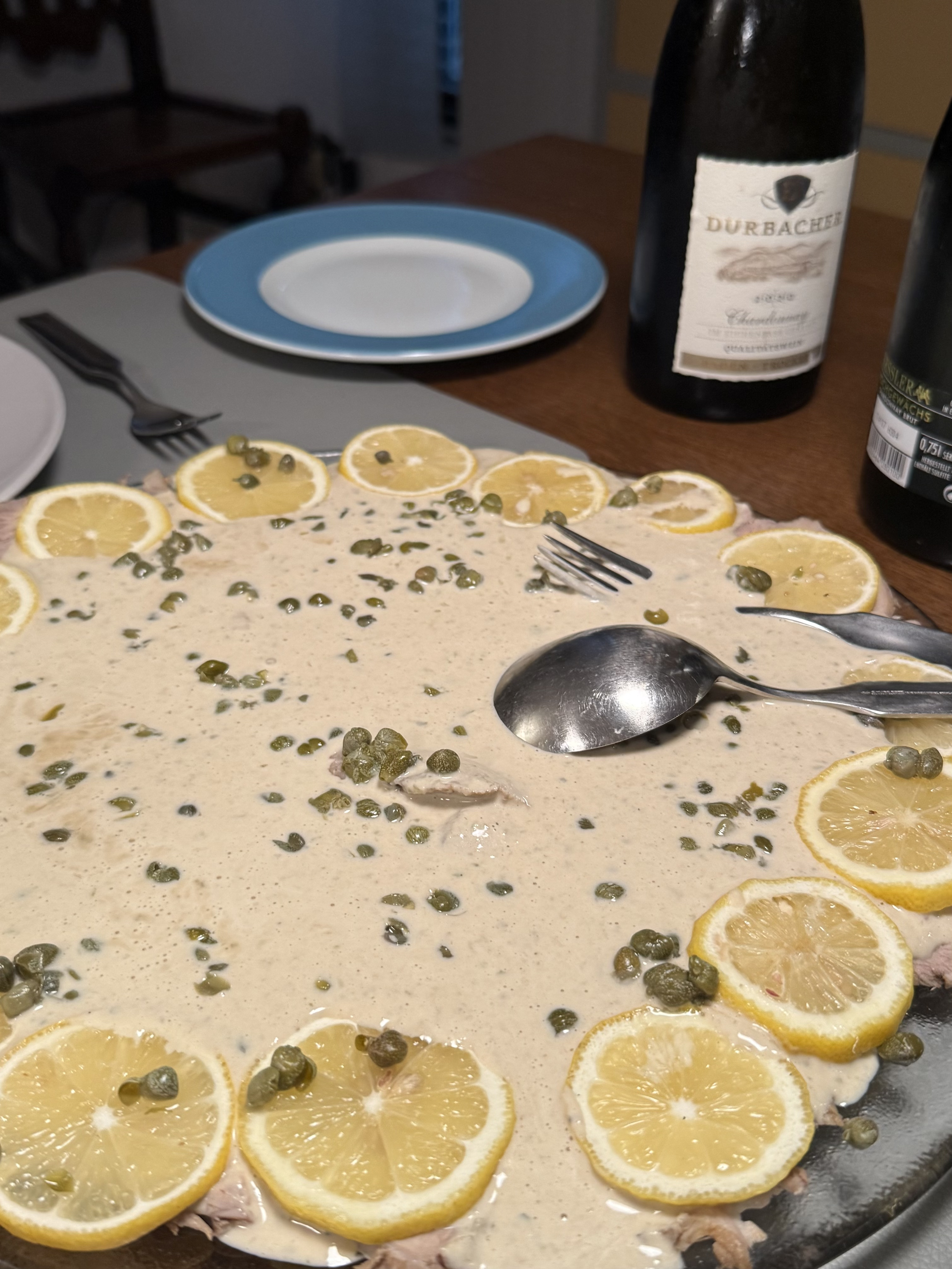
My friends indeed lavished me with generous and delicious hospitality. Dagmar invited me and other friends to her home for a tasty lunch with a scrumptious raspberry cream dessert. And, Heti invited us to a multi-course dinner of exquisite delicacies, each worthy of a magazine photo (photos below). This was especially remarkable as she had fallen and broken her wrist the day before.
Heti, Christina, Dagmar and Gerlinde
On my last day we met in Bebenhausen. Bob and I were avid cyclists. We liked to pedal from Steinenbronn to this tiny burg with an ancient monastery and an excellent restaurant. It is still charmingly picturesque. My last treat before heading home, another German delicacy: Rehrücken filet (venison filet). Delectable.
BebenhausenRehruecken filet
Living on the Mediterranean coast, I have the sea, palm trees, the Maritime Alps, tropical gardens – but no dense, enchanting forests. I had not realized that I was forest deprived. I was in awe of all the fabulous German greenery.
I mentioned this to Andrea, so we visited yet more. “I’ve never been to so many forests in one day,” she said. Gerlinde told me that Stuttgart has more green space than any other German city.
A stroll in the Rosenhoehe, DarmstadtA pause for apple wine at a gemuetlich hut on the edge of another forest
“The woods are lovely, dark and deep…,” and a treasure.
Thank you, dear friends, I loved my return to Germany –especially seeing all of you.
Below: Heti’s superb creations. Each was mouthwatering.
I will add a new recipe next time. Meanwhile, for an easy, tasty dessert, try my recent discovery, RUM-SOAKED MANGOES. Sinfully delicious.
If not a Tales and Travel follower, please sign up here. Trust me. It’s safe. Your address is not shared. Don’t miss out. Thrilling adventure coming: South Africa, Madagascar and Mauritius.
Comments welcome. Scroll down and share your thoughts.To read previous comments, scroll way down.
Several years ago I wrote versions of this article which appeared in various publications.
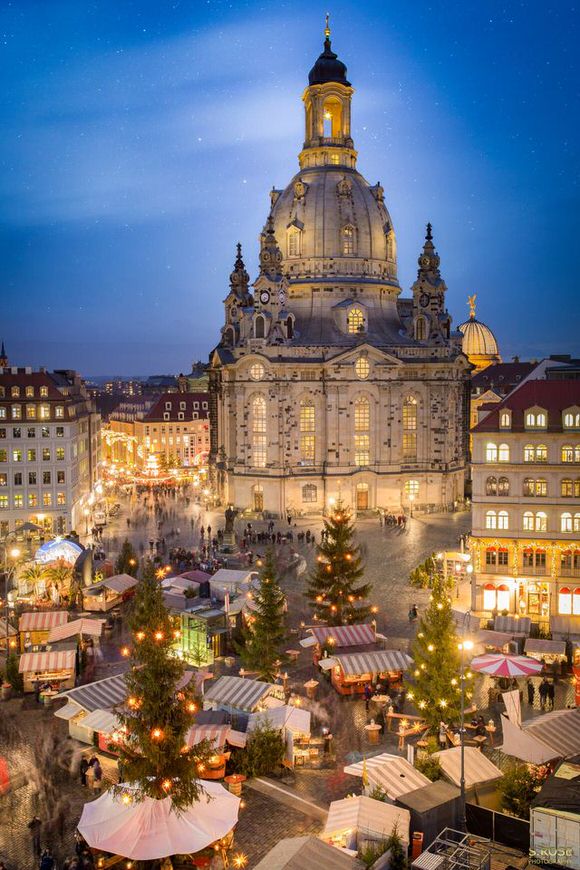
Dresden’s Frauenkirche and the Neumarkt Christmas market. Photo by S.Rose
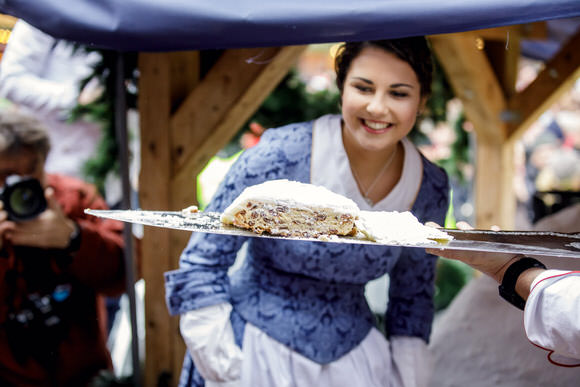
My nose led me to the big black oven. The aromas wafting from behind its doors were heavenly and hunger inducing. Something delicious was certainly baking inside and I had to have a taste. I was in Dresden at the Striezelmarkt, the city’s Christmas market, and it was Stollen, a rich buttery cake with dried fruit, nuts and spices, turning golden inside the outdoor oven. Master baker Joachim Winkler was rolling another batch of dough as spectators watched the creation of Dresden’s famous holiday cake. Best of all, there were free samples to taste.
That was many years ago. I lived in Germany then and sought out holiday markets every December. Major cities like Dresden usually have numerous markets in various locations throughout the town. However, Christmas markets in smaller towns, while perhaps not as grandiose, are equally as enticing.
The tradition of pre-Christmas markets originated in Germany in the late Middle Ages. The custom has spread throughout the world with Christmas markets on the calendar in numerous countries these days. Now I live in France where, sadly, I find Christmas markets a poor imitation of those magical events in Deutschland.
Striezelmarkt in Dresden Photo: Sebastian Weingart (DML-BY)
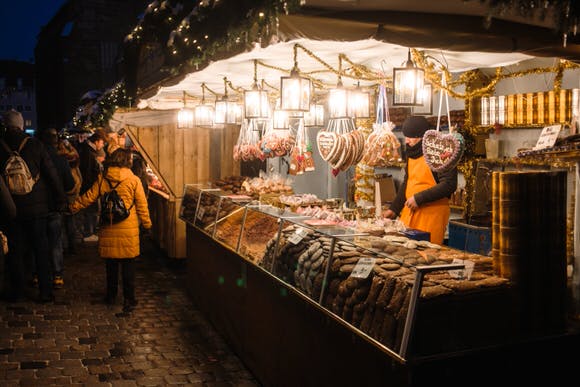
I especially miss going to the markets late in the day. When dark descends, as early as 4 p.m. in December, they are captivating scenes with twinkling lights sparkling on tinsel and gilded ornaments. If snow falls, it’s pure enchantment. People wrapped in heavy winter coats and woolen scarves pack the market square to eye the merchandise displayed at stalls decorated with swaths of fir and pine. Everything from holiday decorations to handicrafts, from mittens to furry slippers, is for sale. Aromas of cinnamon and cloves waft through the chilly air. And, in addition to Stollen, other delicious edible treats stir the appetite: grilled sausages, spicy cookies and Glühwein or “glowing wine,” hot spiced wine served in souvenir mugs.
A toast with Gluehwein at the Munich Christmas market. Photo: Anastasia Dvoryanova
After I tasted free samples of Stollen, I set off to investigate another stand emitting even more delectable aromas. Delicacies called “Quarkspitzen” were bobbing in a pot of bubbling fat. I’ve been to many a Christmas market, but I’d never encountered these gems. Little balls of dough with quark (curd cheese) in the middle, deep-fried and rolled in powdered sugar. Exquisite.
Lebkuchen (German gingerbread) is a seasonal favorite. Photo: Caleb Owens
Food is my favorite part of Christmas markets. Be it in Stuttgart, which claims to have Germany’s largest holiday market, or Nuremberg, which says its market is the most romantic, or Dresden, or any small-town Christmas market, there’s nothing quite like standing out in the winter cold, sipping a Glühwein and savoring a grilled bratwurst as church bells toll and children sing Christmas carols. Move on to another stand for another Glühwein and a healthy portion of Schupfnudeln (potato dumplings with sauerkraut) or Linseneintopf (a thick soup of lentils) and Kartoffelpuffer (potato pancakes). It’s a unique and thoroughly German culinary experience that is scrumptious.
Photo : Cottonbro StudioPhoto: Caleb Owen
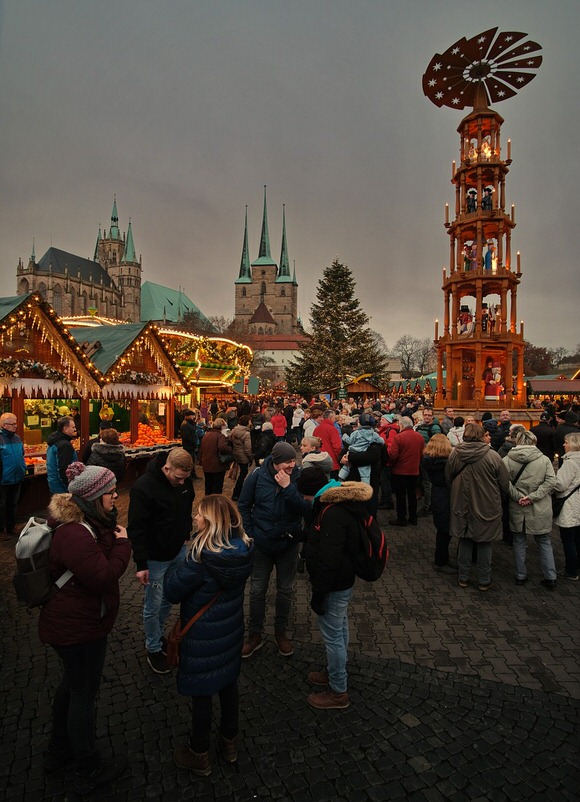
Of course, the markets offer much more than food. Towering over the market in Dresden, in addition to a giant Christmas tree, is a gargantuan, lighted pyramid with carved wooden figures on multi-levels. Smaller versions of the hand-carved pyramids are a traditional holiday decoration dating back some 300 years. The pyramids have holders for candles. When lit, the heat rising from the candles sets the various levels of the pyramid turning, its figures spinning round and round. Woodcarvers in the nearby Erzgebirge (Ore mountains) region make the mobile decorations, as well as other beautiful hand-carved items such as candelabra, smokers (figures that blow smoke from incense cubes) and nutcrackers, which are famous throughout Germany. There are plenty of stands in Dresden, as well as other Christmas markets, selling these prized items of wood. I purchased a hand-carved candelabra with nativity figures which has become a cherished Christmas decoration.
Pyramid at the Dresden Christmas market.
I will spend Christmas in Abano Terme, Italy, a spa town I visited three years in the summer. (see previous post, Taking the Waters – and the Mud, July 2021)It was in the summer and much too hot. Christmas should be perfect. Maybe the mud treatments will soothe my injured body. Of course, a blog post will follow
Wishing all a joyous holiday season full of good food, good cheer and good friends.
If not a Tales and Travel follower, please sign up here. Don’t miss future posts.
Gerlinde trekked for 12 days in northern Myanmar, a region with no roads, only accessible by small plane and requiring special permission to visit. “It was the best trip ever, such an adventure, no tourists. We did not see a white face for five days,” she said.
Erich traveled by camel, through the Jordanian dessert for a week. He camped in a cave used for burials. “It was very romantic. Normal tourists don’t do this,” he said. He recalled other past adventures: Driving from Germany to Iran; being robbed, a knife at his neck, in eastern Turkey.
I wrote this article for the magazine German Life (www.germanlife.com) where it was recently published. As soon as I conquer a new operating system on my computer, I hope to post more on Sri Lanka.
Sepp has climbed mountains in Pakistan, India and Nepal. He and his wife Inge have been to Morocco, Mauritius, Uzbekistan, all European countries, and recently to India for the fourth time.
Annette returned to Rwanda for the fifth time to hike uphill through dense bamboo forests to observe mountain gorillas. “I am addicted,” she explained.
Annette, far right, on her fifth trip to Rwanda, a trek to see mountain gorillas.
Many Germans, like those mentioned above, are passionate about travel. While the above adventures may not be among the pursuits of the average tourist, Germans are known, not just for their travel lust, but for seeking out exotic destinations and unique experiences…sometimes too unique
Ivy, a staff member at a safari lodge in Botswana, told a horrifying tale of a German couple who were driving through the game park in a rented car which broke down. The husband left his wife and set out on foot to find assistance. His wife stayed in the car and was rescued. He never returned…only his boots were found.
Most tourists visit the game parks with a group and guide, Ivy said, but “the Germans prefer self-drive.”
Comments on German travelers from a travel web site included this from someone who had worked at a resort hotel in Eilat, Israel: “From all the nations that would make our guests (and workers) it seems that the Germans were the most traveled people.”
In the Myanmar jungle, Gerlinde encountered leeches.
Another comment: “I was recently in South Africa and let me tell you that I think I met more Germans than South Africans. They are everywhere!!” With six weeks of paid vacation per year, Germans have more time to travel than the average American. Travel they do, especially in winter to escape the oppressive, cold and dark days.
Norbert Fiebig, president of the Deutscher Reise Verband, sums it up on the organization web site: “Germans attach great importance to travelling. Most Germans are fascinated by relaxing holidays and discovering cultures and landscapes that are foreign to them.” Blogger Andrew Couch, who writes about Germany, finds “the quality of life idea of having vacation time is deeply a part of German working culture.”
Perhaps Germans are inspired by the country’s literary giant, Johann Wolfgang von Goethe. His Italienische Reise (Italian Journey) is a classic. “Für Naturen wie die meine ist eine Reise unschätzbar: Sie belebt, berichtigt, belehrt und bildet, ” he wrote in a letter to Schiller in 1797. “For natures like mine a journey is invaluable; it animates, corrects, instructs and develops.”
Last year I accompanied a German tour group to northern India. Most of the group, like Sepp and Inge, had been to India numerous times, as well as many other countries. They especially like the friendly people in India, the culture, and “last but not least, the good food,” said traveler Rainer.
German tourists in Dharamsala, India
Our Indian guide, Rajesh Mendiratta, has been leading German tour groups for 25 years. He started out in the tourist industry working in a hotel. German guests complained that the
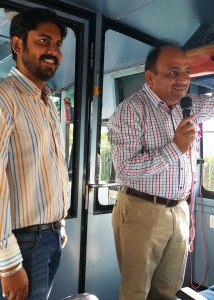
Tour guides Alok and Raj
guides did not speak good German, he recalled. He decided to learn the language, studied at the Goethe Institute in India and became a guide mainly for Germans.
“The Germans are interested in learning about everything. They are very correct people. They are appreciative,” he said.
Most in our group knew Raj from previous trips. He has visited some of them in Germany. “They invite me in their homes. I value their friendship,” he said.
For the second portion of our trip, a younger Indian guide, Alok Tripathi, took over. Like many Indians he speaks English, but he decided to learn German and focus on German tourists because “there is too much competition with English.”
He agrees with Raj and has found that “Germans want to learn everything, the culture; traditions…Americans just want to shop.” Yet, Americans get a plus for tips. They are more generous, he said.
According to Raj, Germans rank as the number one nationality visiting India. “They saved us,” he said, referring to the slump in tourism 10 years ago when other nationalities, including the British who had been at the top, cut back on travel to India. Germans kept coming.
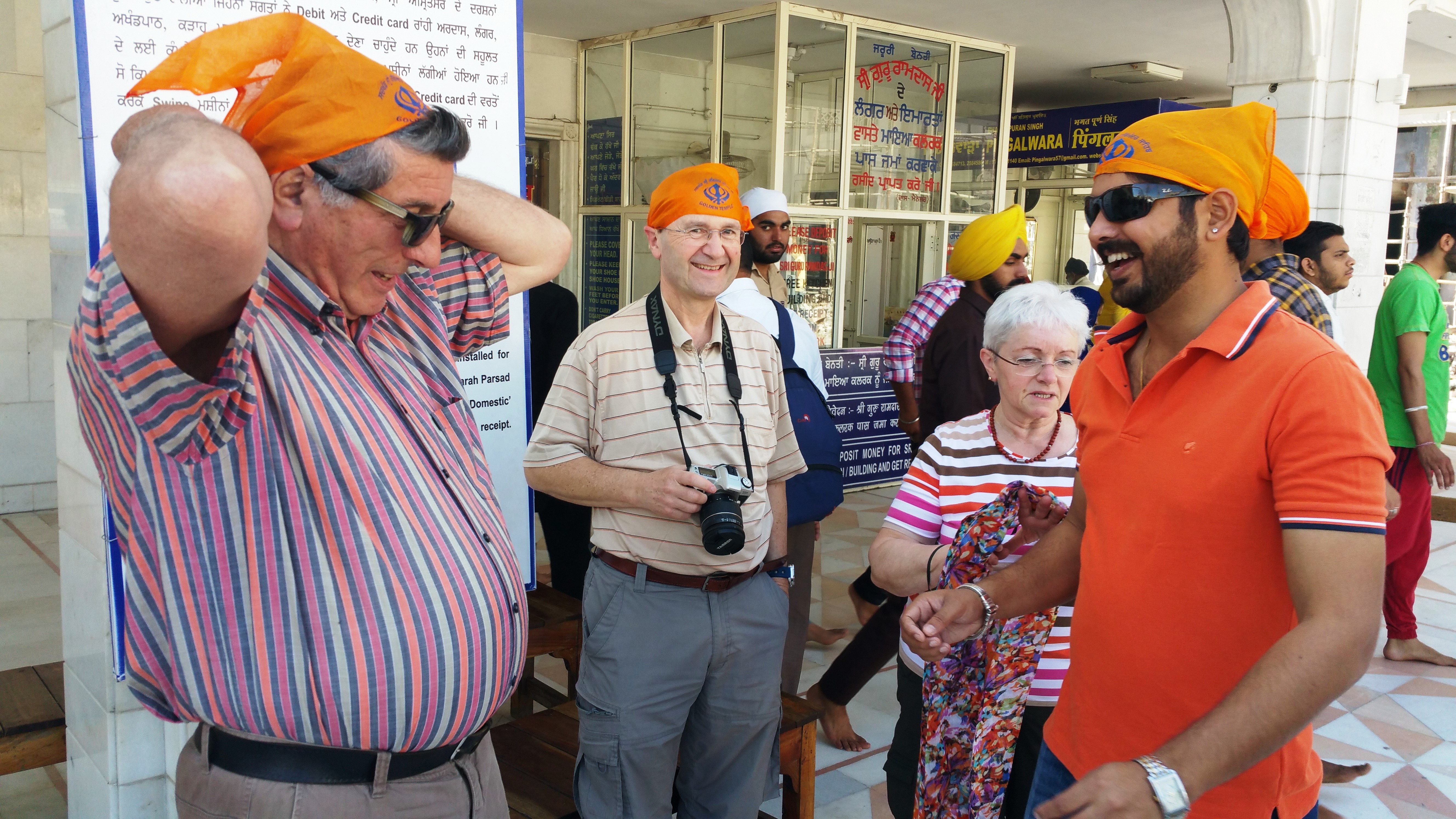
Germans visit the Golden Temple in Amritsar, India, where heads must be covered.
While Germans love India, it is not their favorite foreign destination. That distinction goes to Spain, followed by Greece and Italy. “Greece is currently having the strongest growth with booking plus of 41 percent compared to last summer,” said Susanne Stünckel, a spokesperson for TUI Deutschland, the largest leisure, travel and tourism company in the world.
Long-distance destinations such as the U.S., Mexico, South America, Canada, Indonesia and the Seychelles, are also “growing rapidly,” she said. New York is the German favorite in the U.S., followed by Miami, Los Angeles, Las Vegas and San Francisco.
More Germans, like those previously mentioned, are venturing off the beaten track, Stünckel noted, “moving more and more into exotic destinations with increasing travel experience.”
One such place is Iran, which travel agent Bettina Rohleder in Karlsruhe termed “very popular.” Travelers, including Gerlinde who visited Iran with a guide, find the country friendly and fascinating.
Yet Germany is considered the most popular overall destination of Germans who are happy with short travel distances, the close proximity of attractions, and being able to speak the same language.
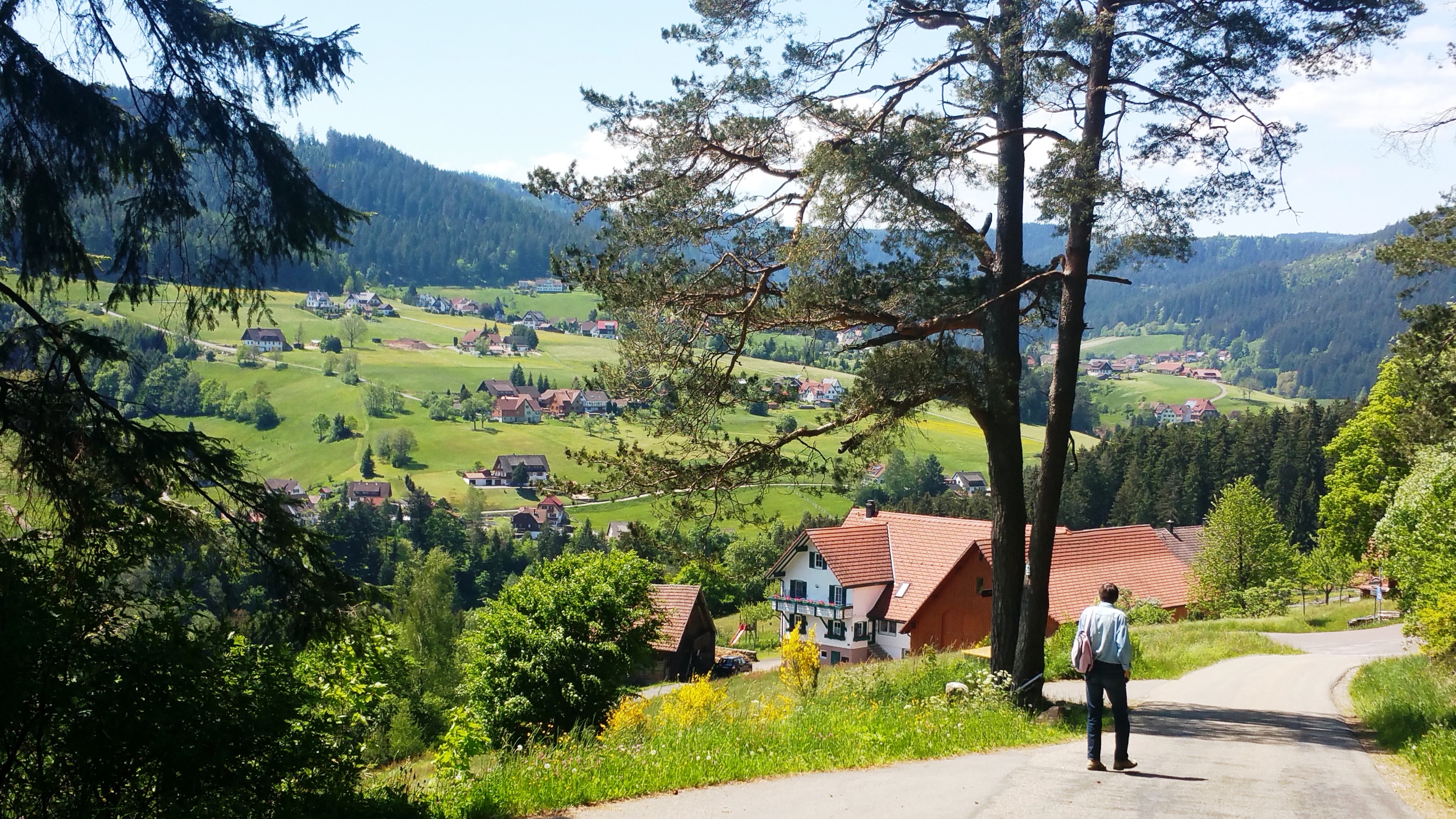
The Black Forest, above, is popular for “Wandern” (hiking), a favorite German pastime.
“Hiking in Bavaria, swimming in the Baltic Sea, culture and history in Berlin – it’s the variety that people love,’’ said Karl Born, professor of tourism management at the Harz University of Applied Sciences in Saxony-Anhalt.
Hamburg is tops for culture this year with the recent opening of the Elbphilharmonie, the city’s new concert hall acclaimed as one of the largest and most acoustically advanced concert halls in the world. The glassy construction resembling a hoisted sail was designed by Herzon & de Meuron and is attracting visitors from around the world — not just Germany.
According to the German National Tourist Board (GNTB), culture is the number one drawing card (75%) for visits to the country, followed by the outdoors and countryside. Whatever the motivation, more and more international tourists are joining the Germans to experience the wonders of Deutschland. The nation’s tourism numbers have been up consistently for the past six to seven years.
“Germany’s reputation as a stable, safe and affluent nation has boosted its status as an attractive travel destination in recent years, especially as tourists increasingly find themselves in the crosshairs of international terrorists,” notes Deutsche Welle, the country’s international broadcaster.
Germany’s number one attraction: Neuschwanstein Castle
With 35 million international visitors in 2015, Germany placed eighth in world tourism rankings by the United Nations World Tourism Organization. France took top honors that year with 84.5 million visitors. Most foreign visitors to Germany come from the neighboring Netherlands, followed by Switzerland, with the U.S. in third place.
The top attraction in the country: Neuschwanstein Castle. Other favorites are the Berlin Wall,
Wilma at the Taj Mahal.
Rothenburg ob der Tauber, Heidelberg Castle, the Cologne Cathedral and the Romantic Road. Berlin is the most popular city, followed by Munich.
“Germany is full of attractions,” says my friend Wilma who lives in Darmstadt. “I like the Rhine. I like Bavaria and the mountains. I like the cities, Berlin, Munich, Hamburg. There are so many old and interesting things. Germany would be the best country for travel if it weren’t for the weather.”
Never mind the weather, Germany was number one in the U.S. News & World Report’s “Best Countries” index.
If not already a Tales and Travel follower, sign up (upper right). Your address is kept private and never shared.
Please feel free to comment. Click below, scroll down to Leave a Reply and add your thoughts. … More new recipes coming soon.
Two Americans living in southern France set off to Germany to buy a car. Not a Porsche (pity). Not a Mercedes. Not a BMW. Not even an Audi. But — a Toyota! No, not a new model, but a very old Toyota (2004).
Crazy? Bizarre? Idiotic?
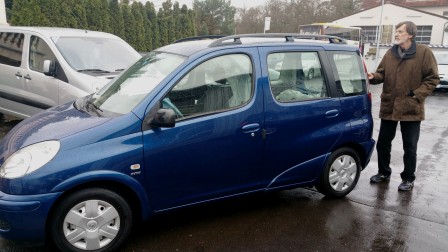
Perhaps a bit of all. Here’s the story. Two years before moving to France from Germany 12 years ago, we bought a royal blue Toyota Yaris Verso. The back seats of this minivan collapse and slide under the front seats, leaving lots of rear space, enough for two bicycles standing up. That was the selling factor. We could park the car anywhere with the bikes chained and locked inside. And, it was easier to put them inside the car instead of on the roof.
Back then we did lots of pedaling. The bikes went with us on cycling trips all over Germany, Austria, Switzerland and France. All l that space was also practical when making large purchases: washing machine, mattress, cases of wine.
Not our car.
We love this car. It has been reliable, trouble free. It now has some 255,000 km, but has had only minor repairs. We knew it could not last forever and were getting worried. No reason to spend big bucks on a new car at our age. Besides, Toyota no longer makes this model and we found no others with the same features and known reliability.
Bicycle Bob (BB) dove into Internet research on used Toyotas. He claims he could not find any in France. No wonder. I later learned that all his Toyota finds were coming from a German web site. He said he would feel better buying a used car from a German rather than a Frenchman. Those neighbors to the north treat their cars with over-the-top TLC, like rare endangered species. Check out the cars in parking lots in France. Dents. Dirt. Rust.
The cars he was finding were old, but there were many with far fewer kilometers than ours. We had to see a car before buying it, and probably look at more than one car before purchase. That meant a train trip to Germany, hotel and meal expenses etc. The price tag was climbing.
More to Germany than cars.
No matter. We could do more in Germany than look at cars: Satisfy cravings for good beer and hearty cuisine, visit friends, perhaps even see some new sights. He found versions of the desired Toyota all over Germany – Leipzig, Zweibrucken, Hamburg, Munich. We had to narrow our selection lest we spend weeks canvassing the entire country.
Schweinhaxe and sauerkraut.
So, one dreary day in February we hopped aboard the TGV (fast train) from Aix to Frankfurt, then another train to nearby Erlensee where a friendly car salesman met us and took us to see the first selection. It looked just like our car, same bright blue, just two years younger (2004) but with a mere 134,000 km.
This one looked good.
Promising, but we had another car to see in Kulmbach, three autobahn hours away. We rented a car for that trip. It rained. It poured for the entire drive. We checked out the second Toyota . Both cars were in immaculate condition. Each car had had just one owner, elderly folks like us.
The blue Toyota owner had been male; the silver Toyota had been in the possession of a female. We test drove both cars. “There is something I don’t like about the clutch in this car,” BB said of the silver one, knowing it had had a woman owner. He maintains women drivers often ride the clutch. A sexist view, in my opinion. “I think this car could have a problem,” he insisted. I found nothing wrong with it, but he makes the car decisions. Besides, the silver color was wimpish . And, the salesman was anything but accommodating. Our salesman in Erlensee, a Jordanian, was terrific, helpful.
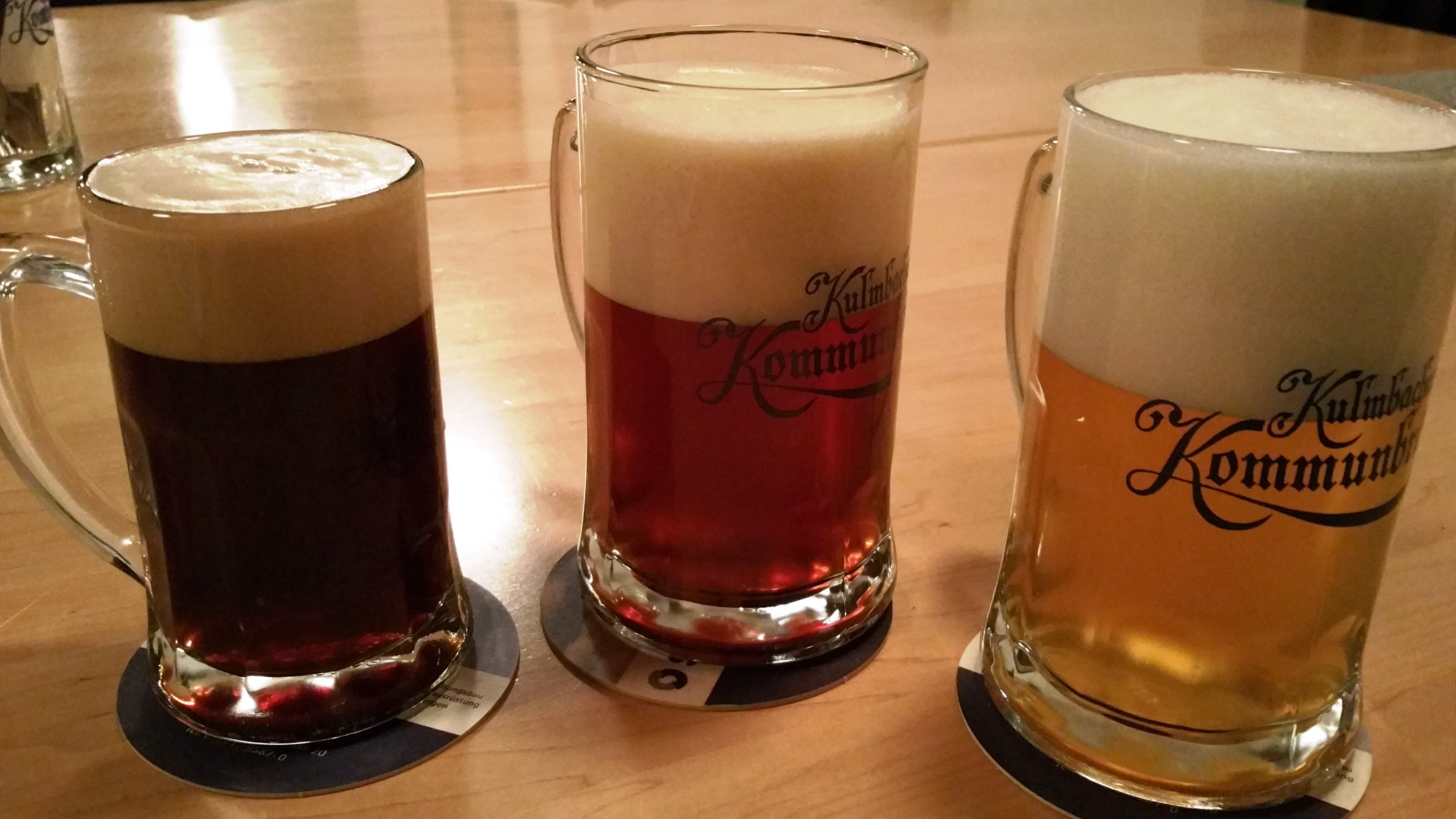
Trying different brews in Kulmbach.
We spent the rest of the day and an overnight in Kulmbach before returning to claim the blue baby. The rain never stopped, but great beer made up for it. Kulmbach is noted for its beer. We visited an artisanal brewery, bought beer to bring home, toured a beer and bread museum – all wunderbar.
We figured it would be a multi-step procedure to finalize the sale and get the car temporarily registered and insured for the trip back to France. Never underestimate the Germans. Our salesman took us to a trailer type office in a parking lot where, within a half hour, all was complete, including temporary plates on the car.
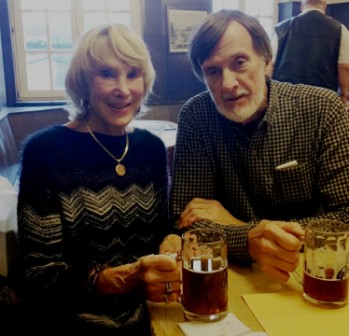
Seeking solace from German rain.
We set off in our new old car south to Darmstadt to visit old friends, enjoy more beer and hearty food, and then on to Basel, where we were married 26 years ago. The nostalgia visit to this Swiss city was more than moist. The rain, six days of it in Germany, followed us to Switzerland. We spent a day indoors, visiting some interesting museums, before coming home to France where we did find sunshine, but also frustration, headaches, obstacles.
Giacometti at Fondation Beyeler in Basel.
I knew car registration in France would never be the smooth and easy process it was in Germany, however…. We started the process after our return, Feb. 15. On March 22, 36 days later, it was finally finished…or so I thought.
We began the ordeal with a visit to the mayor’s office in Reillanne, our town. Then the tax office in Manosque (1/2 hour away). We had to go there twice since we did not have one of the required documents the first time. From there we were sent to Digne, a city about 1 ½ hours away and the seat of our region’s “prefecture,” the folks who could make our car legal in France. We thought we had all the required documents.
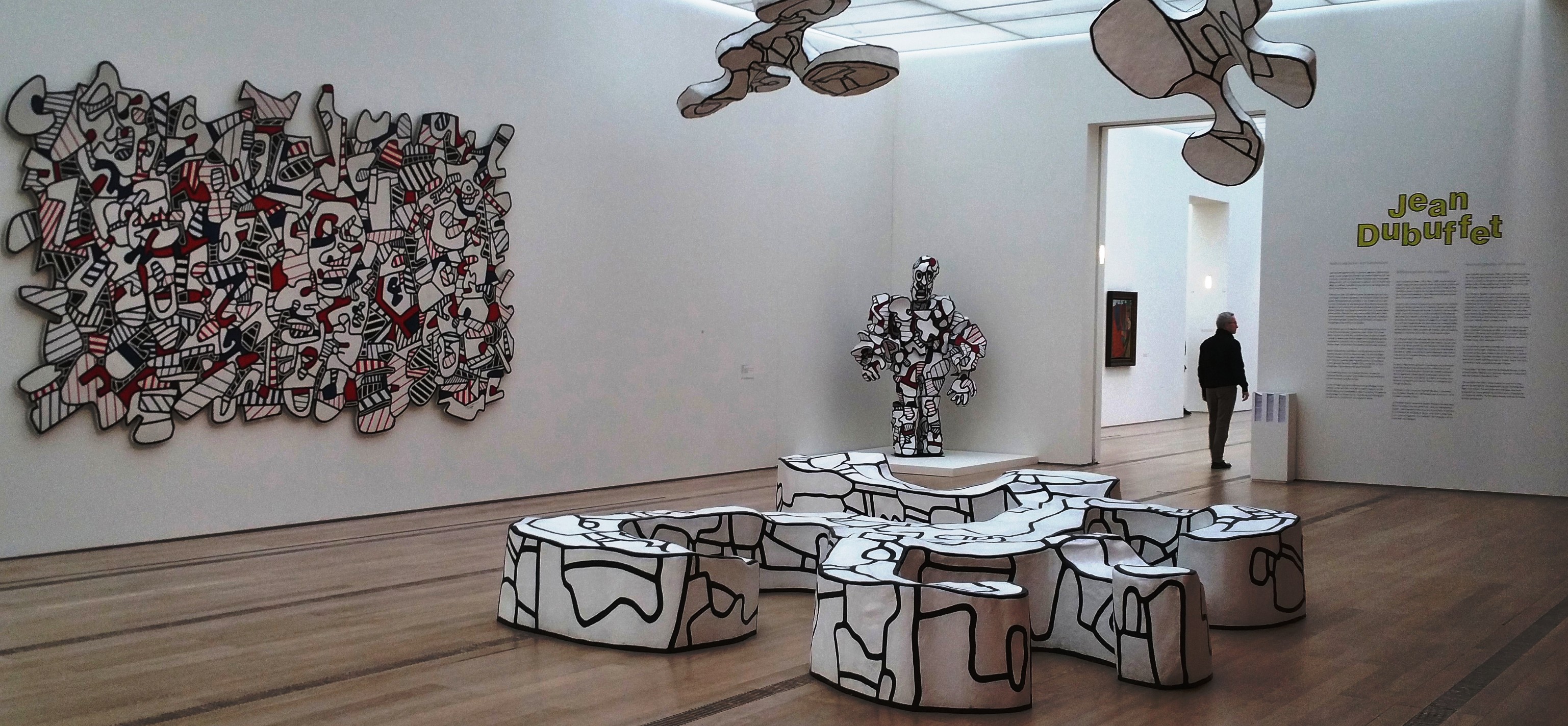
Dubuffet at Fondation Beyeler in Basel
At the tax office in Manosque we had been given a list of requirements: six documents. The woman in Digne gave us a longer list: 10 different documents. Sacre Bleu! We did not have the “Certificat de conformite,” a document which could only come from Toyota. And, we were told the safety inspection document we had from Germany would not fly. It was several months old. So, we had to make an appointment and have the car inspected in France and get yet another document.
Off we went to our nearest Toyota dealer, 1/2 hour away. A young man filled out a form requesting all sorts of technical details on the car. We sent that form and a check for 150 euro to Toyota headquarters in France — fortunately not in Japan. A week later we had the form. We were making progress.
On our second trip to Digne, miracle of miracles, we had all the correct papers. We received a temporary registration. We went to a nearby garage and had plates made – instantly. We were overwhelmed. The French are efficient at something.
The French have mastered instant license plates.
Only insurance left to conquer. We have our cars insured with a bank in the town of Pertuis (45 minutes away), but we arranged for temporary insurance by phone, and followed up with a visit to the bank last week to sign the form.
We were elated. Finally all finished. Not quite. Today I received a letter from the prefecture in Digne. They need the original car registration from Germany immediately. I checked our thick folder of documents on this car. We do not have it. I am certain we turned it in with all the other papers to the woman in Digne. ???
Will they cancel the registration without it? Seize the car? Insist we contact the German registration office and get a new ”original” on a car that was registered 12 years ago?
Moral of the story: If you live in France, buy a car in France.
No, not our old Toyota, but a Tinguely creation at the Tinguely Museum in Basel.
Like my blog? Tell your friends. Please leave a comment – if you can’t see the Recent Comments list below, use the link on the right-hand menu (below “Recipes”). Feedback is welcome. I love to know what my readers think about my posts.
The previous post, Humanity is Lost, was my attempt to reblog a post of a bloger I follow. If you click on the title, you should be able to open and read the post.
Along the Moselle
201 kilometers of pedaling in four days. Certainly nothing to brag about. But, we are no longer young and it’s been a few years since we have done any serious cycling. We were also biking with our panniers – worth a few extra Brownie points. The cycling was mainly on flat terrain following bike routes along the Saar and Moselle rivers in Germany: pleasant, easy, scenic.
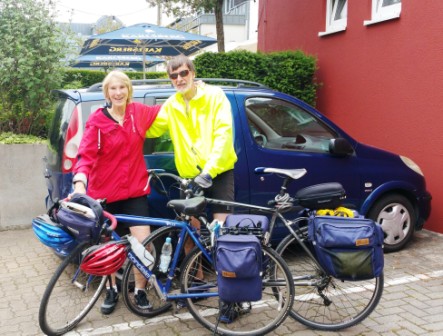
We made it — back to the car in Merzig where it all began.
The bike excursion was a highlight of our spring trip back to Germany where we lived for many, many years before moving to France. We love going back, seeing friends, drinking the world’s best beer, enjoying our favorite German foods — and discovering more of Germany. Wines in Baden, hikes in the Black Forest, sights in Saarbrücken– add all that to bicycling and it makes for a wunderschön (wonderful) trip.
It wouldn’t be Germany without a bit of rain.
Google led me to a blog post,”A Bicycle Ride along the Saar and Moselle Rivers.” Perfect for us, I decided. We cut short the part on the Saar, pedaling only from the town of Merzig to Konz where we picked up the Moselle Bike Route and followed it to Bullay.
A break from the bikes to enjoy the scenery.
The Saar section was serene, sublime. Few people. Few major towns. Trees, the river and vineyards. We stopped to chat with a couple from northern Germany who were taking a break from the bikes and lounging in the grass. “We’ve never be to Saarland. It’s beautiful and not so touristic,” she said.
Trier: Porta Nigra
Along the Moselle we pedaled past lots more vineyards, through more towns, and encountered more cyclists. We felt we needed to see the major sight in Trier, the Porta Nigra, but biking through the congested city was not pleasant. However, tasting wine in the town of Graach where Mythos Mosel, a Riesling wine tasting event was underway, was very pleasant.
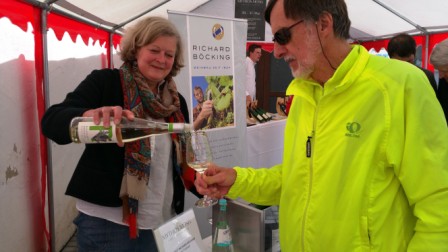
BB/VR gets a taste of Moselle wine.
Be it in Germany, Austria, Switzerland, France—wherever, biking along marked cycle routes is usually a joy. For the most part you encounter few cars. Unfortunately this was not entirely the case for us this ride. As navigator, I am to blame.
Instead of carefully consulting the bikeline guidebook when leaving one town, I chose the wrong side of the river for our ride. We were on a bike path, but not the right one. The trail deteriorated, leading us onto a muddy track bordered by thick vegetation. No way to ride this, so we pushed the bikes through the swamp. The worst was not over. We followed the path out of the mud and up a hill, only to be faced with a busy major and narrow highway. Cars sped by much too close for comfort. Add to that: rain.
Postcard villages surrounded by vineyards abound on the Moselle.
I don’t frighten easily, but this was very scary. I feared we may have missed the one bridge that would lead us to the other side and the correct bike route. I used all my energy to pedal as fast as I could, hoping we would find the bridge before being crushed by a car.
We survived and were relieved to arrive in Trittenheim and find the welcoming home of Marlene Bollig, a guest house where we had booked a room. I told her about our adventure. “No one rides on that side of the river,” she said. “Well now you have an adventure to write about. “ One adventure I could have done without.
Hikers learn about wild herbs.
Our adventure in the Black Forest was problem free, fun and interesting. We joined a guided group hike, Wild herbs: Multitalent. “My passion is to delve into nature and gather herbs. I learned from my grandmother,” guide Heidi announced. The trek was easy with numerous stops where she plucked a plant or flower, then explained its use in the kitchen and its nutritional, as well as medicinal, value.
Butter mixed with wild herbs– delicious on bread.
The forests and fields are indeed rich in edible treasure, but don’t try to eat all. “No, you can’t eat that,” she announced as one of the group pointed to some lovely yellow flowers. “Not even cows will eat that. The stomach won’t tolerate it.” She treated us to a wild herb snack which our stomachs tolerated with pleasure, bread smeared with tasty herb butter made from plants of the forest.
We followed guide Rolf Wein on another hike, uphill to the Genuss Platz (Pleasure Place), a scenic spot with benches he and friends had made long ago. His treat, wild plum schnapps which he had made.
Rolf Wein led us to his favorite spot in the Black Forest.
“This is my home,” Rolf said as he looked below to the town Baiersbronn surrounded by forests. “I enjoy outings with guests, to show it off. It is wunderschön here in the black Forest. I would never move away.”
Baiersbronn is a wunderschön town, especially for foodies. Its restaurants have a total of eight Michelin stars, quite amazing for a town of 14,500. I had the privilege of interviewing three-star chef Claus-Peter Lumpp at the Hotel Bareiss, one of the town’s five-star hotels.
3* Chef Claus-Peter Lumpp in his kitchen.
“It’s hard work,” he said of his profession, but “good.” “There is nothing better than to see happy people when they are satisfied. Guests are the most important for me.”
Zwiebel Rostbraten with Spaetzle — very wunderschoen.
Dining at the three star restaurant was beyond our budget, but we enjoyed the tastes of Germany at the hotel’s gemütlich Dorfstuben where I indulged in my all-time German favorite: Zwiebel Rostbraten (Onion Beef). During our travels we savored other German favorites, such as Sauerbraten, Bratwurst, Sauerkraut and red cabbage.
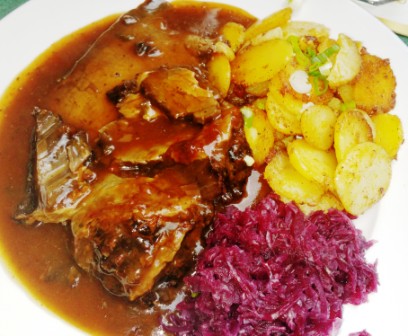
Sauerbraten, Rotkohl and Bratkartoffeln (Sauerbraten with red cabbage and fried potatoes). Makes me hungry.
And, German wines. Although the Moselle is a noted German wine region, except for our one tasting along the bike route, we had no time for serious wine discovery there. We made up for it in Baden, part of the state of Baden-Wurttemberg in southwestern Germany. The Black Forest is part of this state. The Baden section borders both France and Switzerland and is Germany’s warmest and sunniest region. Baden produces more red than white wine, which is rare for Germany, a country known best for its white wines, especially Riesling.
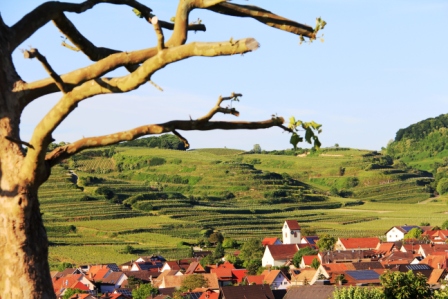
Vineyards in Baden.
Bicycle Bob (BB) is known more as VR (Vino Roberto) these days since his passion for wine now exceeds his love of his bicycle. We not only tasted our way through many Baden wineries, VR bought a supply, too.
With Heti and Heinz.
Our friend Heinz gave us a delicious souvenir to take home – six bottles of his favorite Baden white, Oberrotweiler Grauer Burgunder. Heinz and Heti live in Sindelfinen adjacent to Stuttgart, not far from where we used to live. We stayed at their beautiful home and had the chance to reunite with many of our friends from those days at a fun evening, a pot luck dinner they arranged. Danke Heti and Heinz. Alles wunderschön.
We’d never been to Saarbruecken. It’s worth a visit. Ludwig’s Church is a Baroque masterpiece.
Wine fests abound in Baden, for more on Baden wine and a list of wines fests dates and places: www.badischerwein.de
Don’t miss Today’s Taste in column at right: ASIAN CHICKEN SALAD, tangy and terrific
Villeroy & Boch makes its home in Mettlach in the Saarland. A visit to its ceramics museum — and outlet store — is enticing.
If not already a Tales and Travel follower, sign up (upper right) so you will not miss future posts. Your address is kept private and never shared.
Visit to my angel cat savior Sigrid Ruckaberle and house where “the maternal great grandfather of the fifth generation of Barack Obama” was born in 1729. Her hometown. Besigheim, is proud.
Like my blog? Tell your friends. Please leave a Reply below. Feedback is welcome. I love to know what my readers think about my posts.
Saarschleife, a bend in the Saar River near Mettlach.





















 Tales and Travel
Comments, please!