To the End of the World

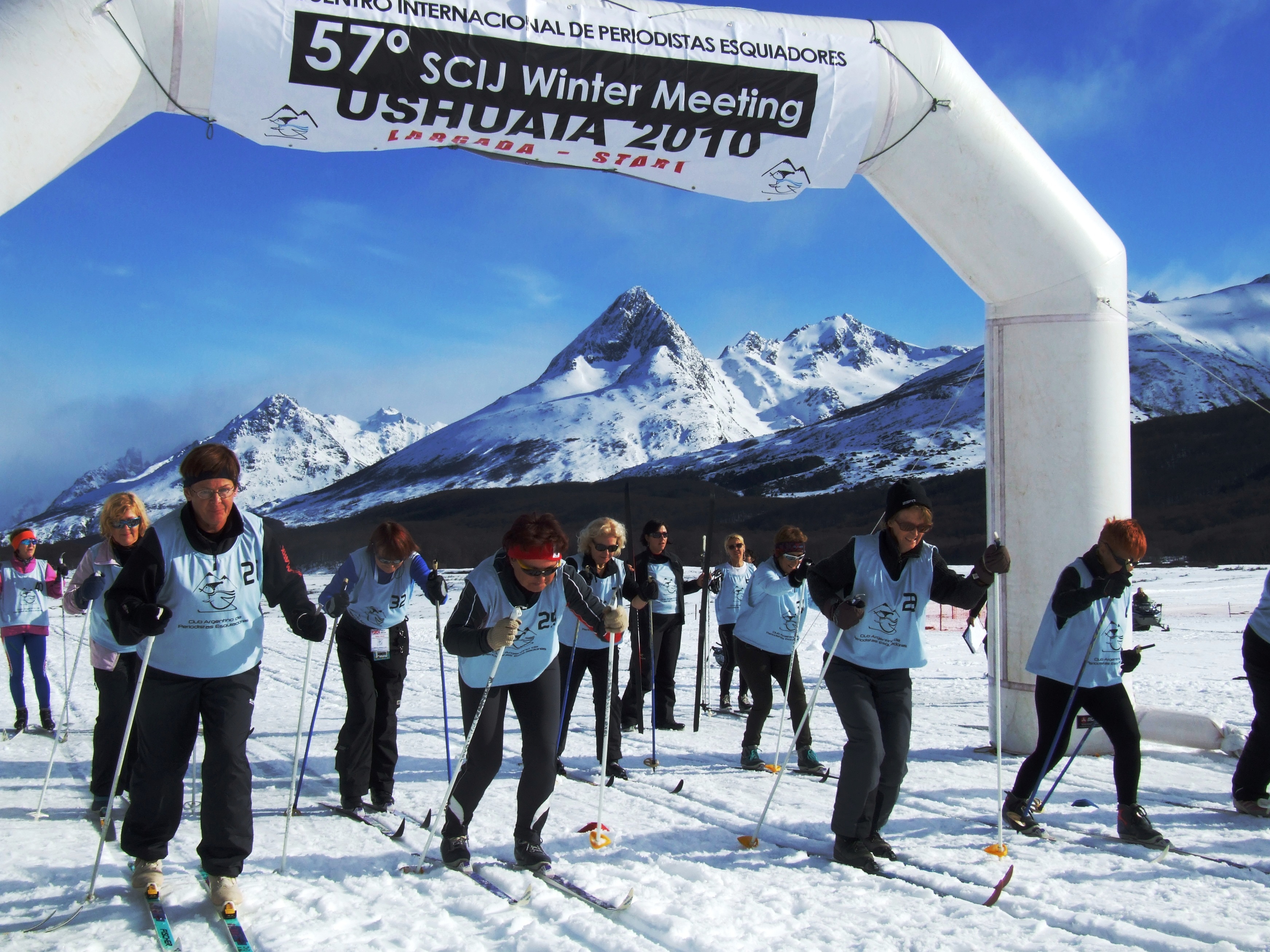
Some 68 skiing journalists from 24 countries recently visited the  “end of the world,” Ushuaia, Argentina, the world’s southernmost city. It was the 57th winter meeting (it’s winter in Argentina) of the Journalists’ International Ski Club (SCIJ) www.scij.info Argentina20

The trip had more than its share of mishaps for me, but I’ll relate those in another blog.  Read on for a tale of fun.

It all got underway in Buenos Aires with a dynamite dinner and tango show. This sensuous, sexy dance is to Buenos Aries what flamenco is to Madrid.  Maybe even more. There are dance halls where locals show off their moves, street dancers who stop pedestrian traffic, as well as the glitzy shows.  It’s enticing, spell binding.

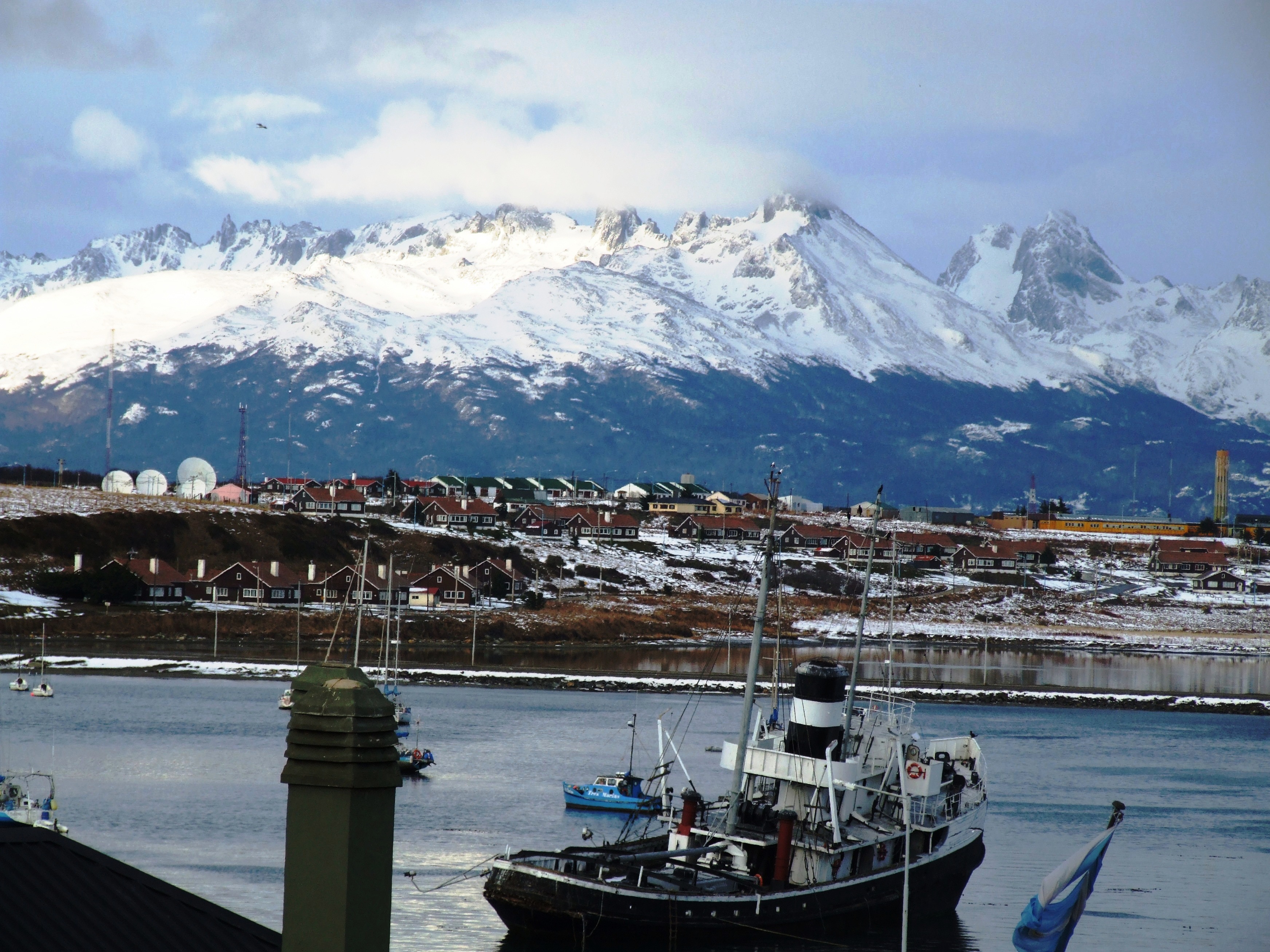
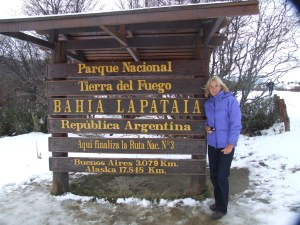
But we came to ski, not dance. Ushuaia, a port city surrounded by snowy peaks withArgentina1 a population of 55,000,  is at the bottom of the country, 3,000 kilometers from Buenos Aires in the Tierra del Fuego province and some 1,100 kilometers from Antarctica.  The ski week got off to a lively start with the city’s welcome ceremony.  Through the streets, we followed local children carrying the flags of the countries represented to a hall and museum where the mayor and other officials greeted us.

The museum is Ushuaia’s former jail and military prison. In the late 19th century, Argentina wanted to colonize this distant post and decided to establish a prison there for “second offenders.”  The convicts were put to work building the prison which was not completed until 1920.  It was closed in 1947.

The museum exhibits shed light on prison life.  In the same building is the Maritime Museum with displays on Antarctica expeditions.

Next day off to the slopes at the nearby resort, Cerro Castor, a lovely ski area with lots of wide open cruising runs and pleasant woodsy and stone lodges.  We were most impressed with the organization and attentiveness at the rental facility.  Only a few participants (those who take the obligatory races very seriously) brought their own skis and boots.  At Cerro Castor, in addition to distributing skis and boots in record time, the staff even helped us on and off with our boots.

Argentina6 The weather in Ushuaia tends to be gray.  It is said it either rains or snows almost every day.  It had been drizzling in the city the day before  our giant slalom competition but it was snow on the slopes so we had excellent racing conditions.  And,  because we were such a small number,  we each had the opportunity to ski the course twice, with the best time counting in the final results.

That afternoon we attended a round table discussion with ex-combatants, several former soldiers wearing tan leather jackets loaded with medals,  from the Malvinas (Falkland Islands). They explained their conviction that the Malvinas belong to Argentina, not Great Britain, and related how they have been ignored by the Argentinean government, presumably since they lost the war.  And, they let us know they’d be ready to fight again to reclaim the islands now inhabited by British citizens.

There was time for more than skiing during our week at the end of the world.Argentina8

We had a bus tour and walk through the National Park in Tierra del Fuego, a vast area of forests, peat bogs, and water.  The guide told us about the early inhabitants in this area, the Yamana, who went naked in this frigid environment and had constant fires to keep them warm, even in their boats, hence the origin of the name Tierra del Fuego (land of fire) as it was called by European explorers. 

We took a ride on the “End of the World Train,”  an old steam train that, some 100 years ago, brought prisoners to the area to cut trees to supply wood for heating and building purposes for the prison in Ushuaia.  Fields of tree stumps still abound in the area. In this climate it takes ages for trees to regenerate.

And, we took a boat ride in the Beagle Channel, the body of water which connects Ushuaia to the Atlantic Ocean.  We stopped off shore of an island where hundreds of sea lions lounged on the rocks.  Hanging out behind them were flocks of Imperial Argentina11 Cormorants, large regal black birds with long necks and white bellies which can dive to a depth of 80 meters. The sea lions, a noisy, stinky lot, live in harems, we learned.  A great photo opp.

Nation’s night is a tradition at SCIJ meets.  Participants bring refreshments (liquid and solid) from their respective countries to share.  It’s a feast:  Italian pasta, Russian caviar, French foie gras, Swiss cheese, Finish reindeer sausage, Swedish salmon, Belgian chocolate, etc. – all washed down with an incredible variety of international alcoholic beverages.

SCIJ members are a tough lot.  Party until the wee hours, but fit for the slopes early the next morning.  The cross-country race demands extra stamina.  It’s always fun. An Argentina14
après-race tradition is Dutch pea soup made by the team from Holland. Unfortunately the ingredients did not make it through Argentinean customs, but this did not stop the innovative Dutch who used local produce to concoct a tasty soup.

After the race we participated in a variety of snow activities:   snow mobiling, dog sledding and snow shoeing. We followed a leader on the snow mobiles, but I was anxious to race across the snow on my own in the vehicle for even more thrills.  Sledding was super. I love the dogs and am always amazed at their speed and power.

As everyone knows, Argentina is beef country.  We had our share of bovine flesh as well as some lamb.  The assado is a staple: a variety of cuts and sometimes sausage grilled and served on the “parilla,” a small grill.  Very tasty, especially with chimichurri, the spicy Argentine sauce made from parsley, olive oil, garlic, vinegar and hot pepper flakes.  There are numerous versions with additional flavorings such as paprika, cumin, cilantro…

Then there are the wines.  We savored many a glass of the famous red wine, Malbec, but also discovered some delectable whites (Chardonnay and Sauvignon Blanc).  The beer is also good.  You can find it in three colors: blonde, red and black. 

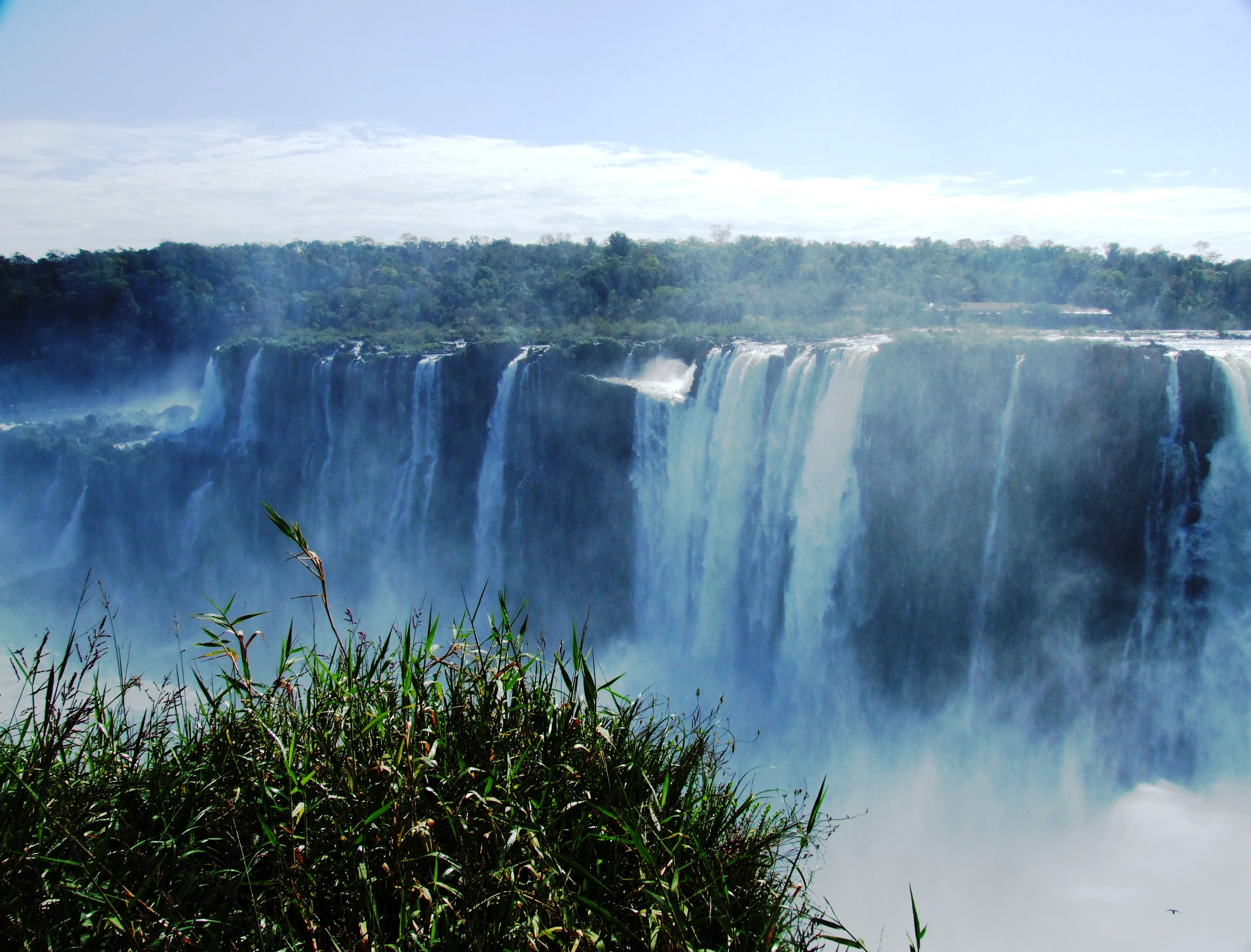
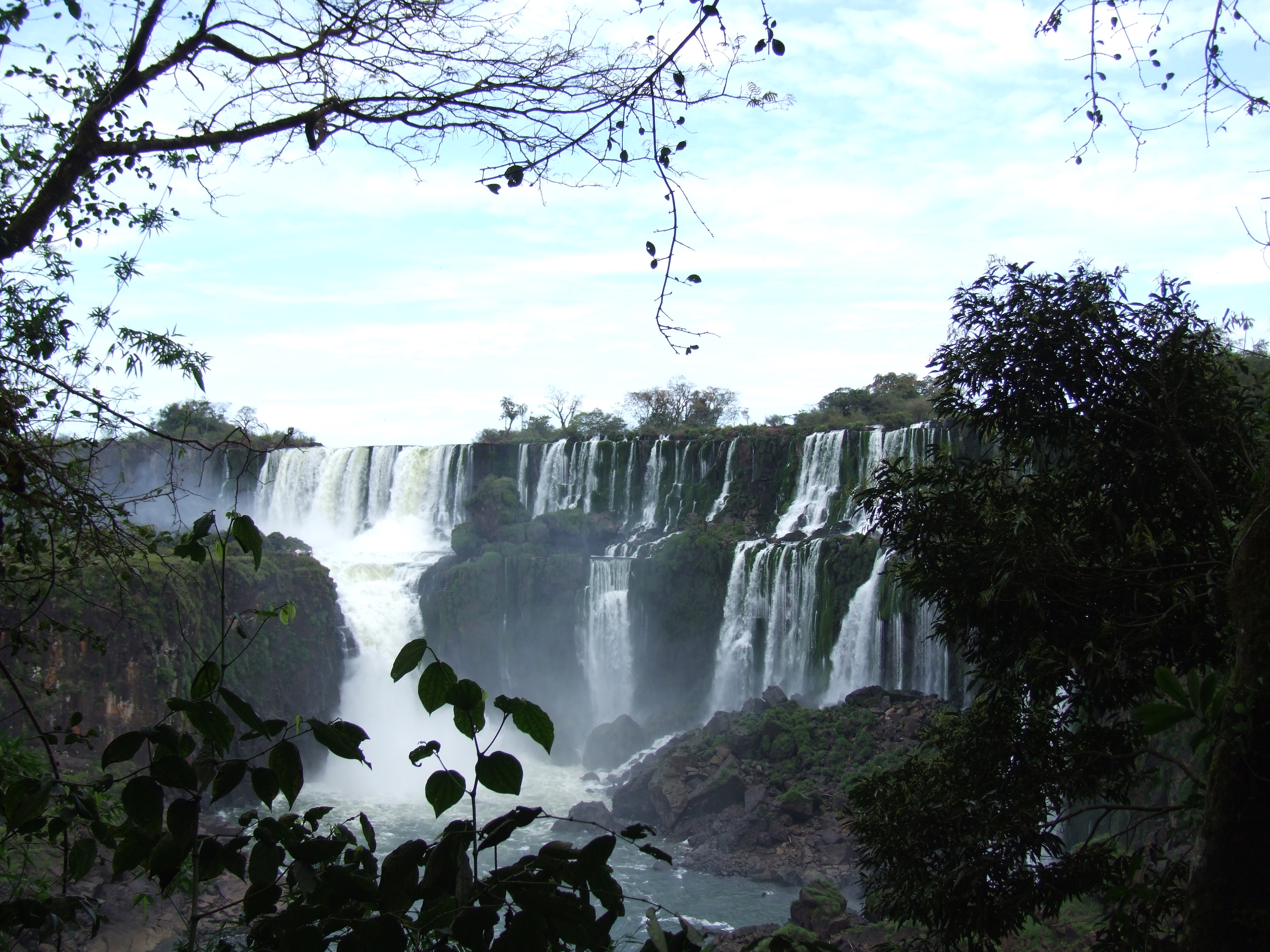
After the ski week, I returned to Buenos Aries and from there my friend Isabel and I continued to Iguazu Falls. See a future blog for more on that adventure. Click on the photo in the middle column to see my photos.

Winter of Discontent

All is not paradise perfect in Provence.  Last winter bordered on hell.  Disaster after disaster.  The cold days will be upon us before long.  Hopefully we will be better prepared.

Winters here are much more severe than we had imagined – and they get colder every year.  Last winter we had several major snowfalls, one with 20 inches of the white stuff, and months of temperatures in the low 20s. (Fahrenheit).

Our house is half way down a steep hill on a dirt road which is not snow-ploughed very often. After the big snow, Bob put chains on the car so we could get out.  The snow was so deep the chains broke.  We were snowed in, but fortunately the village center and a small grocery store are just a 25-minute walk.  And, with all the snow, the walk was beautiful.

We naively bought a house with no central heating.  We have electric space heaters on the walls, but they are old, expensive to use and not very effective.  So, our main source of heat has been the fireplace, which does have pipes distributing the heat to various parts of the house.  Nonetheless we froze.  At first heating with the fireplace was romantic, nostalgic, quaint. We felt like pioneers.  But we soon learned living like pioneers was no fun. Chopping wood. Stacking wood.  Hauling wood.  Our living quarters are on the second floor, so the wood has to be lugged up the steps.  That’s the easy part. 

Keeping a fire burning is anything but easy.  Much of the wood we initially purchased was too young.  It did not burn well.  Bob cursed and swore. He tried all sorts of tricks to get a fire going.  And, once going, the chore was to keep it burning.  It takes diligent surveillance.  If you go away and leave it for several hours, it will be out when you return, and the house will be like Antarctica. You need to start all over.  During the night Bob would get up several times to stoke the fire.   I offered to assist and take my turn.  He refused to let me.  I guess it’s a macho thing.

We coped, wearing many layers of clothing.  Sometimes I even wore gloves.

I did end up with a chronic sinus infection which plagued me much of the winter.

One brisk winter day, after noticing all the smoke from neighbors’ chimneys,   Bob decided to go outside and take a look at ours.  Not smoke, but flames were soaring out.  He yelled. I panicked.  I raced to call the volunteer fire department.  They nonchalantly gave me instructions to put the fire out.  I was shaking with fear, but we got the fire out, although the house was full of smoke.   The firemen eventually showed up, but if we had had to wait for them, the house would have been ashes.

They inspected our chimney and reported that it was not constructed properly.  No more fires until this could be rectified. Now, we would really shiver. The firemen went into the attic to further check the chimney.  More bad news.  All our insulation, which was much too thin, they said, had been installed upside down.  That was a major reason we were living in Siberia-like conditions, they told us.

One of the firemen just happened to be qualified to do the required chimney work.  He came back several days later and did the job.  Of course, it was a major expense.

From the fire to floods. It finally warmed up a bit outside, and the snow turned to rain.  Buckets of it.  All the mountains of snow piled up on our tile roof melted – right down into our living room, office, bedroom.  Leaks everywhere. We got out the buckets and called in a roofer.  We had serious problems which would require extensive repairs.  More money.

Then we noticed that the plot of grass above our septic tank was very green and swamp like. We called in the experts and were told we had a “bouchon,” a blockage somewhere. Two men came and dug to expose the tank.  It was overflowing, although we had just had it emptied about a year prior to this fiasco.  They came back and emptied it, then returned again, digging a trench to expose the pipes leading from the tank.  They forced water through the pipes.  The “bouchon” would not budge.  They said we would need to dig up the entire system and possibly replace it at great expense.  We were devastated.  We were expecting paying guests who would occupy our vacation  apartment on the first floor.  We couldn’t expect them to put up with an exposed septic tank and trenches and mountains of dirt everywhere.  I was depressed, nervous, and angry. This was not the Provence we had dreamed of.

It was all getting to be too much.  Bob talked of bailing out and moving to Costa Rica.  I nixed that idea.  We don’t speak Spanish, and the move would cost a fortune.  I was ready for an apartment on the coast, although I doubt we could have afforded it.

I pleaded with the septic tank company to try once again to de-bouchon the system.  They obliged, and this time, a miracle.  It worked.  We were saved.

Things seemed to be looking up, then one day our phone went out, and with it the Internet connection.  I called those wonderful folks at France Telekom who told me to unplug everything and restart.  We did this many times to no avail. I called  FT back.  They would send someone, but we would have to wait – two weeks.  I was furious.  In 2010, you have to wait two weeks for someone to come and check out your phone! Unbelievable. Another joy of French country living.  We were without phone and Internet for 17 days, all because the Mistral (yet another Provence pest) had blown the wires down.

Fortunately it’s been a summer without trial and tribulation.  The weather has been good – lots of hot sunshine. That’s what one expects in Provence, but it’s heat without that debilitating humidity, and the evenings and mornings are pleasant, sometimes even cool.

The roof has been repaired. All is bone dry above the septic tank.

And, soon we will have a heat pump installed and the insulation redone, so hopefully we’ll be a bit warmer  — and drier — this winter. 

Bella Italia

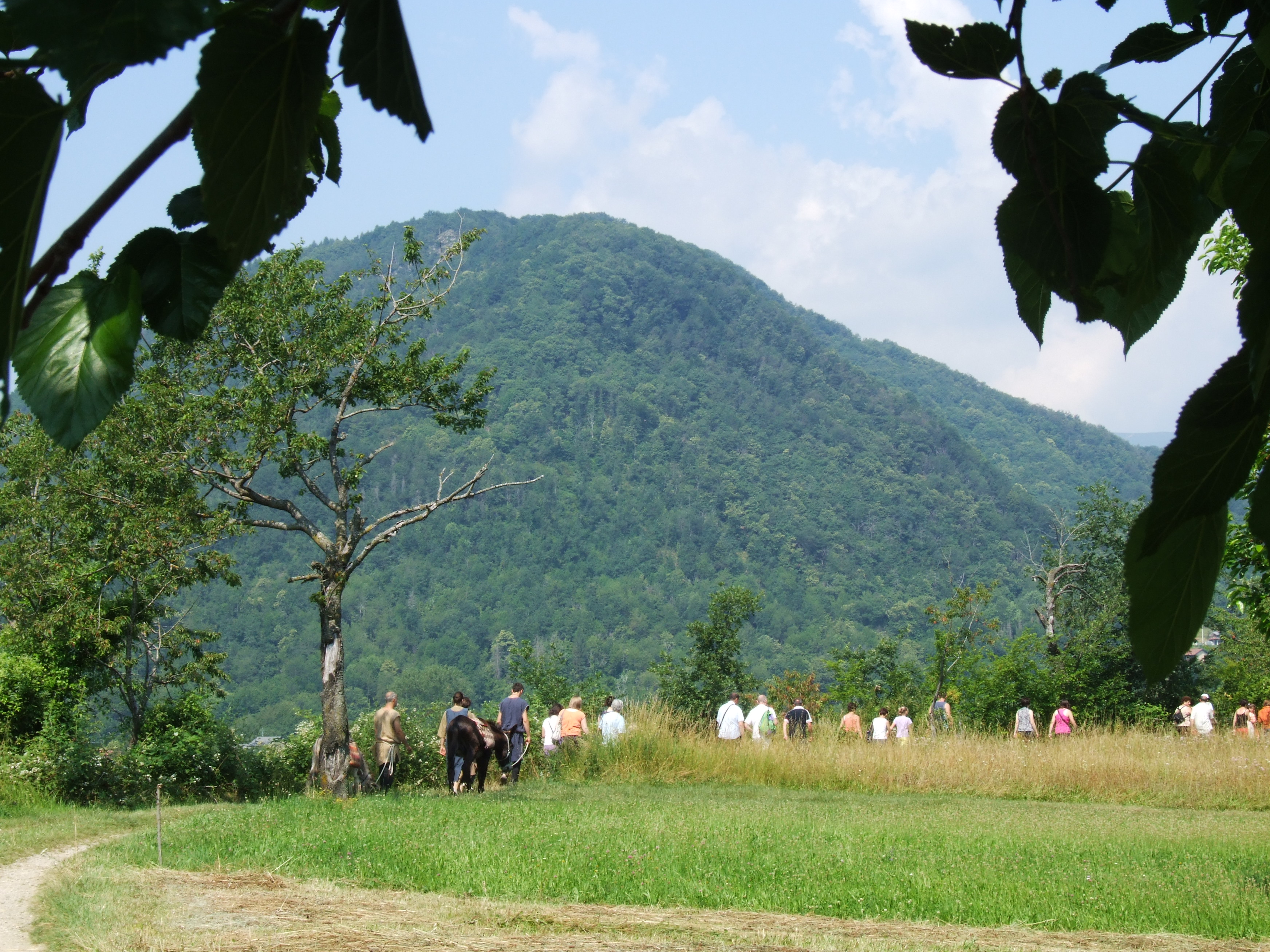
There were flag throwers, drummers, peasants with their donkeys, a fire eater, a stilt walker, a princess and knights. There were competitions: rope pulling, sack races, log sawing.  There was a hike in the woods and a tasty meal.

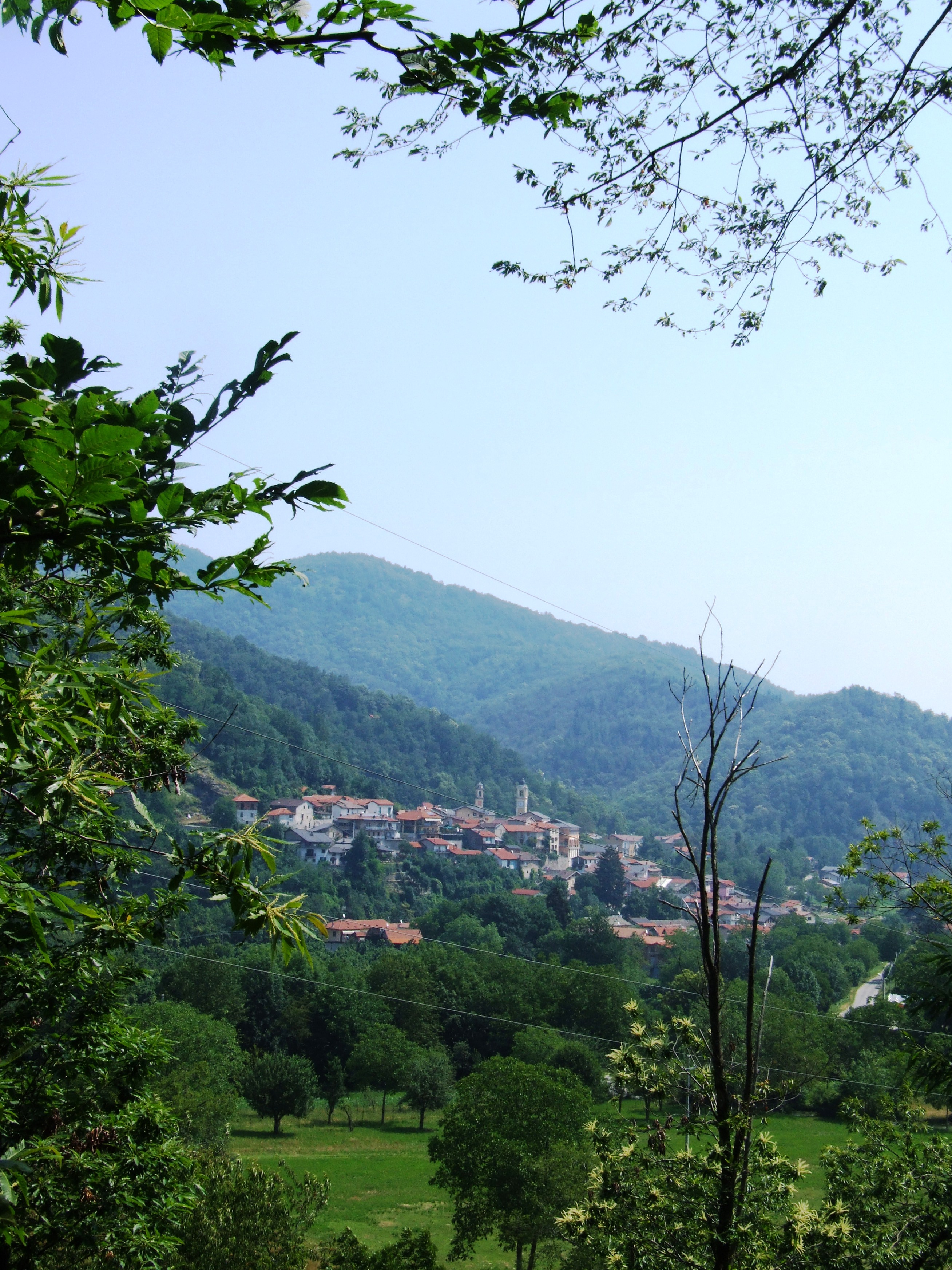
It was a medieval festival in Roccasparvera, Italy, a tiny burg that is the sister cityRocca6   of Reillanne, our tiny town in southern France. We, and some 45 others from Reillanne, made the trek to southern Piedmont to join the festivities in early June.

The folks from Reillanne stayed at a hotel/restaurant outside of town known for its cuisine with porcini  (boletus), the king of mushrooms.  This region of Italy produces an abundance of these delicious fungi.

The Saturday night meal at the hotel was over the top – eight courses:  carpaccio with porcini, sliced cold turkey with a tomato/caper sauce, porcini flan, asparagus flan with a cheese sauce, porcini risotto, cannelloni, beef with roasted rosemary potatoes, venison stew – all topped off with a yummy peach/chocolate/hazelnut praline concoction. And, of course, wine – red or rose.

Italian breakfasts, in comparison, leave a bit to be desired.  With the exception of the croissants.  The Italian version filled with jam is excellent.

The festivities on Sunday got underway with a hike in the surrounding forests and Rocca4 countryside.  The mayor of Roccasparvera led a group of Italian speakers.  Another guide led those who spoke French. The princess, the peasants and donkeys, and a few others in medieval costumes accompanied the hikers. There were many stops en route for lengthy explanations of the history of the area.  At one point a naturalist took over to talk about an enormous ancient chestnut tree.

Back in town following the hike, there was an outdoor buffet lunch in the town square followed by impressive demonstrations by a troop of flag throwers.  Then the games.  Teams from Reillanne, Roccasparvera and a few neighboring communities competed to see which village had the strongest (rope pulling), the fastest (sack Rocca10 racing) and another test of strength, sawing a fat log. There was yet another contest – running behind a ball which rolled down a street.  I didn’t quite understand that one. 

It was all good fun.  Last November we went to another fest in Roccasparvera, the chestnut festival.  It snowed so much  the fest had to be cancelled. This time we had glorious sunshine, perfect festival weather.

Most of those from Reillanne headed back to France by bus after the festivities.  We had traveled by car and went on to nearby Cuneo for two nights.  It’s a lovely town with a huge central square surrounded by arcades.  My reason for wanting to visit Cuneo was to attend its huge Tuesday market.  Italian markets (the kind where they sell everything, not just produce) are fabulous.  I especially go for the bargain fashions.

Cuneo was rockin’ Sunday evening with an international festival. Numerous nationalities were represented, all with stands selling their culinary specialties.  I tried a chicken creation from Ghana, then Vietnamese tidbits.  The line was long with those waiting for Argentine beef. There was also street entertainment making for a jovial ambience.

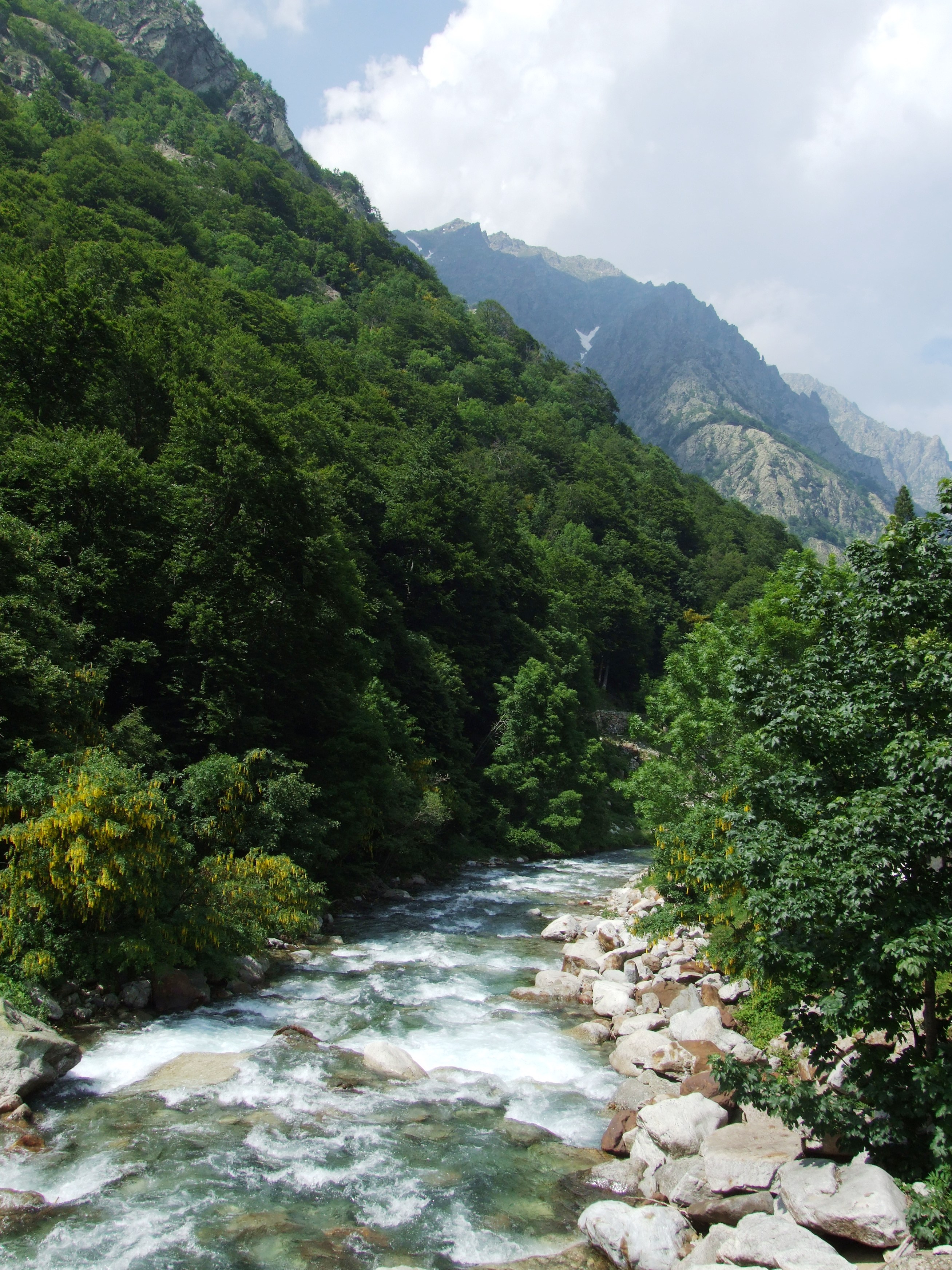
After walking around town Monday morning, we drove (at the suggestion of the helpful woman at the tourist office) into the nearby mountains.  Our destination was Thermes Cuneo3 de Valdieri, a spa with a huge hotel and pool next to a roaring mountain stream.  A peaceful and beautiful spot.  We set out on a hike into the mountains, but had to abort as the path deteriorated, requiring proper hiking boots.  We were in sneakers, a sturdy version, but not sturdy enough.

Back in Cuneo, we stayed at a hotel in the town center.  A loud racket outside our window awoke me at 5 a.m. Tuesday.  They were setting up the market stands.  I went back to sleep,  but was ready for power shopping by 9. Bob, fortunately for me, stayed in the hotel and read the Herald Tribune.  He detests shopping and makes me nervous.

The main city square and surrounding streets were filled with stands offering everything from kitchen utensils and tools, to food, clothes, wallets and purses…..

I zeroed in on the clothes – trendy tops and pants at sensational prices.  Most of the clothes stands are run by women from the Philippines.  The clothes all have tags: “Made in Italy,” but you know they come directly from China. We’re not talking quality merchandise, however,  the prices can’t be beat and the shopping is fun.  As the prices are already so low, there’s not much room for bargaining.

I ended up with an assortment of tops, pants, a wallet and a purse – and some Parmesan, Italian sausage, blueberries, raspberries and zucchini blossoms.  The latter are hard to find in our part of France, and the produce was also a bargain compared to French prices.

France is great, but I love these trips to Italy.

(For more photos click on Photo Album, center column.)


Return to Germany

I lived and worked in Deutschland for some 27 years; husband Bob for almost as long. We love the country and have many friends there.  But, when it came time for Bob to retire, we decided to seek the sun in southern France.  Too often Germany is gray and gloomy.  A friend remarked they should have named a shade of the color gray “German.” 

We just returned from our annual trek back north to see friends, dentist (they don’t do proper teeth cleaning in France where there are no dental hygienists), to take the car to the garage for annual service (Bob thinks they do a better job in Germany).  And, as a contributing writer to the magazine German Life, I did research for articles.   During our two week visit, we had but two days and a few hours of sun.  We were elated to return to sunny Provence.

First stop on our trip was in Austria: Bregenz on the shores of Lake Constance where elaborate preparations were underway for the annual summer festival featuring productions of opera on a floating stage on the lake. Bregenz1 This summer billing goes to Aida.  We visited the “stage” where cranes were in place to build two gigantic feet (shoe size 2,400) which will feature in the production.

An eight-minute segment of the latest James Bond film was shot on this stage.

We continued along the lake which is the third largest lake in Europe and borders on three countries:  Austria, Germany and Switzerland. When we lived in Germany, we pedaled the delightful bike route around the lake through the three countries several times.

One of our favorite lakeside towns is Lindau in Germany where we spent a night. It’s Lindau1 picture-book perfect with snow-covered mountains providing a backdrop for the harbor, its lighthouse, and boats big and small.  The town suffered no damage during World War II and has several well-preserved structures from the Middle Ages, including the old City Hall.

Northwest of Lindau is the Swabian Alb, a region of bizarre rock formations, dense forests, rolling hills and sheer cliffs.  We wandered in this beautiful area for two days Swabalb4 with many stops.  We admired a collection of historic buildings which have been reassembled in an open air museum in Neuhausen ob Eck.  We followed an especially scenic route to Beuron and its Benedictine abbey.  There we spent the night in a lovely hotel, Haus Maria Trost, on the side of a hill with spectacular views of the abbey below. The hotel’s managers, Herr and Frau Zimmermann, told us frightening stories about how they and their three sons escaped from East Germany in the late 1980s. 

The next day we continued on to Sigmaringen with its famous castle, then to Zwiefalten to admire an outstanding Baroque church, and finally to a cave, the cave of Wimsen where we took a boat ride on Germany’s only cave navigable by boat.  It was eerie, but fun.

Our overnight stop was in Lichtenstein with its impressive castle perched Swabalb8 dramatically on the edge of a cliff.  We had a fabulous trout dinner below the castle at a restaurant which has its own trout farm.

The Swabian Alb tour ended with a visit to the town of Bad Urach with its noted collection of half-timbered houses and then to Blaubeuren where there is an old Benedictine Abbey and the Blautopf, a spring fed pond in the woods whose water is an amazing bright blue. 

We lived in a small village on the edge of  Stuttgart for many years. The home of Porsche and Mercedes was next on our agenda.  We stayed with friends, Heti and Heinz, who organized a pot luck dinner for all of our old friends from a dining-out group we previously belonged to.  Heti is an excellent cook.  She was ecstatic about her new kitchen “toy,” a machine which does everything from weighing, kneading dough for bread, mixing, chopping, blending to steam cooking.  I was impressed and decided to purchase this kitchen wonder, “Thermomix,” which is amazing.

We left Stuttgart for a day and headed north to Heidelberg to visit friends Gayle and Ralph who hope to follow our footsteps and retire in southern France.

After Stuttgart and visits to the dentist, the garage and friends, we made one last stop in Germany, the town of Esslingen.  A special treat there was a visit to the German “champagne” producer Kessler where we tasted and bought.

When we lived in Germany, we often visited nearby Alsace in France.  We always stayed at Neufeld, a bed and breakfast horse farm west of Strasbourg where dinners are also available. We love its laid-back ambiance, delicious food and scenic surroundings.   Owners Marcel, Marguerite and their daughter Francoise have become friends.  We couldn’t return to Provence without spending a few nights there. Alsace1 We spent a day revisiting favorite haunts along the Alsatian Route du Vin.  The hills of vineyards, the storybook villages,  the flower-bedecked half timbered houses – all are a wonder. 

Of course, we made some stops to taste and purchase some of that delicious Alsatian white wine. 

Special places to stay:  Hotel Weisses Kreuz in Bregenz: www.hotelweisseskreuz.at,

 Hotel Helvetia in Lindau: www.hotel-helvetia.com, Haus Maria Trost in Beuron:www.mariatrost.de; Farm Neufeld in Alsace: http://www.leneufeld.fr

For photos of our trip, click on the Photo Album in the center column

Off to the Auvergne

I just returned from a wonderful press trip in the Auvergne, a pretty region in central France.  “In the footsteps of Coco Chanel” was the theme of the journey.  The fashion icon hailed from this part of France and spent her youth and teenage years in its towns and villages.

I must admit, the theme did not excite me.  However, as I learned more about her early years, I became intrigued.  And, during our five-day journey, we (a group of five US journalists) saw and did much that had nothing to do with Coco Chanel.

The trip began in Clermont-Ferrand, the capital of the Auvergne known for the black/gray volcanic stone that was used to construct most of its buildings. Auvergne1 The Auvergne is a region of long dormant volcanoes, its landscape punctuated with hilltops that rise from the flats.  The pièce de résistance in Clermont-Ferrand, a town that was built on the butte of an ancient volcano, is the cathedral whose construction went on for centuries, from the 13th to the 19th.  The interior of the Gothic structure is a wonder.  Black stone gives it a dark and spooky atmosphere with electric candle-like bulbs adding just enough dim light so that wandering up and down the aisles borders on a mystical experience.  The profound colors of the stained glass windows provide a vivid, exquisite contrast.

In the town of Issoire, where the Chanel family lived between 1885-1887 (Coco, whose real name was Gabrielle, was born in 1883), we discovered another magnificent church, this one Romanesque. Auvergne2 Auvergne is known for many churches in this style of architecture. The unique aspect of this church is its columns  — all brightly painted in red.  The guide told us that studies showed the columns were this color when the church was constructed in the 12th century, so during restoration they were returned to their original state.  Other bright colors decorate the column capitals – all with detailed sculptures of figures.  It’s a shock, albeit a delightful one, to see a church in such bright and cheery tones.

In Issoire, we also took a stroll down a side street to see the Chanel family house, now occupied by a woman who had no idea that Coco Chanel had resided there.

I enjoyed admiring the countryside as we drove from town to town.  It’s pastoral perfect with the volcano-hills providing a scenic backdrop for lush green fields where white cows graze.  We saw plenty of these white bovines.  Auvergne, we were told, is famous for its cheeses.  We had the opportunity to try many at sumptuous lunches and dinners.

Food on press trips, especially those in France, is a highlight. We had many outstanding four-course repasts, with a cheese-course preceding the dessert. My favorite was at the Domaine de Gaudon, a classy chambre d’hote (bed and breakfast) where hostess Auvergne9 Monique Bozzo prepared a feast for us, beginning with champagne and foie gras mousse as an aperitif served on the terrace overlooking the surrounding picturesque countryside.  For dinner, we moved inside to an impressive dining room in the 19th century house all furnished with antiques. The table, under a crystal chandelier, was set with fine china and silver.  The meal began with scallops and a terrine of monk fish, then filet of beef and potatoes au gratin, on to a choice of numerous cheeses, all topped off with homemade strawberry ice cream and a slice of layered creamy mocha cake.  We drank local Auvergne wines.

Monique’s husband, Allain, is a delight who entertained us with lively tales, including Auvergne5 the story of their purchase and restoration of the stately house.  We also met the family menagerie, two Golden Retrievers, and two cats, one of which is 23 years old.

During a visit to the National Center of Theater Costumes in the town of Moulins, we toured the museum’s current exhibit featuring costumes from Russian operas.  And, we went behind the scenes to see how the museum, which opened in 2006, stores its collection of 10,000 garments.

Coco Chanel wanted to be a cabaret singer, and it was in the cafes in Moulins that she tried, unsuccessfully, to launch a singing career.  We visited Le Grand Café there, declared a historic monument thanks to its remarkable Art Nouveau décor dating from Auvergne6 the turn of the century. It was here that Gabrielle Chanel became known as “Coco”  from the title of a song she frequently sang, “Who has seen Coco in Trocadero?”

Chanel also spent time in nearby Vichy, an elegant spa town put on the map by Napoleon III who ordered construction of a casino, chalets, boulevards and parks in the 19th century.  During the Belle Époque, its Art Nouveau opera house, elegant thermal centers, and splendid parks were popular hangouts for the upper crust who came to take the waters. 

Strange, but Vichy has no monuments nor museums in memory of the darker side of its past during World War II when it was the center of the right-wing government under Prime Minister Pétain after the country's defeat by the Germans in June 1940. The Vichy government cooperated with the Germans, imprisoning some 135,000 people, deporting 76,000 Jews and sending 650,000 French workers to Germany.  “This is a city of pleasure,” commented a guide.  After the demise of the Vichy regime, all remnants of it were destroyed in the town, she said. “People don’t like to discuss it,” she added.

We ended our travels in the medieval village of Charroux, declared “one of the most beautiful villages in France.”  It’s a gem with sections of the old walls, towers and gates, as well as numerous quaint boutiques offering candles, lace, soap,  pottery — and mustard. At the latter, a tiny shop with an adjoining workshop where the mustardAuvergne7 is made, we watched proprietor Olivier Maenner operate a giant mill stone to grind the seeds, then add a combination of vinegar, water and wine to make the final product.  We tasted several varieties of the 20 different kinds of mustard Maenner produces.  And, we made purchases.  

For our last night, we enjoyed luxurious accommodations at a castle, the Château de la Canière, where we were treated to yet another memorable and tasty dinner.

Coco Chanel left the Auvergne when she was 24 years old, moving on to Paris where she entered the world of fashion which brought her fame and fortune.  However, it is said her youth in the Auvergne formed her character.  “I am the last of the Auvergne volcanoes which is not extinct,” the couture goddess once said.

For more information on the Auvergne, contact vanessa-michy@crdt-auvergne.fr.  For more photos, see the photo album in the center column.