Forget the tree and presents. Of course, they are important. For foodies like me, however, it’s food that makes the holidays especially tantalizing, delicious, rewarding.

Eggnog, Christmas cookies, fruit cake, turkey, standing rib roast and baked ham are among American holiday treats. What about other countries? What do their citizens savour during the holidays? I asked several non-American friends about their Christmas food traditions.



GERMANY : “It must always be fish on the 24th,” says my German friend Andrea. She prefers salmon and roasted potatoes. Andrea, an excellent cook, seasons the fish with salt, pepper, rosemary, a bit of wine, and rubs it with oil, then roasts it. Delicious, and not a lot of work. Her father went for carp on Christmas Eve.
On the 25th, it’s venison goulash with priselbeeren (similar to cranberries) and dumplings for Andrea, husband Thiemo and her mother, Tekla. In many German households, roast goose is the Christmas highlight. When I lived in Germany, I tried it. Good, but tricky. It can easily dry out. The array of German holiday sweets is almost decadent: Stollen, homemade cookies galore, gorgeous cakes. Lebkuchen, a type of gingerbread cookie, are ubiquitous.
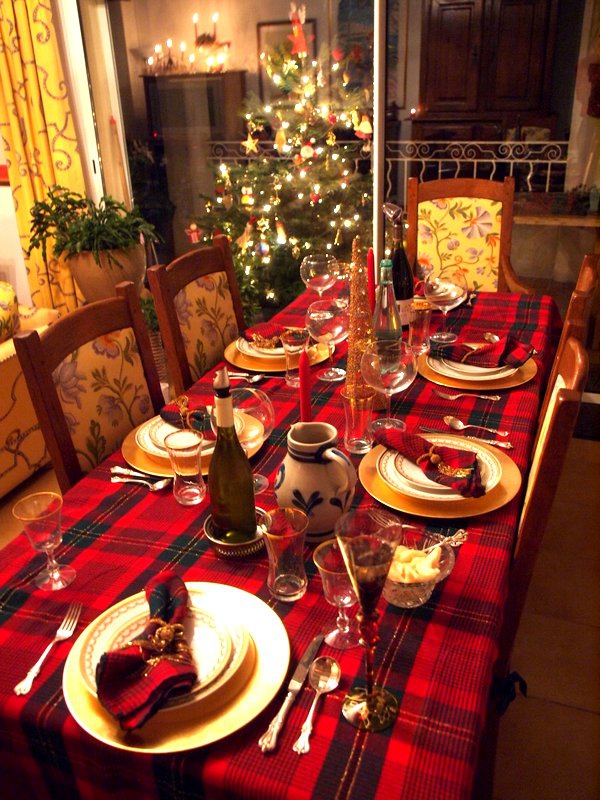
In FRANCE where I now live, the Christmas Eve Réveillon is the meal extraordinaire. It could begin with champagne and oysters, although these are popular throughout the holiday season. If not oysters, perhaps a mixture of shellfish or smoked salmon.
Foie gras is also de rigeur, although controversial. Geese or ducks are force -fed during the last weeks of their lives to yield extra-large livers.
I love animals, but I also love foie gras. Many years ago, for article research I spent a day working at a goose farm. The geese did not resist the force feeding. Their owner insisted it was not cruel. This was a beautiful farm. The geese were free ranging until their last days. However, not all geese and duck farms are like this.

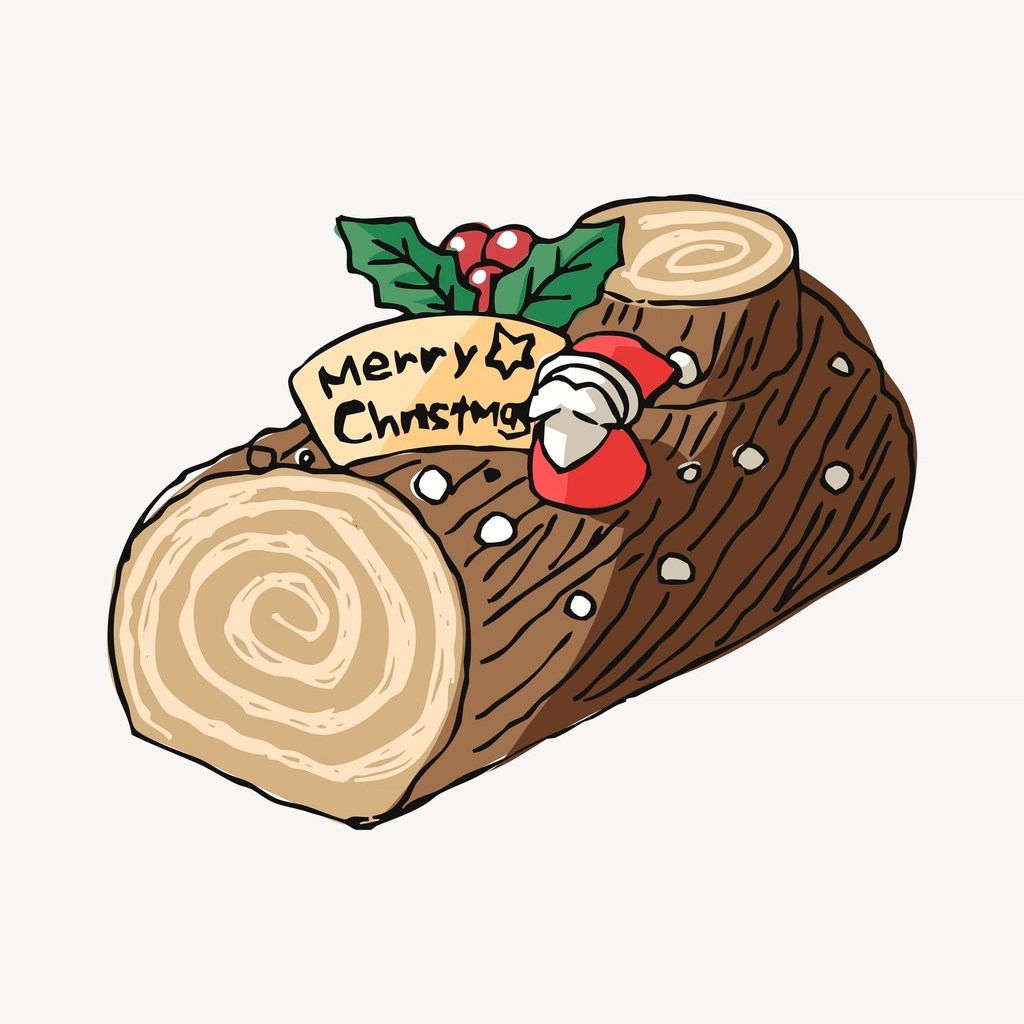
Bouche de Noel

Controversial foie gras is popular in France at this time of year.
I even took a foie gras cooking course and learned to prepare the delicacy which I did for Christmas guests. Those days are over. Now I feel guilty eating foie gras, but I do indulge in a wee bit at Christmas.
Turkey, or another bird such as capon or guinea fowl, can take the spotlight at the Reveillon dinner. A Buche de Noel (Christmas log), a fancy cake in the shape of a log, caps off the meal.
In ITALY, Cinzia tells me, after midnight mass on the 24th, all return home to open presents and enjoy Panettone, the Italian holiday cake, with a glass of sweet wine.
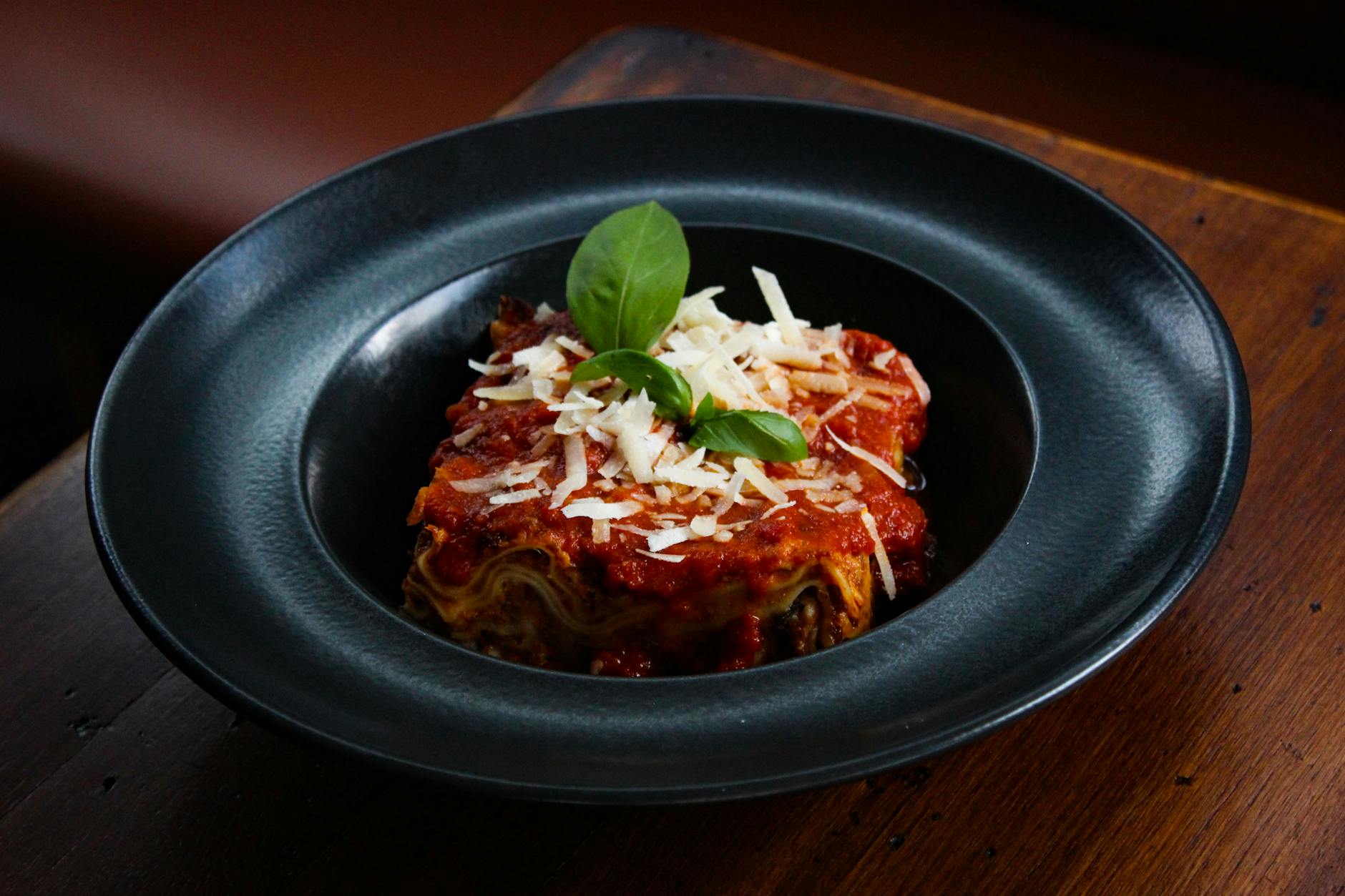
As in many countries, the customs can vary with regions. She hails from Piedmont, the north, where Christmas lunch on the 25th is the major event. As this is Italy, there’s a pasta course which, at Christmas, is usually homemade stuffed pasta, such as tortellini or cannelloni. Her favorite is her mother’s lasagna. “Now people eat it all the time,” she says, but formerly it was reserved for Christmas and special occasions. Roasted lamb, beef or the holiday special, zampone (stuffed pig’s feet) follow the pasta.
For Cinzia, the Christmas meal represents “the fact of feeling part of a family which was there for you year after year, the (illusory) idea that, no matter what would come, every year the family tradition of eating what she was cooking would perpetuate, it’s about a sense of belonging and ‘safety'”
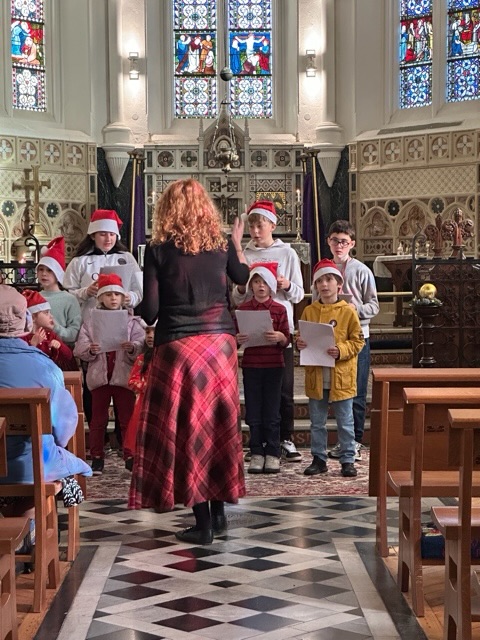
Like Cinzia, Italian Arabella says her favorite is Panettone. But, at her house the major feast is on Christmas Eve featuring some type of meat. That’s fine for her husband and daughter. But, she’s a vegetarian and will also prepare ravioli stuffed with spinach and ricotta. She is also a big fan of an Italian Christmas chocolate, Cri Cri, with hazelnuts and praline.


ROMANIA: Romanian Florin remembers childhood Christmases in his country where carnati (smoked sausage) is a holiday must. Preparation in country villages begins on December 18 when neighbors gather outdoors to kill a pig, then cover it with hay and set it afire. Gruseome! Florin even remembers killing the pig once. The cooked beast is divided into parts. All work together to turn out the tasty sausage.


Killing the pig is illegal today, but Florin says it probably continues in some areas. Those who are not up to the carnati labor, not to mention killing a pig, can purchase the ready-made sausage. Other Romanian Christmas musts are sarmale (stuffed cabbage) and cozona, a light “puffy” holiday bread.
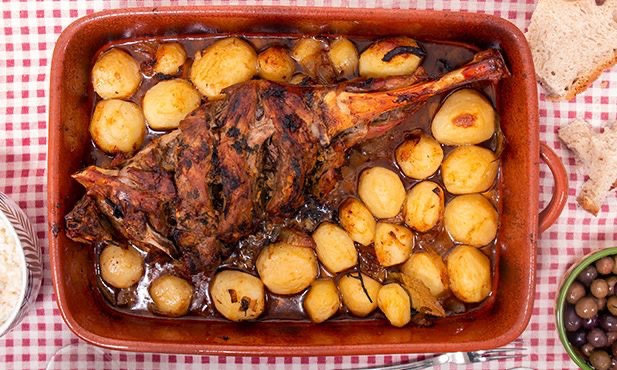
PORTUGAL:“We eat a lot at Christmas and Easter, a lot of different things,” Portuguese Catarina says. “We have a full table of food. It’s too much. We don’t eat it all.” For Christmas Eve dinner, potatoes, carrots, the famous Bacalhau (boiled, dried salted cod), and more fill the table. Her favorite, however, follows the next day, roasted octopus at lunch. She hails from northern Portugal where roasted goat is also common on the 25th.
But it’s the desserts that shine – many, many different treats. She admits they are very rich and sweet, and she is not fond of all. “But I love to see and smell them. That’s Christmas.”


She’s right. It’s not just the taste, but the enticing aromas and beautiful presentations that enhance holiday food and make it special. And — friends and family. “Christmas is to be at the table with family,” Catarina adds. Enjoy.
Happy Holidays and Bon Appetit to all.
Scroll down for more holiday photos
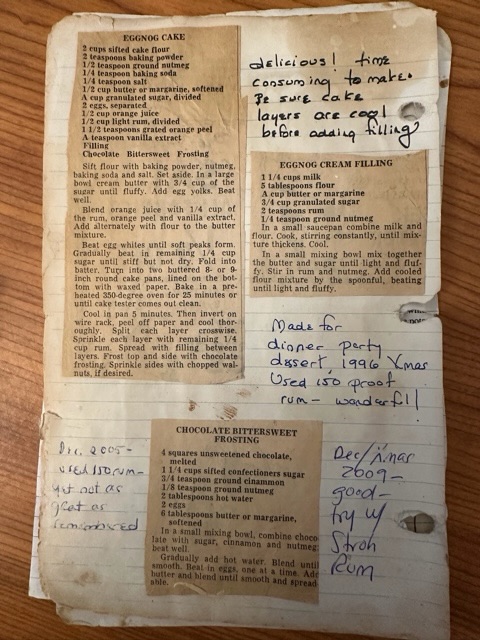
I’m old and so is this treasured Christmas recipe. Long ago I clipped recipes from newspapers and magazines. This one is a winner. Read my scribbled notes. I always go for recipes with a bit of booze. Rum makes this cake.
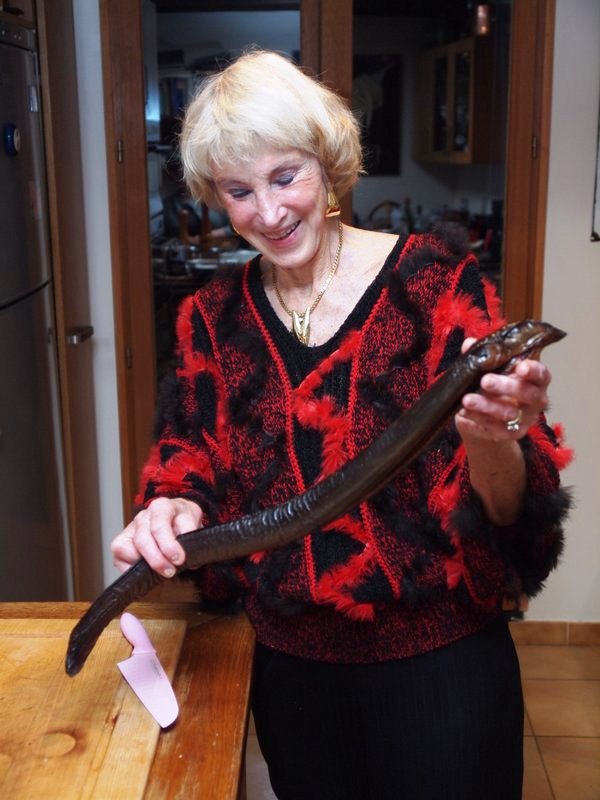

Coming soon, a guest blog by Swedish friend Lars on the Julbord, “the king-sized jumbo version of the famous smorgasbord.” It’s a food orgy, a mind-boggling, lavish assortment of tastes -and plenty of vodka. Don’t miss it.
If not a Tales and Travel follower, please sign up here. Trust me. It’s safe. Your address is not shared.
Check out my tried and true recipes — keep scrolling down on a phone, or, if on a /PC or tablet, up to the column on right then down to “Recipes.” I will add new recipes soon.

 Tales and Travel
I asked Yoshie about Japanese dining traditions, but it would require a long essay to explain. I’ll keep it short, in Japan the tradition is to prepare food for the first three days of the New Year. On New Years Day the specialty is Mochi – a sticky rice pounded into little cakes. Other delicacies depend on the region, on what the local area is known for.
An absolutely interesting and delicious blog, Leah. Here’s to happy eating for all this holiday season, with your own traditional favorites.
Karen
Happy Christmas and Happy eating to you too. Thanks for commenting.
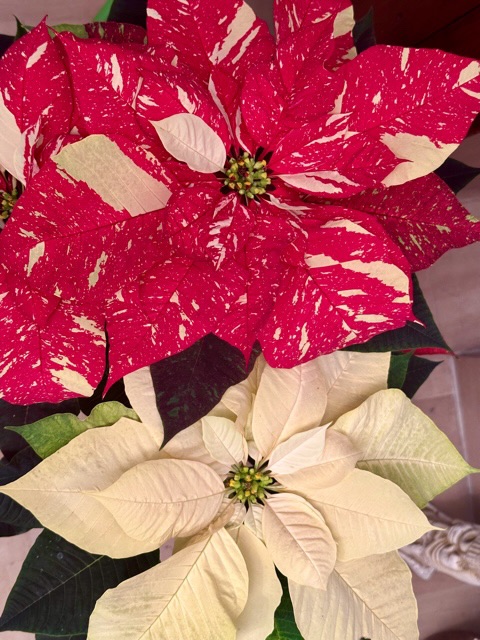
This blog, so rich in cultural traditions, evocative flavors, and bold colors makes me feel the spirit of the season! And rekindles many cherished memories of stunning holiday feasts hosted by you, Dear Leah, My Poinsettia Girl!
I remember many fab feasts hosted by you, and those fun cooking lessons. I am glad the blog brings back happy memories and makes you feel Christmasy. Enjoy the season, perhaps with some tasty Portuguese treats.
hi Leah, very interesting collection of national treats. My choice would be oysters on the half shell with champagne. Not just for a holidays, but each day of the year.
we are sorry that we missed seeing you when we were in France in September.
we hope that all is well with you.
best, Tom and Pat Francis
I could go for oysters and champagne every day, too. It is a pity I could not meet you. Keep traveling. Joyous holidays.
Such a delightful and timely article! Thank you, Leah, for sharing your many international experiences of dining at Christmas and rekindling my own childhood memories of Polish Wigilia (Christmas Eve) at the home of my maternal Babcie. It was a noisy and fun evening as there were fifteen aunts and uncles, and countless cousins!
Dinner began with the breaking of the Opłatek, a thin wafer that’s given to all the people gathered at the table to share with one another and exchange Christmas wishes and blessings for the year ahead. Per Roman Catholic tradition, Wigilia is always a meatless meal. On the table was borscht, pickled herring, potato and cheese pierogi with carmelized onions and kapusta z grzybami (sauerkraut with dried wild mushrooms). The wild mushrooms were provided by brave Polish relatives overseas. You see, it was the time of the Soviet Union and mailing dried mushrooms was prohibited and punishable.
Desserts were also memorable for me: Makowiec (poppyseed cake), nut rolls and Kołaczki, a delicate and delicious jam-filled cream cheese cookie. I don’t do much cooking myself, but fortunately, I spend my summers in Cleveland, Ohio where ethnic foods of all types are readily available yearlong.
Thank you for sharing your experiences Leah and for rekindling the childhoodl memories of my own. Wesołych Świąt!
Thank you, Frances, for sharing your Polish Christmas memories. The food sounds fabulous. I’d love to try all. Bob’s heritage was Croatian. Many of the sweets are similar. Christmas nut strudel was a favourite. His daughter Kellie would make it and mail it to us. Yummy! Have a stupendous and delicious holiday season.