Bonjour Paris

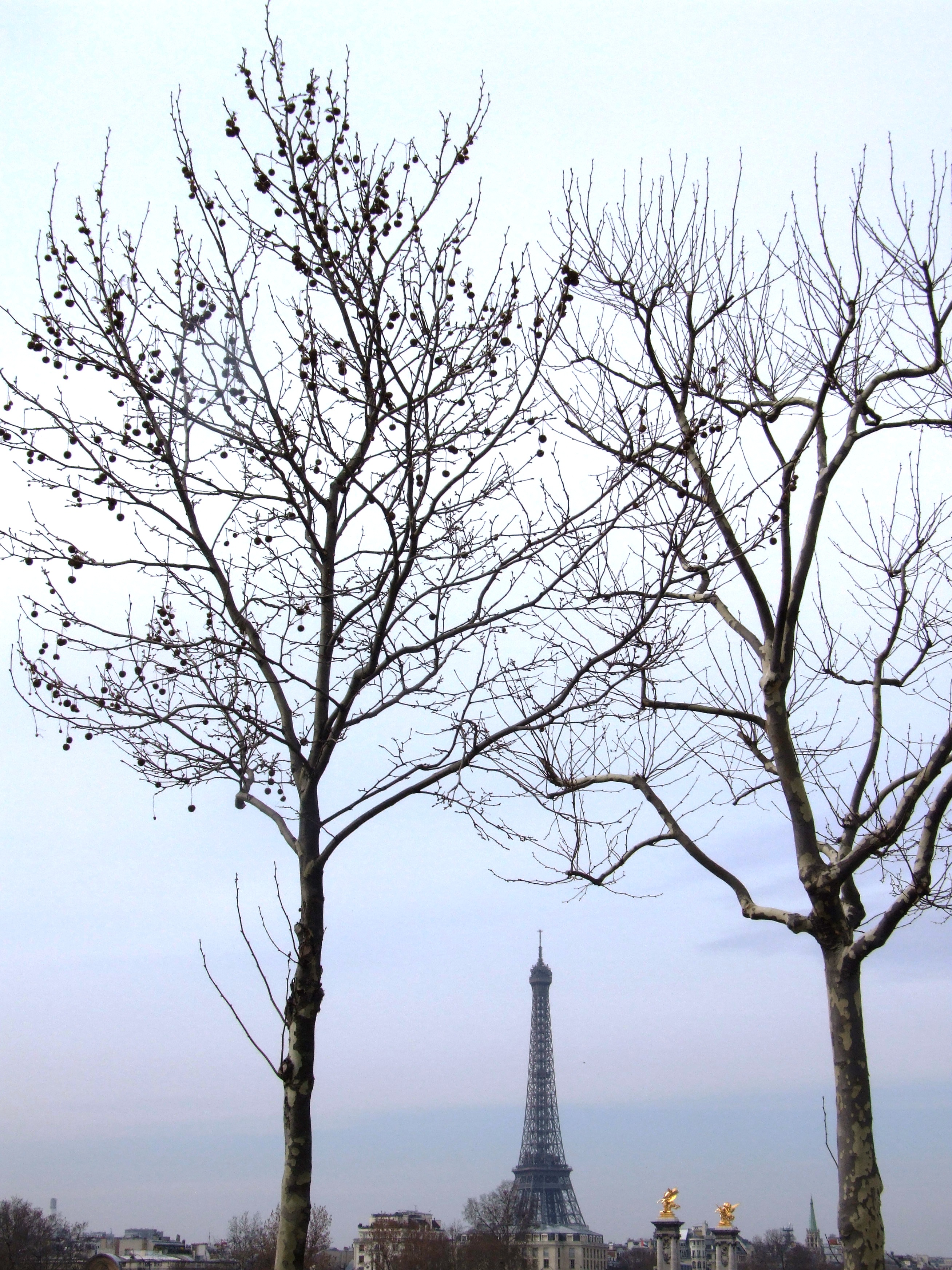
The trees were still bare.  There were more clouds than sunshine. It rained some.  This was March – not April – in Paris, but it was still wonderful, glorious to be in my favorite city.2010_0327paris20100039  

Thanks to a special offer, we rode in style (first class) on France’s high speed train, the TGV, to the city of light, just a three-hour journey from Avignon. As in the past, we stayed at a delightful bed and breakfast in St. Germain, a convenient, lively and beautiful district of the city. 

We visited museums and markets.  We prepared our own lunch at a cooking school. We ate some good – and some not so good – restaurant meals.  We enjoyed a musical at Folies Bergère. We lingered at outdoor cafes.  We rode the Metro.  And, we walked – and walked, and walked.

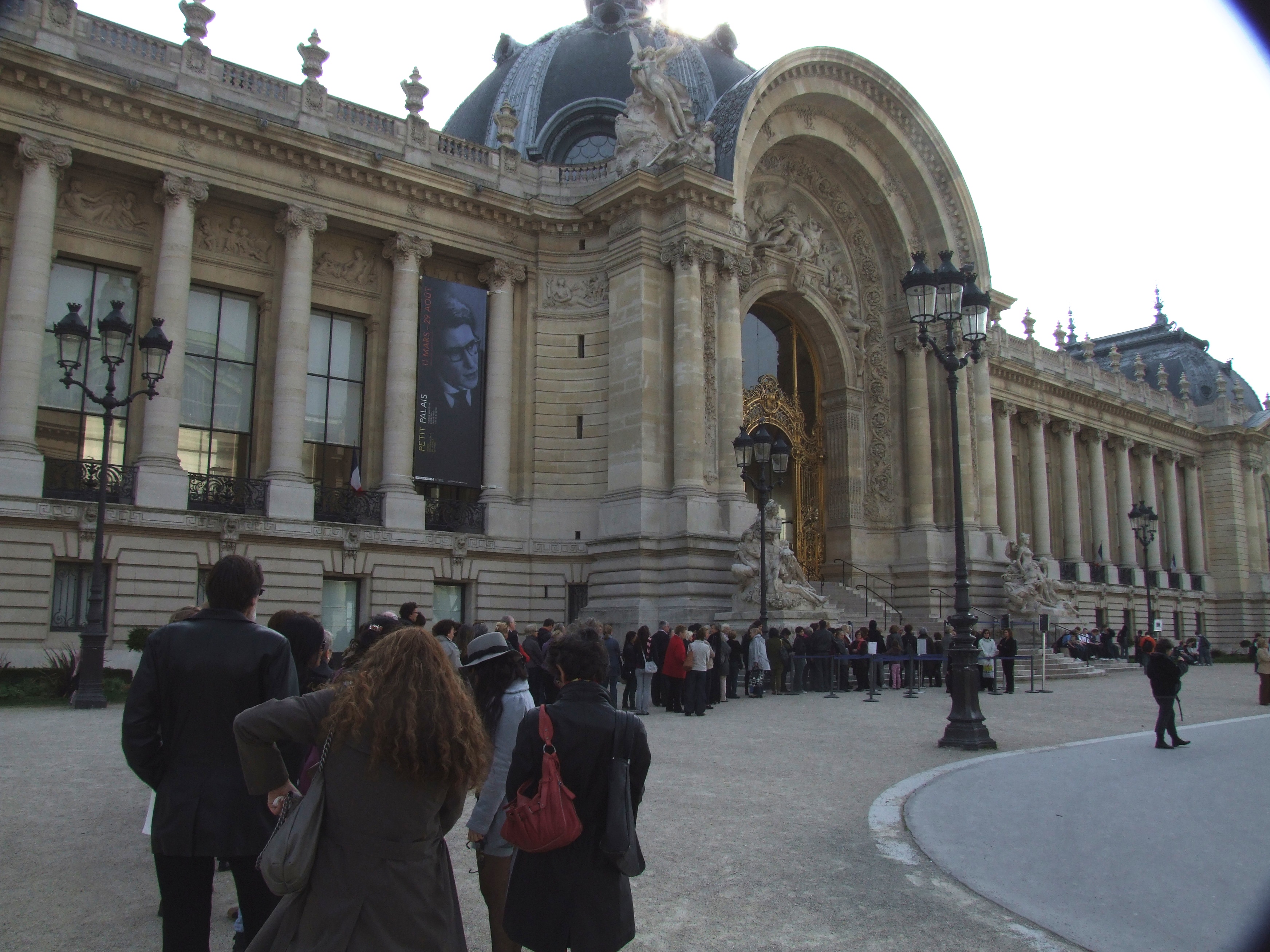
Our first full day was devoted to museums, six different ones, which is way too many for one day. We concentrated on museums we had never visited on previous trips, beginning with the Grand Palais where we had hoped to view a Turner exhibit.  Alas, the line to see the special collection was long, too long for us.  We 2010_0327paris20100018 skipped Turner and took in the museum’s permanent collections which involved no wait.  The nearby Petit Palais was next.  The special exhibit there was a collection of 307 haute couture “costumes” by Yves Saint Laurent.   There was also a line, but thanks to my press card, I was able to walk right in. The card would have worked for me with Turner, but not for Bob. As fashion is not big on his favorites list, I felt we could separate and he could take in the museum’s permanent collection (lots of 19th century French painting) while I admired years of Yves Saint Laurent.  Superb.

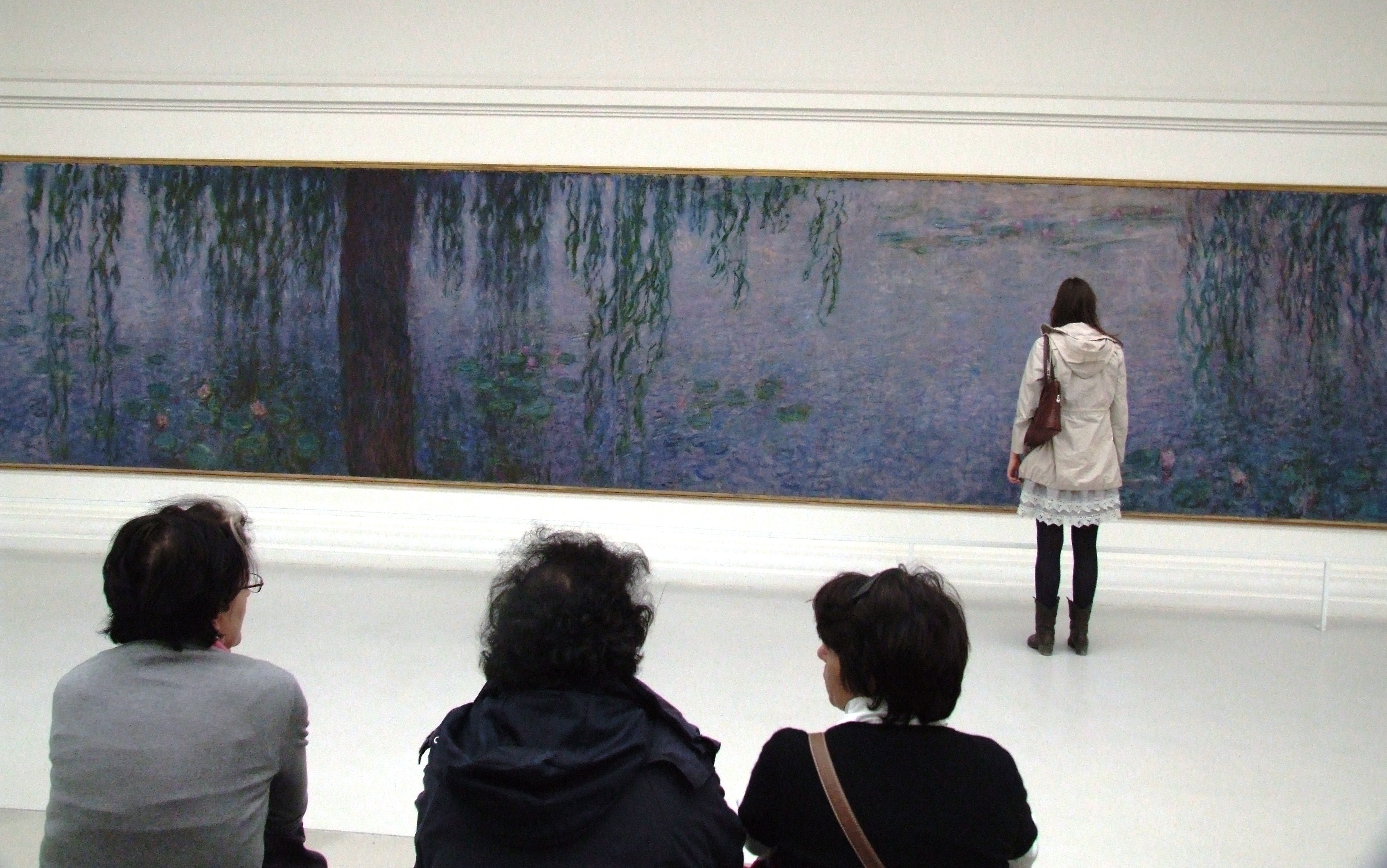
We headed down the Champs Élysées for a visit to the Orangerie to view the enormous canvases of Monet’s Water Lilies.  We liked the other art on display, lots of Impressionist works, better than Monet’s flowers.  2010_0327paris20100041 Then over to Place Madeleine for another special exhibit, Edvard Munch at the Pinacothèque de Paris. No line here and the exhibit, entitled “Edvard Munch or the Anti-Scream” gives ample proof that Munch deserves recognition for much more than his famous painting, “The Scream.”

After a late lunch break, we took the Metro to the Marais to visit two more museums, the Musée Carnavalet and the Musée Cognacq-Jay.  By then, we were museumed out.  My fault.  I act as tour guide on our trips, and I overdid it big time.  The Carnavalet, also known as the Museum of the History of Paris, is housed in two connecting mansions from the mid 16th century with objects on display charting the history of the city. We loved the gardens where we took a welcome rest.  The Cognacq-Jay houses the private collection of objets d’art owned by Ernest Cognacq, but we were too wiped out to appreciate them.

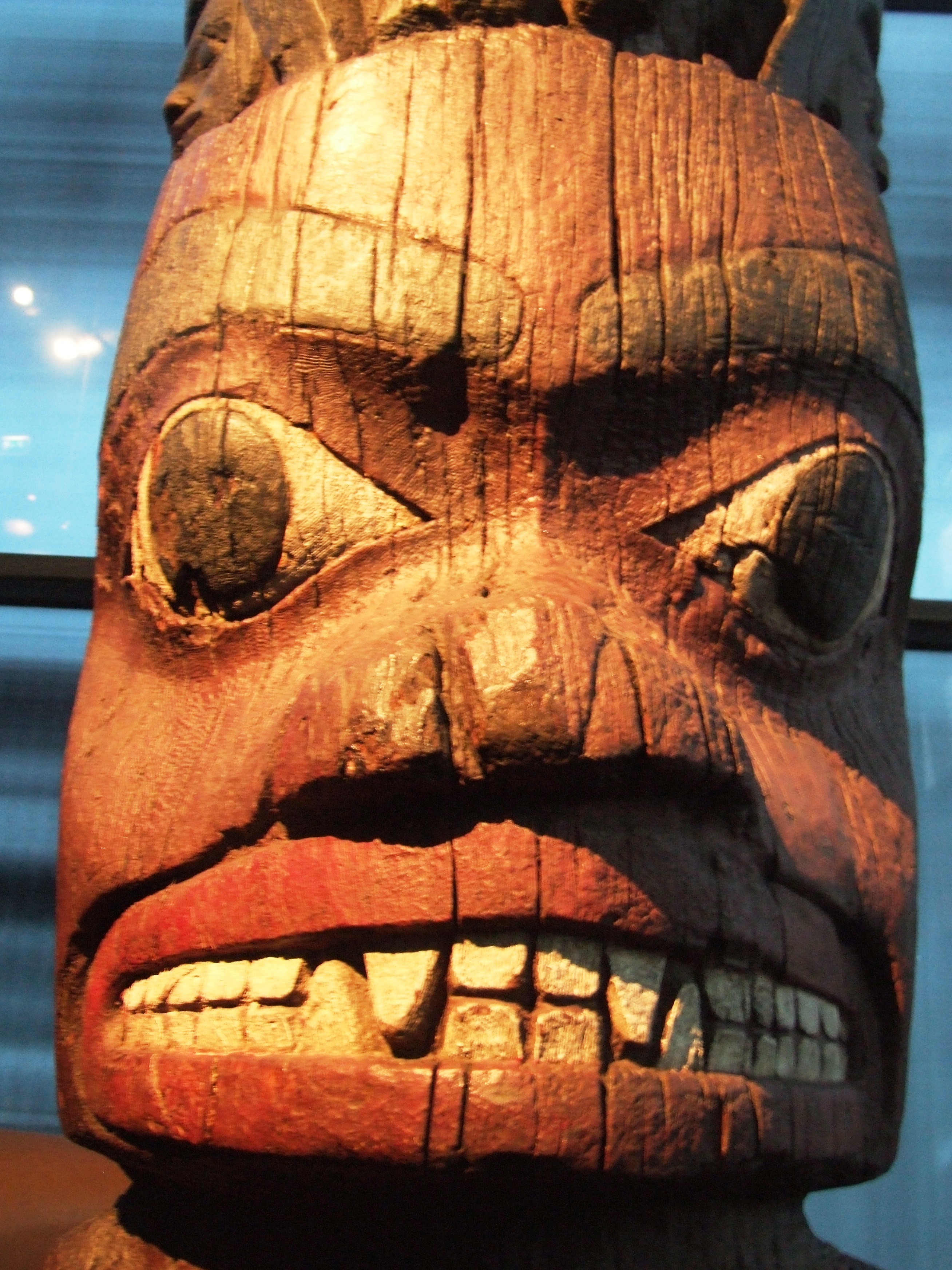
Fortunately we saved the Quay Branly museum for another day.  It’s a new jewel, opening in 2006, on the Paris museum scene. A New York Times writer called the controversial building, a jumble of mismatched structures, “defiant, mysterious and wildly eccentric.”   The gardens, an inviting arrangement of reeds and pools and 2010_0327paris20100086 grasses, are exquisite.  No less so are the interior collections, objects and artifacts from Africa, Oceania, Asia and the Americas all bathed in inky light. 

Yet another day we visited the small Musée Jean Moulin which focuses on the German occupation of Paris in WWII, the Resistance led by Jean Moulin, and the liberation of the city. It has an excellent film, and was Bob’s favorite in the museum category.

Markets were also on the tour guide’s “to-do” list.  We visited the huge, bustling 2010_0327paris20100102 Belleville market where shoppers crowd body-to-body in the narrow aisle between the rows of stalls. The merchants, mainly North African, shout out the prices and merits of their products, mainly fruits and vegetables, but some clothing and other items.  It’s chaotic, noisy, but fun.  Far more civilized and tiny in comparison is the Rue Mouffetard market, noted as the “most photogenic” in the city.  The gourmet shops that line this street are as enticing as the market produce. Windows beckon with homemade pastas, cheese, wines, olives and more.

We made two shopping stops.  Bob was bowled over by the basement of Bazar de l’Hotel de Ville (BHV) department store.  It’s hardware heaven – an enormous space filled with anything any handyman ever wanted. We zeroed in on the sign section. “Vicious Pig,”  “Nice dog, mean owner,” “Lunatic Rabbit,” … take your pick, but all in French of course.  We purchased a few in a more serious vein for our guest apartment. Our other shopping venue was the Grande Epicerie de Paris, the sumptuous food hall at Le Bon Marche department store.  Gourmet delicacies from around the world fill the shelves. My kind of store.

Our evening entertainment was usually a restaurant meal, but we did take in a musical, Zorro, at the Folies Bergère. We bought half-price tickets offered on the day of the performance at the kiosk at 15 Place de la Madeleine. The energetic and lusty musical features Flamenco dance, gypsy songs, sword fights, and dramatic scenes with Zorro to the rescue, swinging from a rope.  Good entertainment.

In the meal category, we were often disappointed.  Restaurant meals in Paris are pricier than those in Provence. The dollar is stronger these days, but still not in great shape, so we try to find economical eateries.  The best meal was our splurge at Le Train Bleu in the Gare de Lyon.  The Belle Époque setting is superb: spacious ornate2010_0327paris20100148 rooms laden with gilded décor, gigantic ceiling paintings and sculptures. You feel special, and my meal, the TGV special, was indeed that. Foie gras as an entrée followed by perfectly cooked leg of lamb (rosy) with potatoes au gratin, topped off by coffee with a selection of different mini-sized desserts.

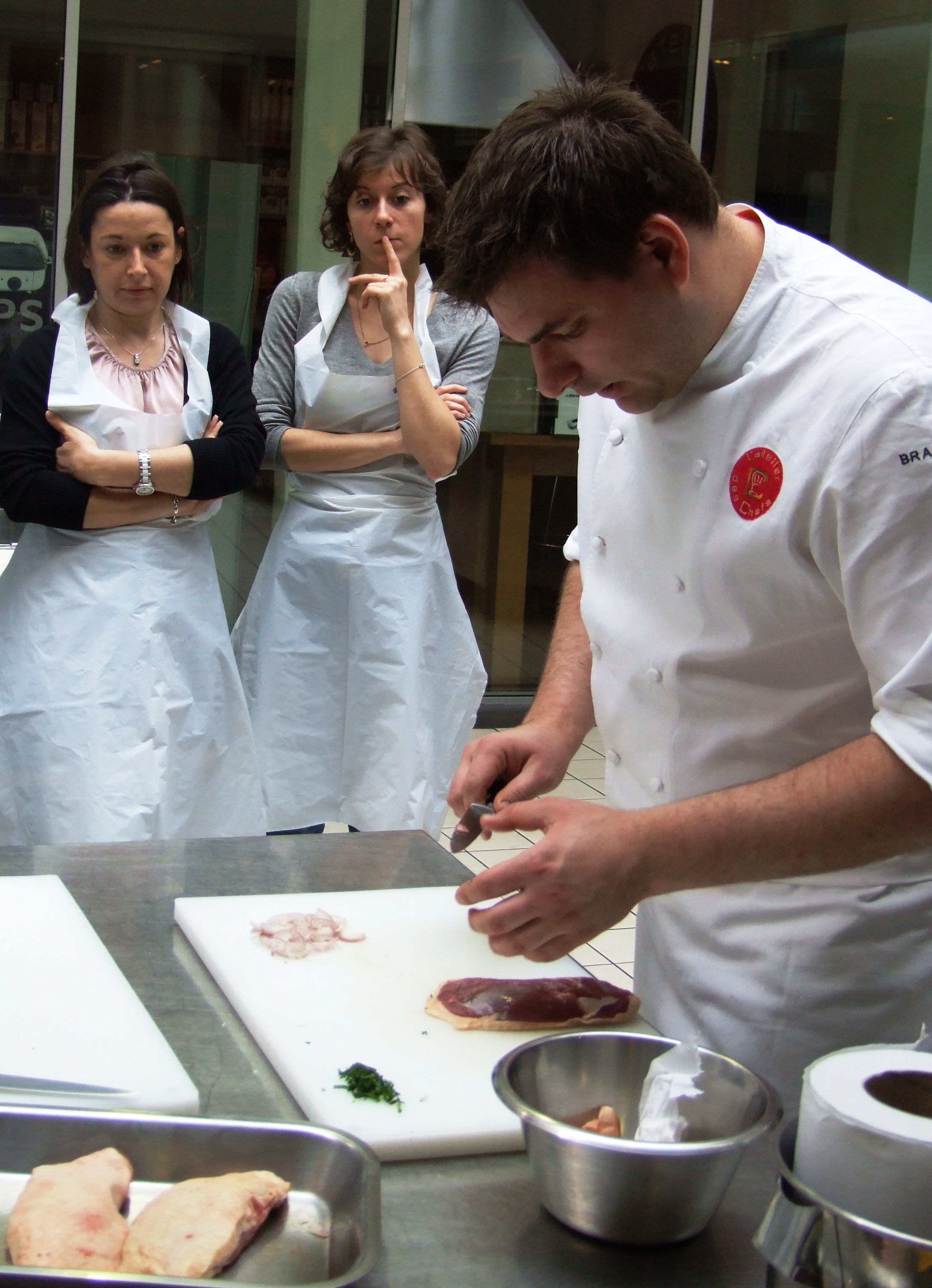
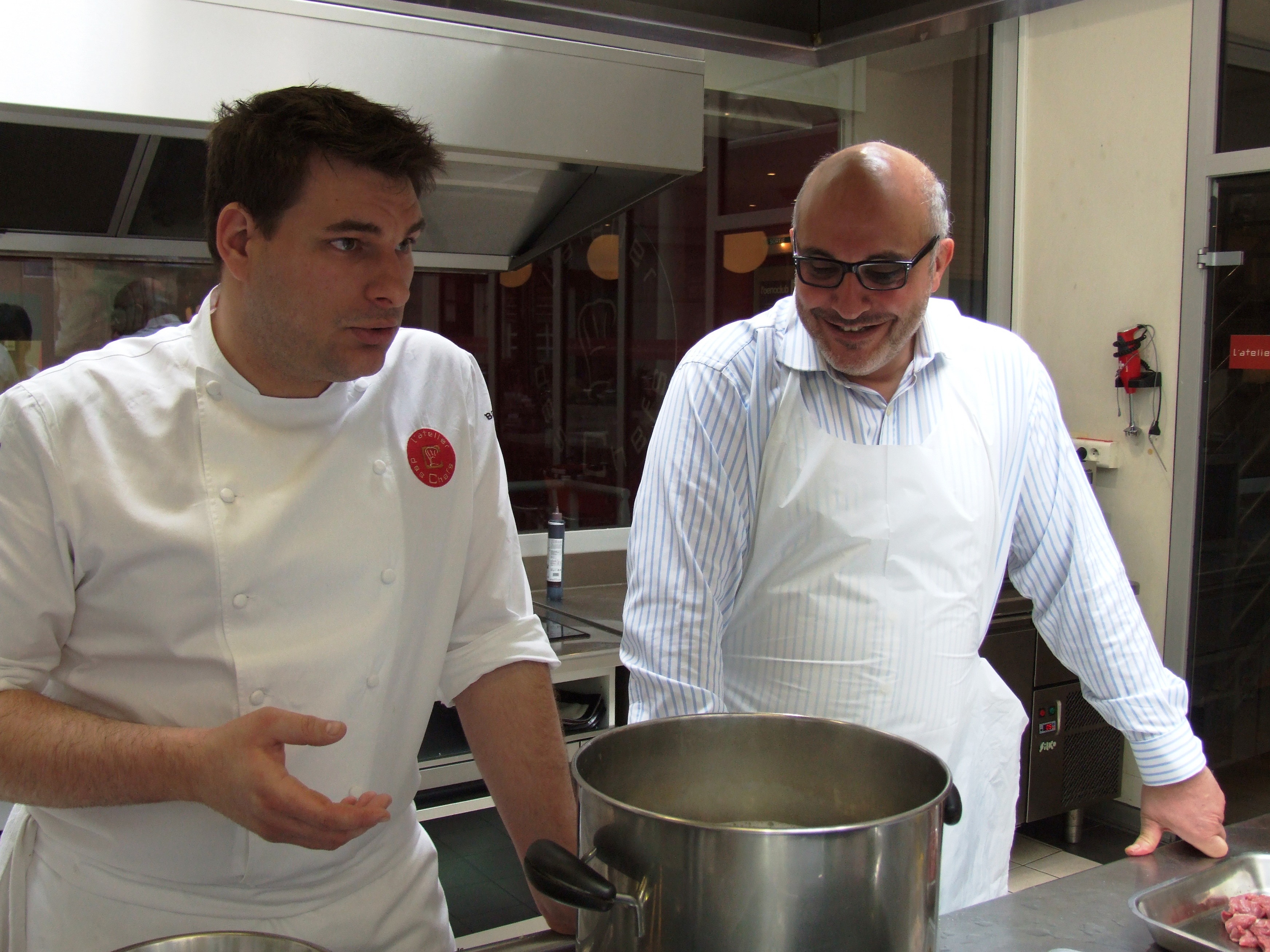
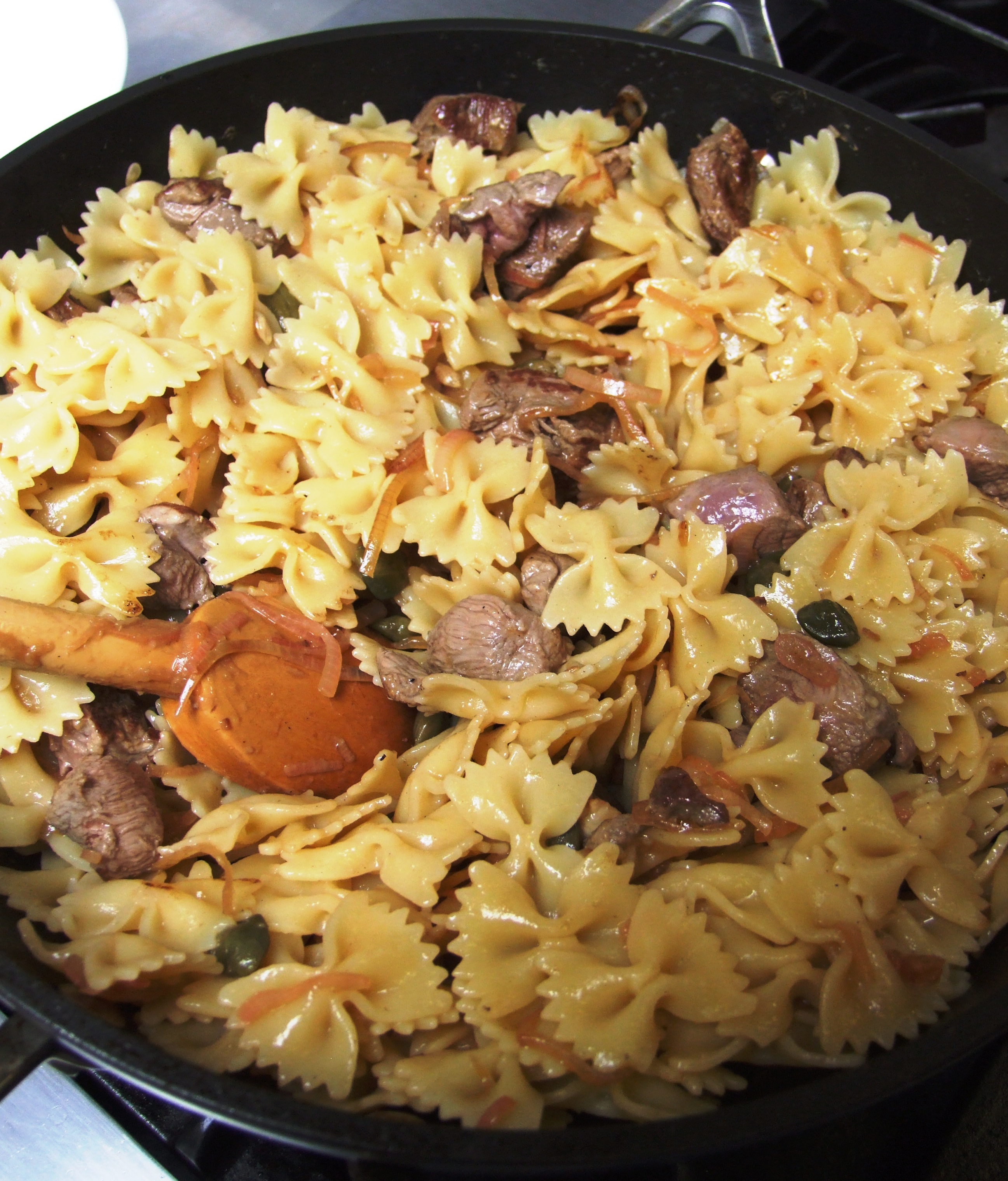
The most fun dining was the lunch we prepared ourselves under the direction of a cooking school chef at L’atelier des Chefs.  More on that in my next blog post.

See more photos of Paris by clicking on the Photo Album in the center column.

For more about Paris see friend Herb Livesey's blog: www.akeyinthedoor.com

More Morocco

The vintage van struggled up a steep road in Morocco’s Atlas Mountains en route from Taroudant to Ouarzazate. The slow pace allowed us, 16 passengers stuffed into the non-too-comfortable vehicle, plenty of time to admire the striking brown, barren, rough mountain scenery all around.  Suddenly smoke, great clouds of gray, spewed from the aged Mercedes.  The driver stopped.  We piled out while he made an inspection, then started the engine again.  More smoke.  It was clear we could go no farther, and we were many, many miles from a town.Morocco25

This was just one of several misadventures on my three-day journey through southern Morocco following the ski meet (see previous blog entry).  But, this turned into a delightful break from the discomforts of the trip.

While our guide, Khalil Zeguendi, made calls to line up alternate transportation, we took photos.  Soon a crowd of women, heads wrapped in scarves, and children surrounded us. They were all smiles, and motioned for us to follow them into their “kasbah,” a collection of coral colored buildings around an open space.  They ushered us into the “living room” of a home, a large room with cushioned benches all around and a table in the center.  We learned the benches became beds at night.

 Morocco27

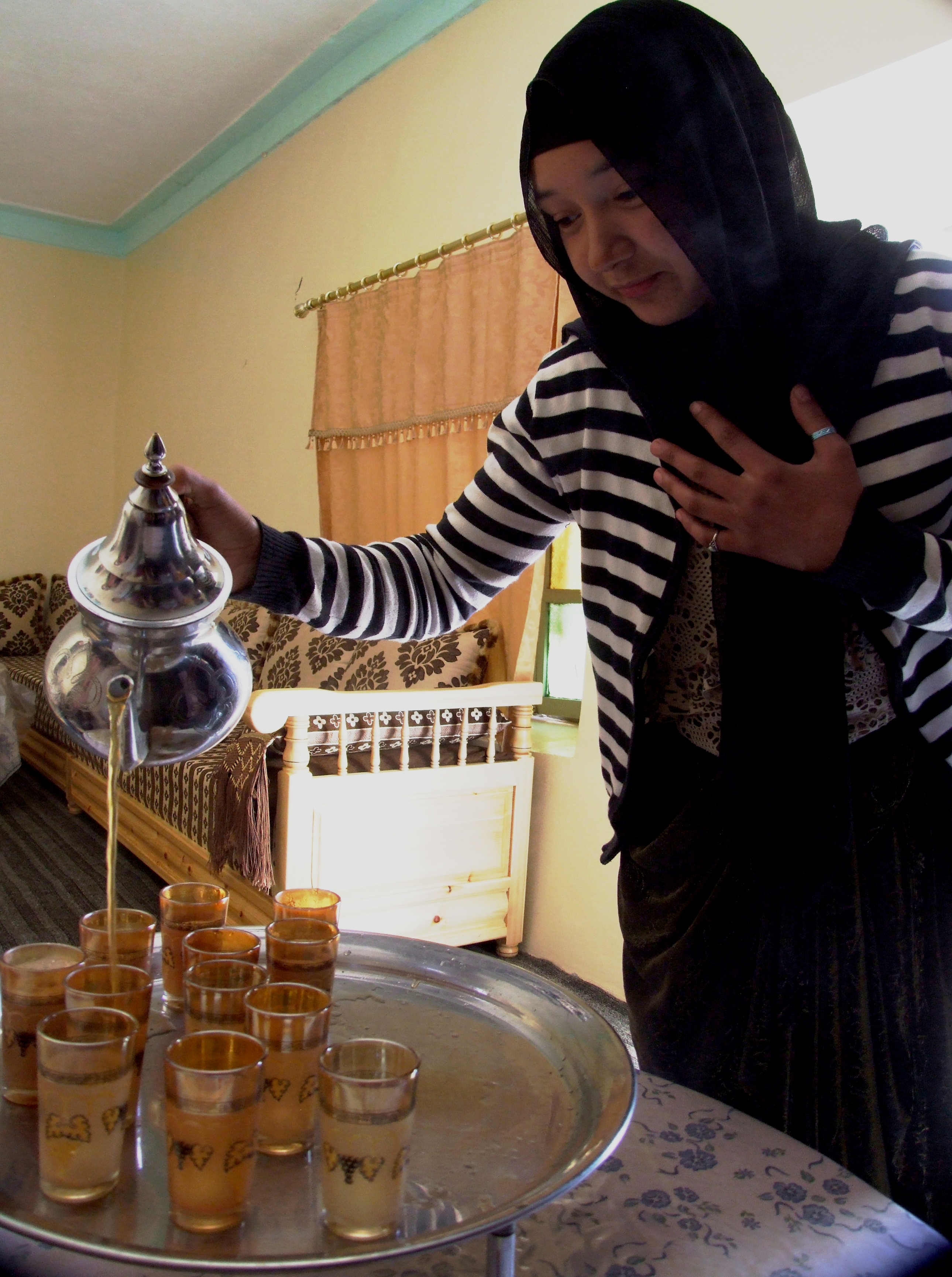
They seemed elated to welcome us.  They sprinkled us with rose water – a Moroccan tradition.  They served us the traditional mint tea and nuts.  They dressed one of our group in a fancy Moroccan headdress.  They laughed when we showed them their photos on the camera screens.

We were having a joyous time when Khalil came to find us, upset that he had to look for us.  A new “old” van had arrived so we could continue.  It was even smaller than the original one, so Khalil had to fold himself up over the luggage in the back.

The trip had begun the previous day with departure from Marrakech. The first stop was Essaouira, an ancient fishing village of white buildings with bright blue fishing boats tied up at its harbor. It’s a windy place with hundreds of sea gulls soaring above. Khalil called it a “city of celebrities” as it was popular with musicians such as Jimi Hendrix and the Beatles in the ‘60s.Morocco11

We wandered through the souks, crammed with shops selling everything from carpets to ceramics, slippers to jewelry. Lunch at chez Sam, a harbor fish restaurant, was a treat.  We lingered too long over bounteous platters of fish and seafood, and were running late. Khalil announced we would take a “shorter” inland route to our next destination, Taroudant.

The trip was endless.  The road was narrow and not in great shape.  It was also the truck route.  The procession of monsters crept up the long hills like a parade of snails.  Passing was out of the question.  It grew dark. We were hungry. I longed to stretch my legs, also out of the question. We were in the wilderness. There was no where to stop.

It was after 11 p.m. when we arrived at the hotel in Taroudant where they had held dinner for us. We ate quickly and fell into bed.

Morocco13 Next morning, Sunday, we were supposed to have a carriage ride around the town’s well-preserved red mud walls, then time to browse the souks, said to be among the best in Morocco. The carriages never arrived.  We set off to the souks on foot, only to learn that the shops did not open until much later.  So much for Taroudant.

Next stop Ouarzazate.  It was on this journey that the aged Mercedes gave up. At least we were traveling by day and could admire the starkly majestic scenery.  Before the disaster, we stopped to photograph goats who climb argan trees to feed on the fruit.  We made another stop at a co-op where we were supposed to learn about saffron production.  Alas, it was closed.  Khalil rounded up sandwiches at a local grocery.  While we were picnicking, someone came to open the shop where at least we could buy saffron, Morocco’s famous and pricey spice. An enterprising young boy, arms laded with necklaces of pungent smelling eucalyptus seeds, suddenly appeared. He offered three strands for just two euro.  Everyone made a purchase.

It was dinner time when we arrived in Ouarzazate, a town where numerous movies, including Lawrence of Arabia and Jewel of the Nile, have been made. 
To make up for the traumas of the day, we opted to splurge at an excellent restaurant in the town, Relais Saint Exupery.  I tried the Moroccan specialty, pastilla de pigeon, a sweet pigeon pie made with pastry layers stuffed with pigeon morsels, ground almonds and dusted with sugar. Proprietor Jean Pierre entertained us with stories about famous customers, including Brad Pitt and Angelina Jolie who, while on site making a movie, ate there “at least 20 times.”

After the disappointments of  Sunday, Monday in Ouarzazate was glorious. We toured the town’s kasbah, Taorit, then drove – at last in a newer model, roomy van — outside Morocco39 town to visit two other kasbahs. Ait Benhaddou, a UNESCO world heritage site, is “the largest complex of packed earth buildings in Morocco,” according to my guidebook.

The pile of beige/pink buildings is clustered on a hill above a river. Rather than wade through the shallow water, some of us paid a euro to hop on a donkey for the trip across.  Steps and narrow passageways between the buildings climb the hill, leading to openings, rooms to explore, then up and up to the summit for an amazing view.

The trip back to Marrakech over the mountains offered more incredible scenery. Marrakech is a lively, booming metropolis.  It’s easy to get lost in the huge labyrinth of souks where I weakened to sales pressure and made a major purchase, a lovely rug. 

Marrakech’s heart,  Jemaa -l-Fina, is a circus to be experienced both day and night.  Story tellers, musicians, snake charmers, women who body paint henna on customers, and other entertainers congregate in the large space, hoping to earn from tourists who must pay to take photos.  At night, food vendors set up stands offering an amazing variety of grilled meats and other treats.

Away from the crazy, pulsating throng of people and action is a haven of peace and old world grandeur, the La Mamounia Hotel, a Moroccan institution where the rich and famous hang out.  From Charlie Chaplain and Winston Churchill to Nelson Mandela and Tom Cruise, the guest list is impressive. The gardens, lobby, pool, terraces and fountains – all are stunning.  It’s a tourist attraction, and you can visit.  A guide book advises being well dressed

This trip did have its “moments.”  But I’d be happy to go back and see more of Morocco anytime.

For more photos, click on "More Morocco" under Photo Album in center column.


Moroccan Miracle

When some 180 skiing journalists from 33 different countries met to ski and compete in Morocco’s High Atlas mountains recently, it was declared a “miracle.”  The organizers (Belgian and Moroccan) had to overcome monumental difficulties, including a dearth of snow, to host this unique event.Ouka.1

The Journalists’ International Ski Club (S.C.I.J.) www.scij.info (sceej)  holds a meet in a different country every year attended by members — professional journalists — often as many as 300, who ski for fun, race for more fun, attend interesting and lively round table discussions on timely issues, visit nearby sights and savor the best of local cuisine. This was the first time the group met to ski in Africa.

I’ve been a member of this amazing organization since 1978, attended 19 different meets skiing in 16 different countries, from Spain to Japan, Bulgaria to Argentina. The Moroccan meet on the slopes of Oukaimeden, about 70 kilometers from Marrakech, was definitely different.

No snow-making equipment, no gondolas or fast six-passenger chair lifts, no cozy mountain restaurants, Oukaimeden is a step back in time.  Skiing here may not be much different than it was back in 1937 when the first poma lift was installed.  Today there are six of those, plus a chair lift which accesses the peak at 3,269 meters.  The views from the top are awesome, and the run down is challenging.  Riding the poma lift to the top of the main intermediate slope was no less a challenge.  At the start, it jerks you up in the air. No complaints, however, as an all-day lift ticket costs just 10 euro.

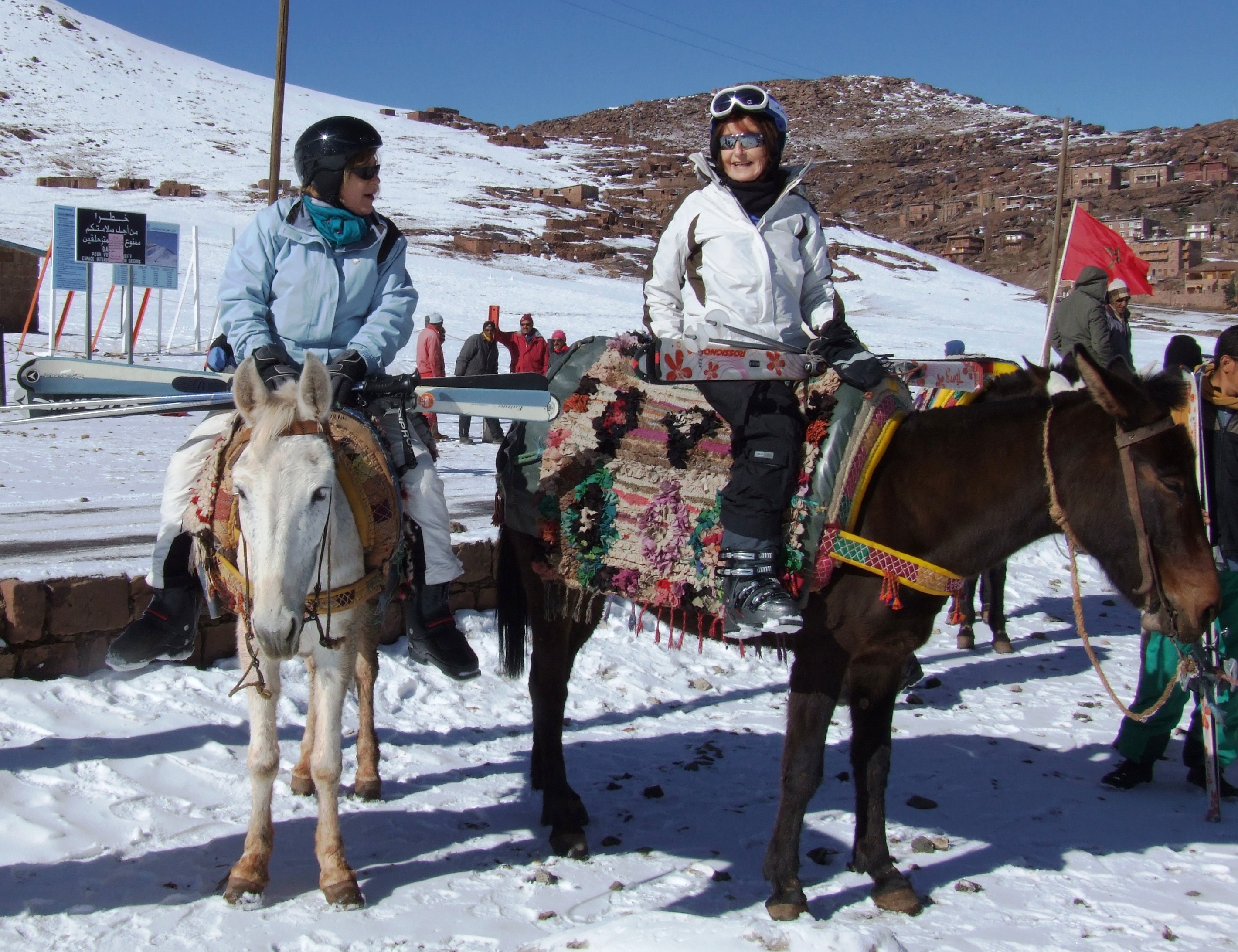
Ouka.3 Where else can you ride a donkey to the slopes?  Enterprising Moroccans were on hand with their beasts to offer transport to the slopes for a mere euro. As racing is de rigueur for SCIJ, by the grace of Allah snow fell the night before the giant slalom race adding enough extra white stuff so a professional crew from the Sierra Nevada mountains in Spain could prepare the slopes and set the gates.

SCIJ races follow professional standards, and many members (those who are fast) take the course very seriously.  In the past (when I was younger), I did on occasion win medals and prizes. It was a thrill, but those days are over for me. 

In addition to slalom, there is a cross country competition.  The Scandinavians usually capture the prizes in this race.  At “Ouka” there was serious concern that there would not be enough snow for the cross country event, alas another miracle. Ouka.11 Those wizards from Spain did it yet again, and prepared a course.  It was shorter than usual, just one kilometer for women, but at the high altitude, most felt that was enough.  This was the first time there had ever been  cross country competition at Ouka.

Members of the Dutch team always serve their traditional pea soup at the end of the cross country race.  Enjoying the warm and tasty soup with us were members of the Moroccan army who were on hand to help with the races.  One kind soldier even helped me up after I fell on the track.

SCIJ meets usually attract local media.  The Moroccan event seemed to be a sensation for  press and television crews who were always on hand to publicize our doings.

Off the slopes at Ouka, many indulged in a “hamman,” – a Moroccan steamy bath and scrub down.  I tried it.  Stretched out on hot tiles, a pretty woman doused my body with warm water, lathered me with black, sudsy soap, then scrubbed and scrubbed with a rough mitt.  I was wiped out after the treatment, but definitely felt clean.  Many also took advantage of massages offered at bargain prices. There were more bargains in souvenirs.  Berber jewelry was a special hit. Moroccans, arms loaded with necklaces, followed us, offering their treasures.  As this was Morocco, it became a game – to see how much you could get the seller to lower his price.  My Ouka.20 Irish friend Isabel was a pro at this and ended up with more than a dozen necklaces, some for as little as 2 and 3 euro each.  

Another interesting après-ski activity was a short hike in the surroundings to see ancient (1,500 BC) etchings in the red-brown sandstone.   But, the most après-ski fun was on the disco floor.  One evening the party even moved to the hotel pool (indoors) with a group deciding to jump in, fully clothed.  

As Morocco is not a typical ski destination and the skiing is limited, several days of our week in the country involved other activities.  We toured Marrakech where we were overwhelmed by the sights, sounds and smells in its labyrinth of souks. The day we set off for the mountains (a caravan of 36 four-wheel drive Toyota land Ouka.18 cruisers), we stopped at a “Kasbah” nearing completion as a luxury resort,  were welcomed by dignitaries at a town en route with a reception, then had a lunch stop at an eco-resort in the mountains.  At all these stops, as well as wherever we went, a Moroccan band was on hand to welcome us with traditional sounds – mainly drums and a type of shouting song.

Meals were tasty, often the Moroccan standard, tagine (stew with meat and sometimes fruit and nuts) and/or gilled meats, usually preceded by a buffet of a variety of salads.  The concoction with cumin-spiced eggplant was my favorite.  These repasts in Marrakech were held at lavish hotels richly decorated with colorful tiles and marble.

On the serious side, during the meet there were conferences on the economy of Morocco, the role of women in modern Morocco and freedom of the press in the country.  The session on women generated lots of questions and discussion.

Since I have been attending SCIJ annual meetings for so many years, I have made numerous friends from numerous countries. I look forward to seeing and skiing with them each year.  Coming up are a meet in Argentina in late August, and one on the slopes of Banff, Canada, in Feb. 2011.   I hope I can join the fun.

(For more photos, click on the photo gallery, center column.  After the week's ski meet, I joined a post tour to see more of Morocco  Read about it in my next blog.)    


Homage to Helen

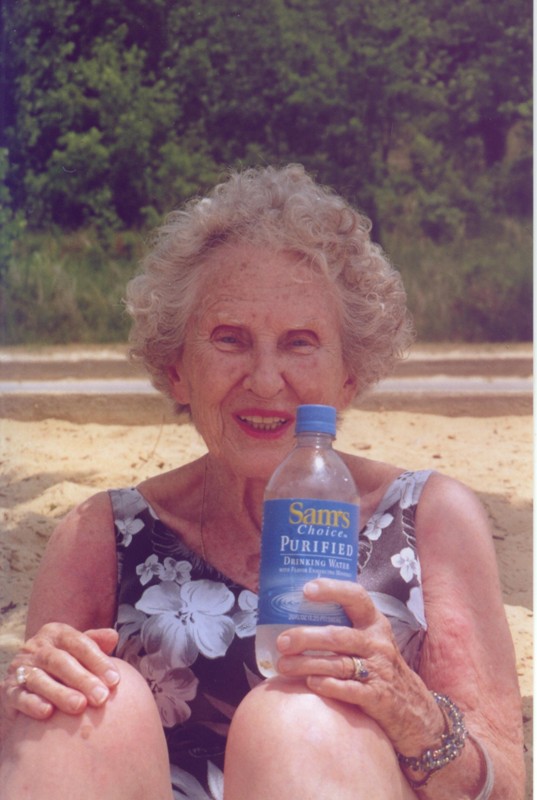
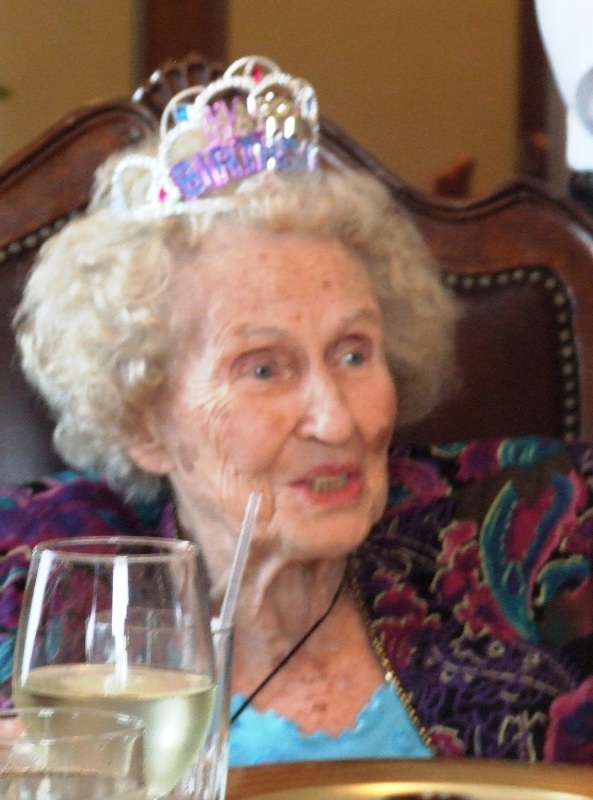
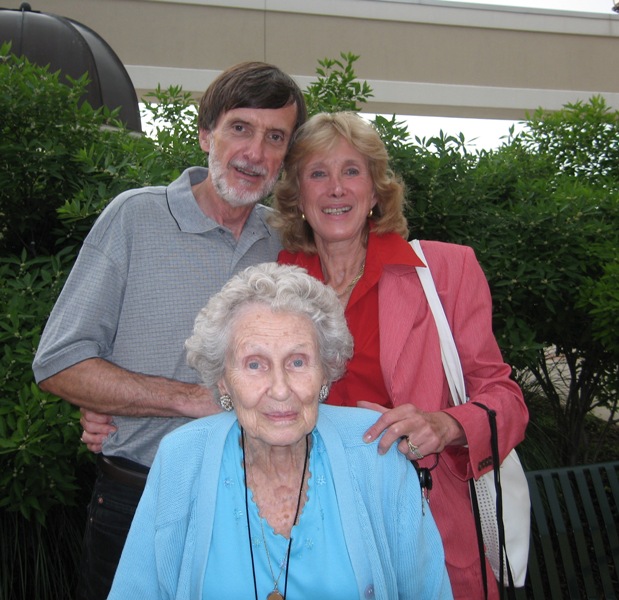
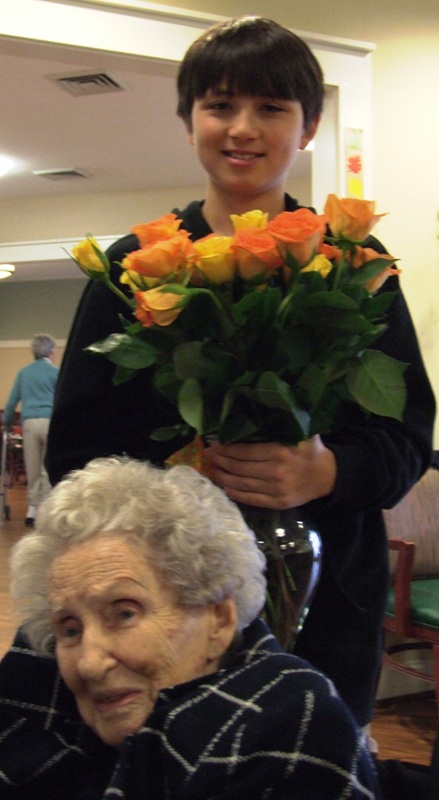
Helen Geneva Theresa Cecila Keefe Koester, Aug. 7, 1918 – Jan. 3, 2010. My mother, a remarkable woman with a contagious passion for life, died at the age of 91 in a nursing home in Louisville, Kentucky. It’s not just my three brothers and I who will miss her.IMG_0037   She had many friends and fans and seemed to touch the hearts of whomever she met.

“She was a delightful lady.  We’re better off for knowing her.”  “She was a sweet heart.” – comments from the staff in the homes where she recently resided.

She loved to talk, socialize and make new friends. She was quick to praise and compliment, often telling those she met that they had beautiful eyes, a lovely dress, a nice smile…She made people feel good.

Helen was a classy lady who loved clothes, jewels, furs, pretty things – and chocolate.  Her numerous collections included Hummels, madonnas, miniature turtles, silver spoons, and ceramic Bourbon bottles (although she was a teetotaler).  But chocolate was her 2009_1103usaoct090095 passion.  She used to hide Hershey bars and Oreo cookies in secret places for her chocolate fix.  Growing up, we’d beg her to make her famous chocolate cake.  She claimed my father proposed after tasting it.  Whenever we visited in recent years, we’d take her to Graeter’s, her favorite ice cream shop, for a chocolate cone.  I sent frequent care packages from Europe with quality chocolate.  (I figured she deserved better than Hershey bars).

She was also an animal lover – a trait she Helen1 passed on to all her offspring. We always had a dog, at least one cat, as well as fish, chameleons, mice, birds,– even a pet crow.  In recent years her constant companion was Brandie, a cream-colored toy poodle who clung to her like Velcro. 

But, her children were her life.  She showered us with love and attention.  Not just us.  Ours was the house in the neighborhood where all the kids would congregate.  She was fun to be around.  As children, she made sure we all learned to swim – summer swimming lessons at a nearby pool were a must.

She loved fun and adventure.  When she was in her ’70s we took her on a thrilling white water rafting trip in Colorado. She often came to visit me in Europe and was the perfect traveling companion on our numerous treks to different countries. She was thrilled with new sights and experiences.  However, I went too far when I took her on a Greek cruise – not the luxury kind.  It was a small boat in July.  The sea was rough. The tiny cabin was scorching – no air conditioning.  She got terribly sea sick, but did not complain, although she said she’d never get on another boat after that.

Helen considered herself “Irish,” as her distant ancestors hailed from the Emerald Isle.  I insisted she was “American” to no avail.  On St. Patrick’s Day we were awakened Helen with “When Irish eyes are smiling,” blasting from the hi fi. She made sure we wore green on March 17.  She was proud of her beautiful hair, “good Irish stock,” she called it, and told me I was lucky that I inherited it.

Of course, she was not perfect.  She could be very stubborn, and her temper was not one to reckon with.  We had our share of mother – daughter fights. 

But, dear Helen, you were fantastic and incredible and wonderful.  I miss you. I treasure the memories you’ve provided.

Joyeux Noel

This will be our sixth Christmas in Provence.  Hard to believe!   We always miss Germany at this time of the year.  No one does Christmas like the Germans with Advent wreaths, sparkling, tasteful decorations and those fabulous Christmas markets with hot mulled wine, tasty sausages, spicy cookies and delicious Stollen.  But, we've come to appreciate Provencal Christmas.

In these parts the big celebration is Christmas Eve with a grand meal amongst family.  If children are involved, Santa usually makes an appearance after the meal to distribute gifts to all.  We've been honored to share the festivities with the family of a former neighbor, Veronique, on two occasions.Noel 2006   Her sisters, their families, mother, grandchildren — all gathered at her home and all contributed something to the meal.

The Reveillon (Christmas Eve) meal is a very special feast of numerous courses.  Champagne and hors d'oeuvres mark the start, usually at 9 p.m. or later.  Then there's  a seafood course with oysters, as well as other delicacies such as shrimp and smoked salmon.  Foie gras is another favorite (more on that later).  At Veronique's one year we had a stew of wild boar for the main course.  Pere Noel (Santa)  arrived shortly after midnight.  After the gifts, eating resumed with dessert, and the party continued until 3 a.m.

In Provence, it's a tradition to have 13 desserts, symbolizing Christ and the 12 apostles, following the Reveillon meal. Dates, figs, raisins, hazelnuts, almonds, nougat, fresh and crystallized fruit and fougasse (a type of flat bread) are among the selections, usually accompanied by a sweet wine.

Two years ago British friends invited us to celebrate on Christmas Day following British traditions.There  were 10 of us for an extraordinary multi-course meal with, in deference to the French, Noel2.2008 foie gras, followed by  roast beef, numerous vegetables and that fantastic British Christmas pudding. The Brits put fun into Christmas with "crackers" — everyone gets one at his/her plate.  You pop the ends of your firecracker-like cracker to find a prize inside — a tiny toy, pen, mini note pad.  And, to add to the fun at that party, we all were given Santa hats to wear.  A jolly good Christmas. 

Last year I invited French and British friends for a Reveillon chez nous.  They all arrived with contributions.  I special ordered a large turkey  – a la Americain  – 18 pounds.  French turkeys are usually much smaller.  They were all impressed.Noël turkey 2008

I also prepared foie gras (oversized liver from a duck or goose that has been force fed).  This is a very controversial subject as many contend the poor birds suffer during the last weeks of their lives when tubes of corn are put down their throats.  As an animal lover I feel guilty, but foie gras is a wonderfully sinful pleasure — smooth, silky, rich and exquisite in taste.  As it is such a staple in the French diet, at least at festive meals,  years ago I worked for a weekend at a foie gras farm in the Dordogne in western France to learn more about the delicacy.  The geese led happy outdoor lives until they were brought indoors for the period of forced eating, but they did not resist the feeding, and they did not seem tortured. They were humanely butchered and every part of the carcass, not just the enormous liver, was put to culinary use. 

 Is this any worse than stuffing American cattle, which are grass-eating animals, with corn in disgusting feed lots?  Or crowding  thousands of chickens in dark pens and fast feeding them to the point that many are unable to move their fat bodies more than a few steps. See the documentary "Food," then decide. 

French love to discuss food.  Everyone is eager to give tips on foie gras preparation which is very tricky lest the liver get too hot and melt. Even my veterinarian felt obligated to relate his method  The recipe I followed last year called for the addition of Calvados and apples.  Everyone was pleased.

New Year's Eve means another Reveillon feast.  The menu may be similar to Christmas Eve.  This year we've been invited to celebrate with French friends. As food is foremost,  we even had a pre-party meeting to decide who would bring what, which wines would be needed, etc.  I just completed a foie gras cooking course, so I'm bringing the foie gras with two wines, Sauterne, a sweet golden wine which is recommended with the rich liver, and a dry Jurancon.

Wishing all a joyous holiday season and a very prosperous 2010 — and Bon Appetit!